Walter Ponce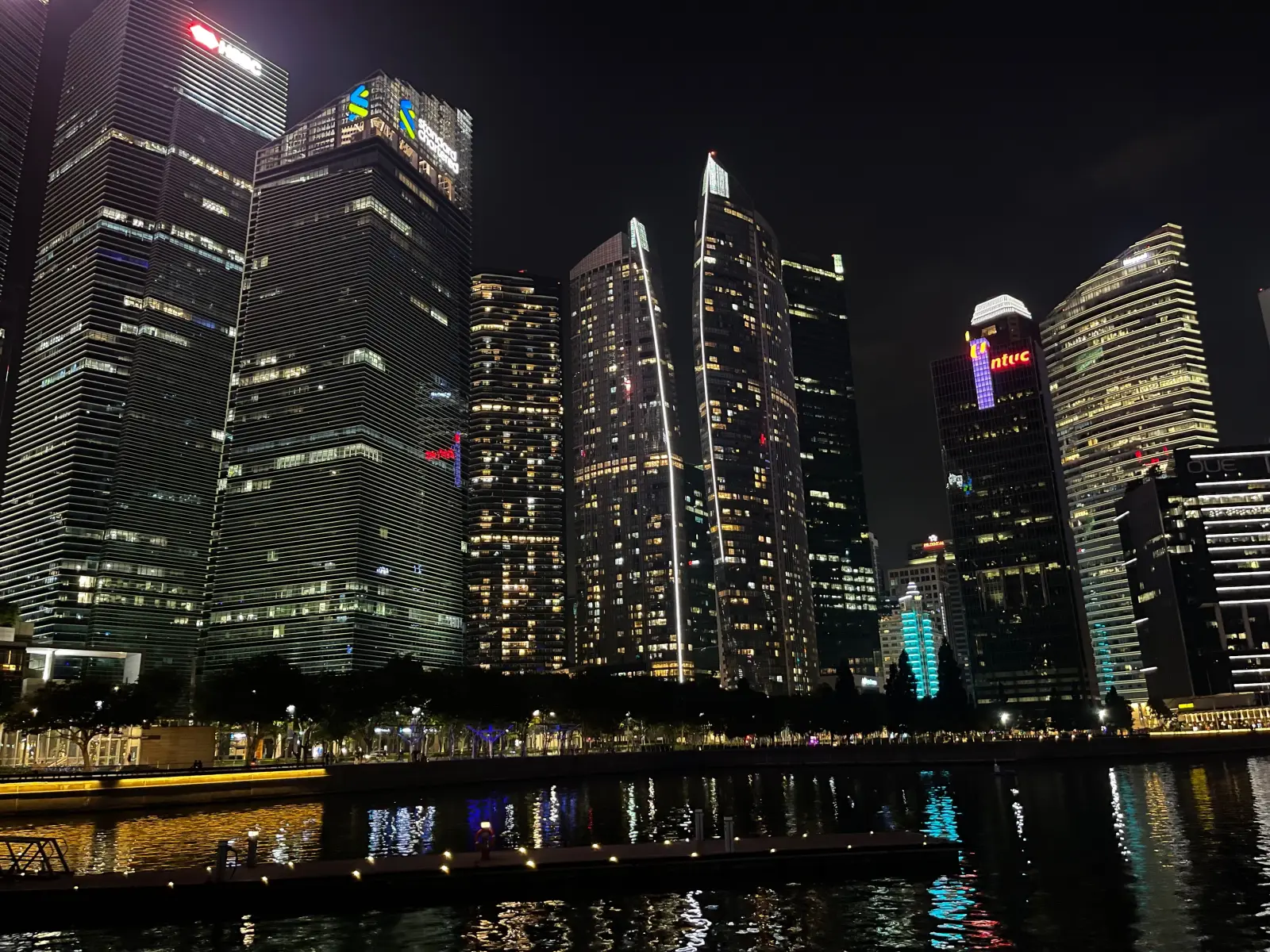
I worked in Singapore years ago, and every time I come back it has changed a bit and stayed exactly the same. Last month I went back for two weeks, and it was also the first stop of our three weeks in South-East Asia.
If it is your first time, my older 10 places to visit in Singapore covers the classics. This guide is about the neighbourhoods: where to stay, where to walk and what to do in each.
Where to stay in Singapore
| Area | Good for | Feel |
|---|---|---|
| Chinatown / Tanjong Pagar | First-timers, food lovers | Shophouses, hawker centres, bars |
| Marina Bay | Views, luxury hotels | Skyline, waterfront, malls |
| Orchard Road | Shopping | Big malls, big hotels |
| Bugis / Kampong Glam | Value, culture | Mosque, markets, cafés |
| Katong / Joo Chiat | A slower, local stay | Peranakan houses, bakeries |
We stayed around Chinatown and Tanjong Pagar, and it is where I would tell anybody to stay: central, full of great food at every price, and on several MRT lines.
Chinatown, Keong Saik and Tanjong Pagar
Chinatown has the temples, the hawker centres and the restored shophouses. Just next to it, Keong Saik Road and Duxton are full of small bars and restaurants in old two-storey shophouses, and Tanjong Pagar has some of the best food in the city.
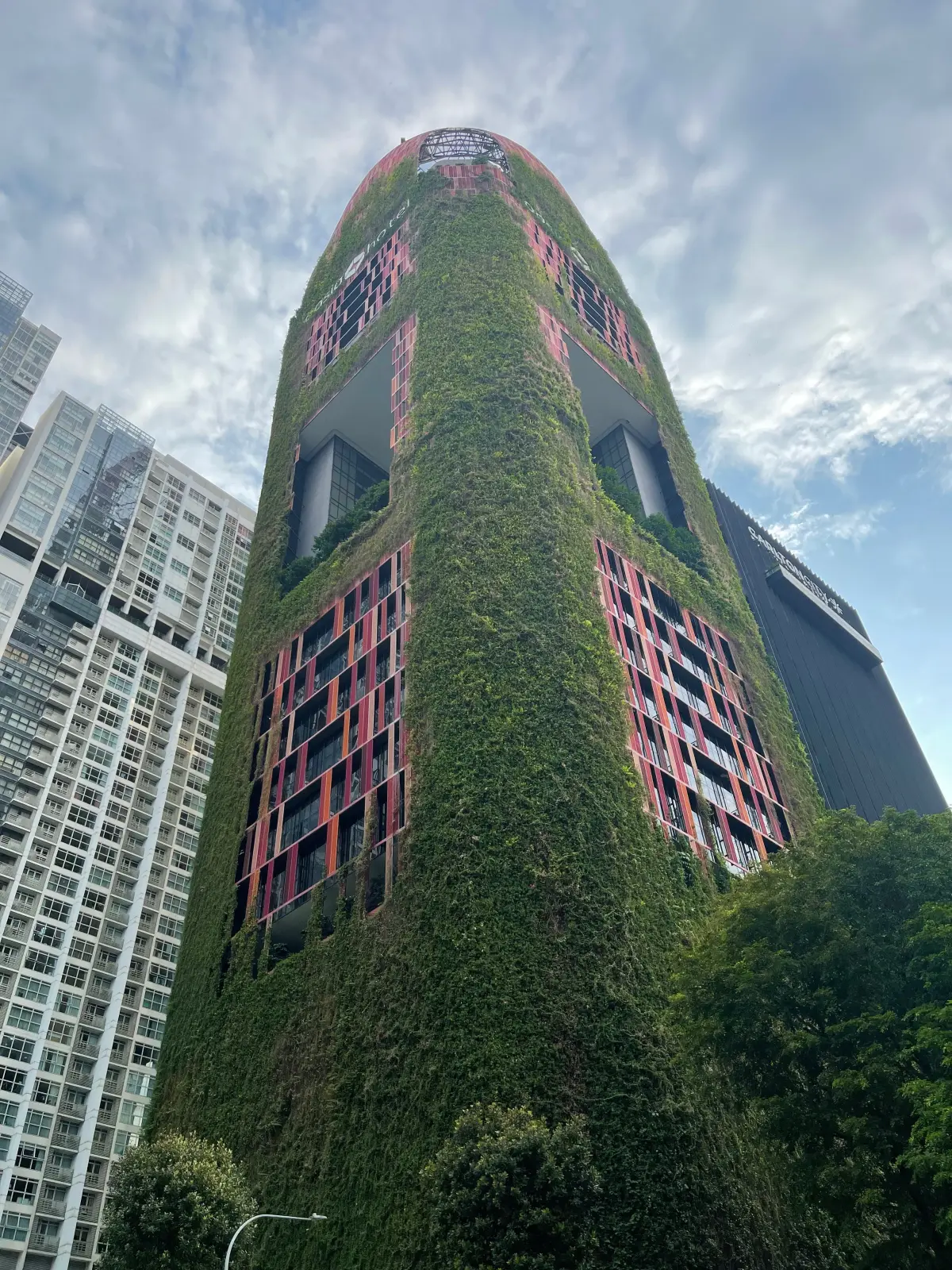
Look up while you walk: the plant-covered Oasia Hotel Downtown tower is one of the most photographed buildings in the area.
What to do here:
- Maxwell Food Centre, the classic hawker centre. Go for chicken rice.
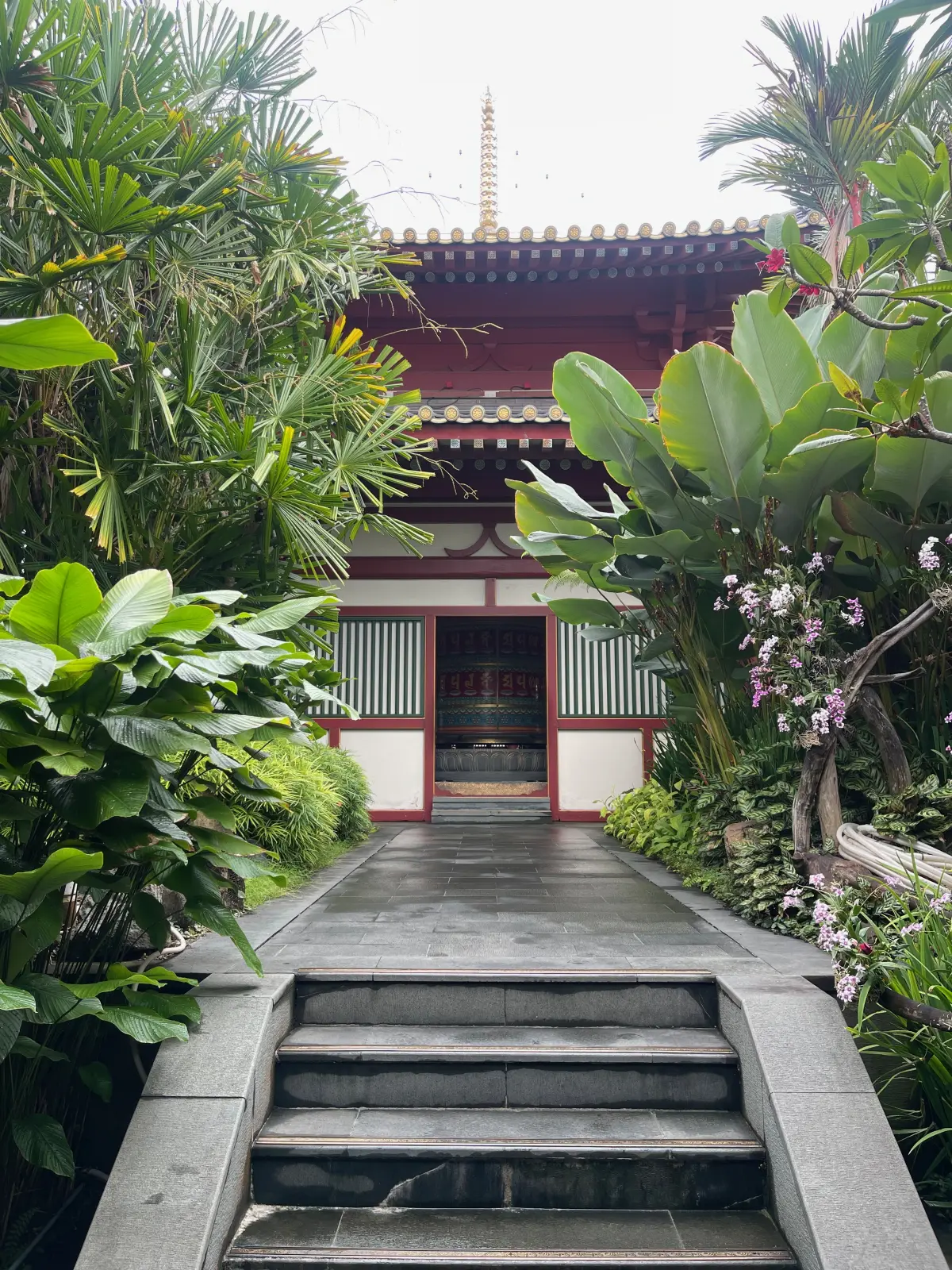
- Buddha Tooth Relic Temple on South Bridge Road, with a quiet rooftop garden.
- Sri Mariamman Temple, Singapore’s oldest Hindu temple, in the middle of Chinatown.
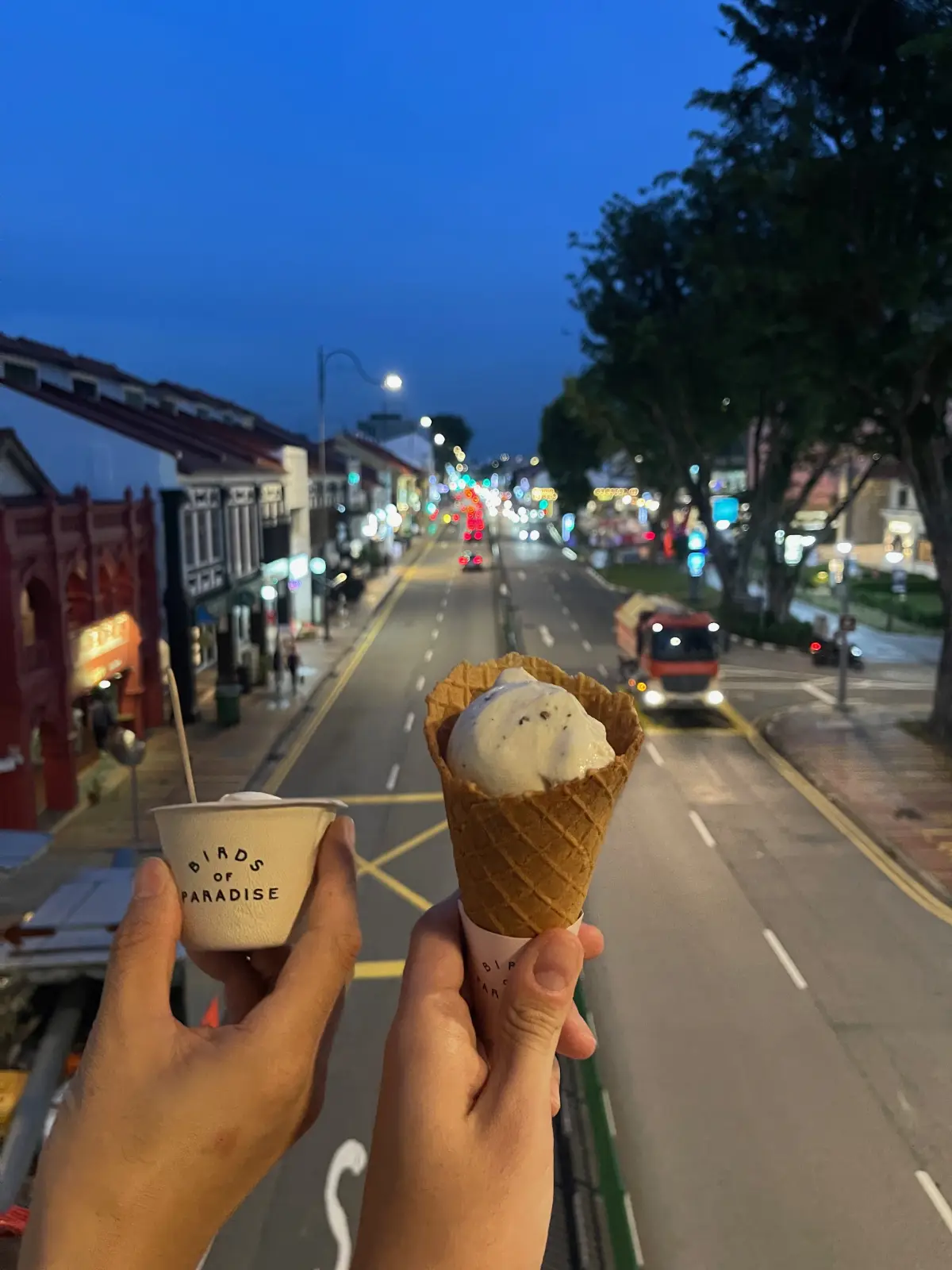
- Ann Siang Hill and Club Street for an evening drink.
Joo Chiat and Katong
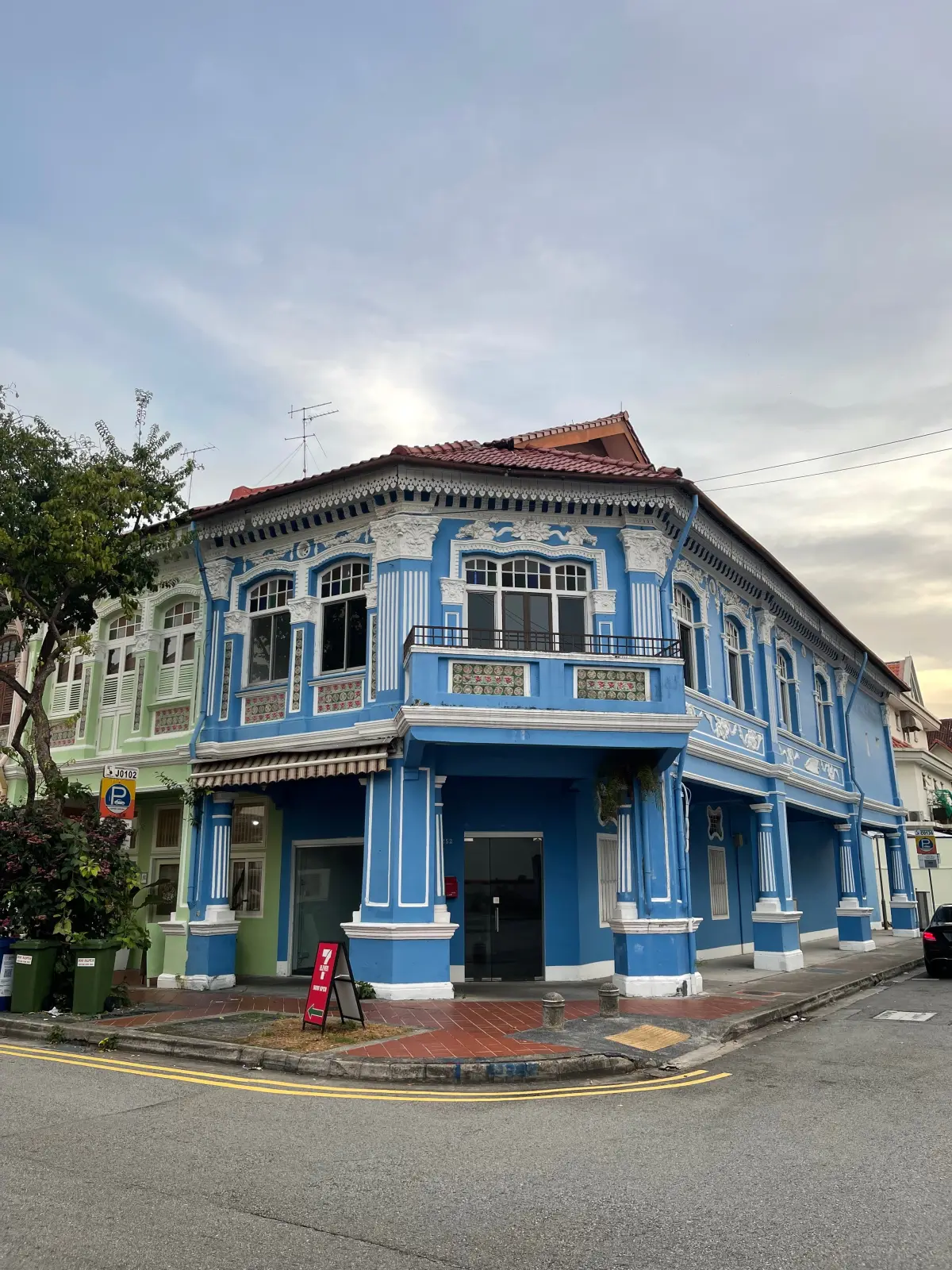
Worth a slow morning. Joo Chiat, in the east, is the heart of Peranakan (Straits Chinese) culture, and the streets around Koon Seng Road have rows of shophouses painted in pastel colours with tiled facades. It is quiet and residential, with good bakeries and the famous Katong laksa.
Combine it with a walk or bike ride along East Coast Park by the sea.
Marina Bay and Gardens by the Bay
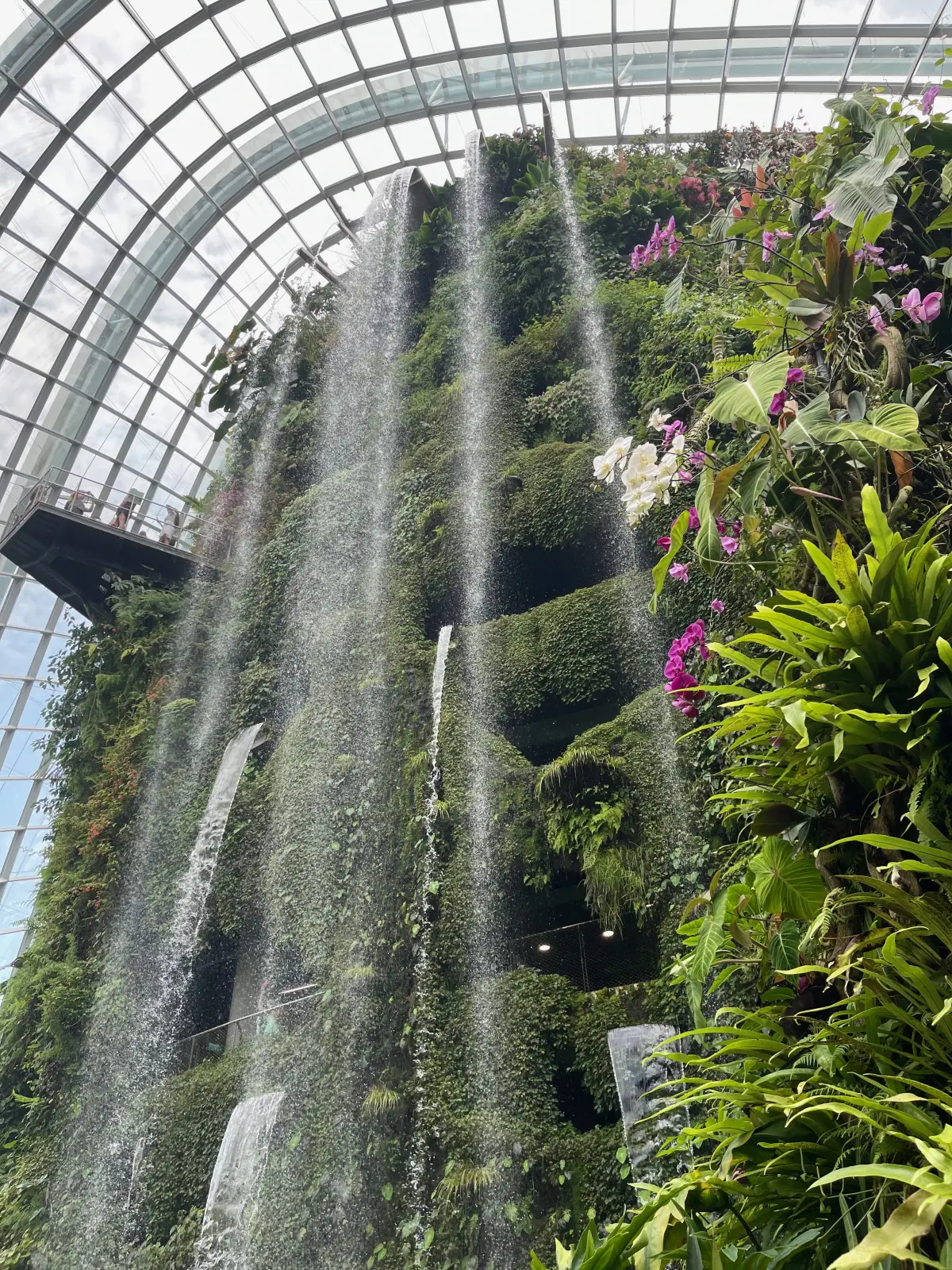
This is the one you cannot skip. The two big domes at Gardens by the Bay are worth the ticket: the Flower Dome and the Cloud Forest, a 35-metre indoor mountain covered in plants, with a waterfall coming down the middle. You walk up and then down along aerial walkways around it.
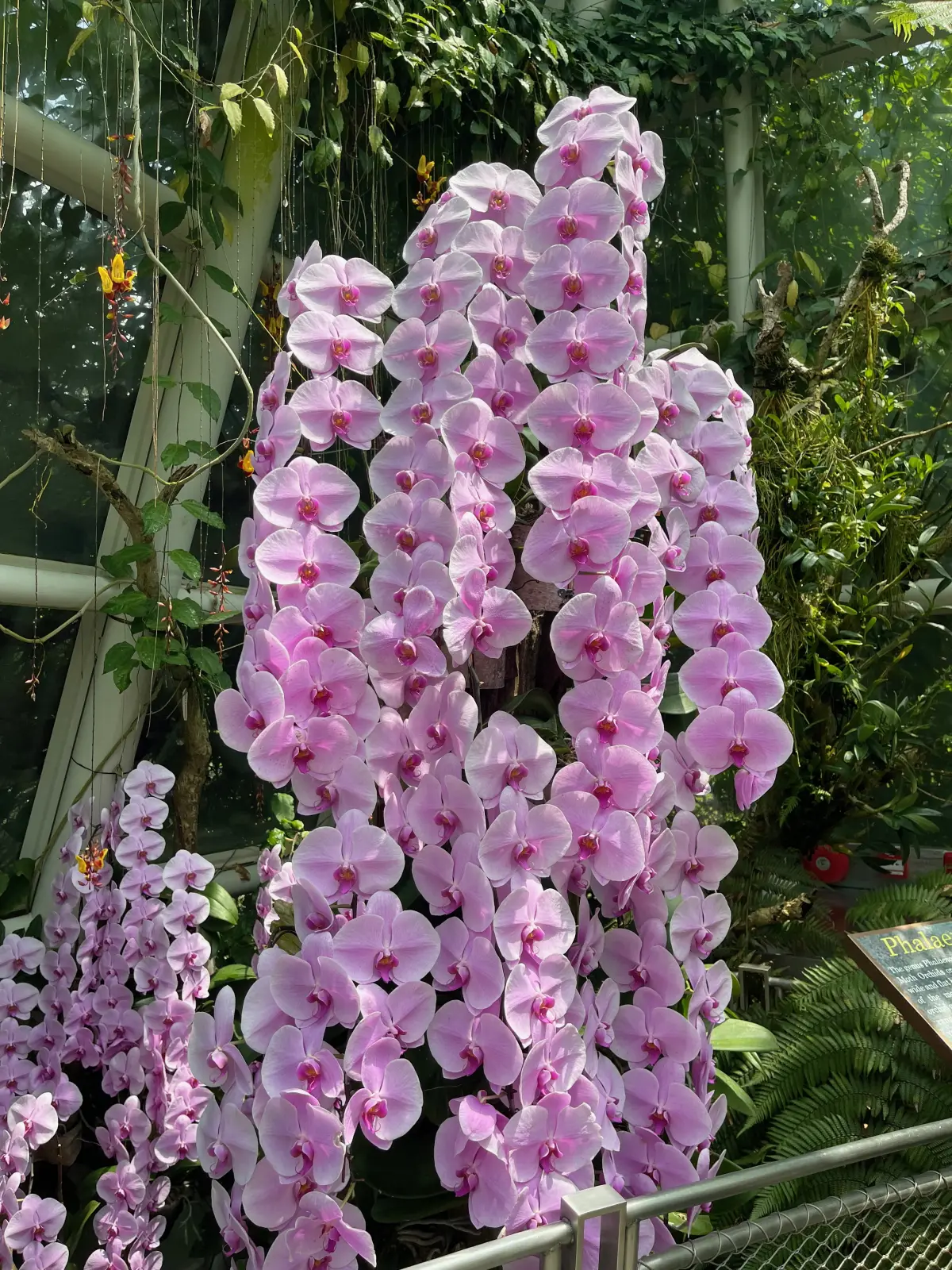
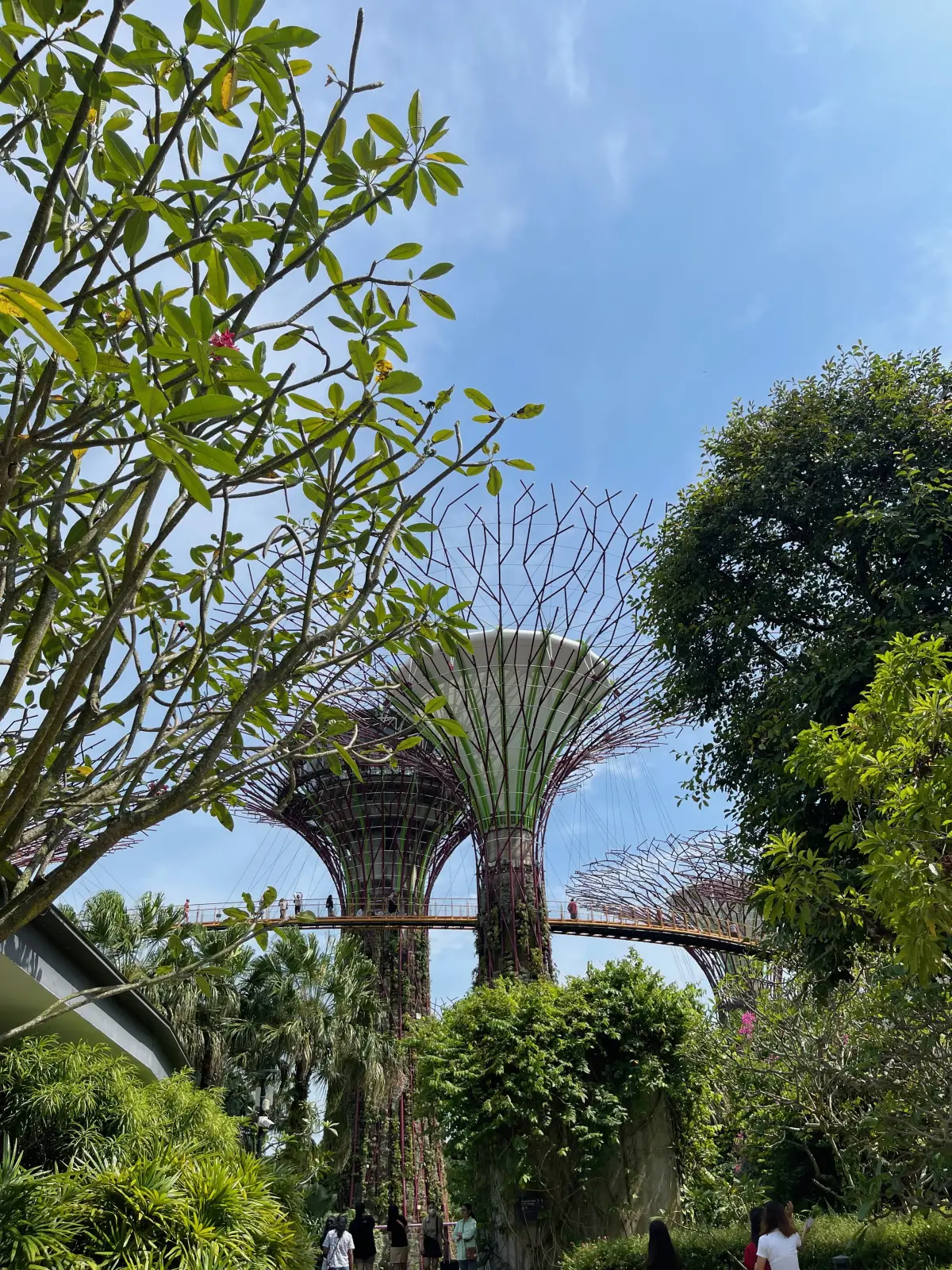
Outside, the Supertree Grove is free. Come back after dark for the Garden Rhapsody light and music show, which runs every evening.
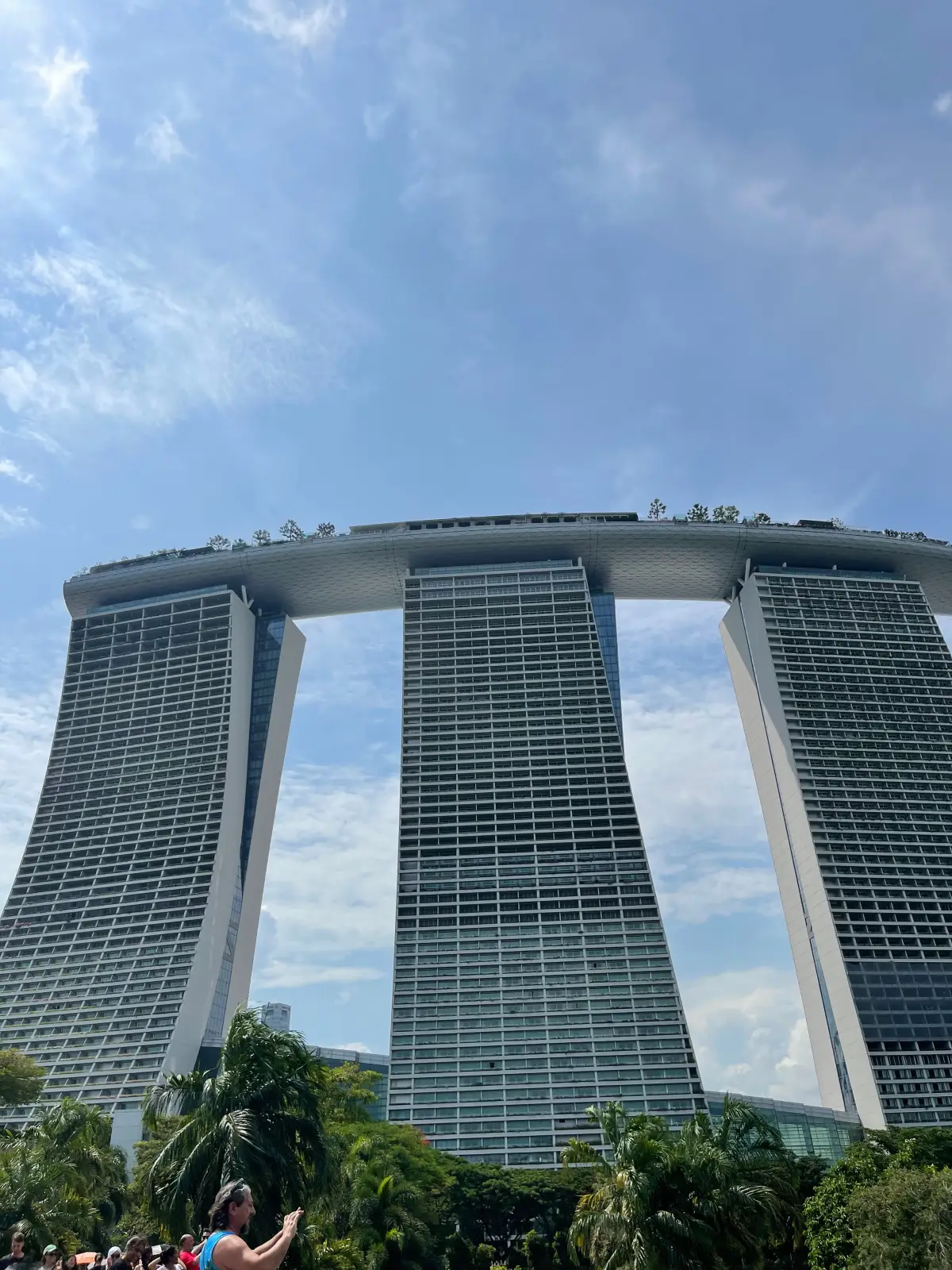
From the gardens it is a short walk to Marina Bay: the Marina Bay Sands towers, the Merlion, and the waterfront promenade. The best view of the skyline is at night, looking back at the towers of the financial district.
The Botanic Gardens
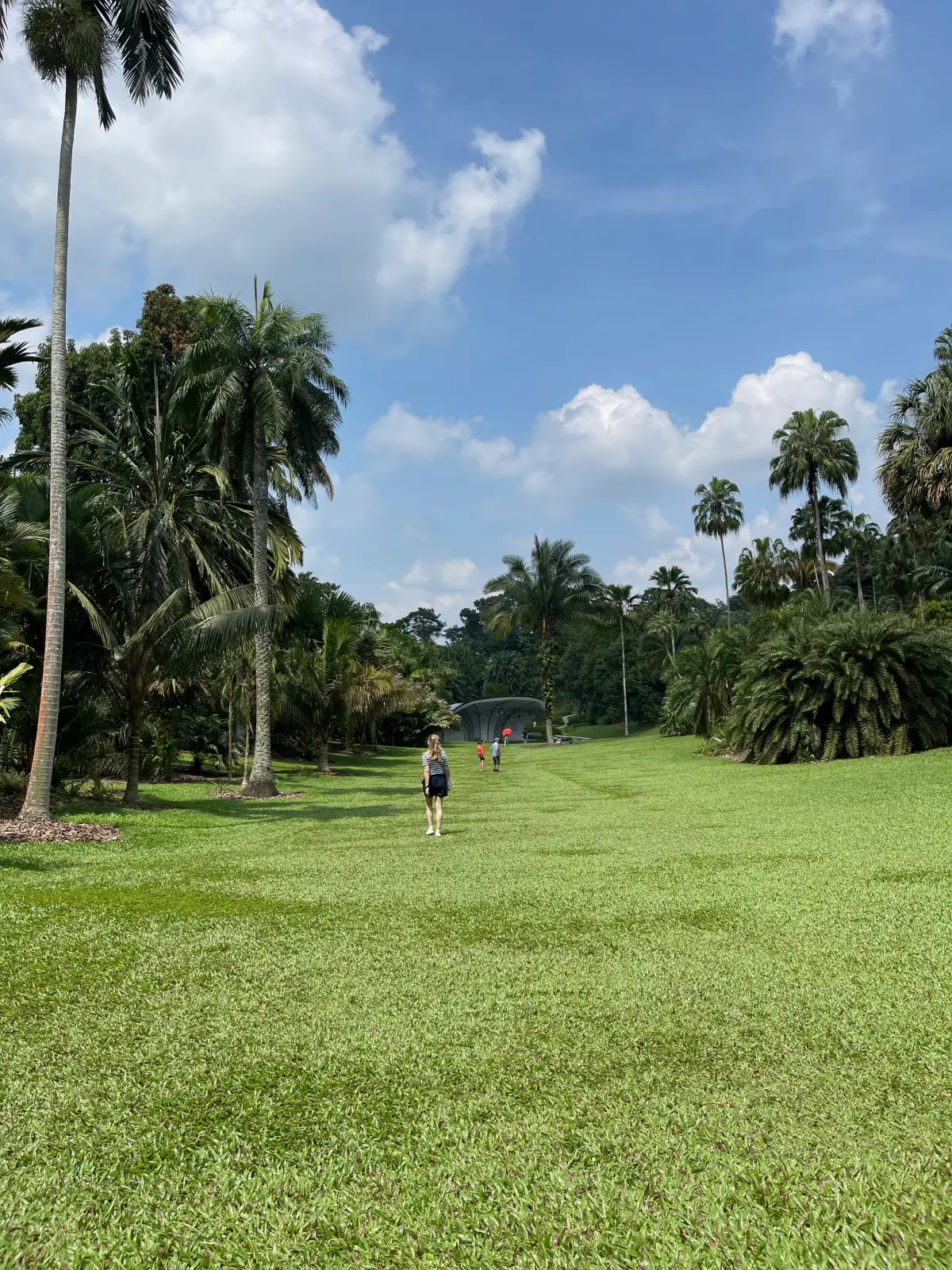
The opposite of Gardens by the Bay: old, green, free and full of locals jogging. The Singapore Botanic Gardens are a UNESCO World Heritage Site, and the National Orchid Garden inside is the only part that charges entry. Go early in the morning before the heat. I have reviewed Corner House, the restaurant inside the gardens, before.
Little India, Bugis and Kampong Glam
From the Botanic Gardens we went across to Little India: colourful streets, the Sri Veeramakaliamman temple, flower garlands, the 24-hour Mustafa Centre and the best Indian food in the city. Then on to Bugis and Bugis Street for the market.
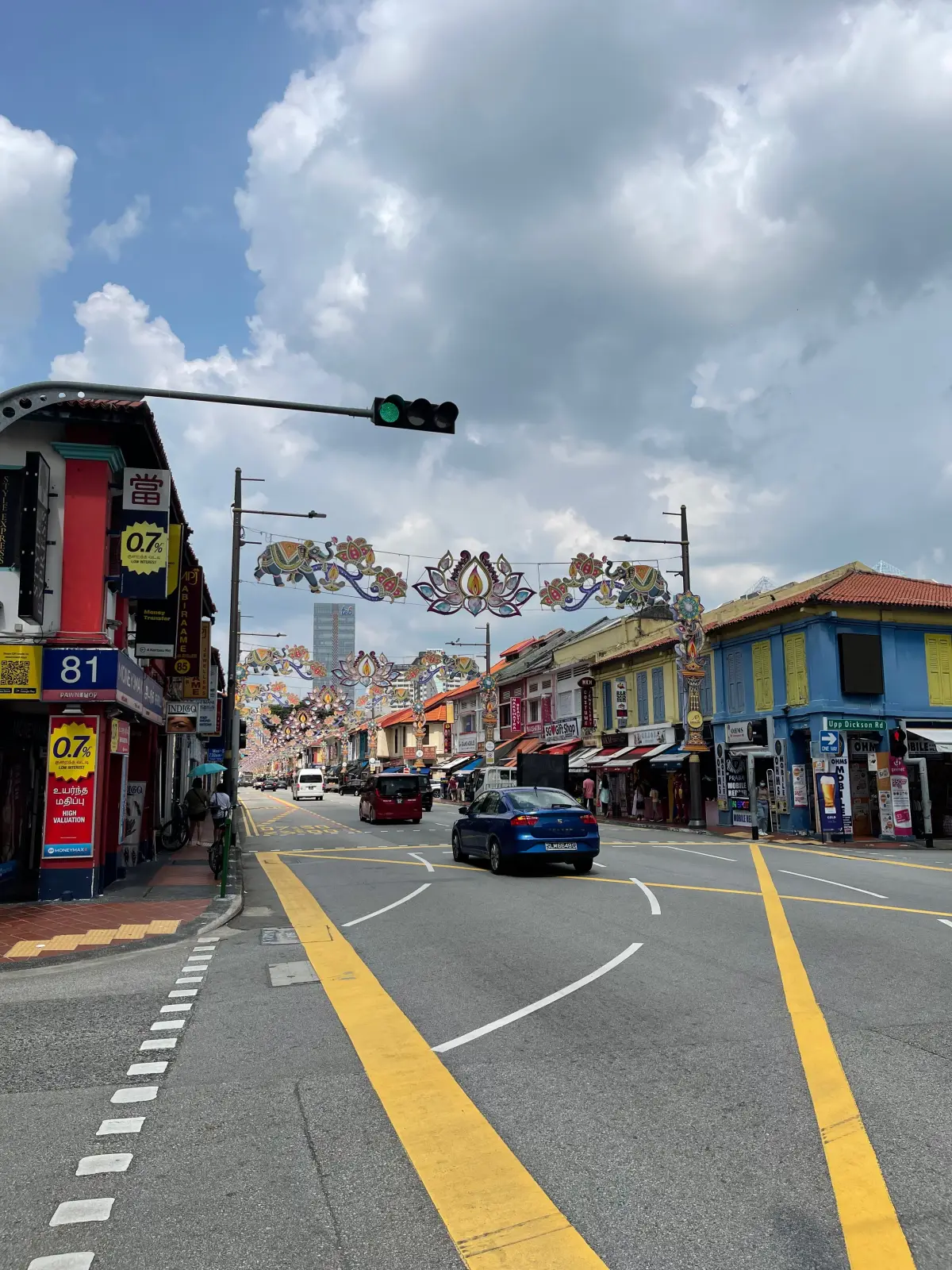
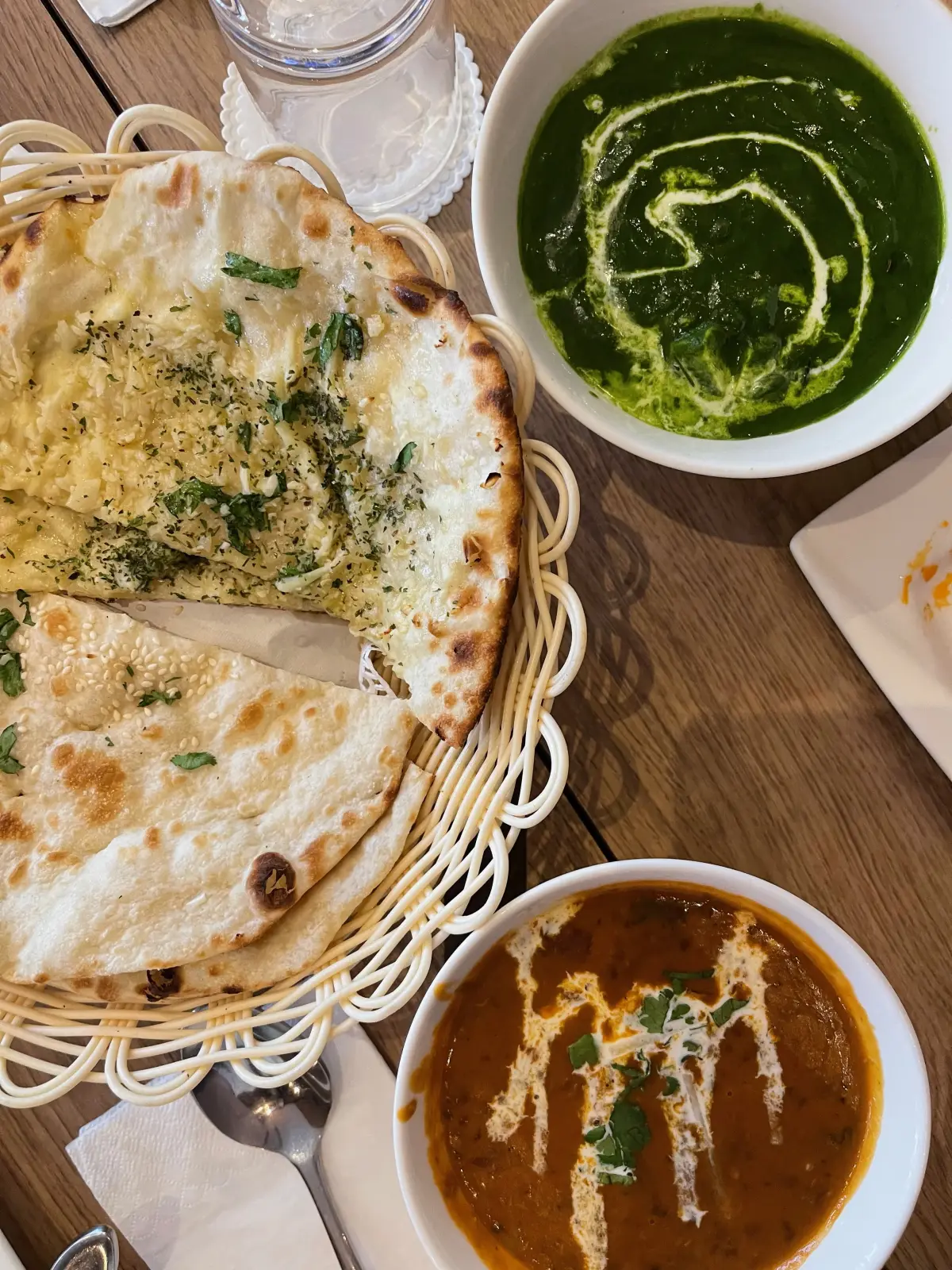
Next door, Kampong Glam has the golden-domed Sultan Mosque, Arab Street’s textile shops and the murals and boutiques of Haji Lane.
Getting around Singapore
- Tap your bank card or phone on the MRT and buses. No ticket needed.
- The MRT goes almost everywhere, including Changi Airport.
- Grab (the local ride-hailing app) and taxis are affordable for short trips.
- Leave time at Changi. Jewel, with the indoor Rain Vortex waterfall, is worth an hour before your flight.
Tips for Singapore
- Eat at hawker centres. Singapore’s hawker culture is on UNESCO’s intangible heritage list, and some of the best (and cheapest) food in the city comes from a stall.
- Plan for the weather. It is hot and humid every day of the year, and in November it often rains hard in the afternoon. Sightseeing early, malls and museums after lunch.
- Know the rules. Fines for littering, eating on the MRT and bringing in chewing gum are real.
- Fill in the SG Arrival Card online before you land.
FAQ
Where is the best area to stay in Singapore? Chinatown and Tanjong Pagar for food and a central location; Marina Bay for views and luxury hotels; Bugis for value.
How many days do you need in Singapore? Three to four days covers the main neighbourhoods, Gardens by the Bay and the Botanic Gardens. It also works well as the first stop of a longer trip in South-East Asia.
Is Gardens by the Bay worth it? Yes. The Supertree Grove is free, and the Cloud Forest dome is one of the best things to do in Singapore.
Do you need a visa for Singapore? Swiss and EU citizens do not need a visa for short tourist stays. Check the rules for your passport.