Walter Ponce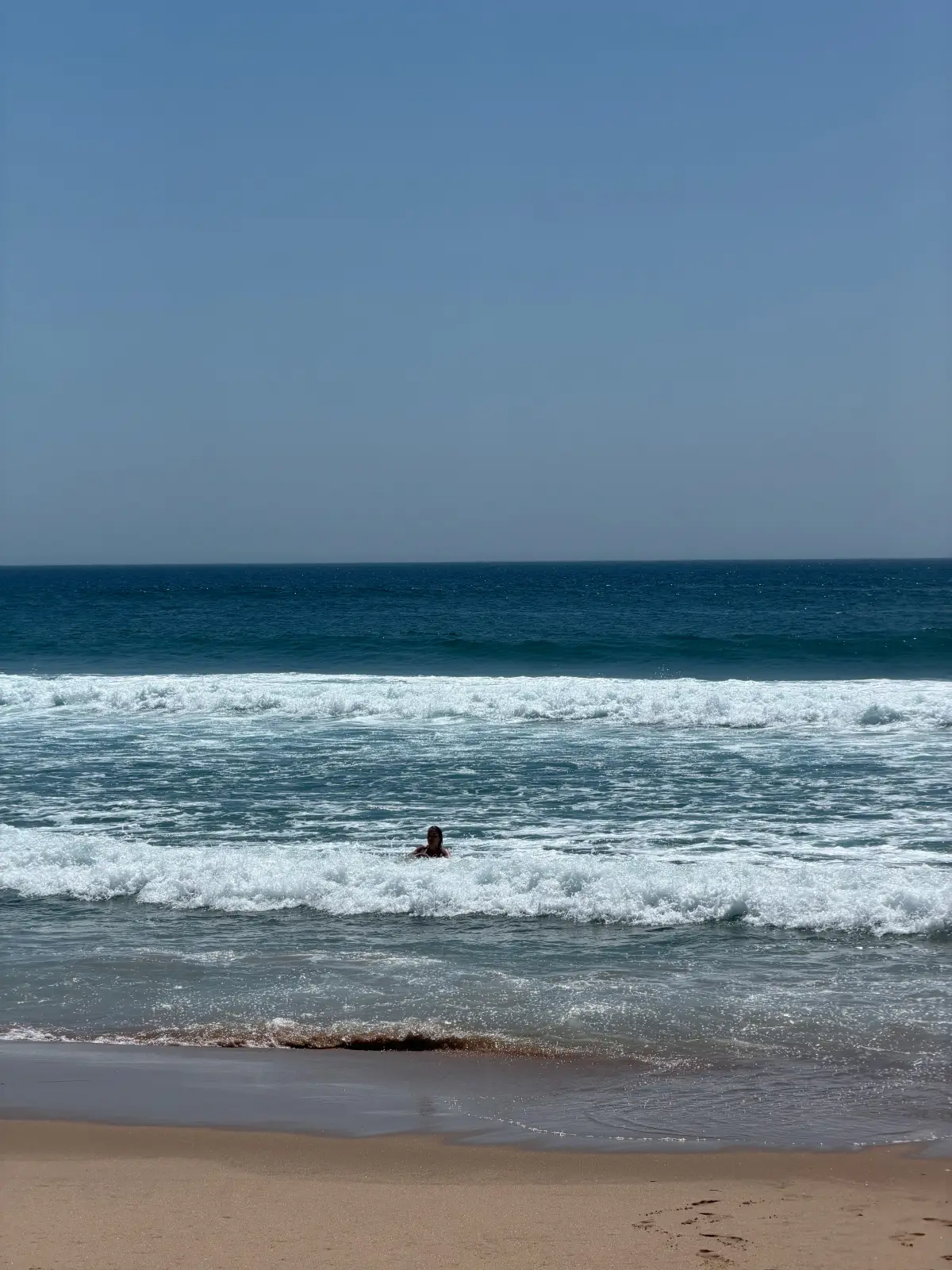
Most visitors to Lisbon head west to Cascais for the beach. Lisboetas often go the other way: across the 25 de Abril bridge to the Costa da Caparica, a strip of around 30 kilometres of Atlantic sand and dunes on the south bank of the Tagus. We spent a long weekend there at the end of May. If you are planning a bigger trip to Portugal, see also my guides to Lisbon and the Algarve beaches.
Why Caparica
- Close to Lisbon: around 20 to 30 minutes by car from the city centre.
- Huge beaches: wide sand, real Atlantic waves and room for everyone, even in summer.
- Relaxed: surf schools, beach bars and fish restaurants rather than resorts.
The beaches
The town of Costa da Caparica sits at the northern end, and the beaches change as you go south:
- Praia do CDS, Praia do Tarquínio and Praia da Sereia: the town beaches, with promenades, beach bars and surf schools. We stayed near Praia da Sereia and Praia da Morena.
- Praia da Morena and the central beaches: a little quieter, with dunes behind.
- Fonte da Telha: further south, at the foot of cliffs, more wild and local.
- Praia da Mata and the Transpraia: in summer, a little beach train (the Transpraia) runs south along the dunes and stops at a long line of beaches.
There is a cycle path along the coast, a nice way to move between beaches.
Surfing in Caparica
Caparica is one of the closest surf spots to Lisbon, and the town beaches are full of surf schools offering lessons and board rental. The waves at the central beaches are usually manageable for beginners, especially in summer, when the swell is smaller. Autumn and winter bring bigger, more consistent waves for experienced surfers. Wetsuits are a good idea all year, because of the cold water.
Things to do beyond the beach
- Cristo Rei: the giant statue of Christ in Almada, on the way to Caparica, with a viewing platform looking over the 25 de Abril bridge and Lisbon.
- Arriba Fóssil: the cliffs behind the southern beaches are a protected landscape, the Paisagem Protegida da Arriba Fóssil da Costa da Caparica, with fossil layers in the rock and walking trails.
- Cacilhas: the riverside quarter where the ferry from Lisbon arrives, known for seafood restaurants with views across the Tagus.
- Lagoa de Albufeira: a calm lagoon further south, popular for kitesurfing and paddle sports.
- Sesimbra and Arrábida: about 40 minutes south by car, the fishing town of Sesimbra and the Arrábida Natural Park, with sheltered coves and green hills over very clear water.
A three-day plan
| Day | Plan |
|---|---|
| 1 | Arrive, walk the promenade, sunset on the town beaches |
| 2 | Transpraia or bike south, lunch at a beach restaurant, Fonte da Telha |
| 3 | Morning surf lesson, then Cristo Rei and Cacilhas on the way back to Lisbon |
Where to stay
We split our stay between an apartment and the TRYP Lisboa Caparica Mar, a hotel right on the seafront. Caparica is mainly apartments and a few hotels; book early for summer weekends.
- Caparica town: the best base without a car, near the bus stops, restaurants and the busiest beaches.
- The central beaches: quieter apartments a short walk or bike ride south.
- Lisbon: you can also stay in the city and come for the day, especially outside summer weekends.
What to eat
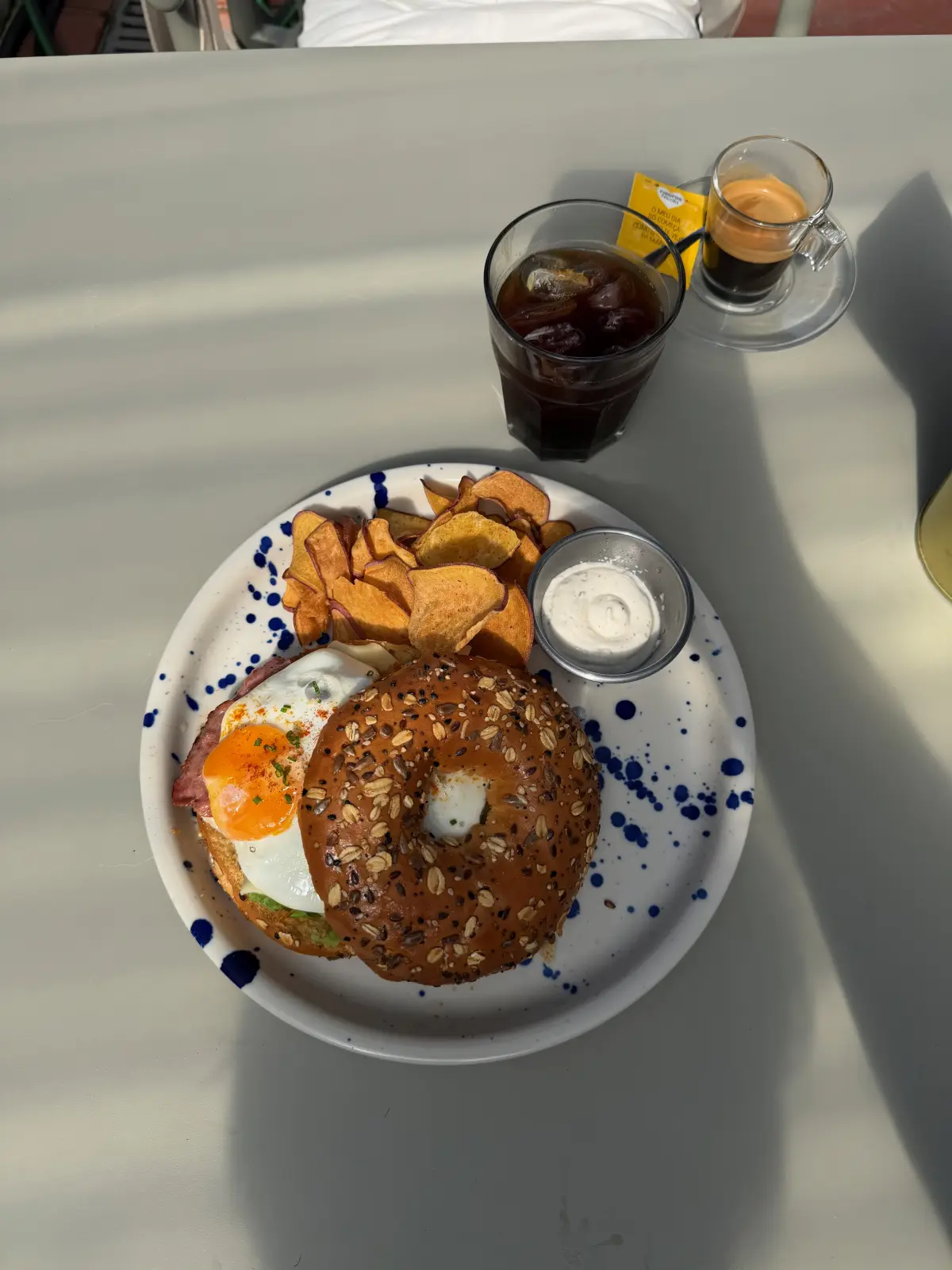
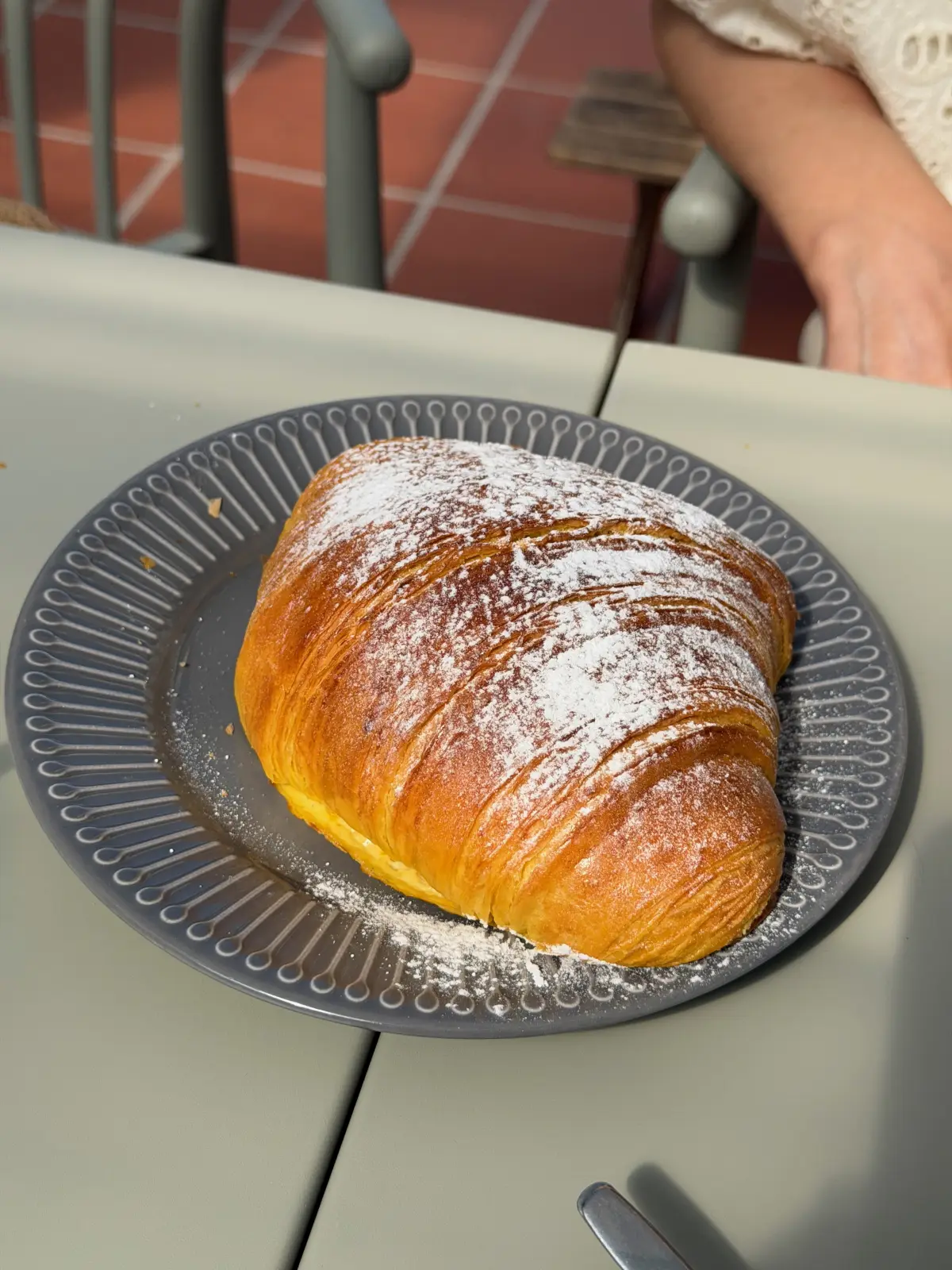
Caparica is about fish: grilled sardines, sea bream and sea bass, amêijoas à Bulhão Pato (clams in garlic and coriander) and seafood rice, at simple restaurants along the beach. In the mornings, the cafés do good brunches and Portuguese pastries.
Other things to look out for:
- Caldeirada: a Portuguese fish stew with potatoes and peppers.
- Choco frito: fried cuttlefish, a speciality of nearby Setúbal.
- Pastel de nata: the custard tart, available in every café.
- Vinho verde: a light, fresh white wine that suits a beach lunch.
Getting there
- By car or taxi: over the 25 de Abril bridge, around 20 to 30 minutes from central Lisbon, depending on traffic. Summer weekends are slow.
- By bus: direct buses run from Lisbon (Praça de Espanha and Areeiro).
- By ferry and bus: take the ferry from Cais do Sodré to Cacilhas, then a bus to Caparica.
- From the airport: around 30 minutes by car.
When to go
- June to September: the beach season, with warm, dry weather and the Transpraia running. Weekends in July and August are busy with day-trippers from Lisbon.
- May and October: often sunny and pleasant for walking, surfing and long lunches, with far fewer people. The water is cooler.
- Winter: quiet and mild, good for surfers, but many beach bars close or open shorter hours.
Tips
- The Atlantic is cold. Even in summer, the water is fresh. Respect the flags: currents can be strong.
- Bring a windbreaker for the afternoon breeze.
- Sunset: the coast faces west, so the sunsets over the sea are spectacular.
- Combine it with Lisbon: a few days in the city, then a few days on the beach.
FAQ
How do you get from Lisbon to Costa da Caparica? By car over the 25 de Abril bridge (20 to 30 minutes), by direct bus, or by ferry to Cacilhas plus a bus.
Is Costa da Caparica good for swimming? Yes, but the Atlantic is cold and can have strong currents. Swim where there are lifeguards.
Caparica or Cascais? Cascais is more elegant and has smaller, calmer beaches. Caparica has wide, wild beaches, surf and a more local feel.
Is Costa da Caparica good for surfing? Yes. The town beaches have many surf schools and waves suitable for beginners, especially in summer.
When is the best time to visit Costa da Caparica? June to September for the beach. May and October are quieter and still pleasant, but the sea is colder.
What is there to do near Caparica? Cristo Rei in Almada, the protected cliffs of the Arriba Fóssil, Lagoa de Albufeira, and Sesimbra and the Arrábida Natural Park further south.