Walter Ponce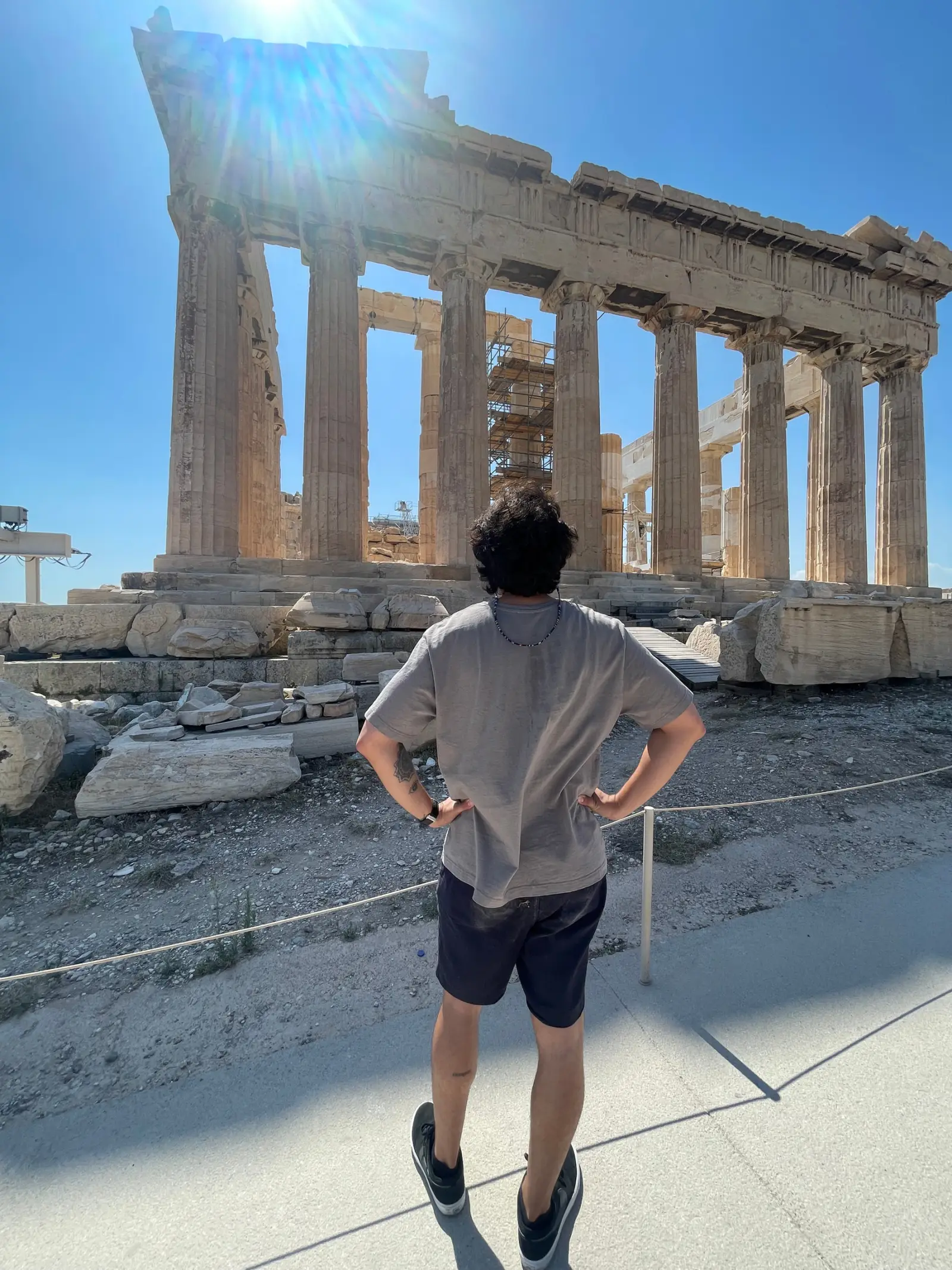
When it comes to experiencing the grandeur of ancient civilizations, few places can match the historical significance and architectural brilliance of the Acropolis and Parthenon in Athens, Greece. Perched atop a rocky hill overlooking the city, these iconic landmarks stand as timeless testaments to human ingenuity and cultural heritage.
Visiting the Acropolis in the summer is an immersive journey that promises to transport you back in time while offering unique challenges and rewards. As the sun casts its golden glow over the ancient stones, the historical significance of this iconic site becomes palpable. However, it’s essential to be prepared for the scorching heat and the bustling crowds that often characterize this season.
A Glimpse into History
The Acropolis, often referred to as the “high city,” was the center of ancient Athens’ political, religious, and artistic life. Built during the 5th century BCE, this elevated site was home to temples, sanctuaries, and monumental structures that celebrated the city’s achievements and paid homage to its deities. At the heart of the Acropolis stands the Parthenon, a temple dedicated to Athena, the goddess of wisdom and warfare.
Navigating the Heat:
Summer in Athens can be incredibly hot, and the Acropolis, situated atop a hill, can feel like a sun-soaked oasis. To make the most of your visit, it’s important to plan accordingly. Start your tour early in the morning or later in the afternoon when temperatures are cooler. Wearing lightweight, breathable clothing, a wide-brimmed hat, and sunscreen is a must. Carrying a reusable water bottle and staying hydrated is crucial, especially given the uphill terrain.
A Guided Experience
Embarking on a guided tour of the Acropolis and Parthenon offers a unique opportunity to unravel the stories that have shaped the course of human civilization. I had the opportunity to do a audio guided tour when I visited the Acropolis and it was a** great experience. **Here some of the highlights and recommended stops visiting the Acropolis:
1. Meeting at the Propylaea:
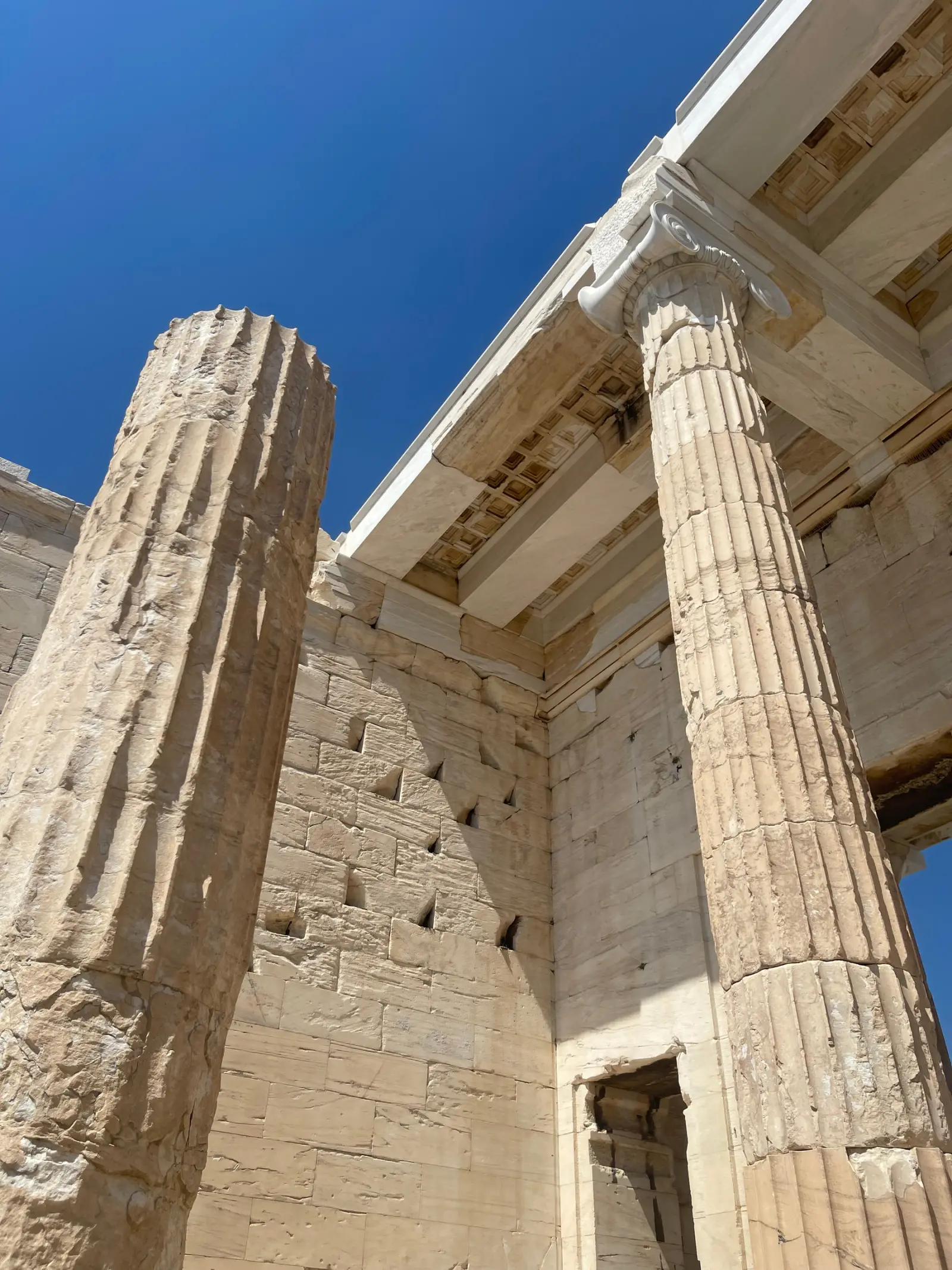
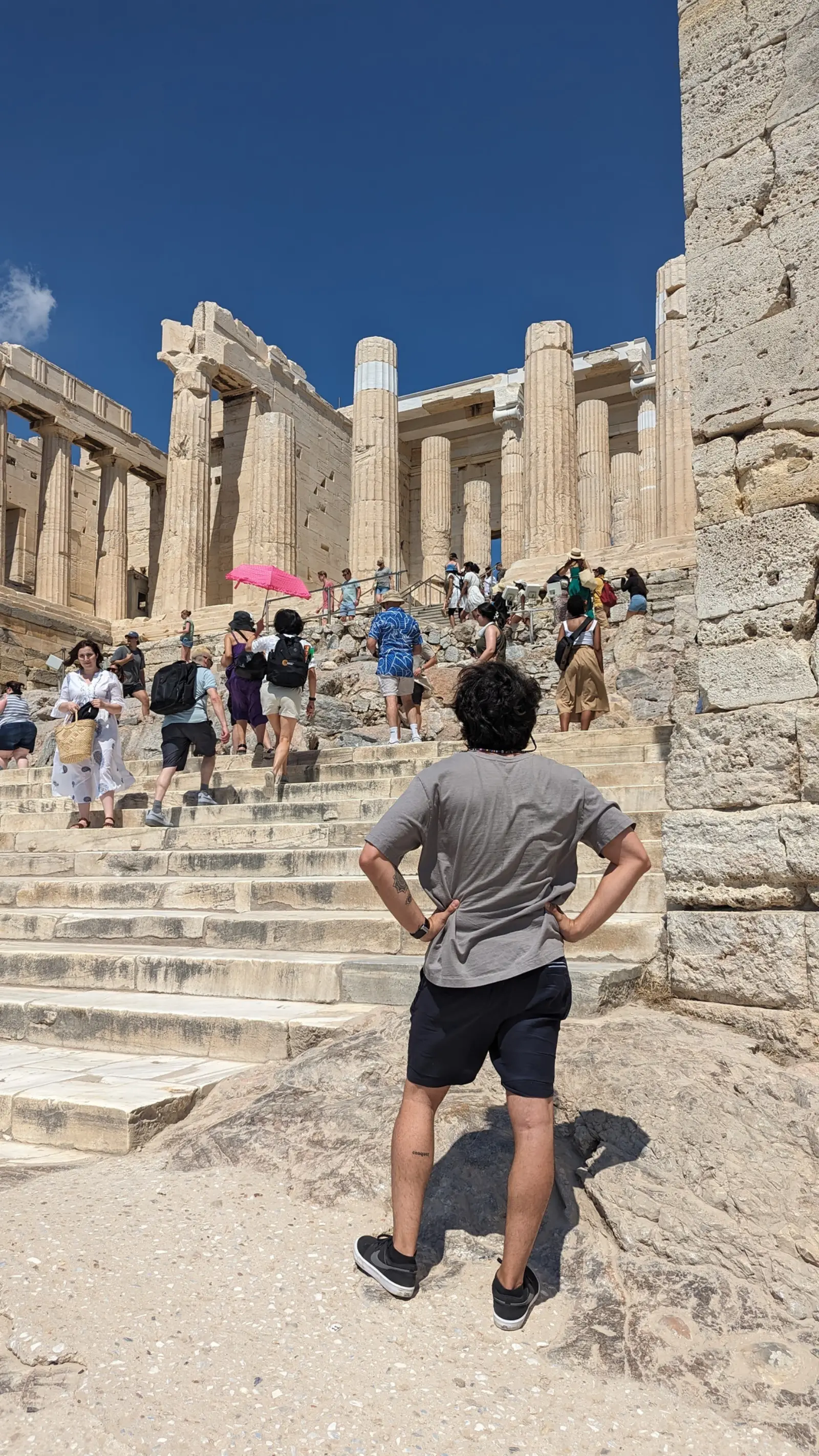
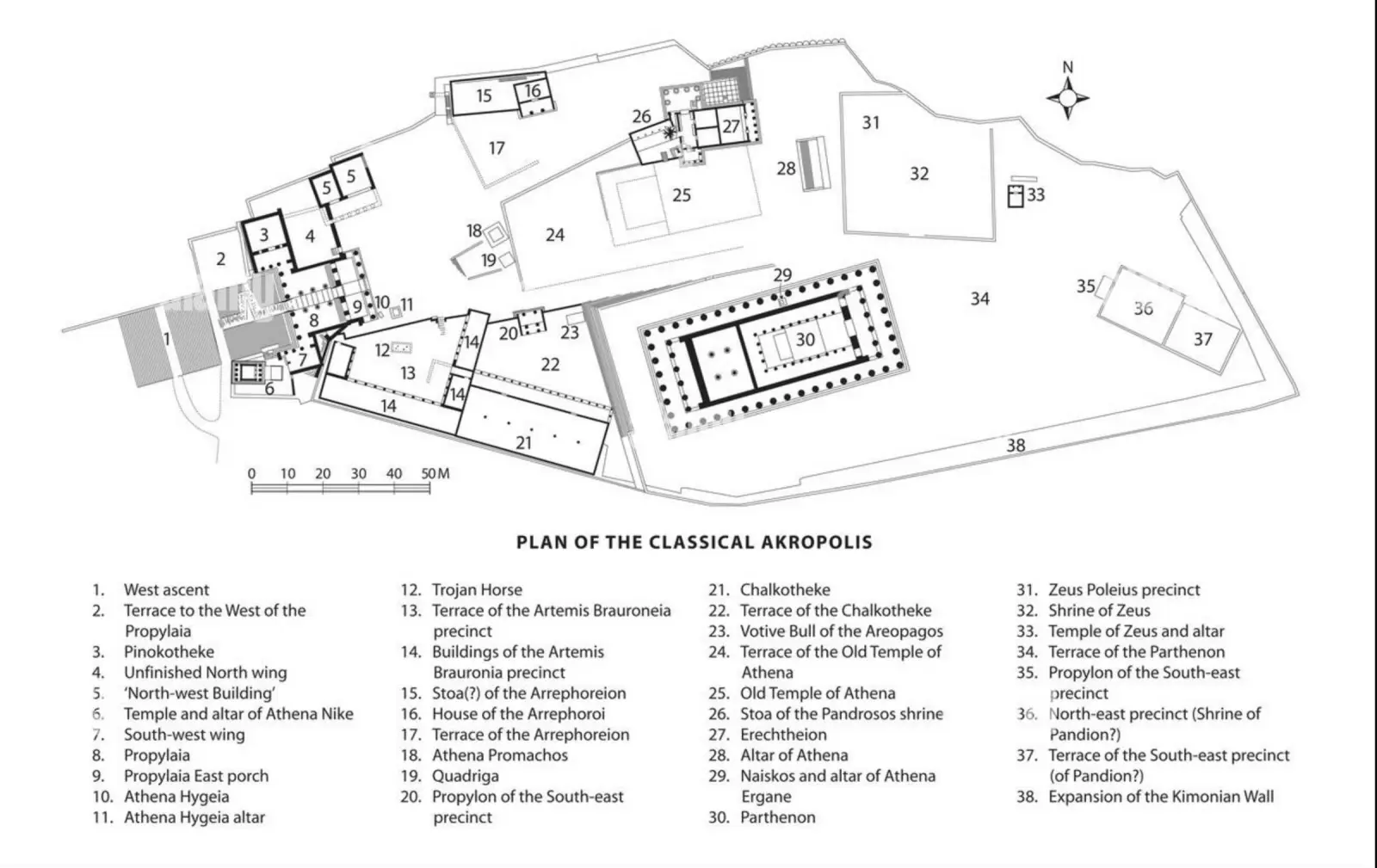
Your journey begins at the monumental entrance to the Acropolis, known as the Propylaea. As you pass through its towering columns, your guide paints a vivid picture of the historical events that unfolded here and the people who once walked these hallowed grounds.
2. The Erechtheion:
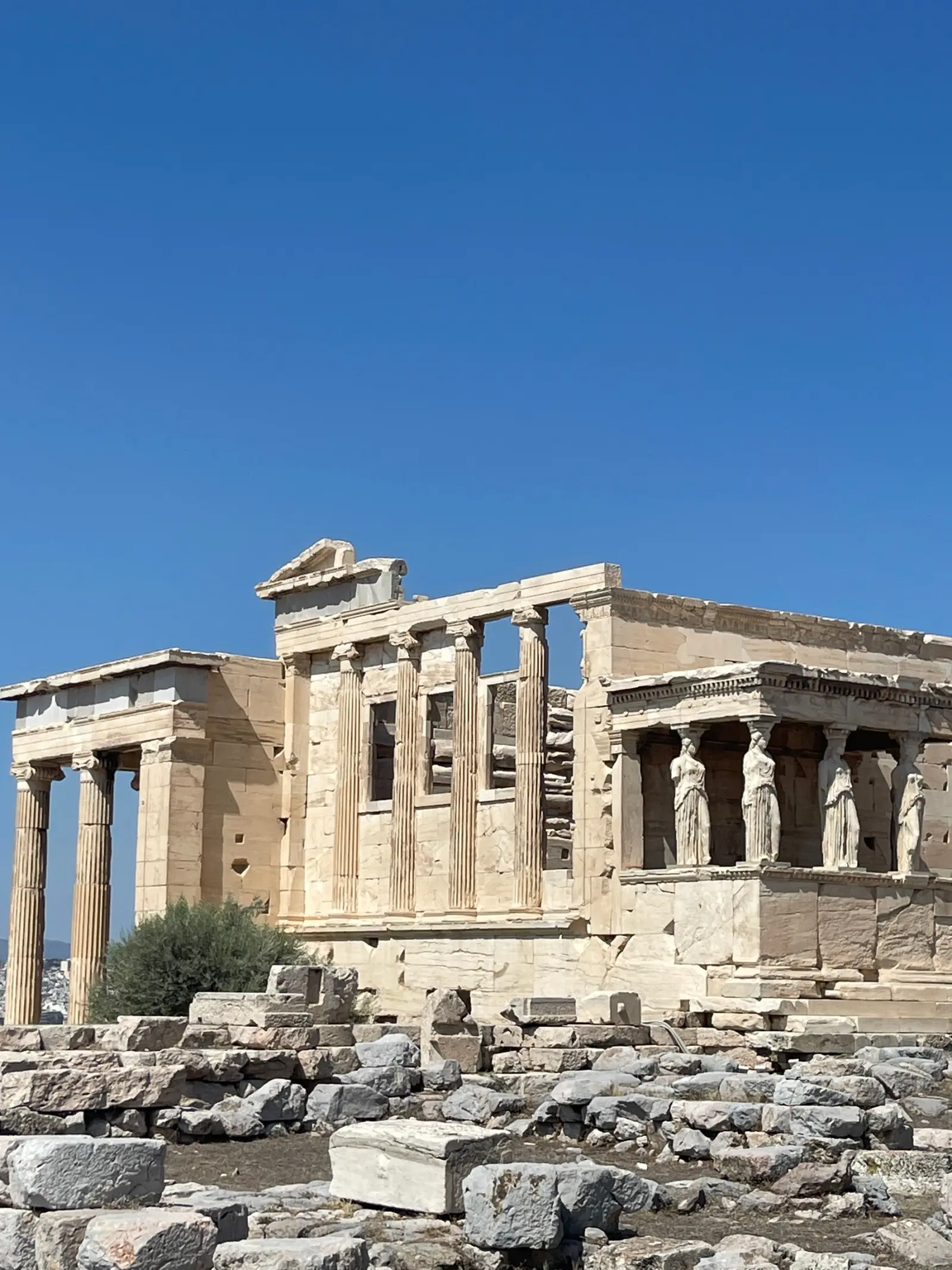
Moving forward, you’ll encounter the Erechtheion, an exquisite temple with its iconic Porch of the Caryatids, statues of draped female figures. Hear tales of the mythical contest between Athena and Poseidon that gave rise to the sacred olive tree and saltwater spring, both of which played crucial roles in Athenian lore.
3. The Parthenon:
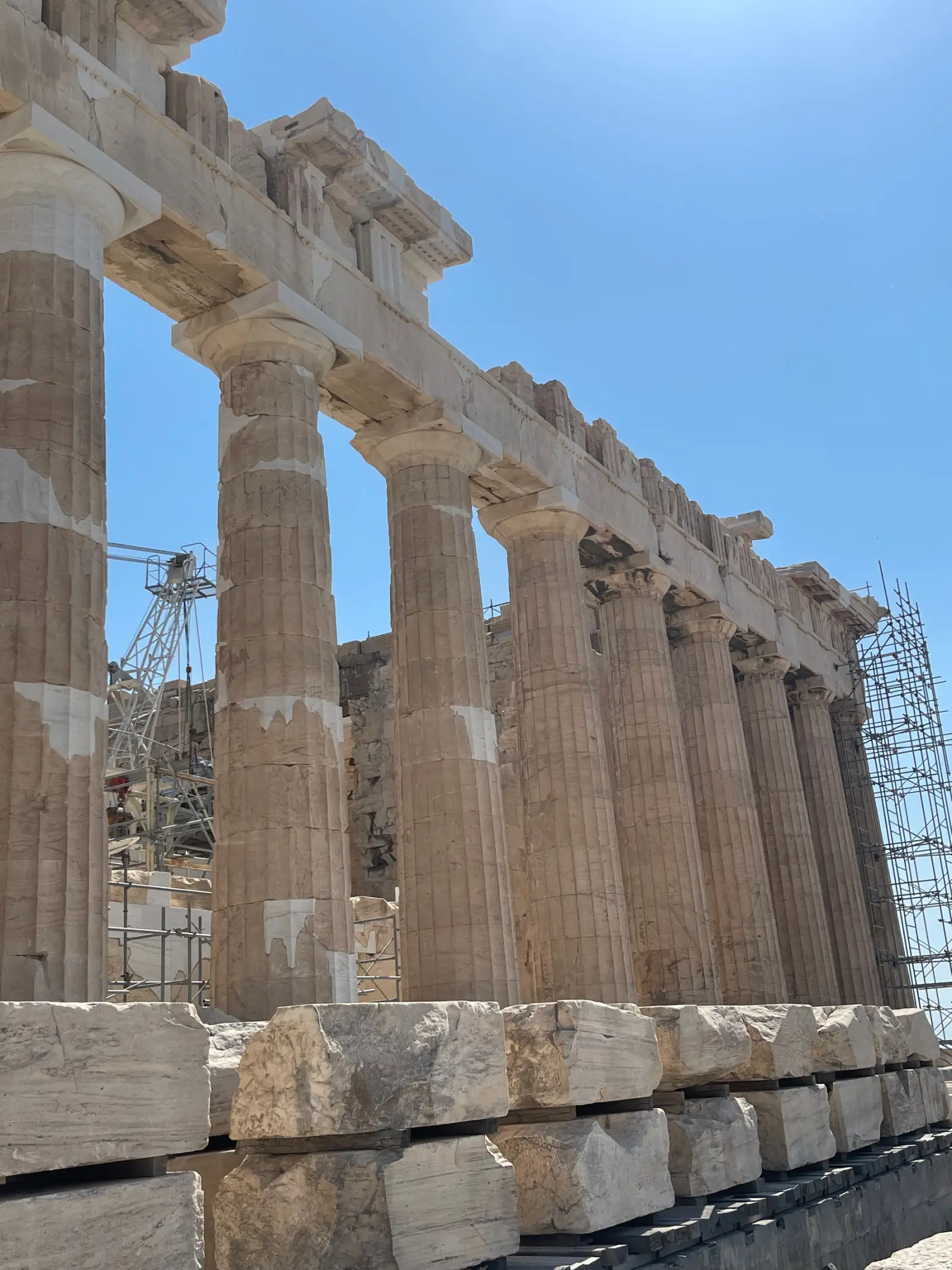
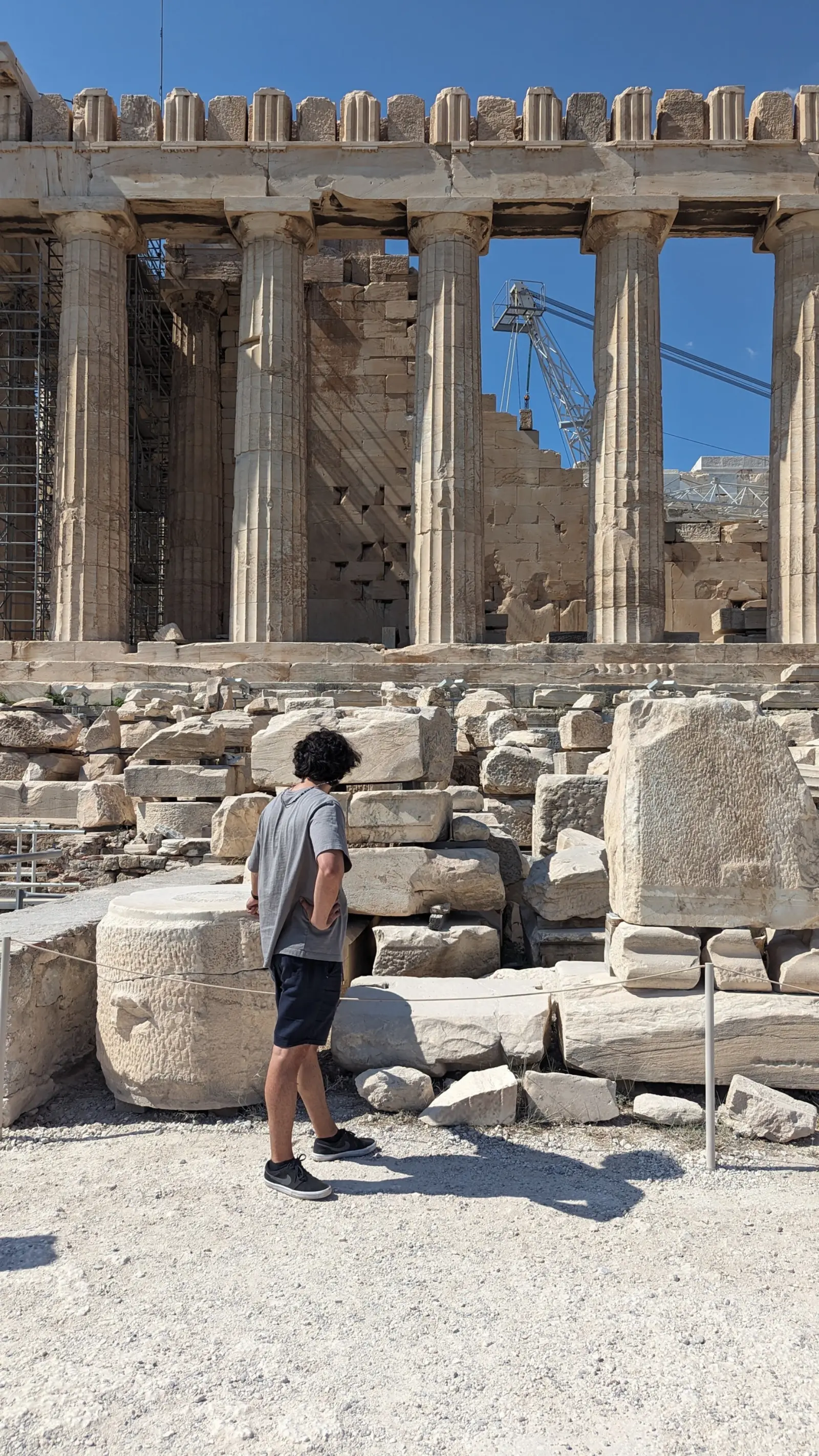
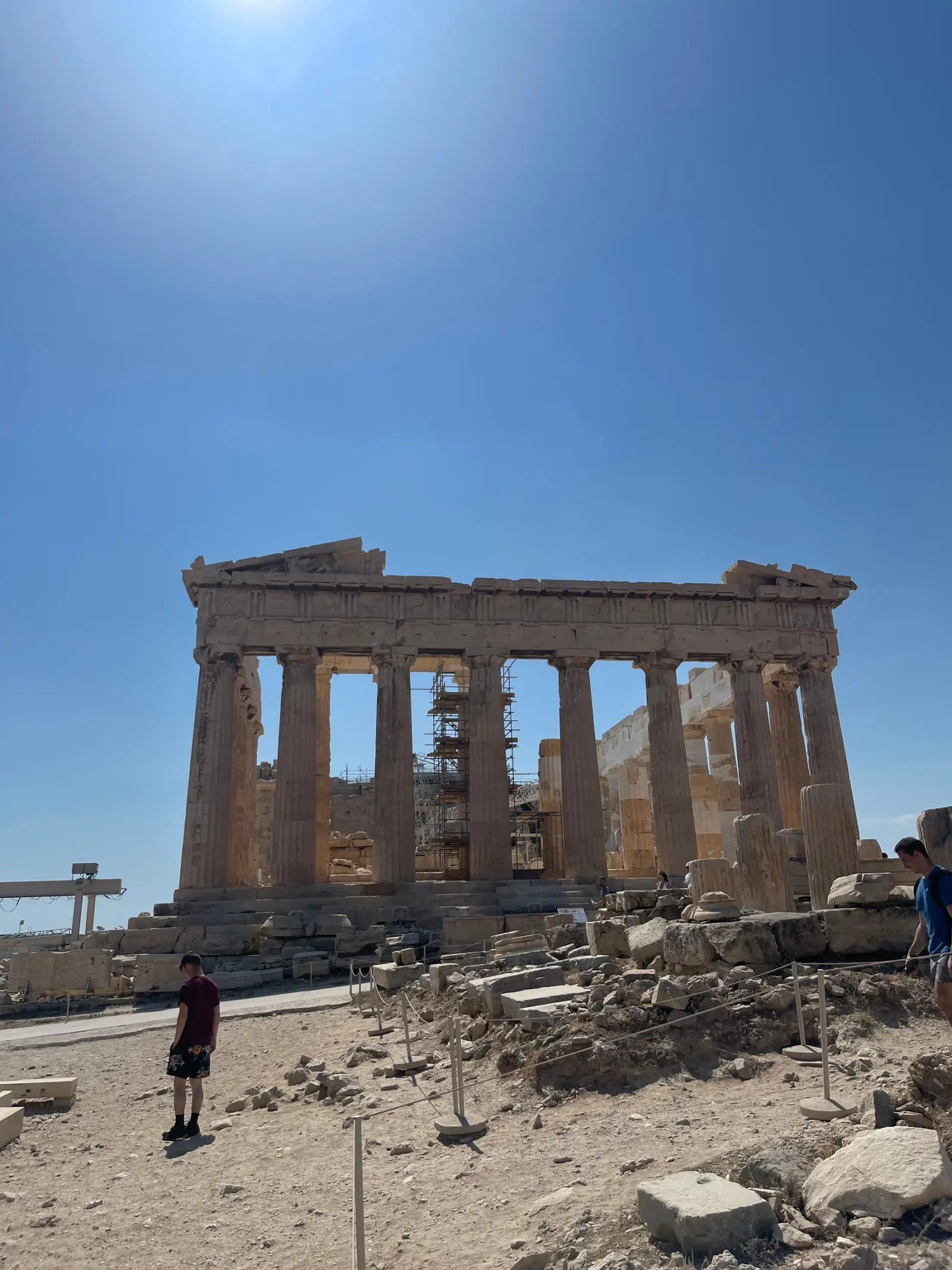
As you stand before the Parthenon, the pinnacle of Doric architecture, your guide unveils the structural marvels and artistic achievements that make it one of the most celebrated buildings in history. Learn about the Parthenon’s construction, its elaborate friezes depicting mythological scenes, and its significance as a symbol of Athenian democracy and culture.
4. Panoramic Views:
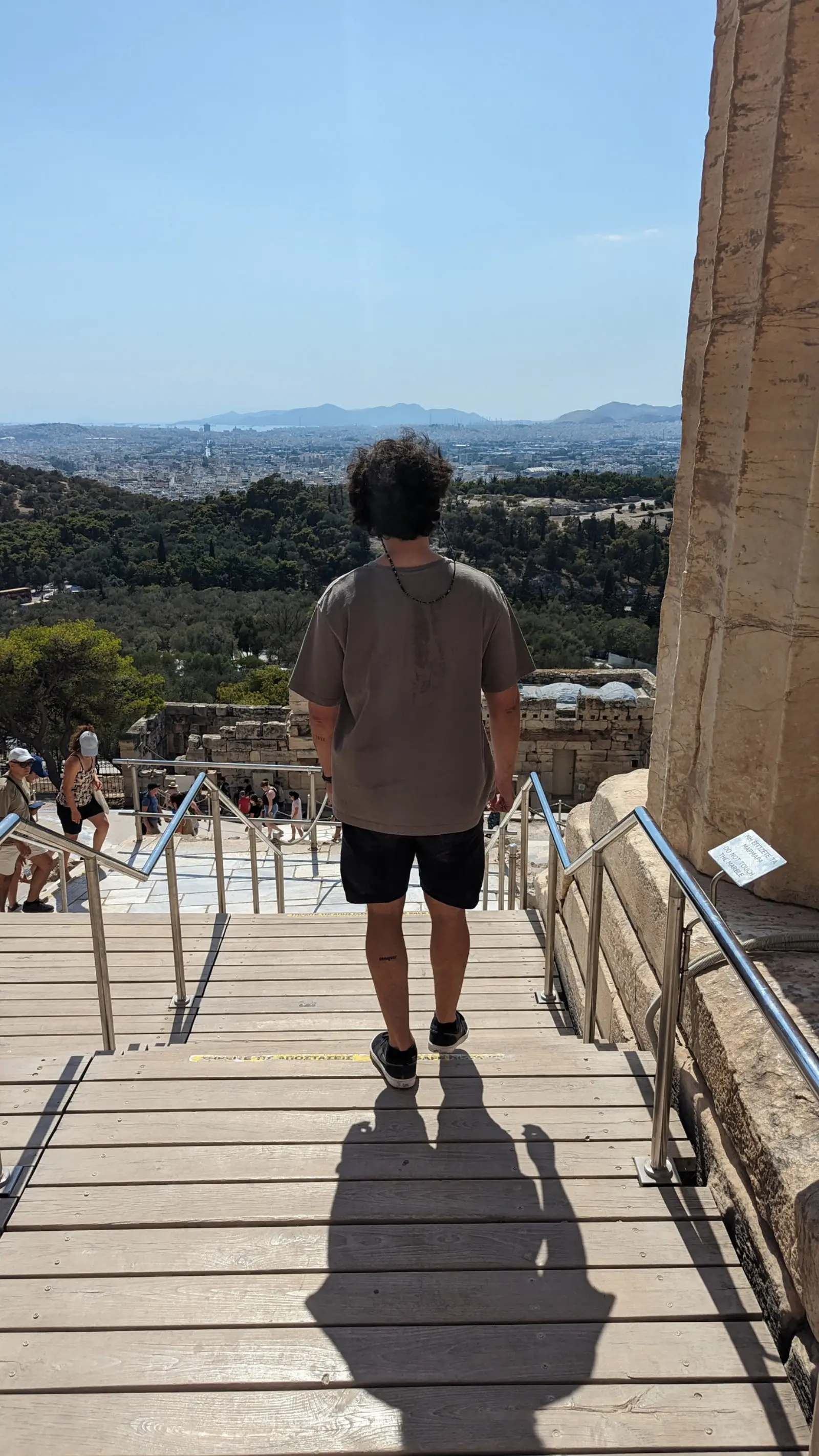
Amidst the ruins, take a moment to savor the breathtaking panoramic views of Athens below. Your guide explains how the strategic positioning of the Acropolis allowed it to serve as both a spiritual sanctuary and a defensive stronghold, a testament to the ingenuity of ancient city planning.

5. Theatre of Dionysus:
Your tour concludes at the Theatre of Dionysus, the birthplace of theater and a testament to the Greeks’ passion for the arts. Learn about the origins of tragedy and comedy and how these performances were an integral part of Athenian society.
Finding Moments of Tranquility:
Despite the crowds and the heat, there are ways to find moments of tranquility and reflection on the Acropolis. Exploring the site during the quieter hours of early morning or late afternoon can offer a more serene experience. Seek out the less crowded areas, such as the Theater of Dionysus, where you can sit and imagine the performances that once filled the air with drama and laughter.
Conclusion
Visiting the Acropolis in the summer demands a delicate balance between awe-inspiring exploration and thoughtful preparation. As you stand amidst the ancient stones, the significance of this archaeological wonder becomes even more poignant under the Mediterranean sun. So, arm yourself with sun protection, patience for the crowds, and a deep appreciation for the living history that envelopes you. The Acropolis in summer is an adventure that connects you to the past while inviting you to savor the vibrant present.
Practical Information
Getting there: The closest metro station is Akropoli (red line), a short walk from the main entrance on the south slope. You can also walk up from the Plaka and Monastiraki neighborhoods.
Tickets: The Acropolis uses timed entry slots, and tickets are sold online through the official Greek ticketing platform as well as at the site. Book in advance in summer, when the morning slots sell out quickly. Check current prices, opening hours and any combined ticket options before you go.
How long to stay: Plan around two to three hours for the hill itself, and more if you also visit the slopes and the theaters.
What to bring: Water, sun protection and shoes with good grip – the marble paths are worn smooth and can be slippery.
Don’t Miss the Acropolis Museum
At the foot of the hill, the Acropolis Museum is the perfect companion to your visit. It displays original sculptures and objects found on the Acropolis, including the original Caryatids from the Erechtheion (the ones on the hill today are copies). The top floor recreates the layout of the Parthenon frieze, with views up to the temple itself through the glass walls. Visiting the museum before or after the site helps you understand what you are looking at.
More to See Nearby
- Ancient Agora – The heart of public life in ancient Athens, with the well-preserved Temple of Hephaestus.
- Areopagus Hill – A rocky outcrop next to the Acropolis, popular for sunset views.
- Philopappos Hill – Wooded paths and one of the best views of the Parthenon.
- Plaka – The charming old neighborhood beneath the Acropolis, full of tavernas and shops.
FAQ
What is the best time to visit the Acropolis? Early morning at opening time or late afternoon, especially in summer, to avoid the heat and the biggest crowds.
Do I need to book Acropolis tickets in advance? It is highly recommended, especially in high season, as entry is by timed slot.
Is a guided tour worth it? Yes. A guide or audio guide brings the history and architecture to life.
Are the Caryatids on the Erechtheion original? No. The statues on the temple are copies; the originals are protected in the Acropolis Museum, with one in the British Museum in London.
How do I get to the Acropolis? Take the metro to Akropoli station and walk a few minutes to the entrance.