Walter Ponce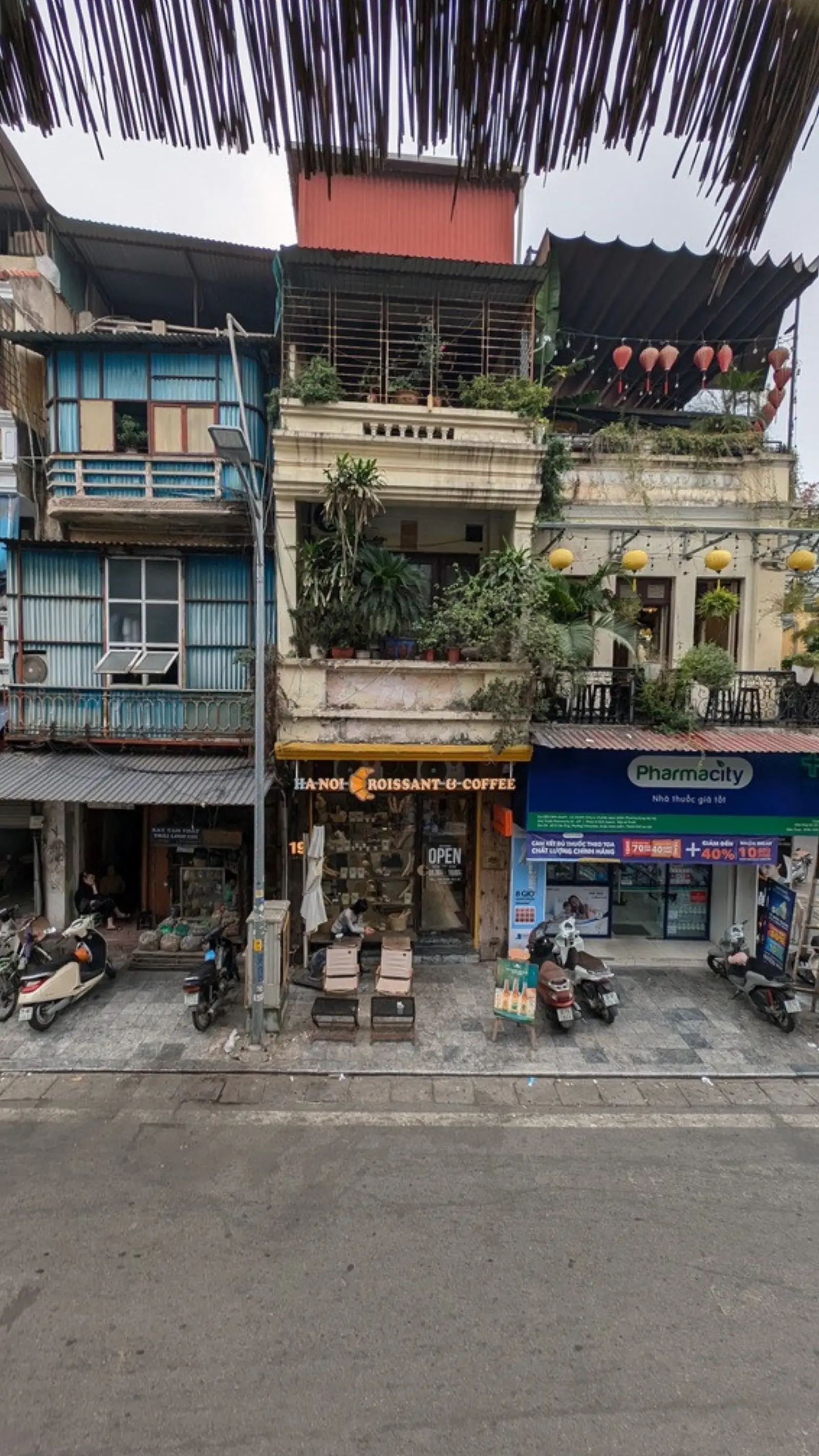
During my last trip to Hanoi, Vietnam, in November 2024, I had the chance to explore the city’s vibrant mix of history, culture, and modern-day charm. Hanoi is a city with rich history and incredible energy, but it’s also important to be prepared for a non-relaxing experience. The city is quite chaotic, densely populated, and full of motorbikes, which only adds to the already thick air. Motorbikes dominate the streets, weaving through traffic and even onto sidewalks while constantly honking to signal their presence.
There are no true pedestrian areas, meaning you’ll be sharing the same space with everything from street vendors to moving vehicles. Despite the intensity, Hanoi’s charm and cultural depth make it a must-visit destination.
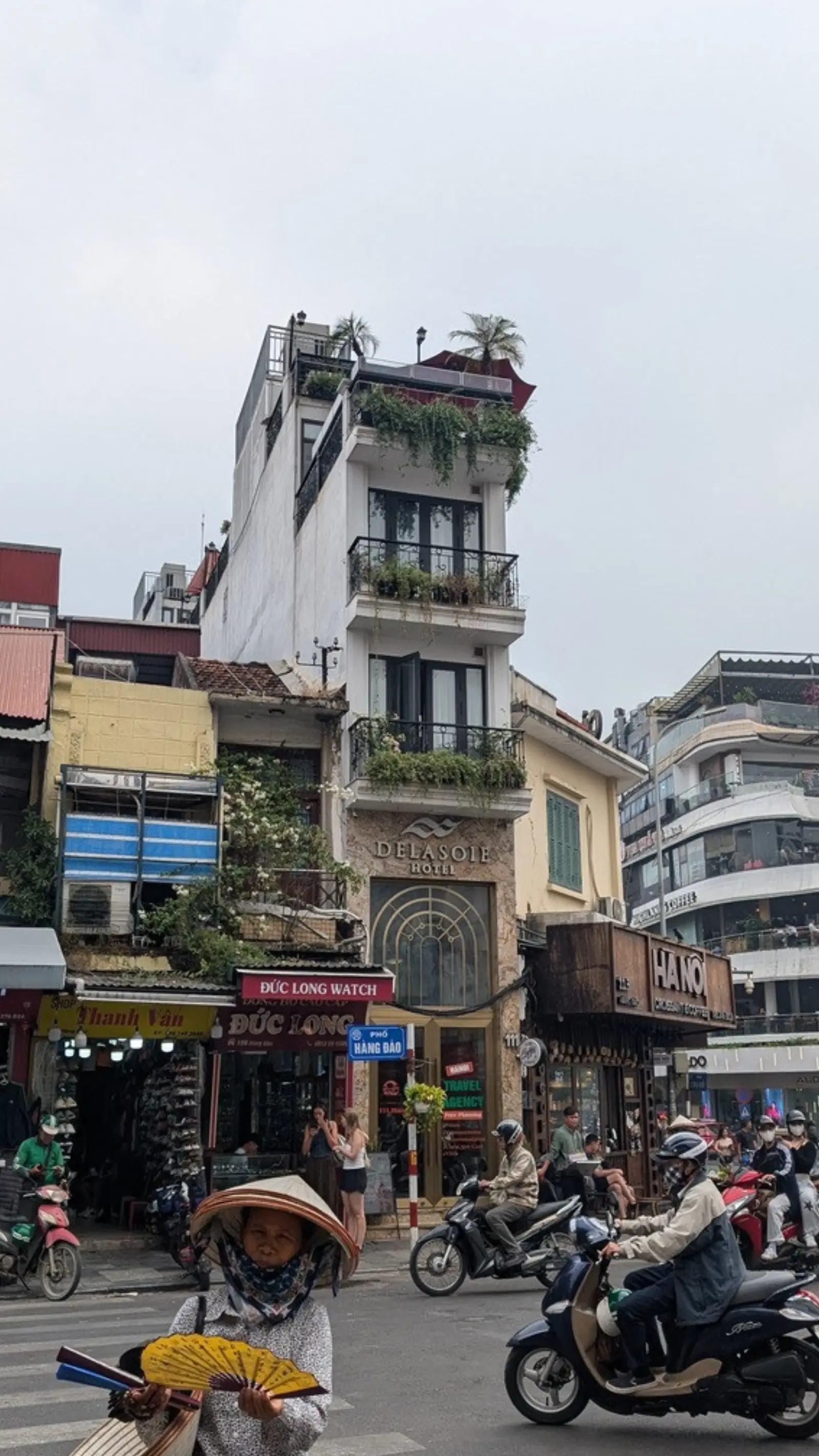
1. Temple of Literature – A Historical Gem
One of Hanoi’s most famous landmarks, the Temple of Literature, is a beautiful example of Vietnamese traditional architecture and home to the country’s first university. However, be sure to check if it’s a school day before visiting, as the site can get extremely crowded with students. If you go at the right time, you’ll be able to appreciate its peaceful courtyards, intricate stonework, and the strong connection to Vietnam’s scholarly past.
2. Hang Bông Road – A Shopper’s Paradise
For those who love exploring local streets, Hang Bông Road is a fantastic place to wander. This bustling street is lined with shops selling tailor-made clothing, silk, souvenirs, and art. It’s the perfect place to find a unique gift or have custom clothing made. Even if you’re not in the mood to shop, taking a stroll down this lively street is a great way to soak in Hanoi’s energetic atmosphere.
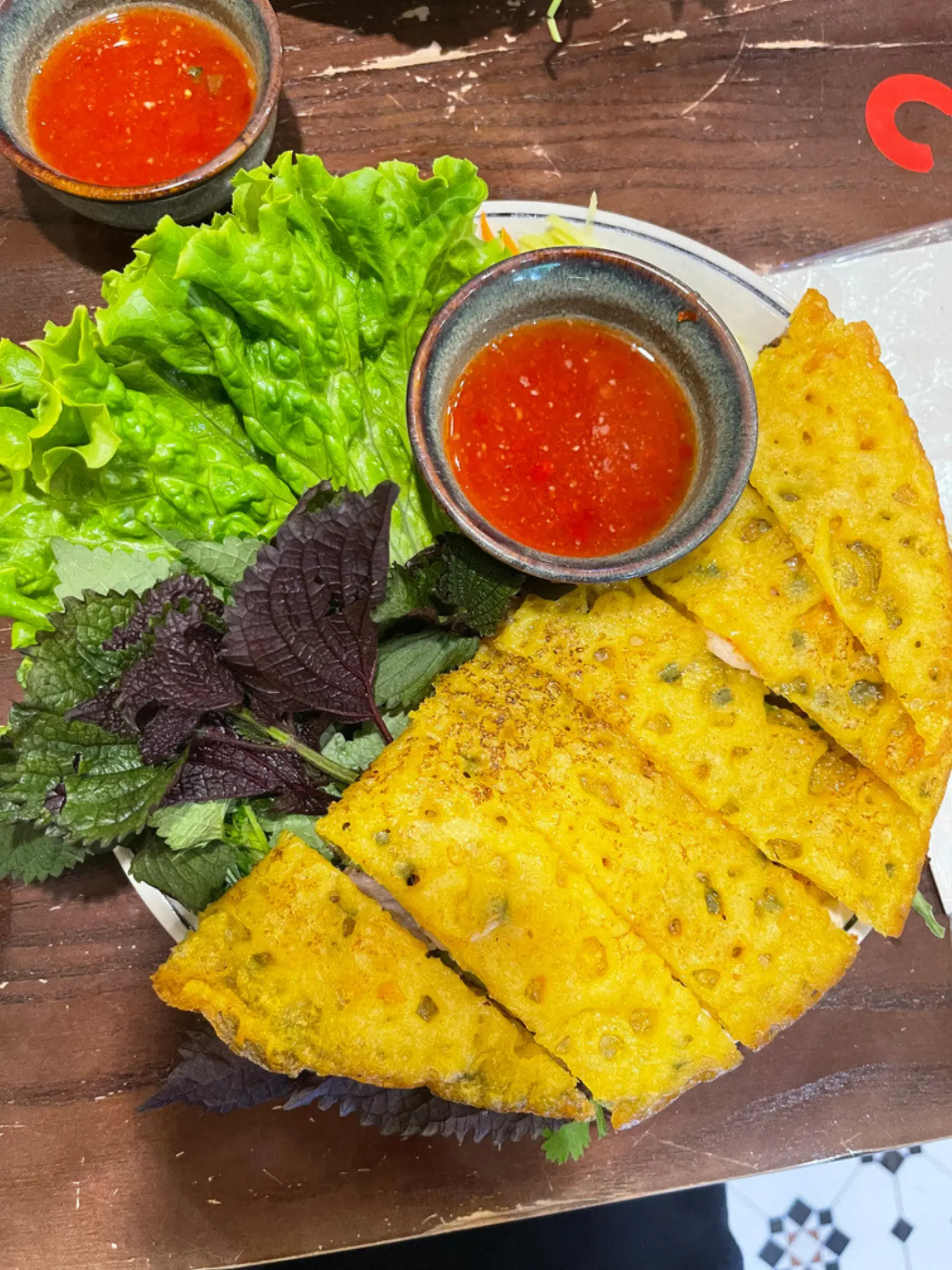
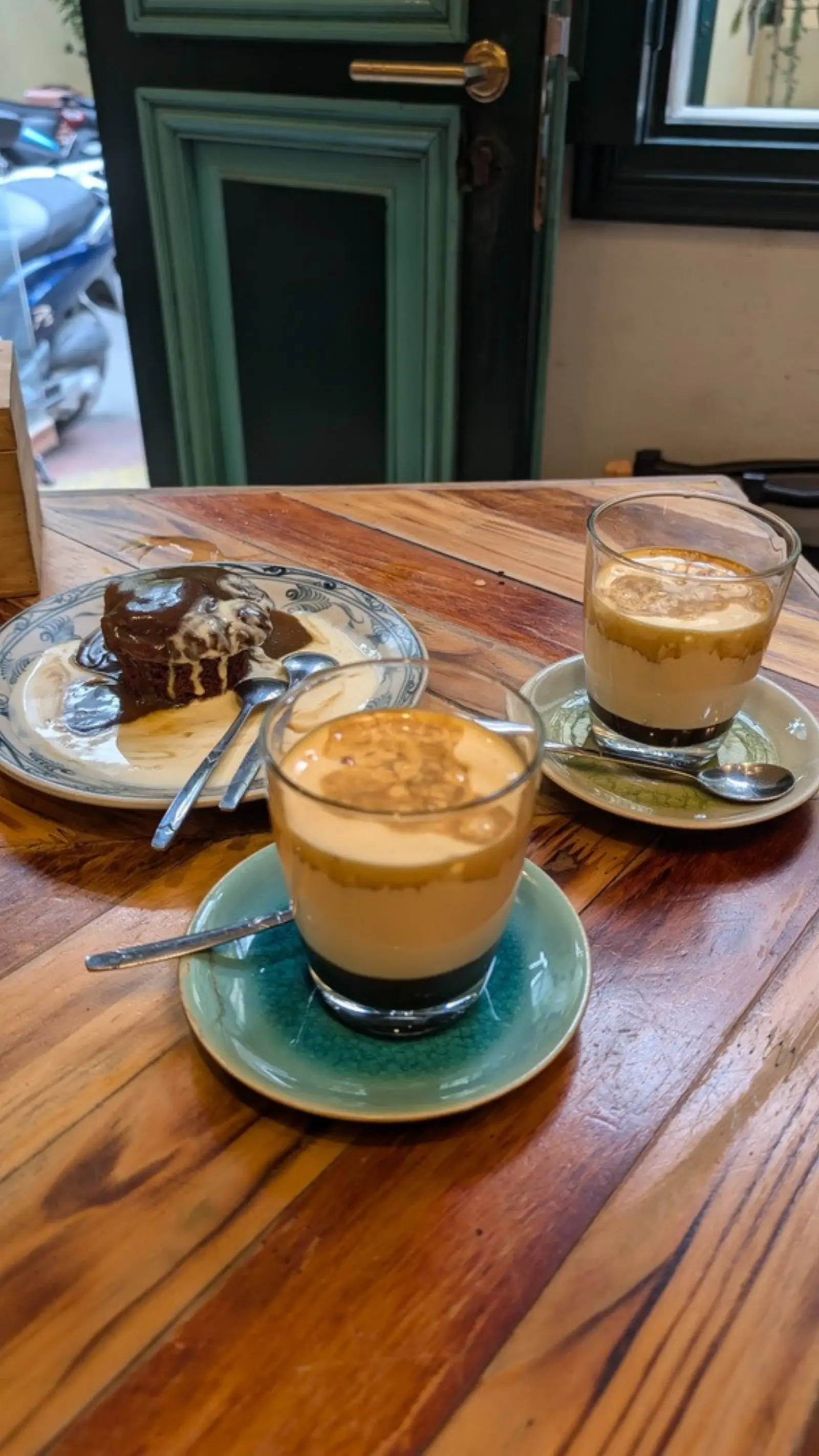
3. Hanoi’s Coffee Culture – A Must-Experience
Vietnam is famous for its coffee, and Hanoi’s café scene is something you don’t want to miss. I visited a few standout spots, and I highly recommend these two:
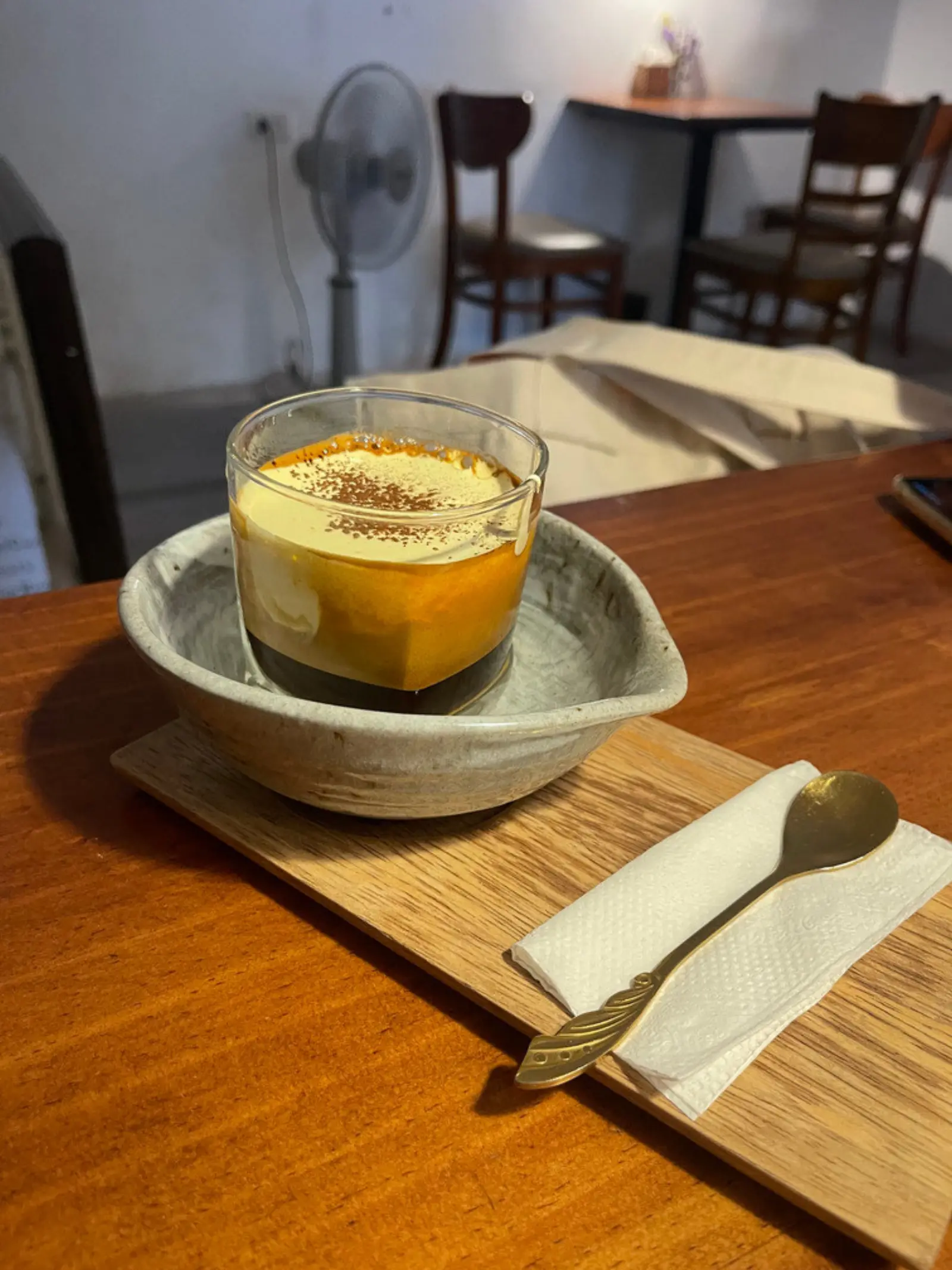
Ngô Quyền Café (14 P. Ngô Quyền, Phan Chu Trinh, Hoàn Kiếm, Hà Nội) – A cozy, lesser-known spot where you can enjoy a traditional Vietnamese egg coffee or a strong cà phê sữa đá (Vietnamese iced coffee with condensed milk).
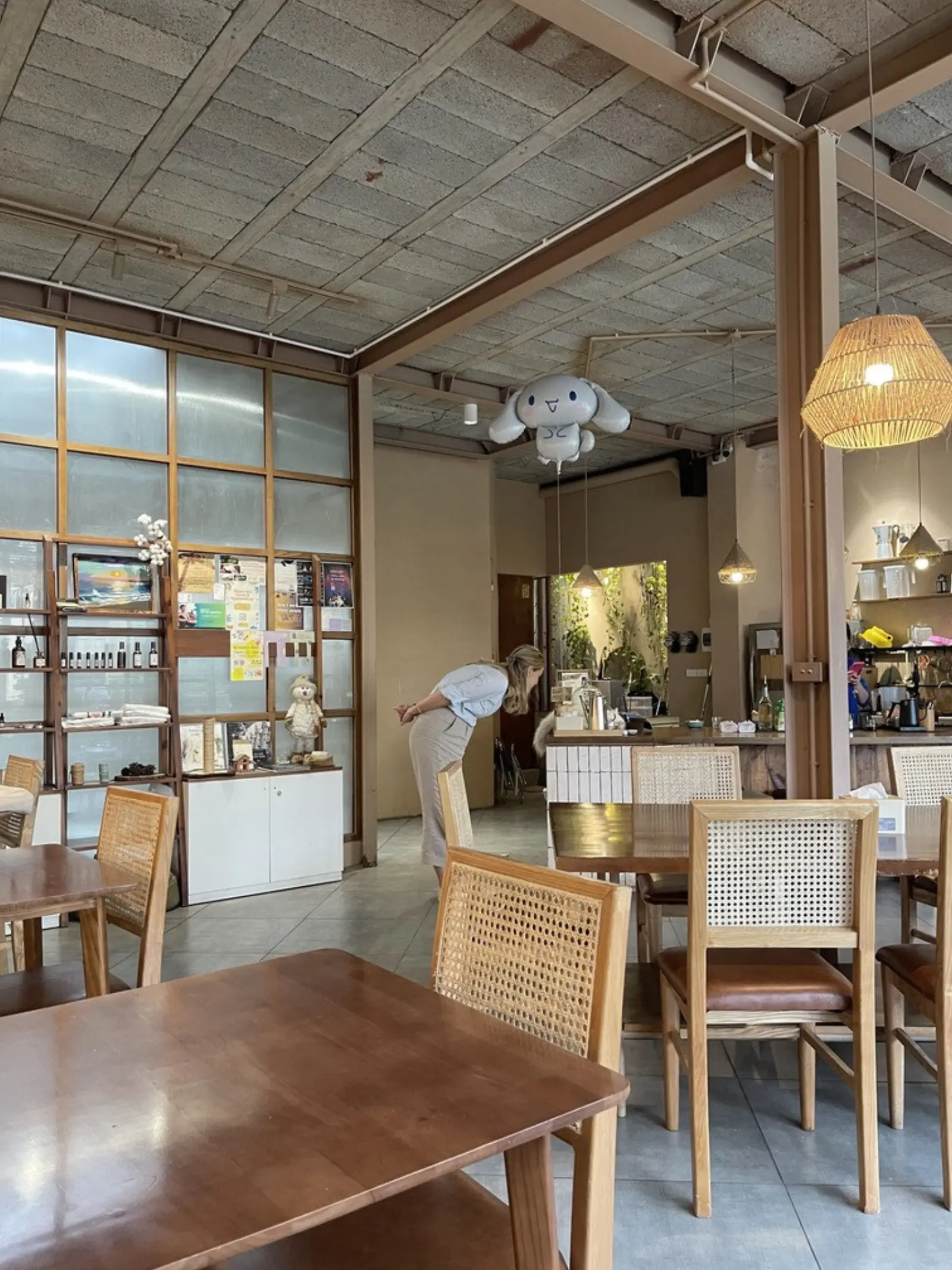
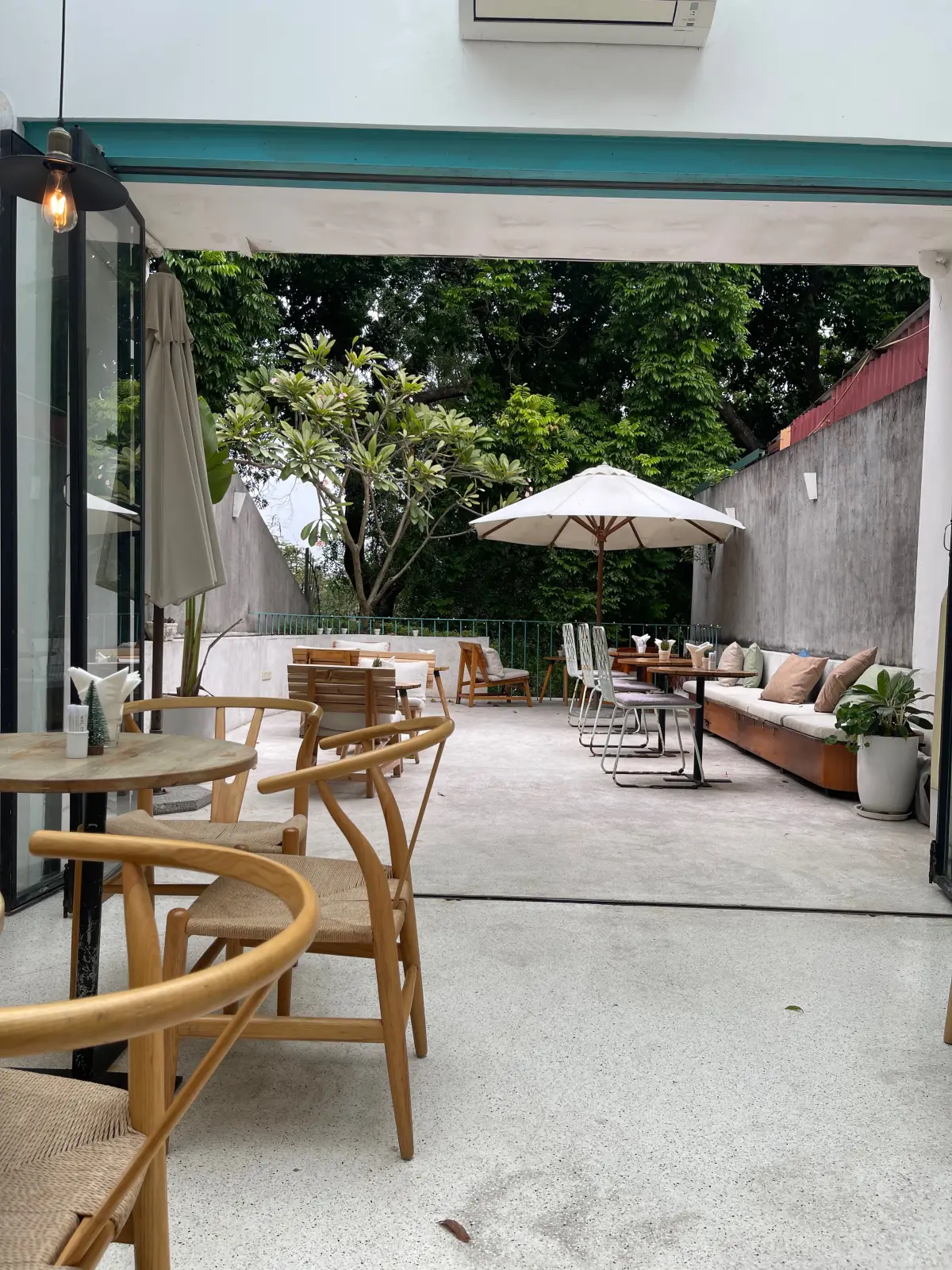
The Hanoi Social Club – A popular café with a laid-back vibe, delicious food, and a great selection of both Vietnamese and Western-style coffees.
4. Ho Chi Minh Mausoleum – An Important Landmark
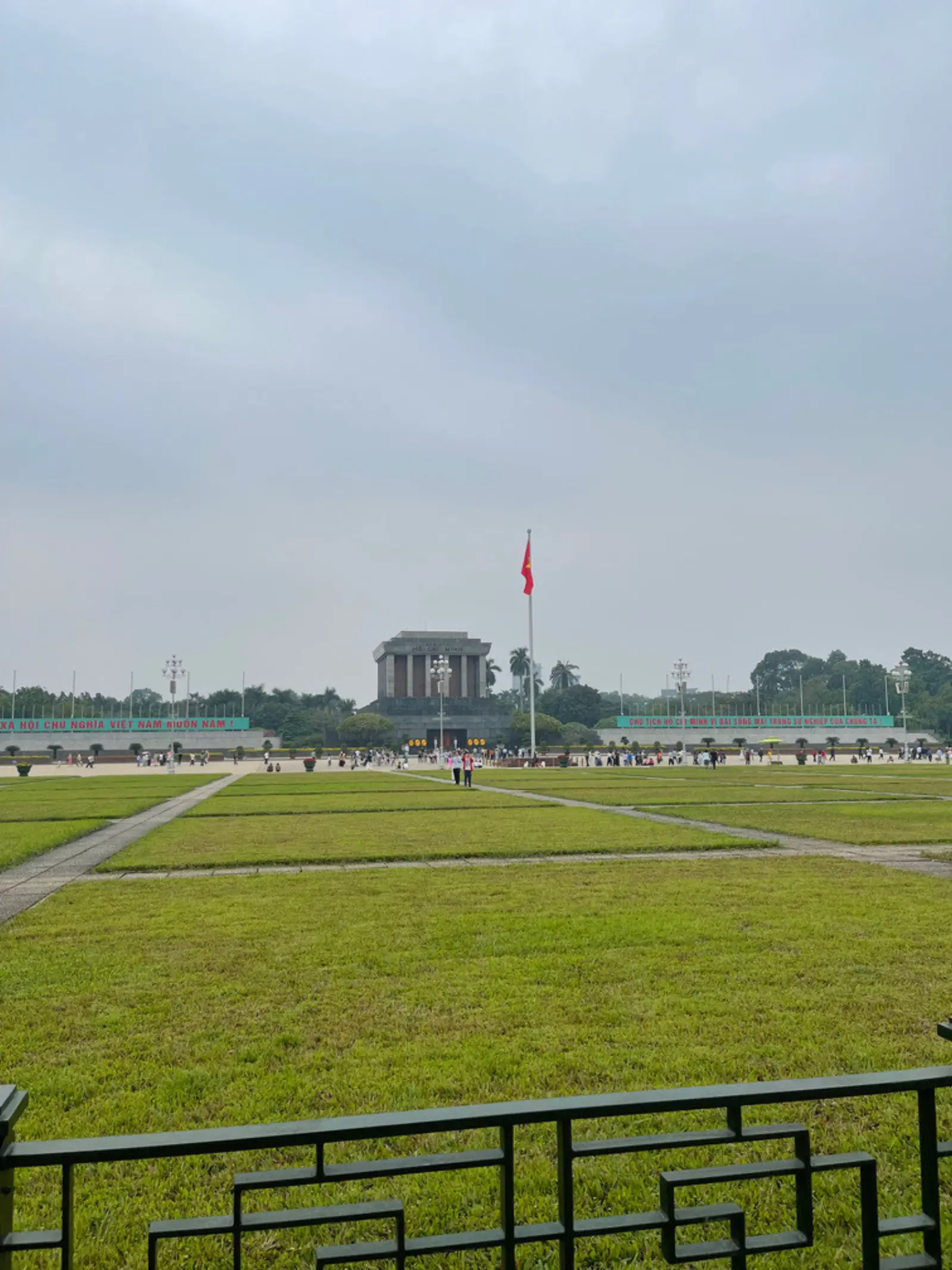
Visiting the Ho Chi Minh Mausoleum was quite an experience. While it’s historically significant, I didn’t find it particularly impressive compared to other landmarks in Hanoi. However, it’s still worth visiting to learn about Vietnam’s revolutionary leader and see the grand structure set in Ba Dinh Square. Be sure to check the opening hours, as it closes early in the day.
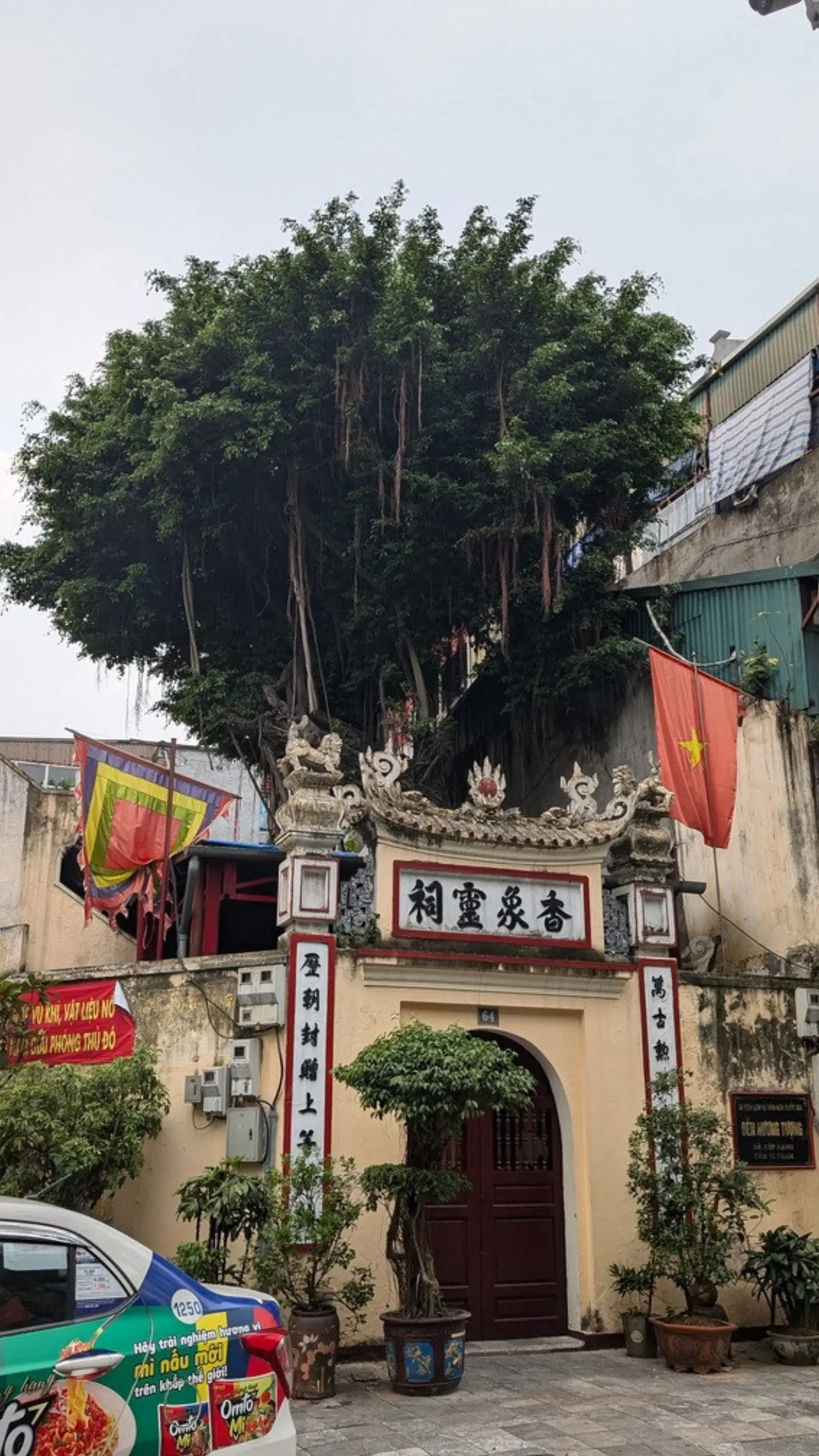
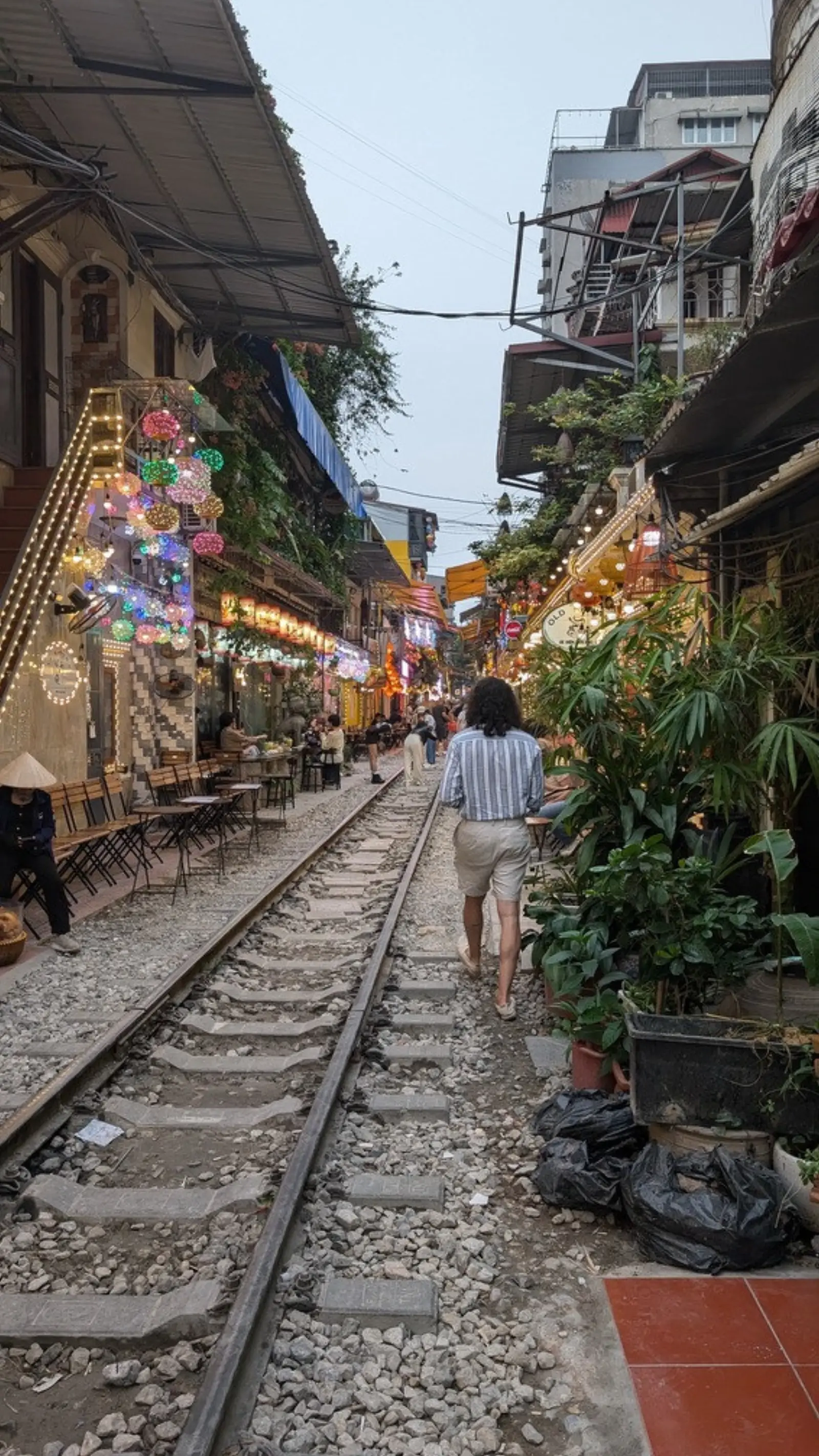
5. The Old Quarter – The Heart of Hanoi
No trip to Hanoi is complete without getting lost in the Old Quarter. This lively area is packed with narrow streets, street food vendors, markets, and historic buildings. It’s a place where you can feel the pulse of the city, whether you’re trying a steaming bowl of pho, shopping for souvenirs, or just enjoying the sights and sounds of everyday Hanoi life. Be prepared for the chaos, as motorbikes fill every available space, often making walking an adventure of its own.
6. Hoàn Kiếm Lake – A Scenic Escape
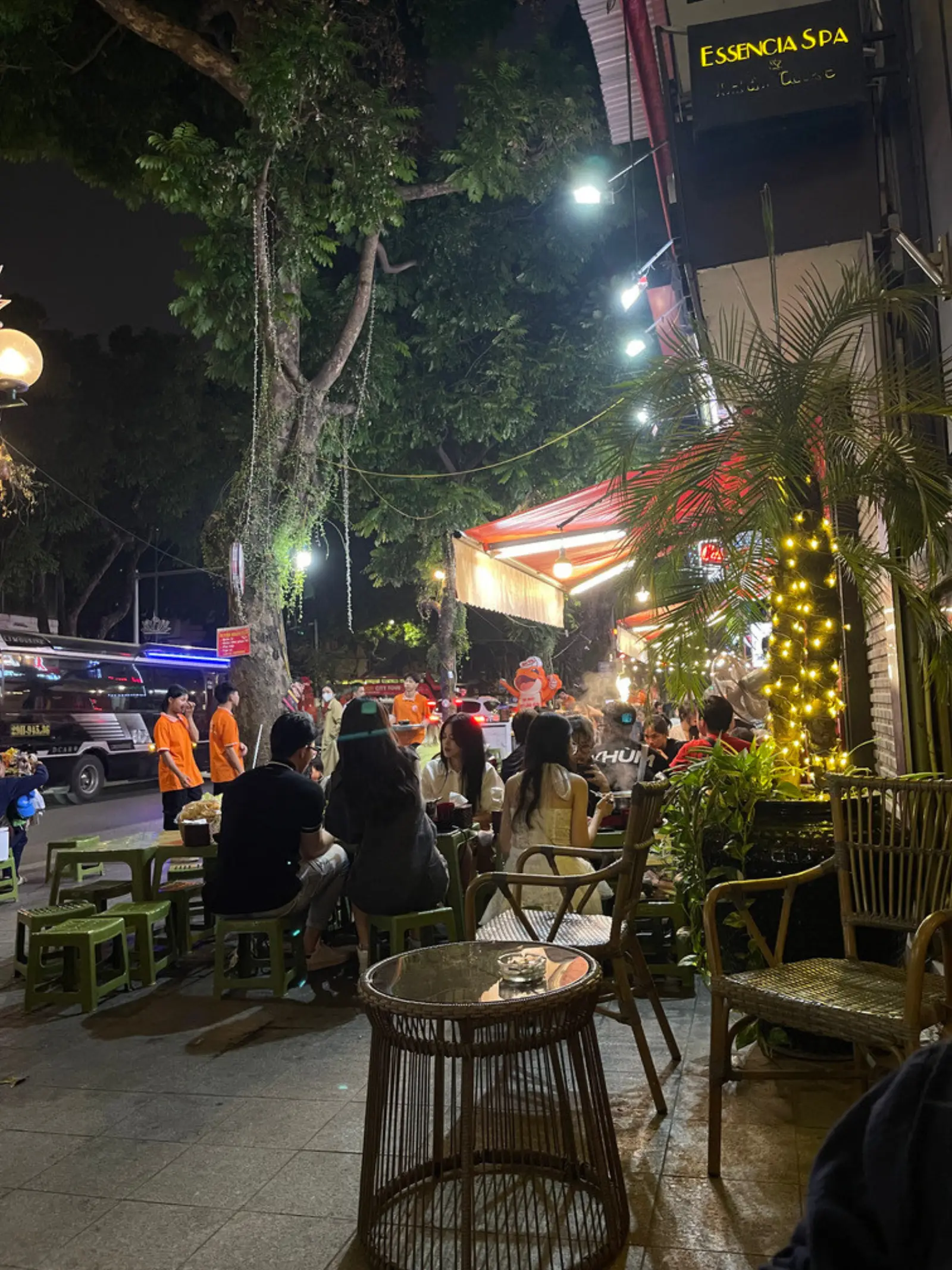
Located in the center of the city, Hoàn Kiếm Lake offers a peaceful retreat from the chaos of Hanoi’s streets. It’s a great place for a morning walk, and the Ngoc Son Temple, located on a small island in the lake, is worth a quick visit. In the evening, the lake area comes alive with street performances, vendors, and a lively atmosphere.
Final Thoughts
Hanoi is a city full of contrasts, where ancient traditions meet modern life, and quiet temples coexist with bustling streets. However, it’s also a place where you need to be prepared for crowds, noise, and motorbike-filled streets. Whether you’re exploring historical sites, sipping coffee in a hidden café, or getting lost in the vibrant Old Quarter, there’s something for everyone. My November 2024 trip gave me a deeper appreciation for this dynamic city, and I highly recommend experiencing it for yourself, just be ready for a fast-paced, non-stop adventure.
How to Cross the Street in Hanoi
Crossing the road is one of the first challenges for visitors. The local technique is simple:
- Walk slowly and steadily. Motorbikes will flow around you as long as you are predictable.
- Don’t stop suddenly or run. Sudden movements are what cause problems.
- Make eye contact with drivers when you can.
- Use pedestrian crossings and traffic lights where they exist, but keep watching, as not everyone stops.
Getting Around
- Grab: The most popular ride-hailing app in Vietnam, for both cars and motorbike taxis. Prices are shown before you book.
- Walking: The Old Quarter and the area around Hoàn Kiếm Lake are best explored on foot.
- From the airport: Noi Bai International Airport is around 45 minutes to an hour from the centre, depending on traffic.
What to Eat in Hanoi
Hanoi is one of the great street food cities in Asia. Look out for:
- Phở: The famous noodle soup. Hanoi-style phở is usually lighter and clearer than the southern versions.
- Bún chả: Grilled pork patties and slices served with rice noodles, herbs and a sweet-sour dipping sauce.
- Bánh mì: The Vietnamese baguette, filled with meats, pâté, pickles and herbs.
- Chả cá: Turmeric fish fried with dill and spring onions, a Hanoi speciality.
- Bánh cuốn: Steamed rice rolls filled with pork and mushrooms, often eaten for breakfast.
- Egg coffee (cà phê trứng): Coffee topped with a thick, sweet whipped egg-yolk cream, invented in Hanoi.
Day Trips from Hanoi
- Hạ Long Bay: A UNESCO World Heritage Site with thousands of limestone islands. Most visitors take an overnight or day cruise.
- Ninh Bình: Often called “Hạ Long Bay on land”, with rice fields, rivers and karst mountains. Tràng An and Tam Cốc are popular boat trips.
- Sa Pa: A mountain town in the north, known for rice terraces and trekking. It is further away and better as a multi-day trip.
Best Time to Visit
Hanoi has four seasons, unlike the south of Vietnam:
- Autumn (September to November): Often considered the best time, with mild temperatures and lower humidity.
- Spring (March to April): Pleasant, though it can be drizzly.
- Summer (May to August): Hot, humid and rainy.
- Winter (December to February): Cool and grey, sometimes surprisingly cold.
Practical Tips
- Currency: The Vietnamese đồng (VND). Cash is still widely used at street stalls and small shops.
- Visas: Entry rules change, so check the current visa requirements for your nationality before travelling.
- Air quality: Hanoi can have poor air quality at certain times of year. Check the forecast and consider a mask if you are sensitive.
- Dress respectfully when visiting temples and the mausoleum, with shoulders and knees covered.
More photos
FAQ
Is Hanoi safe for tourists? Generally yes. The main risks are traffic and petty theft, so watch your bag and phone on busy streets.
How many days do you need in Hanoi? Two or three days are enough for the main sights, plus extra time for day trips.
What is the best area to stay in? The Old Quarter and the area around Hoàn Kiếm Lake are the most convenient for first-time visitors.
Can I visit the Ho Chi Minh Mausoleum every day? Opening days and hours are limited and it closes for maintenance periods, so check before you go.
What is Hanoi famous for? Its Old Quarter, street food, coffee culture, lakes and French colonial architecture.