Walter Ponce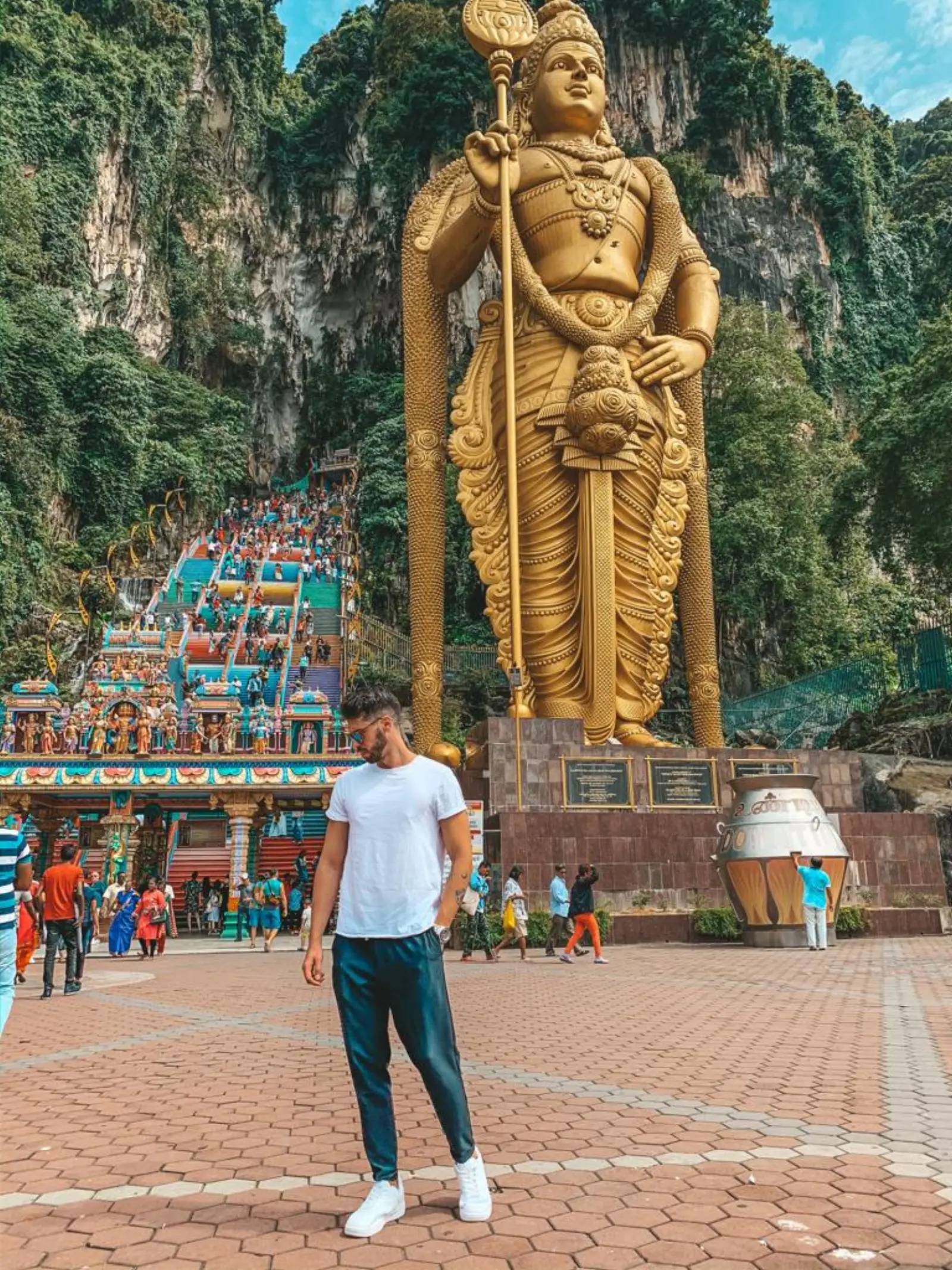
The Batu Caves Temple stands as a testament to Malaysia’s rich cultural heritage and religious diversity. Situated just 13 kilometers north of Kuala Lumpur, this iconic Hindu shrine is a must-visit destination for travelers seeking to immerse themselves in the country’s vibrant spiritual landscape.
Discovered in 1878, the Batu Caves are a natural marvel, with the main cave, known as the Cathedral Cave, being the focal point of the site. As I embarked on my journey to explore this sacred site a few years ago, I was filled with anticipation and awe. It was a pilgrimage of sorts, a chance to witness firsthand the grandeur of one of the largest Hindu shrines outside of India.
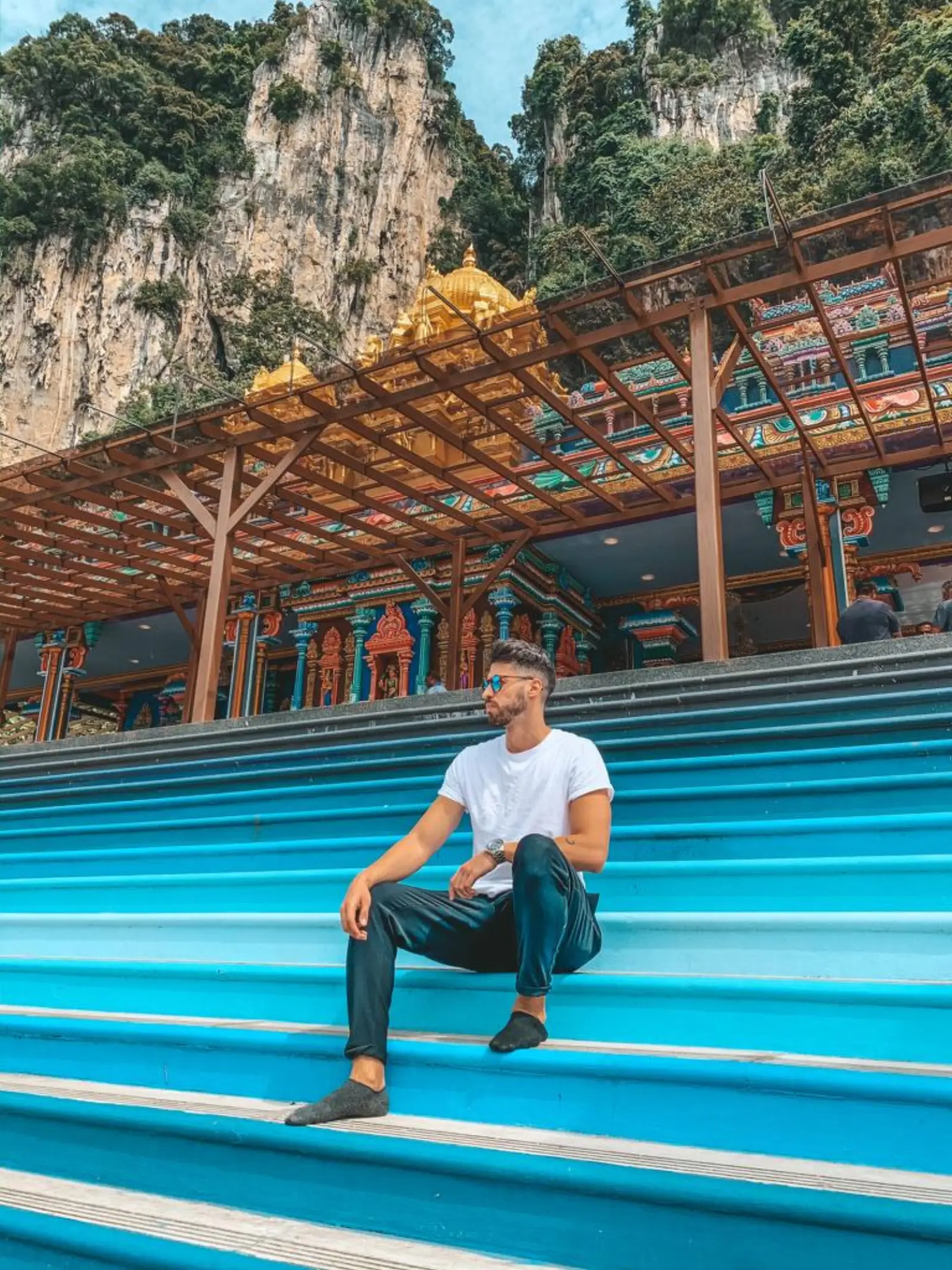
Upon arrival, the sheer magnitude of the Cathedral Cave became apparent as I gazed up at its towering stalactites, some as large as a person. To reach the top, visitors must ascend 272 steps, a journey that is both physically challenging and spiritually rewarding. Along the way, mischievous macaques darted about, adding a touch of liveliness to the climb.
Before delving into the details of my visit, let’s take a closer look at what makes the Batu Caves such a remarkable destination:
**1. Location: **Situated in the heart of Malaysia, the Batu Caves are a mere stone’s throw away from Kuala Lumpur, making them easily accessible to visitors from around the world.
2. Cultural Significance: Dedicated to the Hindu god Murugan, the Batu Caves hold immense religious importance for devotees and pilgrims alike. The towering golden statue of Lord Murugan, standing at 43 meters tall, serves as a majestic symbol of devotion and faith.
**3. Historical Insights: **Dating back to 1860, the Batu Caves have witnessed centuries of worship and reverence, offering a glimpse into Malaysia’s rich past and cultural heritage.
4. Natural Beauty: Beyond its religious significance, the Batu Caves are a natural wonder, with awe-inspiring limestone formations and cavernous chambers that evoke a sense of wonder and awe.
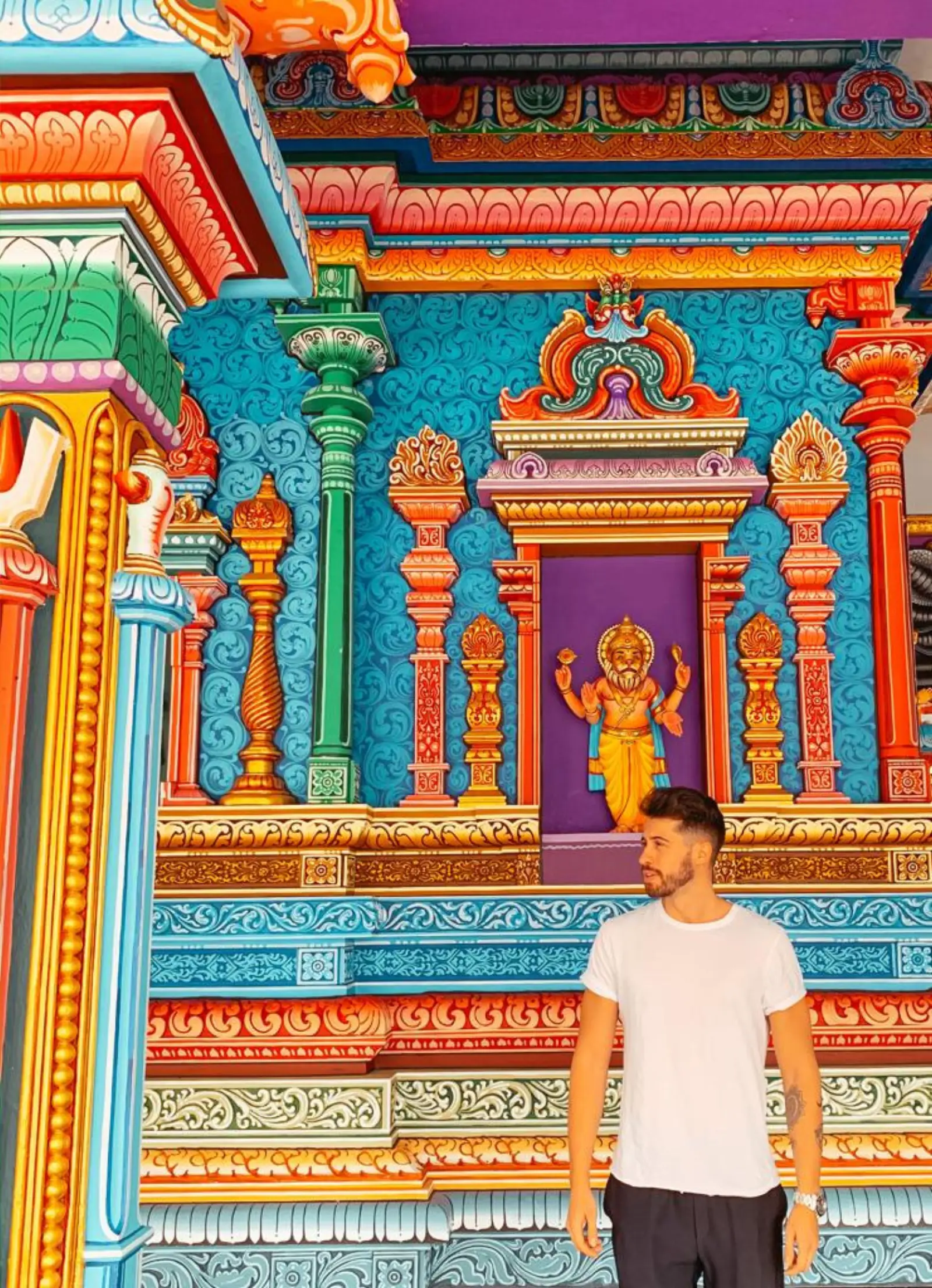
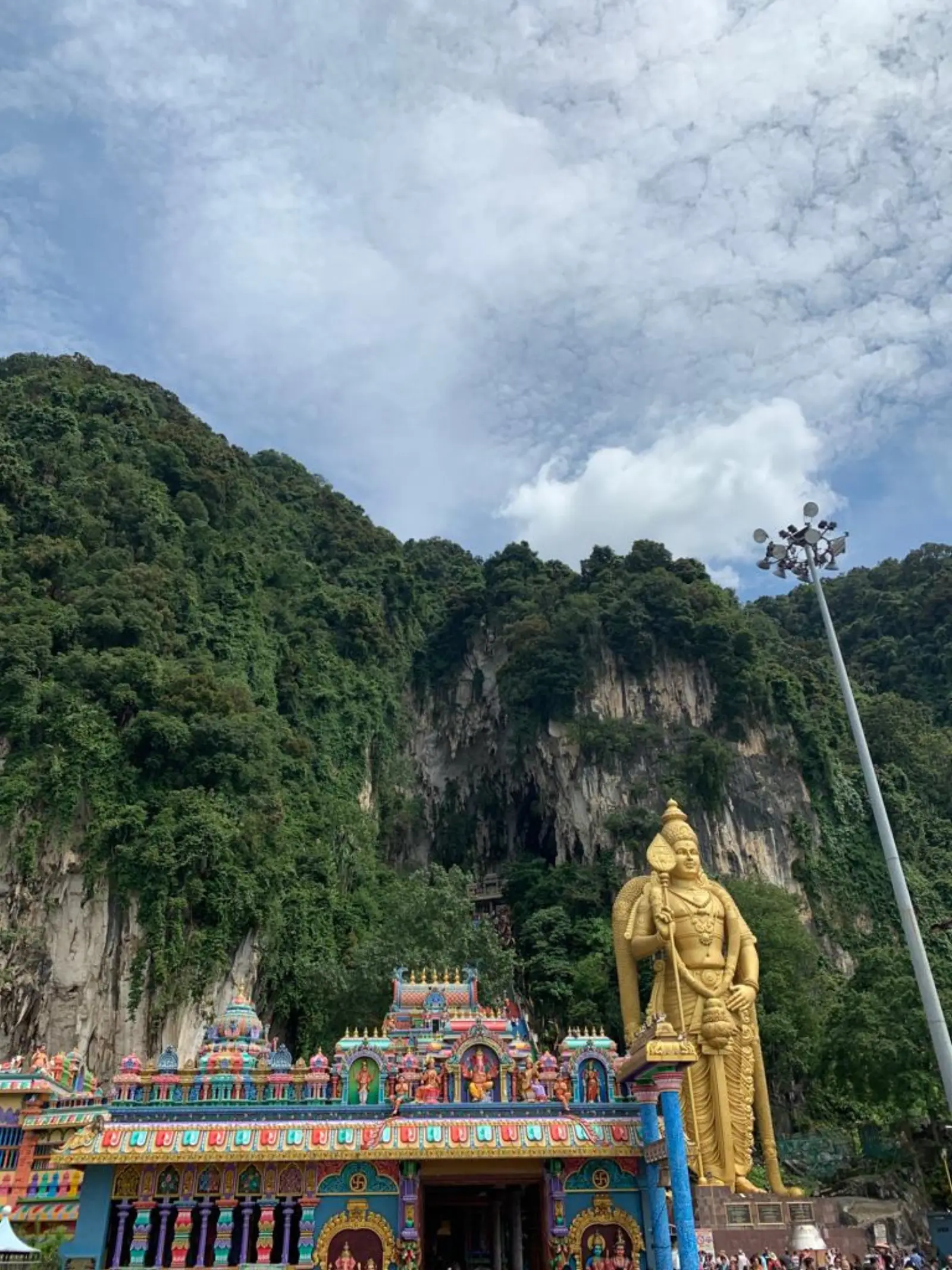
As I explored the different caves within the complex, each offered its own unique charm and significance:
Temple Cave (Main Cave): The heart of the Batu Caves, this cavernous chamber is adorned with colorful statues and intricate carvings, creating a mesmerizing ambiance that is both spiritual and enchanting.
Ramayana Cave: Guarded by the monkey god Hanuman, this cave tells the epic tale of the Ramayana through stunning statues and dioramas, offering visitors a glimpse into Southeast Asia’s rich mythology.
Cave Villa: While advertised as an opportunity to see reptiles and animals, I chose not to enter this cave due to concerns about animal welfare and exploitation.
Dark Cave: The largest cave in the complex, the Dark Cave offers a unique adventure for thrill-seekers, with its labyrinthine passages and resident bat population.
In terms of practical information, the Batu Caves are open daily from 6 a.m. to 9 p.m., with early mornings being the best time to avoid crowds. Accessibility is easy, with public transportation options available from Kuala Lumpur for less than one euro.
In conclusion, my visit to the Batu Caves was a truly unforgettable experience, filled with awe-inspiring sights and spiritual insights. Whether you’re a history buff, nature lover, or religious pilgrim, the Batu Caves offer something for everyone, making them a must-visit destination in Kuala Lumpur.
Thaipusam: The Biggest Festival at Batu Caves
Batu Caves is the centre of Malaysia’s Thaipusam celebrations, one of the largest Hindu festivals outside India. Thaipusam honours Lord Murugan and takes place in the Tamil month of Thai, usually in January or February. Every year, huge crowds of devotees and visitors gather at the site.
During the festival, many devotees carry a kavadi, an offering or decorated frame carried as an act of devotion and gratitude, and walk up the steps to the Temple Cave. The procession often starts the night before in central Kuala Lumpur. It is an impressive cultural event to witness, but expect very large crowds, road closures and busy trains. If you prefer a calmer visit, avoid the festival days.
The Colourful Staircase
The 272 steps leading up to the Temple Cave were painted in bright rainbow colours in 2018, and they quickly became one of the most photographed spots in Malaysia. The climb is steep, so take it slowly, especially in the heat, and use the handrails.
Tips for Visiting Batu Caves
- Dress modestly. As it is an active place of worship, cover your shoulders and knees. Wraps or sarongs are usually available near the entrance if needed.
- Watch out for the monkeys. The long-tailed macaques are used to people and can grab food, drinks, sunglasses or bags. Keep snacks out of sight and don’t feed them.
- Bring water and wear comfortable shoes. The climb is tiring in the tropical heat.
- Remove your shoes where required. Some shrines ask visitors to enter barefoot.
- Be respectful during prayers. Keep your voice down and ask before photographing worshippers.
- Check what is open. Some caves and tours, such as the Dark Cave, have had limited or suspended access at times, and entry fees can apply to certain areas. Confirm before you go.
Opening hours and prices can change, so check the latest information before your visit.
How to Get to Batu Caves From Kuala Lumpur
- KTM Komuter train: the easiest and cheapest option. Trains run from KL Sentral to Batu Caves station, which is right next to the temple complex.
- Grab or taxi: convenient if you are travelling in a group or want to combine the visit with other stops.
- Tours: many day tours from Kuala Lumpur combine Batu Caves with other attractions around the city.
The journey from the city centre usually takes under an hour, depending on traffic and train times.
What Else to See in Kuala Lumpur
If you are visiting Batu Caves, you can easily plan the rest of your day around other highlights:
- Petronas Twin Towers: the iconic towers with their skybridge and observation deck.
- Merdeka Square: the historic heart of the city, with colonial-era buildings.
- Chinatown and Petaling Street: full of street food, markets and temples such as Sri Mahamariamman Temple.
- Little India (Brickfields): with Indian restaurants, spice shops and colourful streets.
- Perdana Botanical Gardens: a large green park near the Islamic Arts Museum.
- Jalan Alor: a street famous for its evening food stalls.
Best Time to Visit
Kuala Lumpur is hot and humid all year, with rain showers that often come in the afternoon. The best time of day to visit Batu Caves is early morning, when it is cooler and less crowded. If you are interested in culture, plan your trip around Thaipusam. If you prefer quiet, choose a weekday outside festival periods.
FAQ
How many steps are there at Batu Caves?
There are 272 steps leading up to the Temple Cave.
How tall is the Lord Murugan statue?
The golden statue stands about 43 metres tall and is one of the tallest Murugan statues in the world.
Is there a dress code?
Yes. Cover your shoulders and knees, as Batu Caves is an active Hindu temple.
How do I get to Batu Caves by public transport?
Take the KTM Komuter train from KL Sentral to Batu Caves station, which is next to the site.
When is Thaipusam?
It usually falls in January or February, following the Tamil calendar. Check the exact date for the year you plan to visit.