Walter Ponce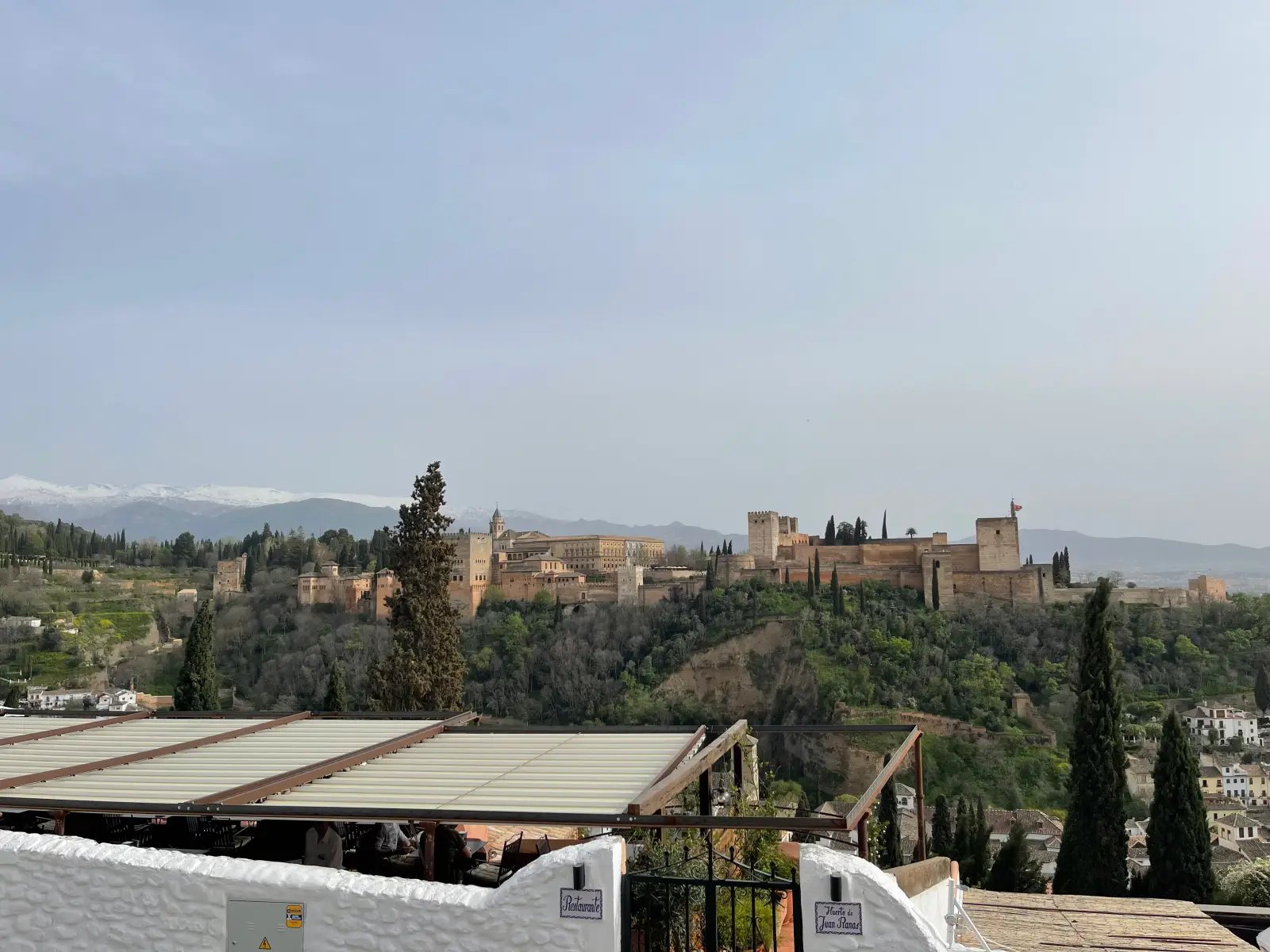
Last month we did a week in Andalusia: three days in Seville, then on to Granada for three more. Most people come to Granada for one thing, the Alhambra, and it deserves it (I wrote a separate guide to visiting the Alhambra). But the city around it is just as good.
This is how to spend three days in Granada, from the Alhambra to the neighbourhoods most visitors only walk through.
Three days in Granada at a glance
- Day 1: the Alhambra and the Generalife, then the Carrera del Darro at sunset.
- Day 2: the Albaicín and Sacromonte, sunset at a viewpoint, tapas in the evening.
- Day 3: the Cathedral, the Royal Chapel, the Alcaicería and the Realejo.
Day 1: The Alhambra and the Generalife
We did the Alhambra on our first day, and I would recommend that order: it is the reason you came, and once it is done you can enjoy the rest of the city without watching the clock.
Book tickets weeks ahead, especially in spring and autumn. The Nasrid Palaces have a strict timed entry, so plan the rest of the visit around your slot. Buy only from the official Alhambra website or authorised sellers; resellers charge a lot more.
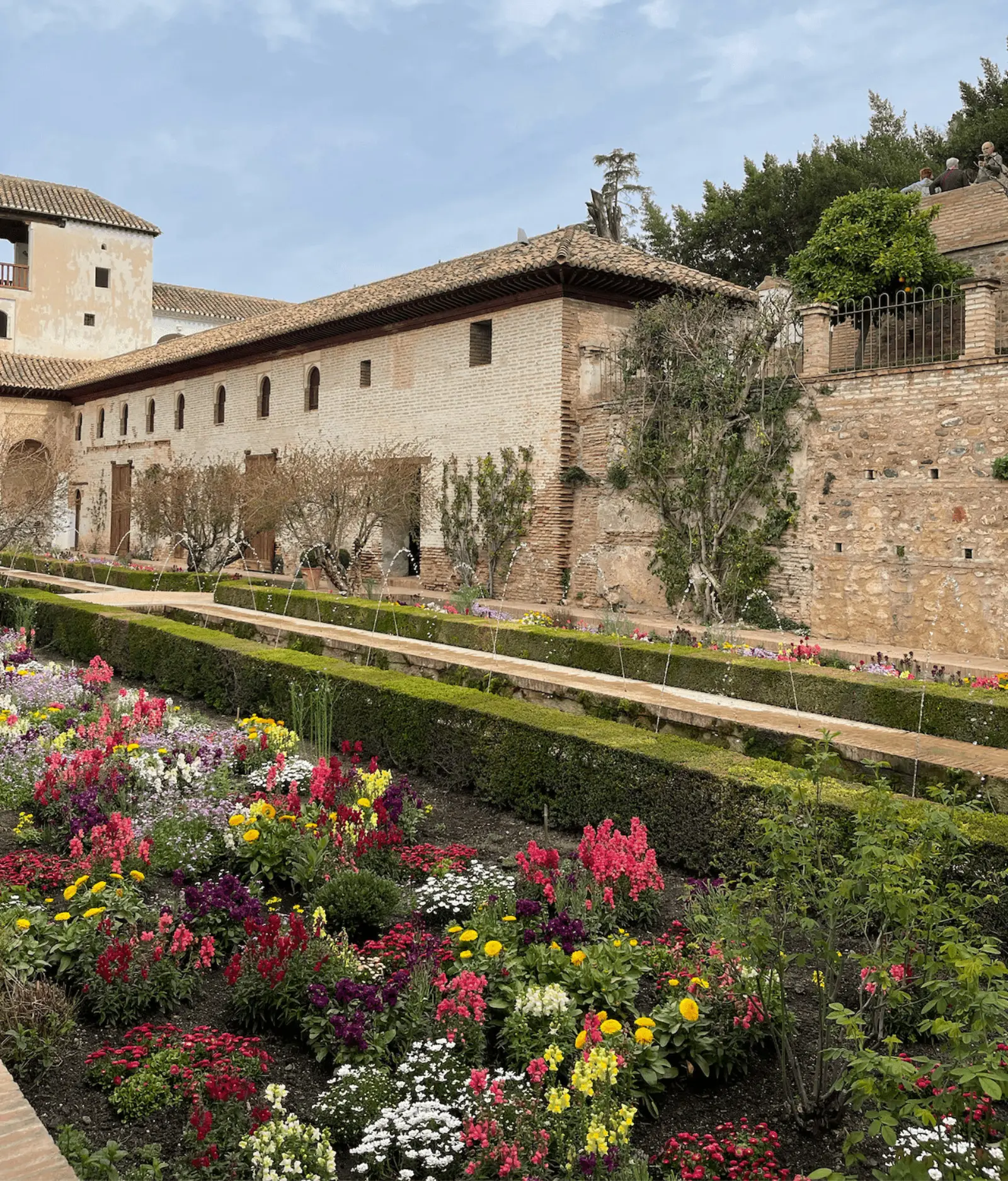
Leave time for the Generalife gardens afterwards. Most people rush them, and they are the calmest part of the visit.
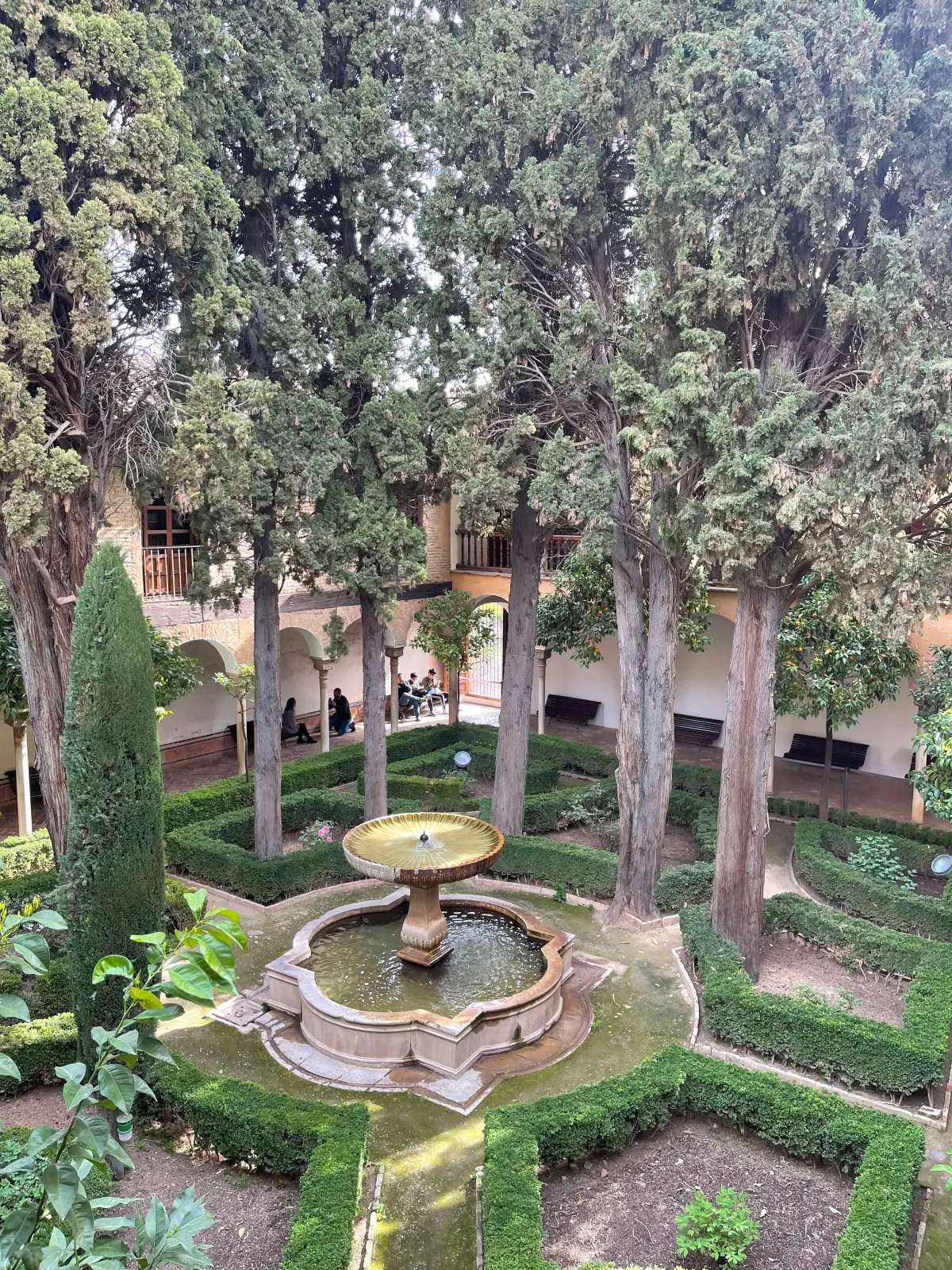
Getting up there: it is a steep 20-minute walk from Plaza Nueva up the Cuesta de Gomérez, or take one of the small Alhambra buses from the centre.
In the evening, walk the Carrera del Darro, which follows the little river under the Alhambra walls: old stone bridges, churches and houses leaning over the water. It ends at the Paseo de los Tristes (officially Paseo del Padre Manjón), a terrace-lined square with the Alhambra lit up right above you. One of the most beautiful walks in Spain, and it is free.
Day 2: The Albaicín and Sacromonte
The Albaicín is the old Moorish quarter on the hill opposite the Alhambra and a UNESCO World Heritage Site in its own right. White houses, steep cobbled lanes, hidden gardens (the cármenes) and views at every corner. Do not try to follow a map; just walk uphill and you will end up at a viewpoint.
The famous one is the Mirador de San Nicolás, especially at sunset when the Alhambra turns red against the snow of the Sierra Nevada. It gets very crowded, and the lanes around it have views that are almost as good with far fewer people. The Mirador de San Cristóbal and the Mirador de la Vereda de Enmedio are quieter options.
Further along the hill is Sacromonte, the old Roma neighbourhood where people still live in houses dug into the rock. It is the home of Granada’s flamenco: the zambra shows in the cave venues are intimate and very different from the big tourist shows.
Calle Calderería at the bottom of the Albaicín is the “little Morocco” of Granada, with teahouses (teterías), lanterns and leather shops.
Day 3: The Cathedral, the Royal Chapel and the Realejo
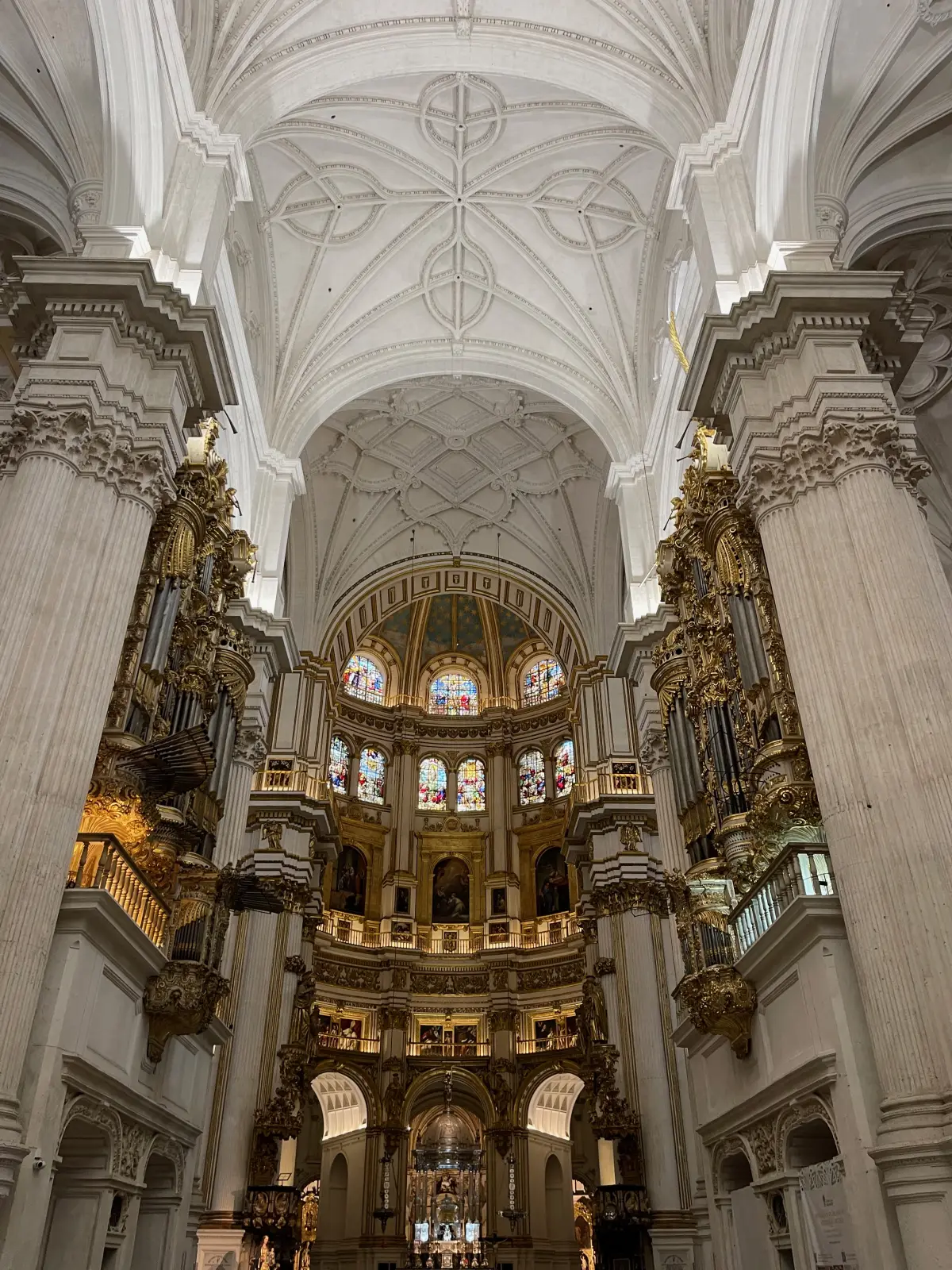
In the centre, the Cathedral of Granada is enormous and surprisingly bright inside: all white stone and gold, Renaissance rather than Gothic, a very different feel from the dark cathedrals further north.
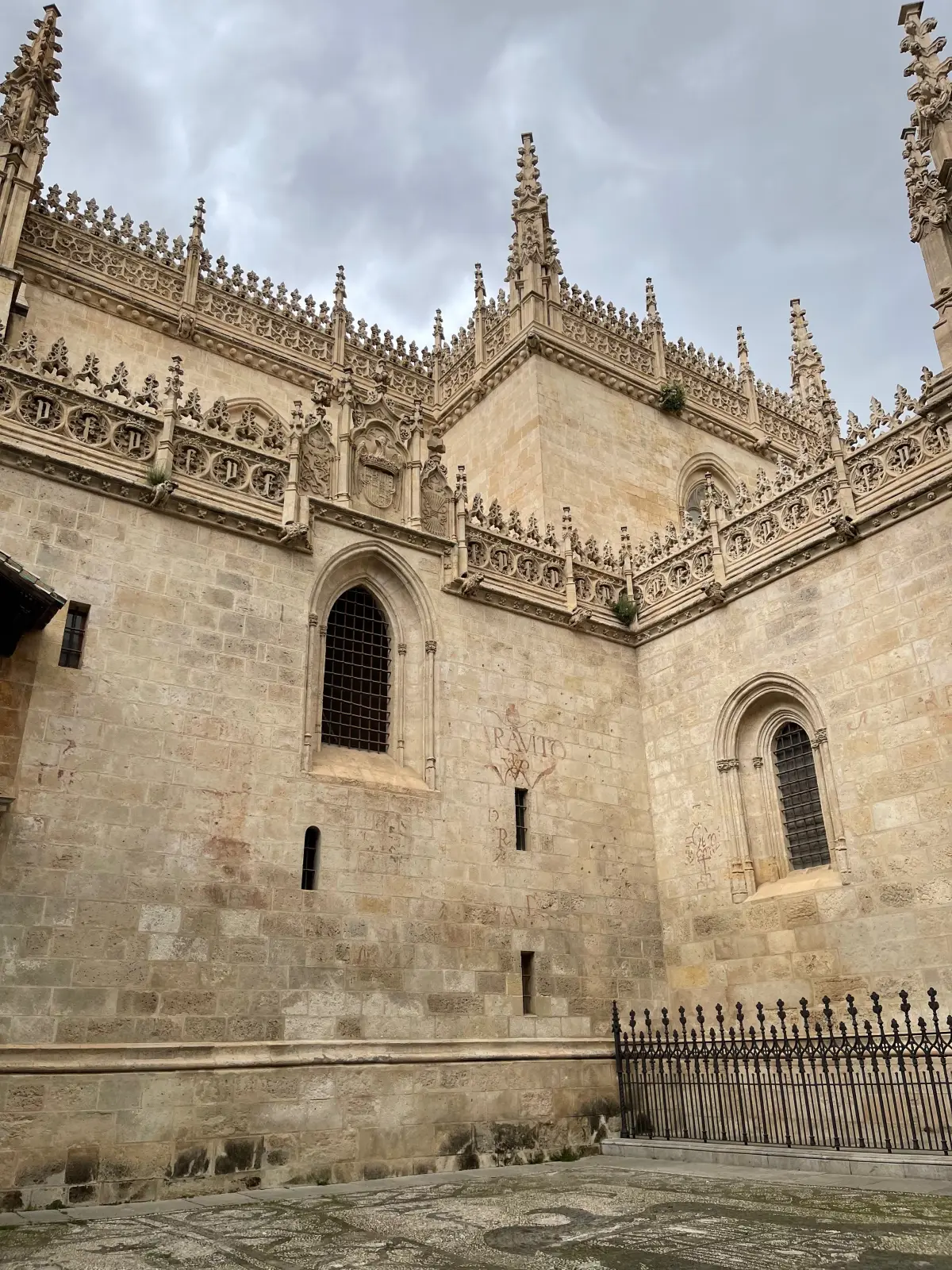
Right next to it is the Royal Chapel (Capilla Real), where Isabella and Ferdinand, the Catholic Monarchs, are buried. They chose Granada because conquering it in 1492 was the defining moment of their reign.
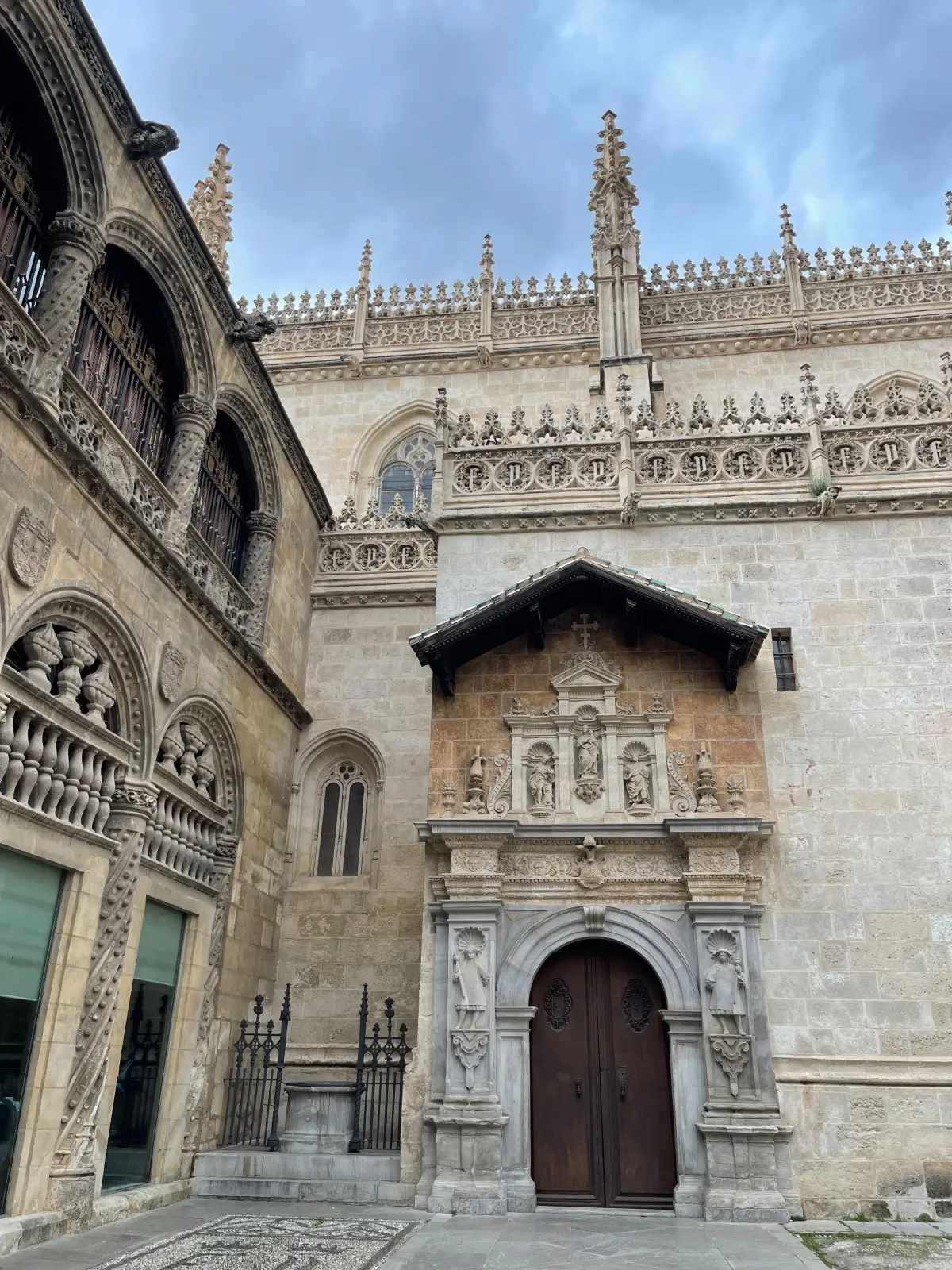
Around the two you have Plaza Bib-Rambla, the old silk market of the Alcaicería, and the streets around Calle Oficios. Good for a coffee and a tostada in the morning.

In the afternoon, cross to the Realejo, the old Jewish quarter on the other side of the Alhambra hill. Less touristy than the Albaicín, full of street art, small bars and local life. It is the best place for tapas in the evening.
Where to stay in Granada
- Centro (around the Cathedral and Plaza Nueva): flat, central, close to everything. The practical choice.
- Albaicín: the most atmospheric, often in a restored house with a view, but steep and hard with luggage.
- Realejo: local, good value and great for tapas, within walking distance of both the centre and the Alhambra.
Getting to Granada
- From Seville: about three hours by train or bus, which makes the two cities a natural pair.
- From Madrid: around three and a half hours on the high-speed train.
- By air: Granada’s small airport has domestic flights; Málaga airport, about 90 minutes away by bus or car, has many more international connections.
Granada tips
- Free tapas. Granada is one of the last cities in Spain where a free tapa still comes with every drink. Order a drink, get food. Order another, get more.
- Book the Alhambra early. It sells out, especially in spring.
- Wear good shoes. The Albaicín is steep and the cobbles are slippery.
- Spring and autumn are best. Summer is very hot, and winter is cold but clear, with snow on the Sierra Nevada behind the Alhambra.
- Look up the Sierra Nevada. In winter you can ski in the morning, about 45 minutes away, and be back in Granada for tapas.
FAQ
Is three days enough for Granada? Yes. Three days lets you do the Alhambra properly, explore the Albaicín and Sacromonte, and see the Cathedral and Royal Chapel without rushing.
Do you need to book the Alhambra in advance? Yes. Tickets, and especially the timed slots for the Nasrid Palaces, often sell out weeks ahead.
Are tapas still free in Granada? In most traditional bars, yes: a small tapa comes with every drink you order.
Can you visit Granada as a day trip from Seville? You can, but it is a long day with around six hours of travel. Two or three nights is much better.