Walter Ponce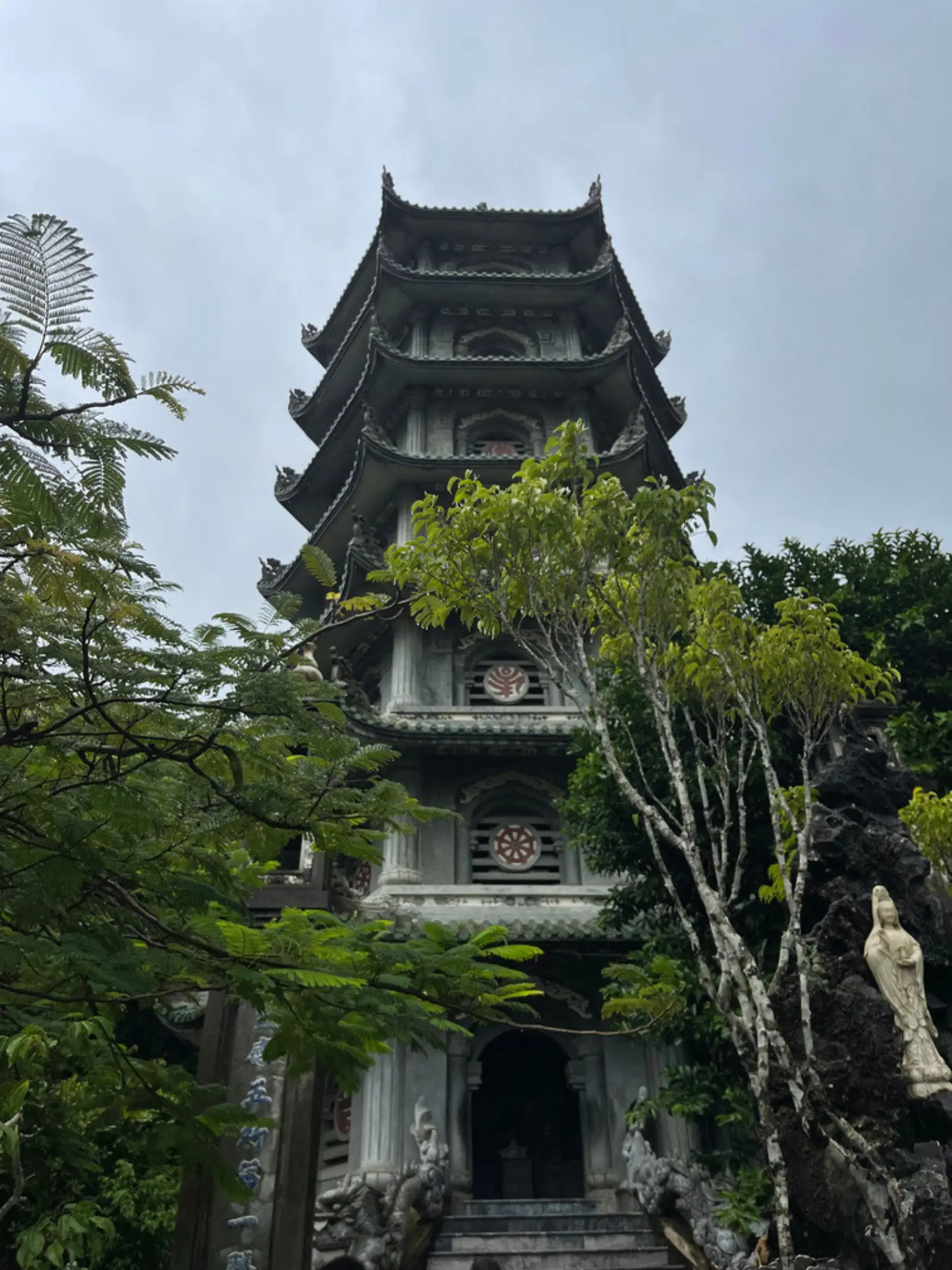
Visiting the Marble Mountains in Da Nang is an unforgettable experience, offering a mix of natural beauty, Buddhist temples, and hidden caves. However, my visit was during heavy rain, which made the adventure even more intense. While the scenery was stunning, navigating the steep and slippery stairs inside the caves was quite a challenge, especially in wet conditions.
Exploring the Marble Caves & Temples
The Marble Mountains are a cluster of five limestone and marble hills, each named after a natural element. The main attraction is Thuy Son, the largest and most accessible mountain, which is home to breathtaking temples and spiritual sites:
Linh Ung Pagoda
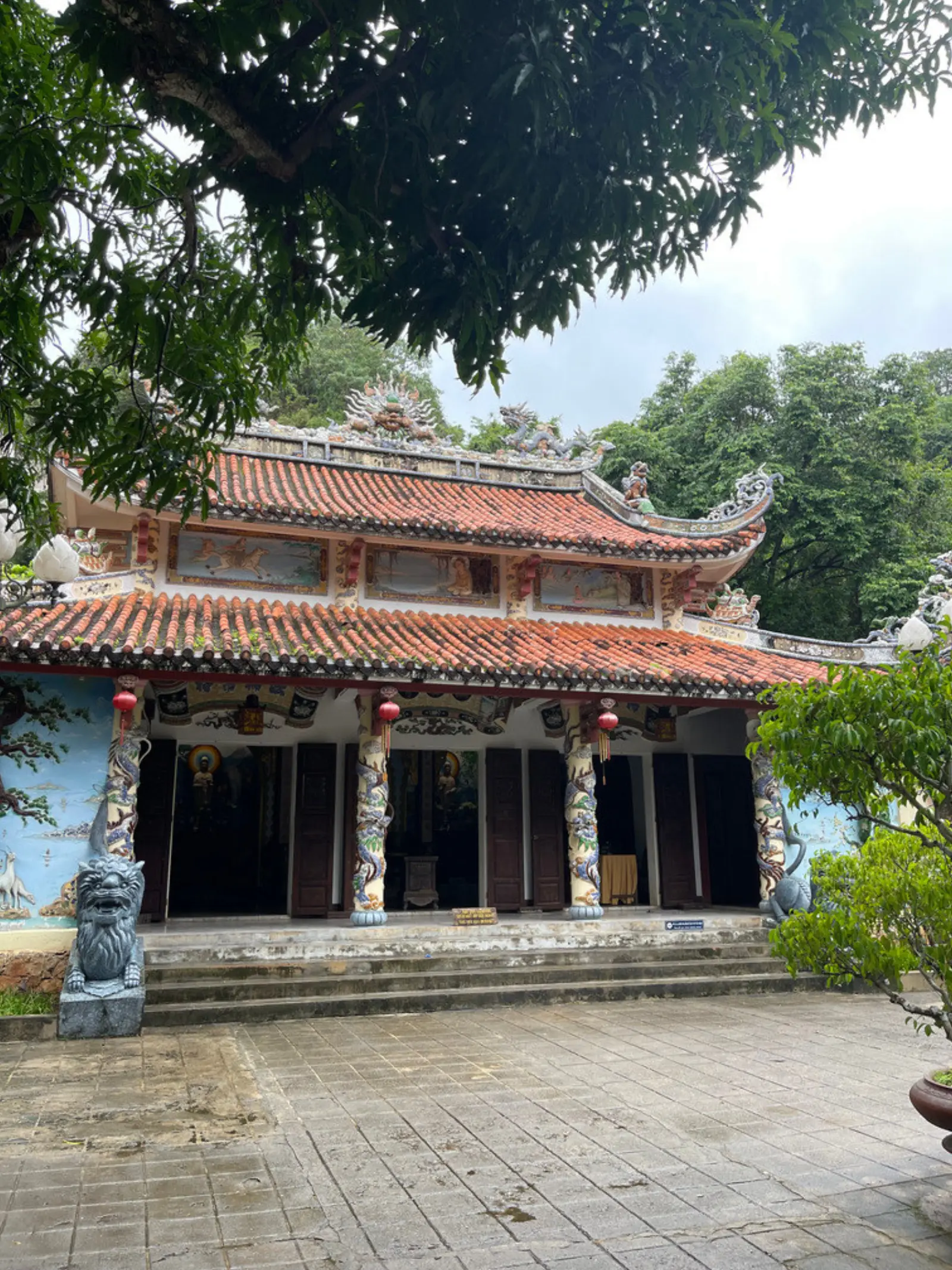
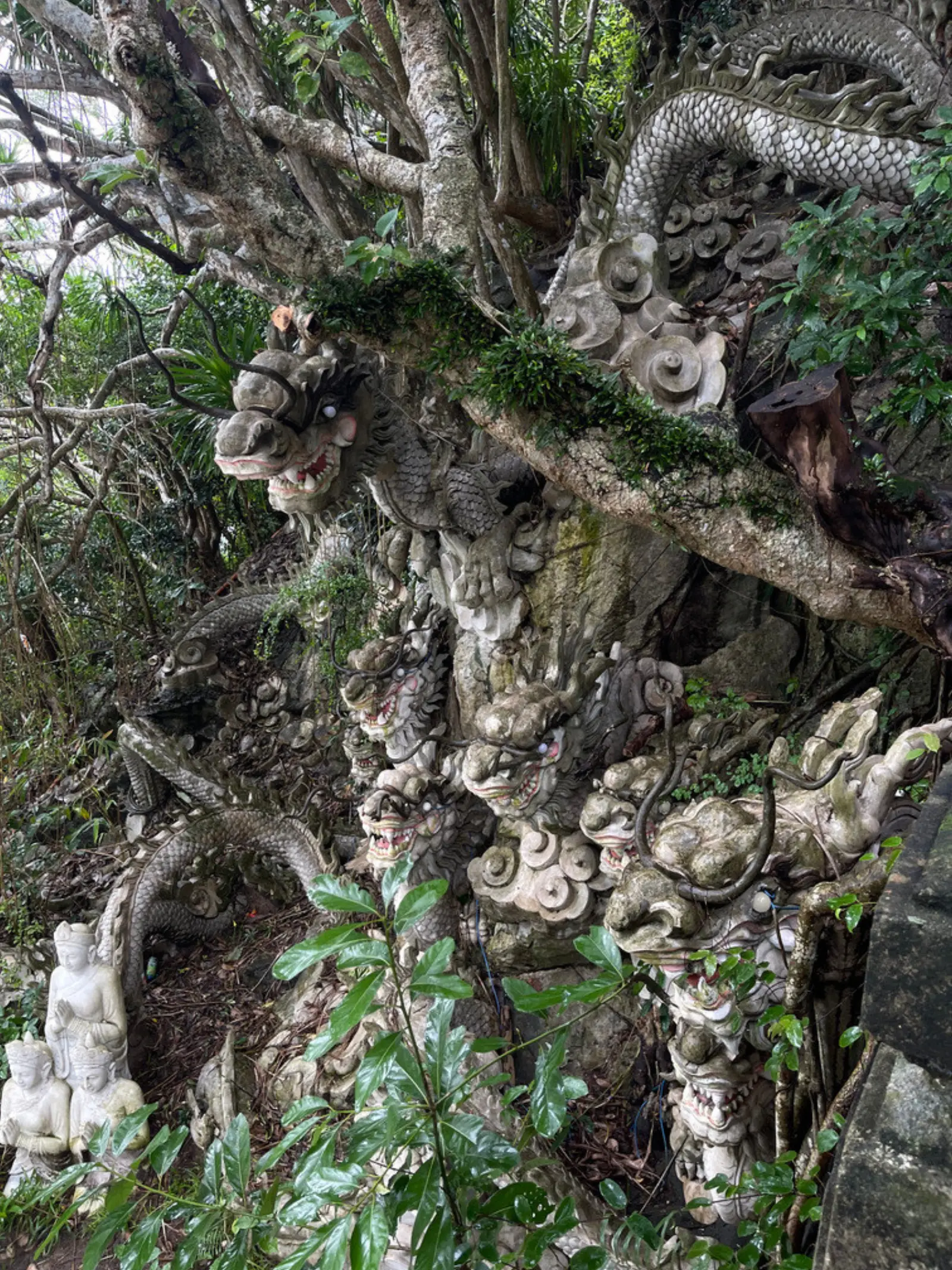
This serene Buddhist pagoda stands at the entrance of Thuy Son, offering panoramic views of Da Nang and a peaceful setting for reflection. The pagoda is surrounded by beautiful gardens and intricate statues, making it a wonderful stop before starting the climb.
Tam Thai Pagoda
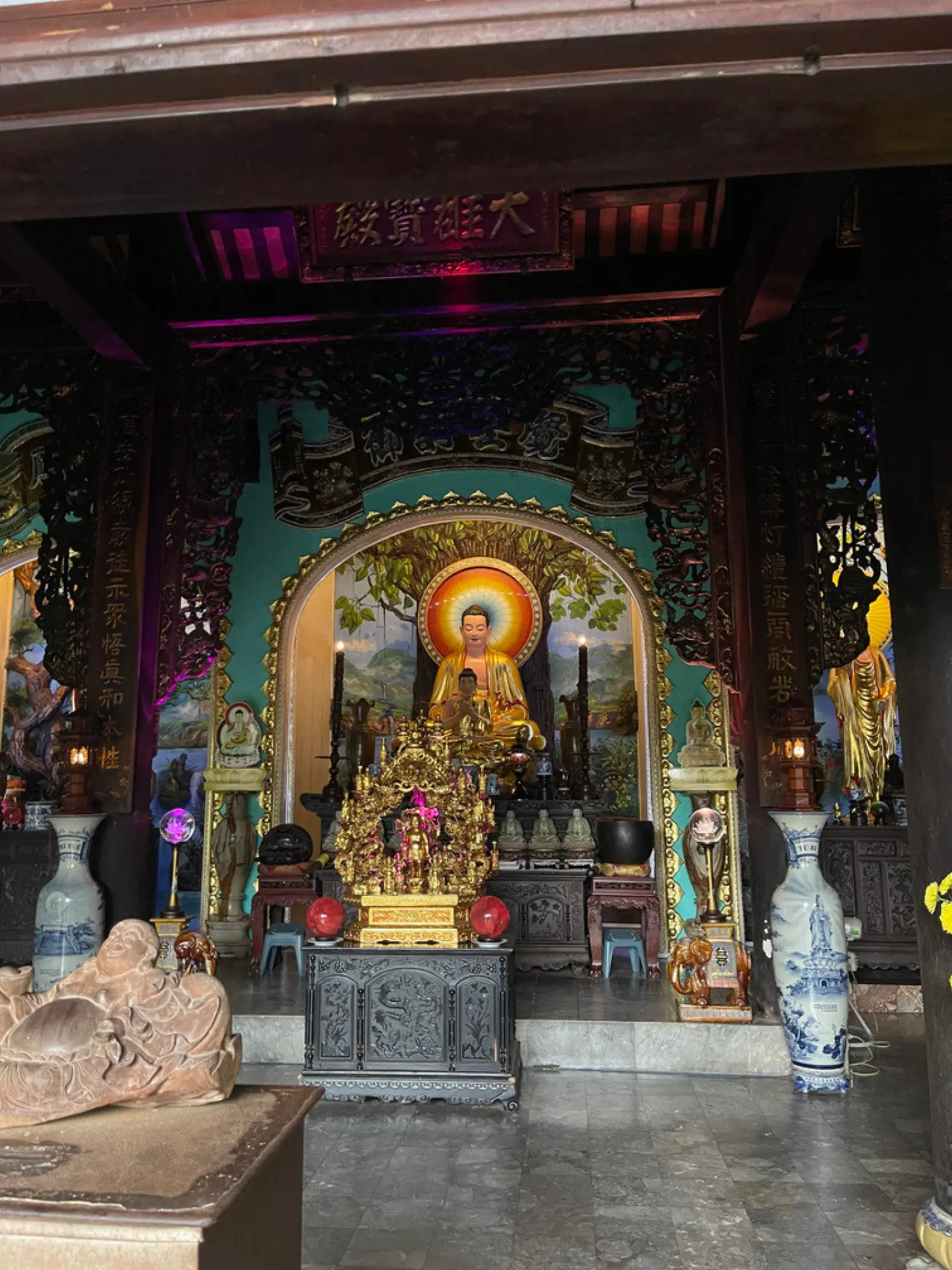
Dating back to the 17th century, this historic pagoda has been an important spiritual site for centuries. The traditional Vietnamese architecture, colorful altars, and incense-filled halls create a tranquil atmosphere, providing a contrast to the rugged mountain terrain.
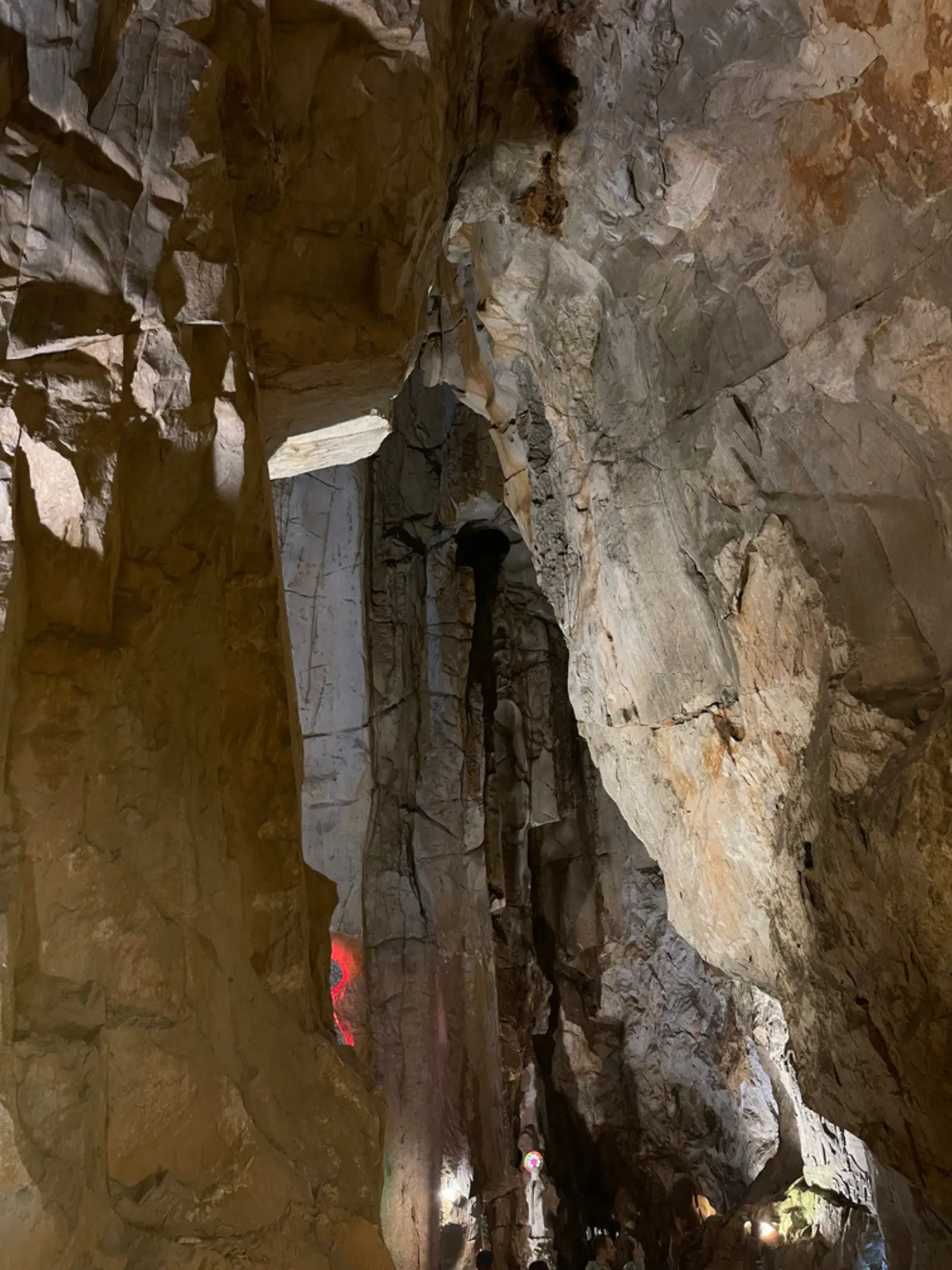
Huyen Khong Cave
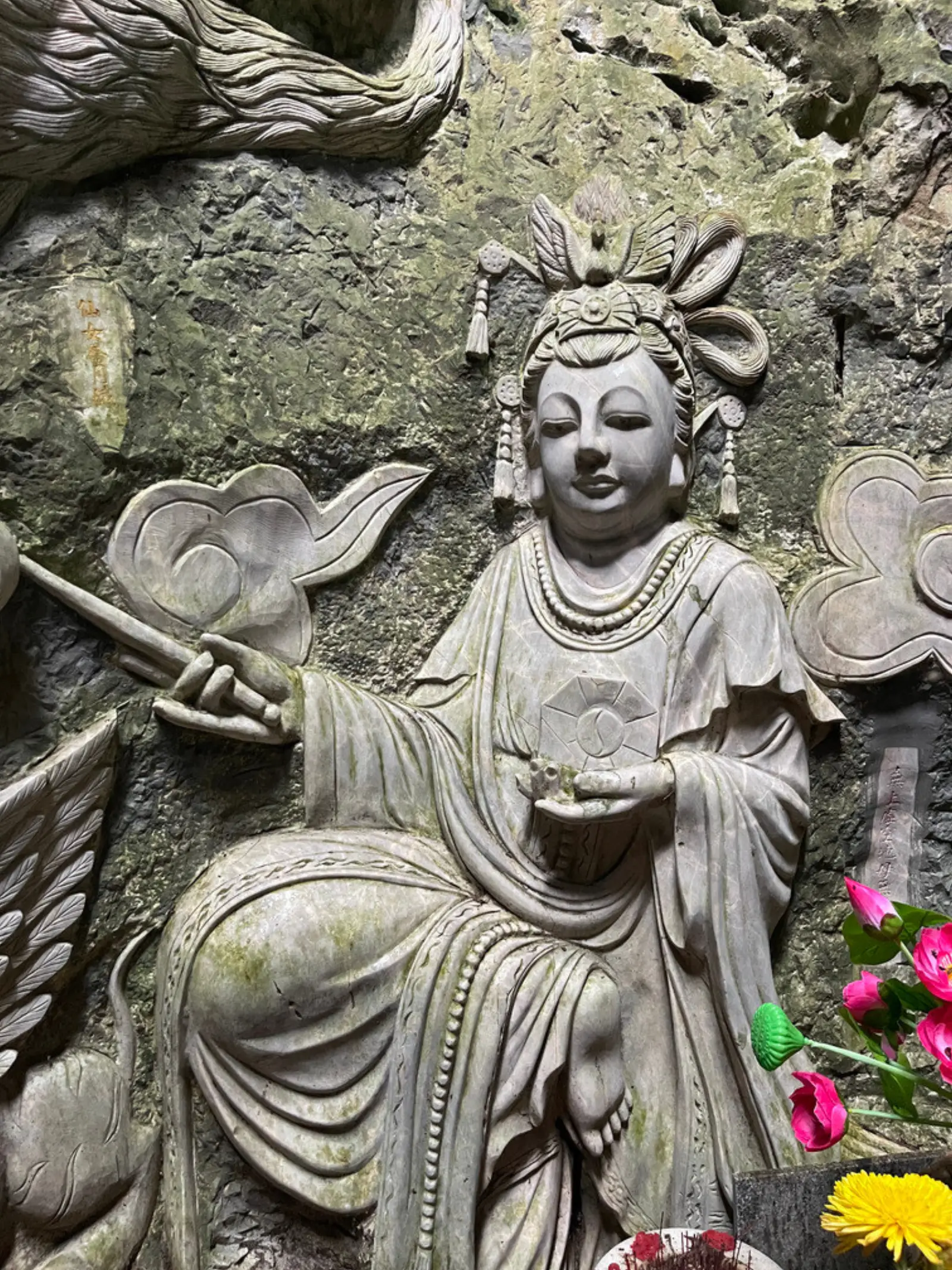
Arguably the most impressive cave in the Marble Mountains, Huyen Khong Cave is a massive, open-air cavern with sunlight filtering through natural openings in the rock, casting a mystical glow on the altars inside. The atmosphere is otherworldly, with carved statues and shrines dedicated to Buddhist deities.
Tang Chon Cave
A smaller but stunning cave filled with detailed stone carvings and Buddhist statues. The peaceful silence inside makes it a great place to pause and soak in the spiritual energy of the mountains.
A Word of Caution – Safety & Accessibility
If you’re visiting the Marble Mountains, keep these tips in mind:
Wear proper shoes – Flip-flops or sandals will make the climb much harder.
Be extra careful in the rain – The stairs become incredibly slippery, making certain areas dangerous.
Take your time – Some paths are steep and uneven, so slow and careful steps are necessary.
Bring water – The climb can be tiring, especially in humid conditions.
Practical Information
Location: Around 9 km from Da Nang city center
Best For: Adventure seekers, culture lovers, and photographers
Price Range: Affordable entrance fee
Recommended Duration: 2-3 hours
Final Thoughts
The Marble Mountains are a must-visit in Da Nang for anyone interested in history, spirituality, or breathtaking landscapes. The stunning temples, intricate caves, and panoramic views make it a truly special place. While the climb can be a bit challenging, the cultural and natural beauty make every step worth it. Just be mindful of the weather, and prepare for an unforgettable experience.
The Five Elements
In Vietnamese, the Marble Mountains are called Ngũ Hành Sơn, which means “Mountains of the Five Elements”. Each of the five hills is named after one element:
- Kim Sơn – Metal
- Thủy Sơn – Water
- Mộc Sơn – Wood
- Hỏa Sơn – Fire
- Thổ Sơn – Earth
Thuy Son is the only one that most visitors explore, as it has the main paths, pagodas and caves. The other hills are smaller and less developed for tourism.
More to see on Thuy Son
Besides the pagodas and caves described above, there are a few other spots worth looking for:
- Am Phu Cave – Located at the foot of the mountain, this cave represents the Buddhist underworld, with dramatic sculptures and a path that leads up towards a viewpoint. It usually requires a separate ticket.
- Vong Giang Dai and Vong Hai Dai viewpoints – Lookout points with views over the river, the coast and the surrounding city.
- The elevator – An elevator takes visitors part of the way up Thuy Son, which helps if you want to avoid some of the stairs. The walk down is often easier than the climb up.
Non Nuoc stone carving village
At the base of the mountains is the Non Nuoc stone carving village, where artisans have worked stone for generations. Along the road you will see workshops and shops selling everything from small souvenirs to huge statues. It is interesting to see the craftsmen at work, but if you want to buy something, compare prices and take your time before deciding. Large pieces can usually be shipped abroad.
How to get there
The Marble Mountains are located between Da Nang city center and Hoi An, close to the coast. Options include:
- Taxi or ride-hailing app – The easiest way. Ride-hailing apps are widely used in Da Nang.
- Motorbike – Popular with travellers who are comfortable riding in Vietnamese traffic.
- Organised tour – Many tours combine the Marble Mountains with Hoi An or other sights in the area.
- On the way to Hoi An – Since the mountains lie along the coastal road, you can stop here on a day trip between Da Nang and Hoi An.
Best time to visit
Central Vietnam has a dry season from roughly February to August and a rainy season from about September to December, when heavy rain and storms are more likely. As described above, rain makes the stairs and caves much more slippery, so the dry season is the more comfortable time to visit.
To avoid crowds and the midday heat, try to arrive early in the morning. The light inside Huyen Khong Cave can be especially beautiful when the sun is higher, so some photographers prefer late morning.
Etiquette at the pagodas
The Marble Mountains are an active religious site, so be respectful:
- Cover your shoulders and knees when visiting temples and pagodas.
- Speak quietly and avoid disturbing people who are praying.
- Don’t climb on statues or altars for photos.
- Take off your shoes where indicated.
What else to see nearby
- My Khe and Non Nuoc beaches – Long sandy beaches just a short ride away.
- Hoi An Ancient Town – A UNESCO World Heritage Site, around 30 minutes’ drive south.
- Son Tra Peninsula – Home to the large Lady Buddha statue at Linh Ung Pagoda (a different pagoda with the same name) and scenic coastal roads.
- Dragon Bridge – Da Nang’s famous bridge, which breathes fire and water on certain weekend evenings.
FAQ
How long do I need at the Marble Mountains? Around 2-3 hours is enough to explore Thuy Son, its pagodas and the main caves.
Is there an entrance fee? Yes, there is an affordable entrance fee, with separate tickets for the elevator and Am Phu Cave. Check current prices at the ticket office.
Is it difficult to climb? There are many steep and uneven steps. Good shoes are essential, and the elevator can help with part of the climb.
Can I visit the Marble Mountains in the rain? You can, but the stairs and cave paths become very slippery. Take extra care, or visit on a dry day if your schedule allows.
Can I combine the Marble Mountains with Hoi An? Yes. The mountains are located between Da Nang and Hoi An, so they make an easy stop on the way.