Walter Ponce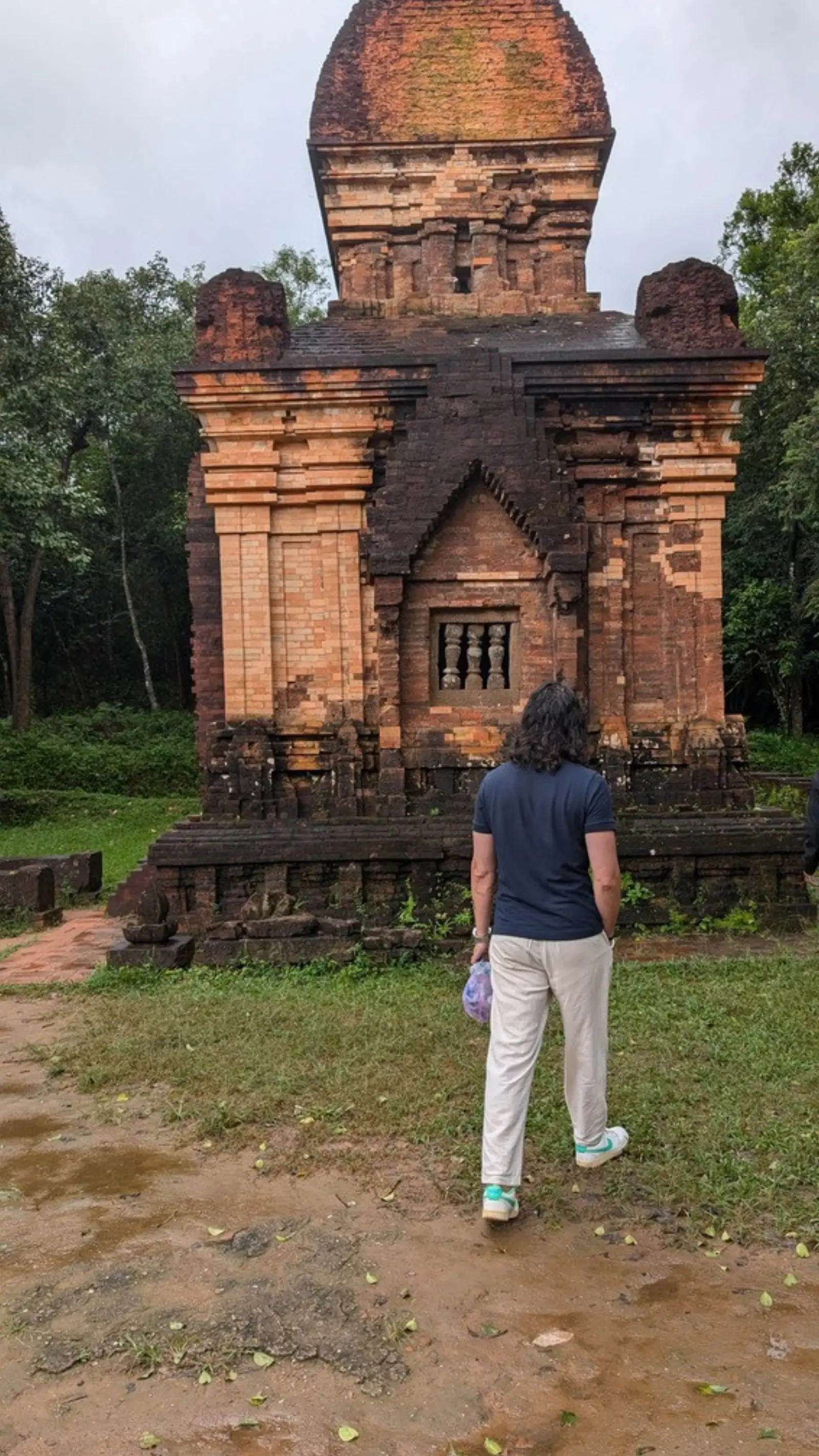
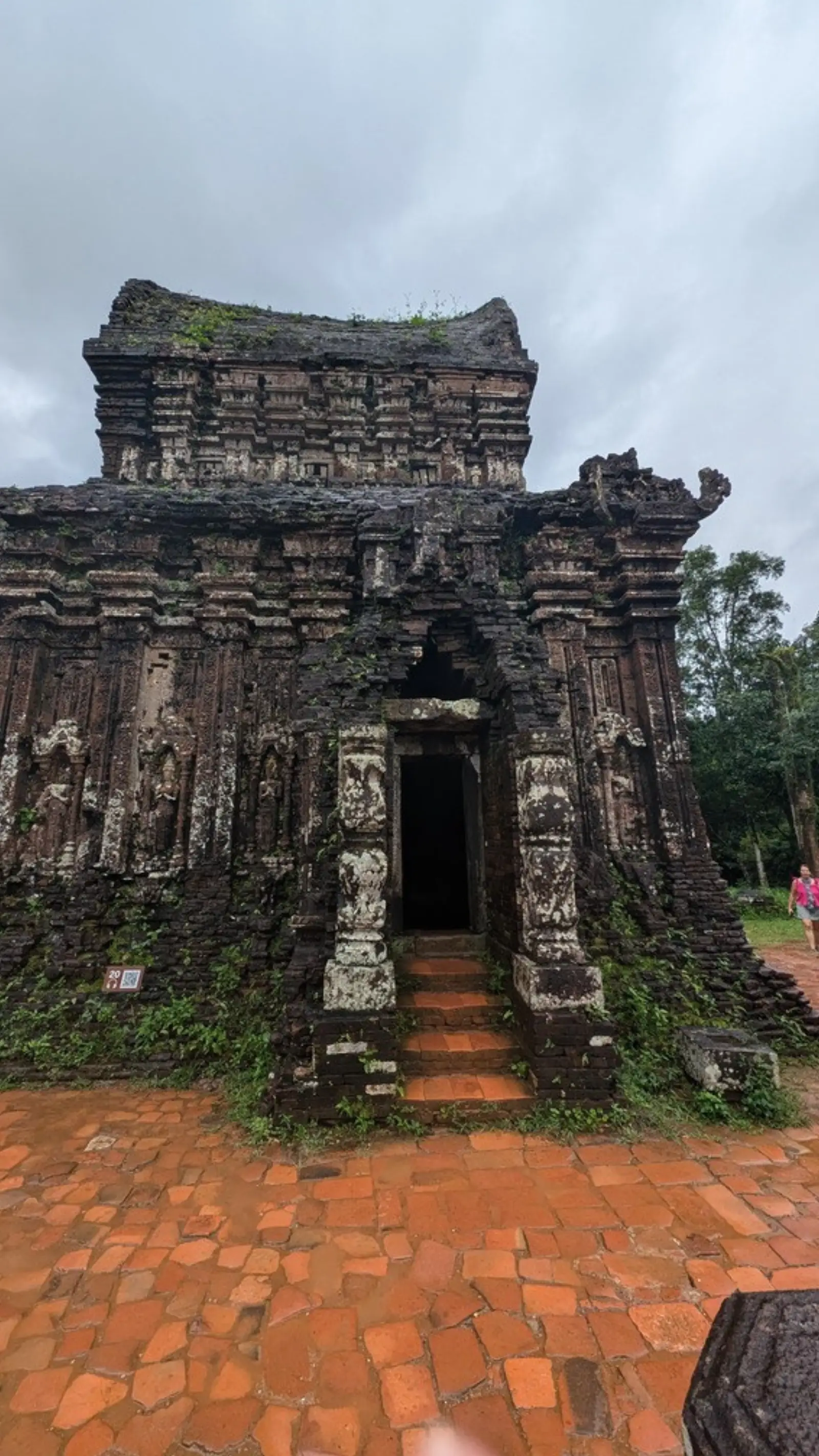
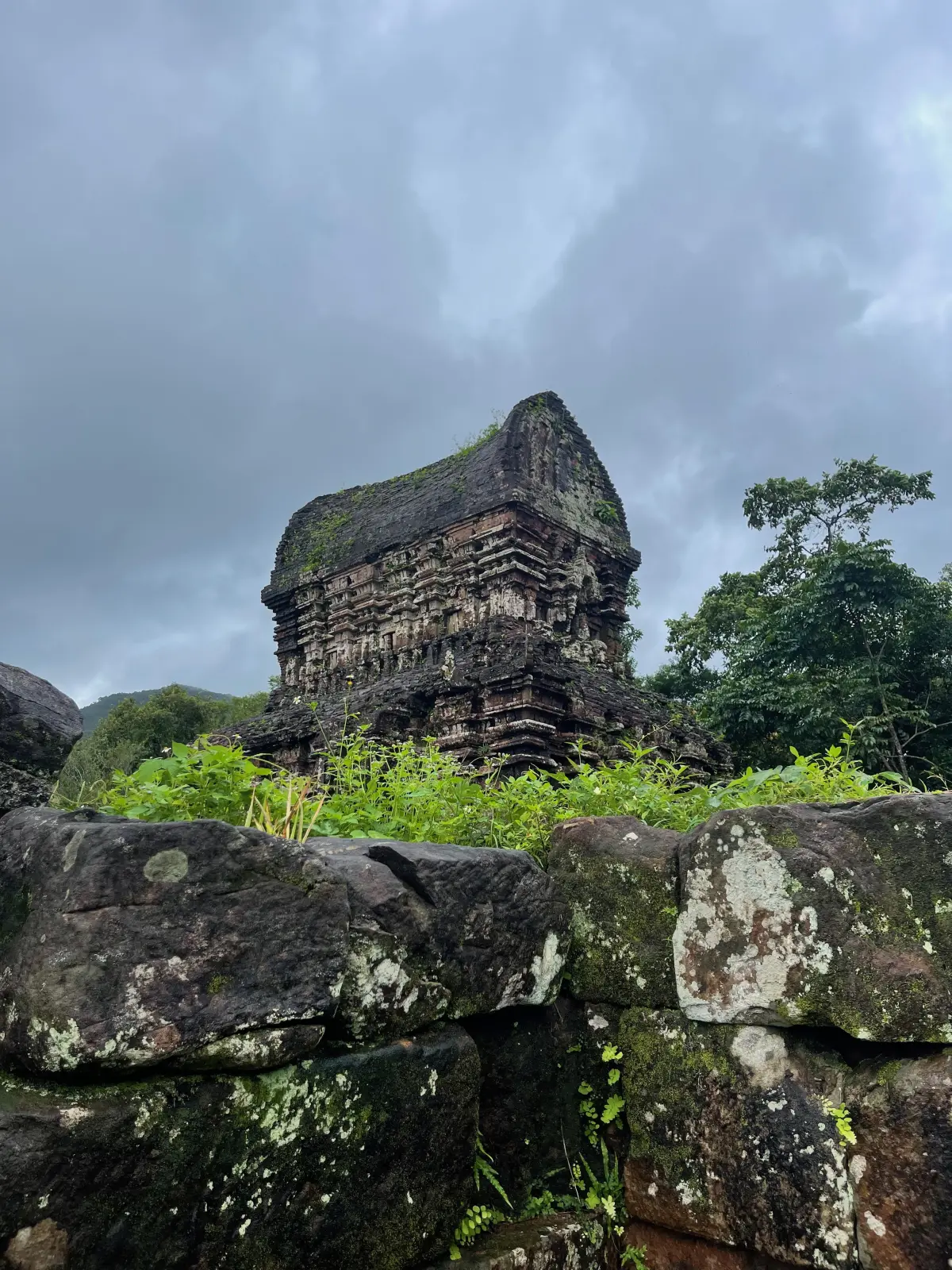
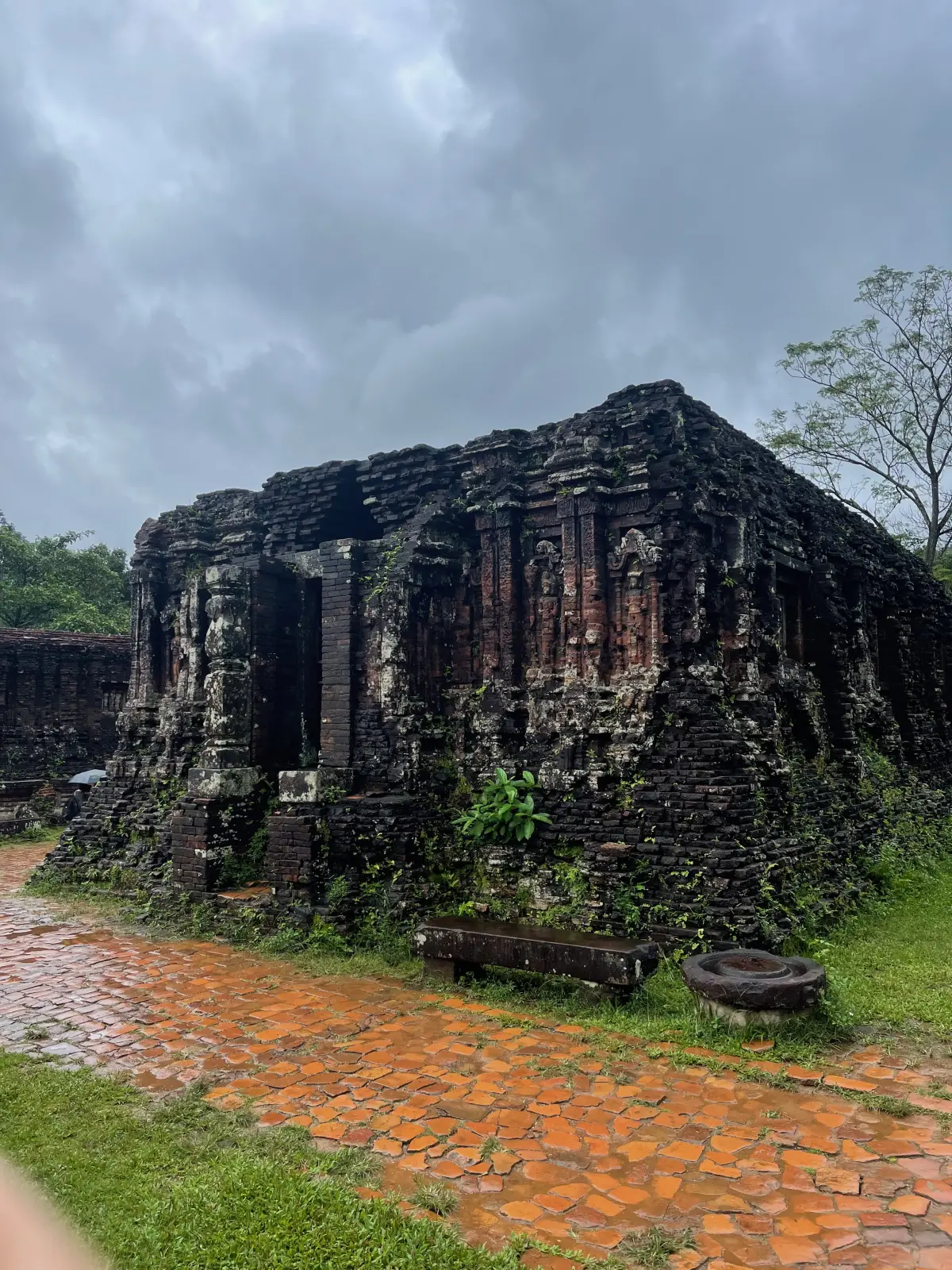
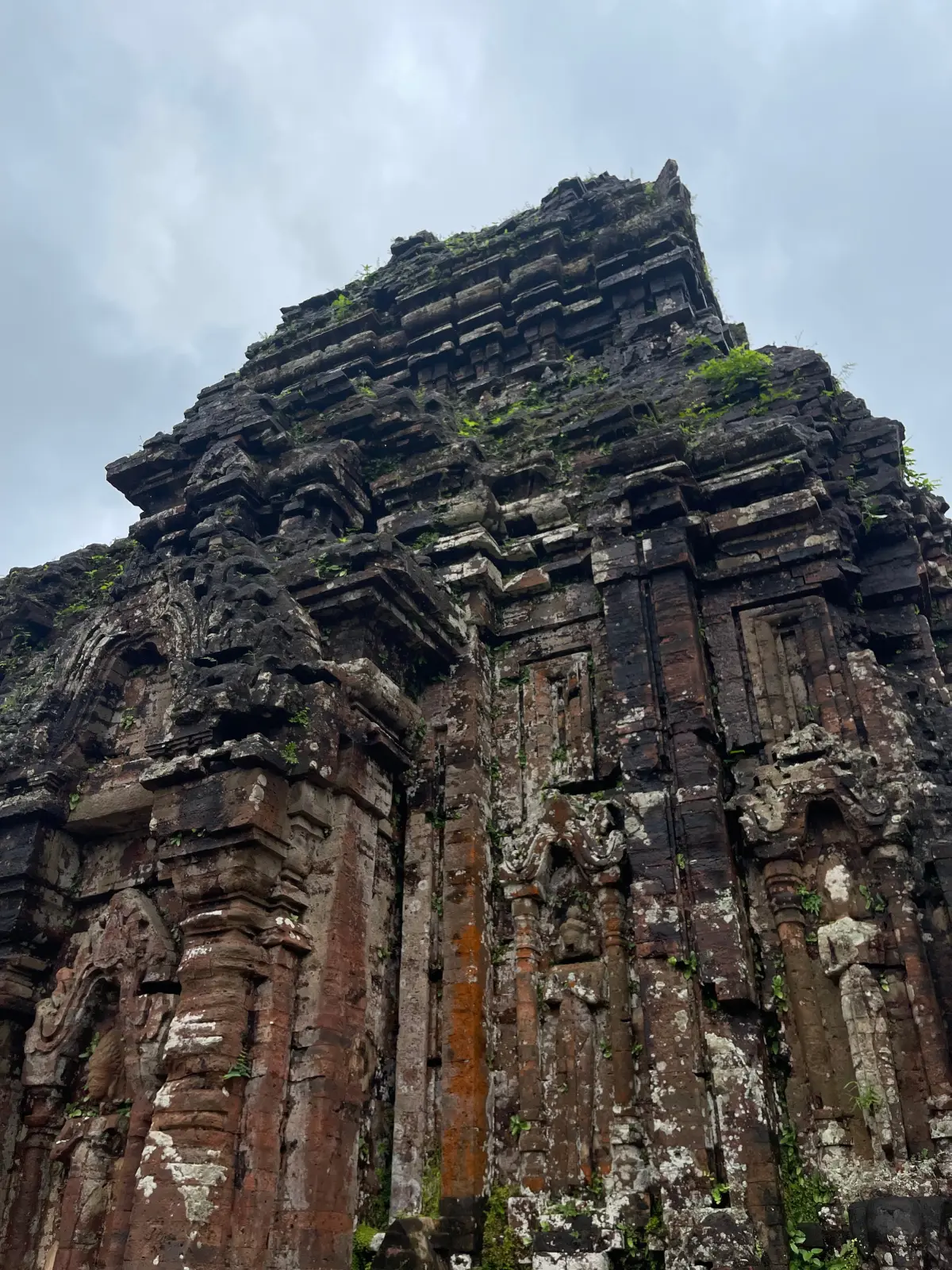
During my trip to Da Nang, I had the opportunity to visit My Son Sanctuary, a UNESCO World Heritage Site known for its ancient Hindu temple ruins. The site is one of the most important cultural landmarks in Vietnam, showcasing the architectural and religious heritage of the Champa civilization. While it was a fascinating experience, my visit was affected by heavy rain and large tourist crowds, which slightly took away from the magic of the place.
A Step Back in Time
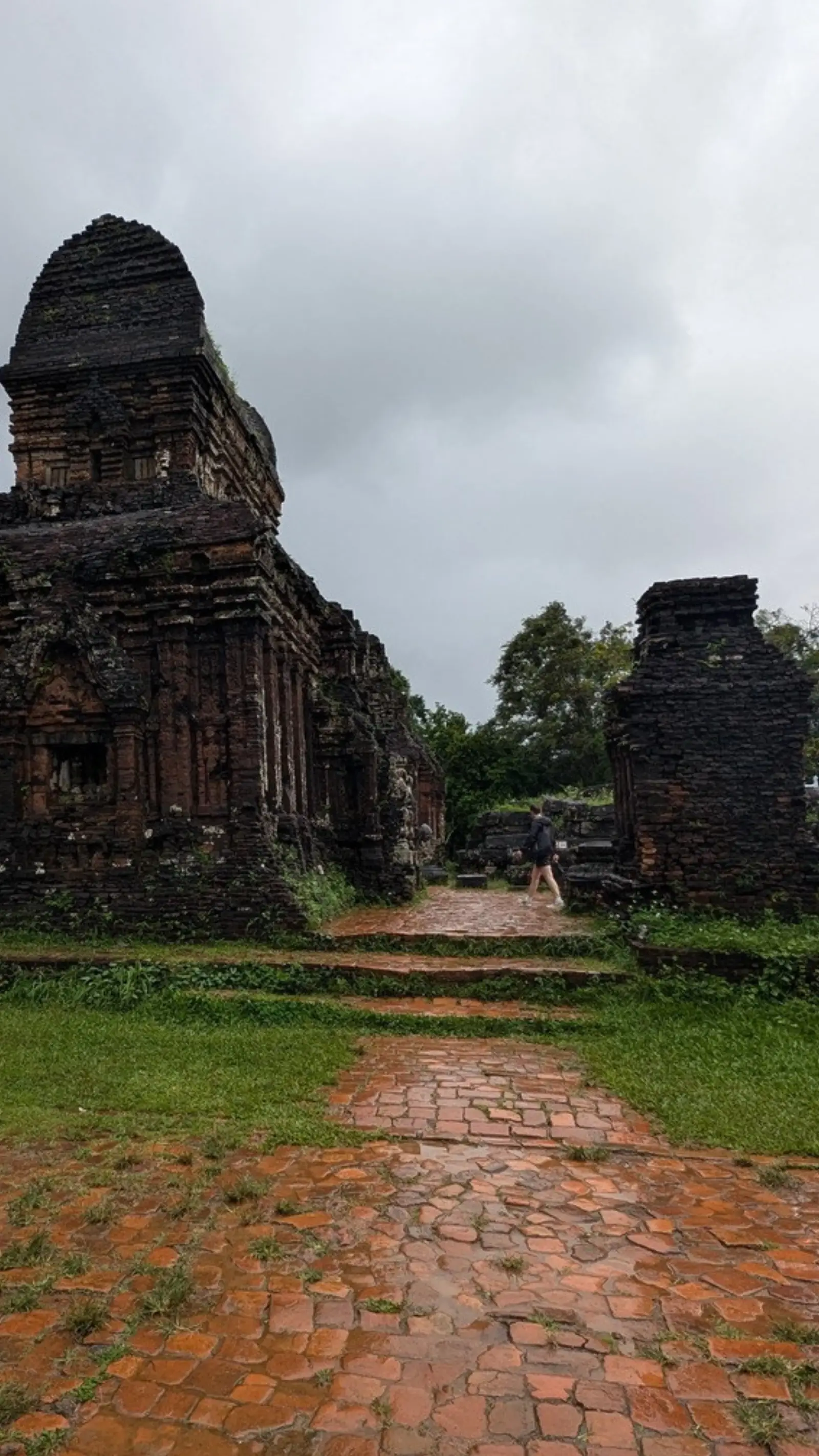
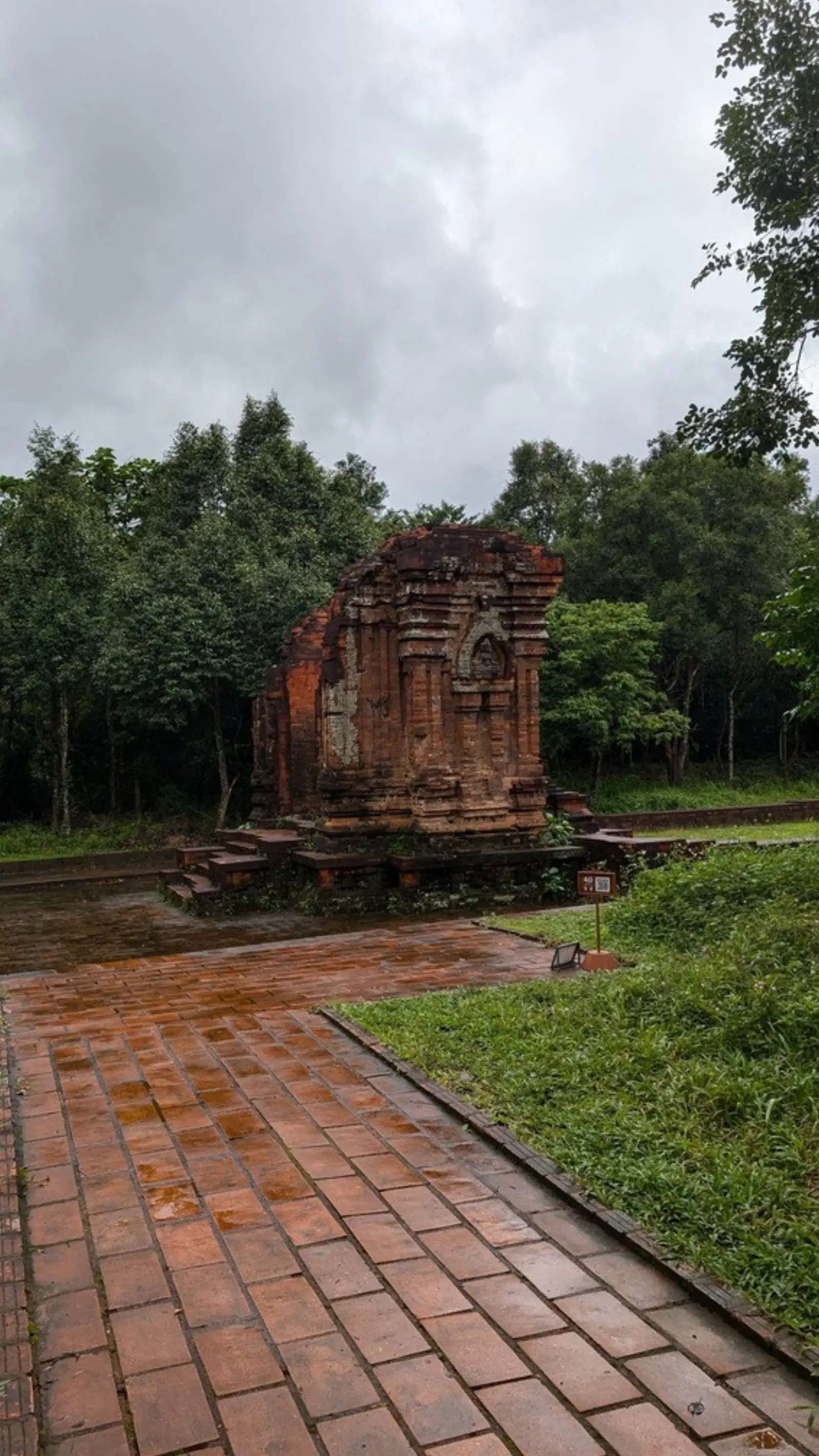
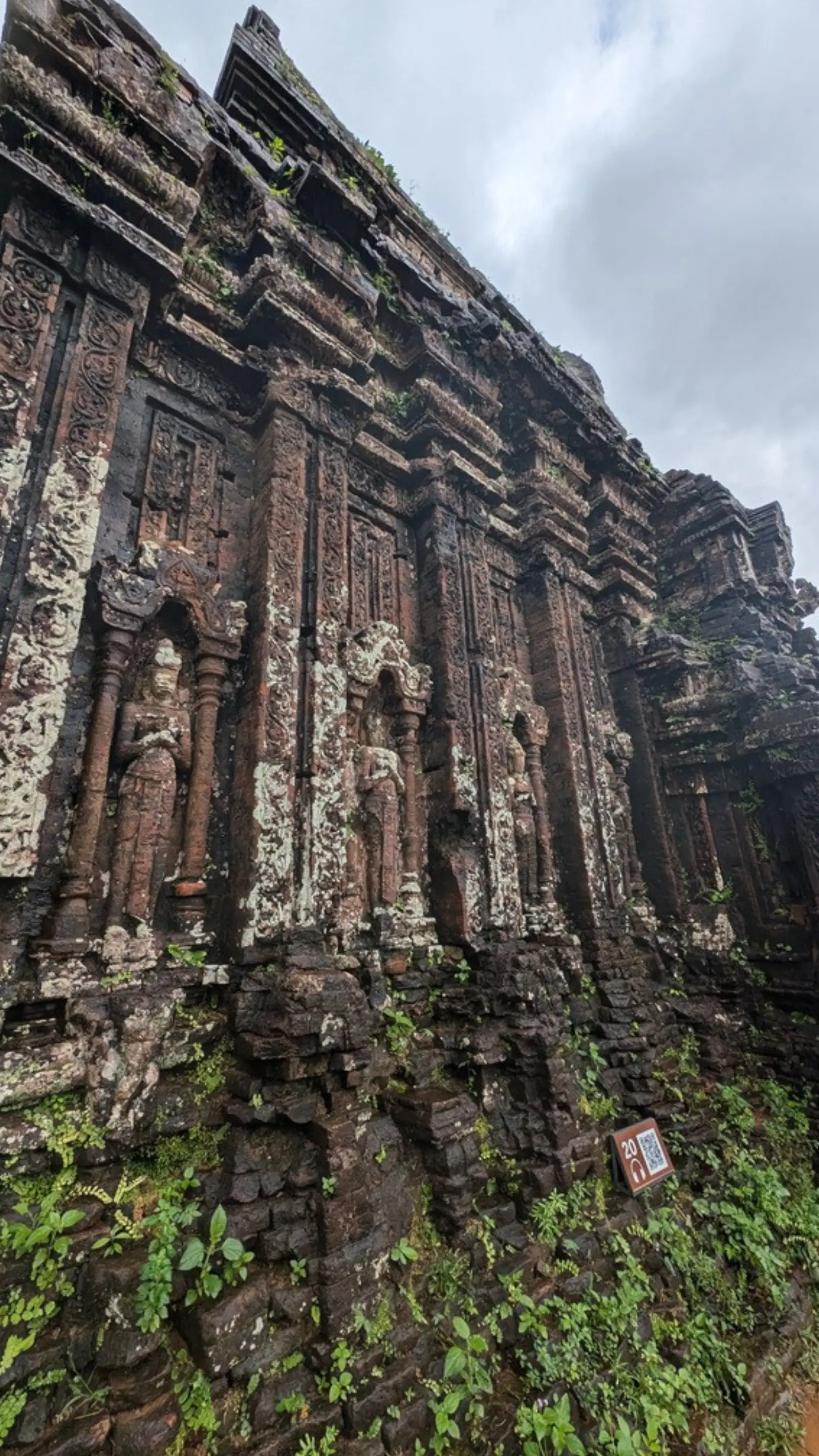
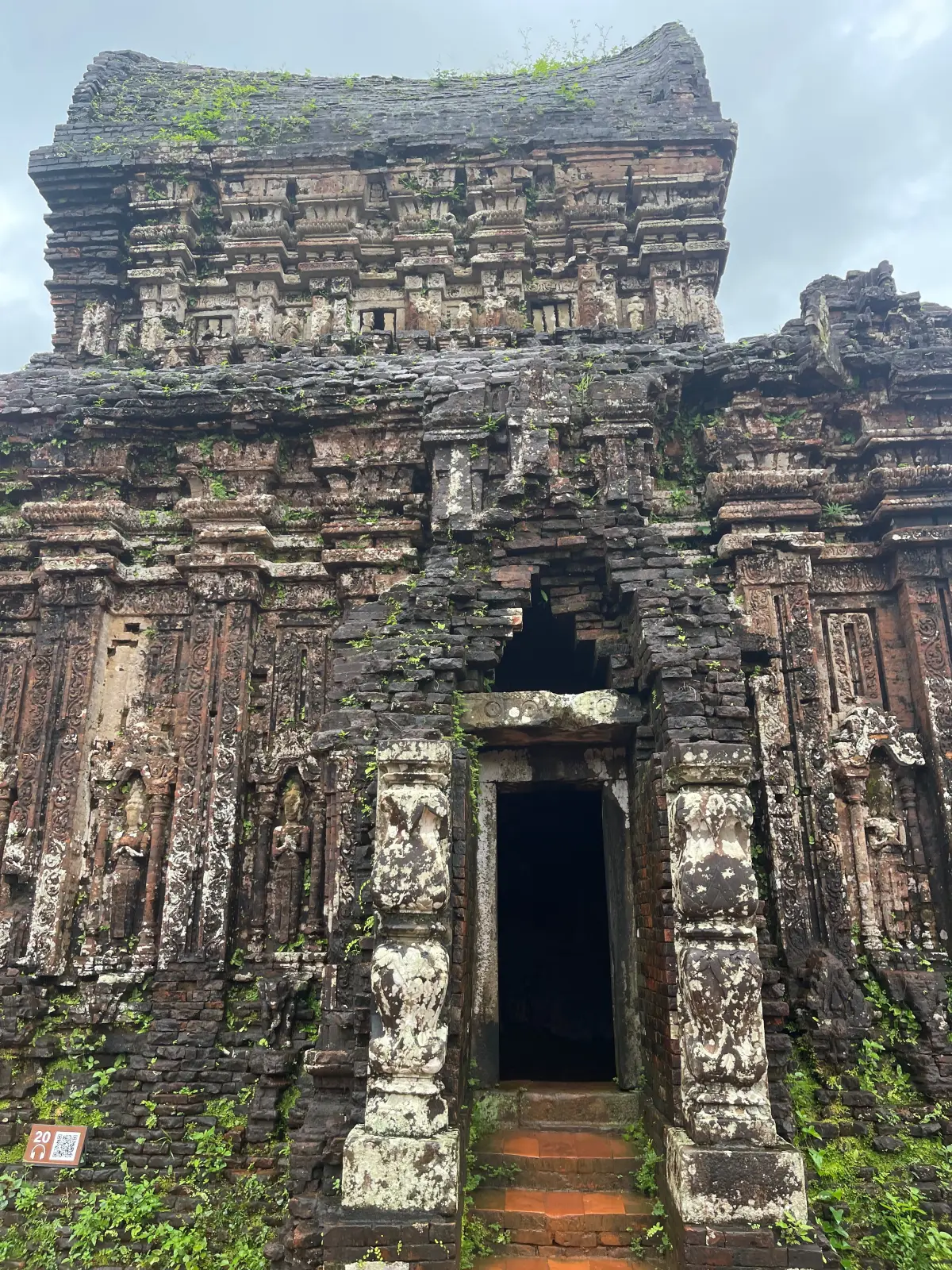
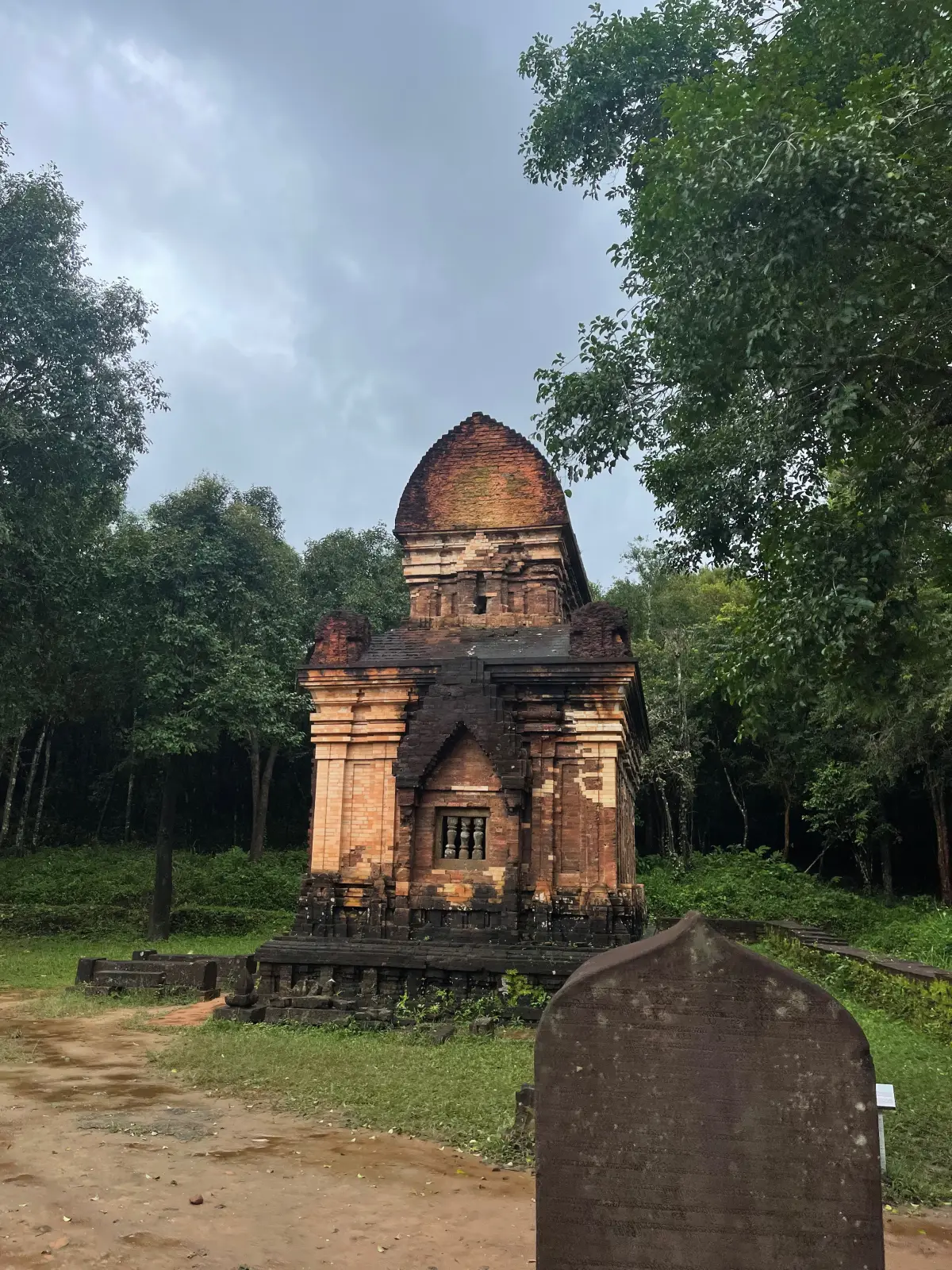
My Son was once the spiritual and political capital of the Champa Kingdom, dating back to the 4th to 13th centuries. The temples, dedicated to Hindu deities, particularly Shiva, are scattered throughout a lush valley surrounded by mountains. The intricate carvings and weathered brick structures reflect the influence of Indian and Southeast Asian architecture.
Visiting My Son – What to Expect
We explored My Son with a tour guide, which was a great decision. Learning about the history, symbolism, and construction techniques added a deeper appreciation for the site. The guide also explained how bombing during the Vietnam War destroyed many of the original structures, making the preserved ruins even more significant.
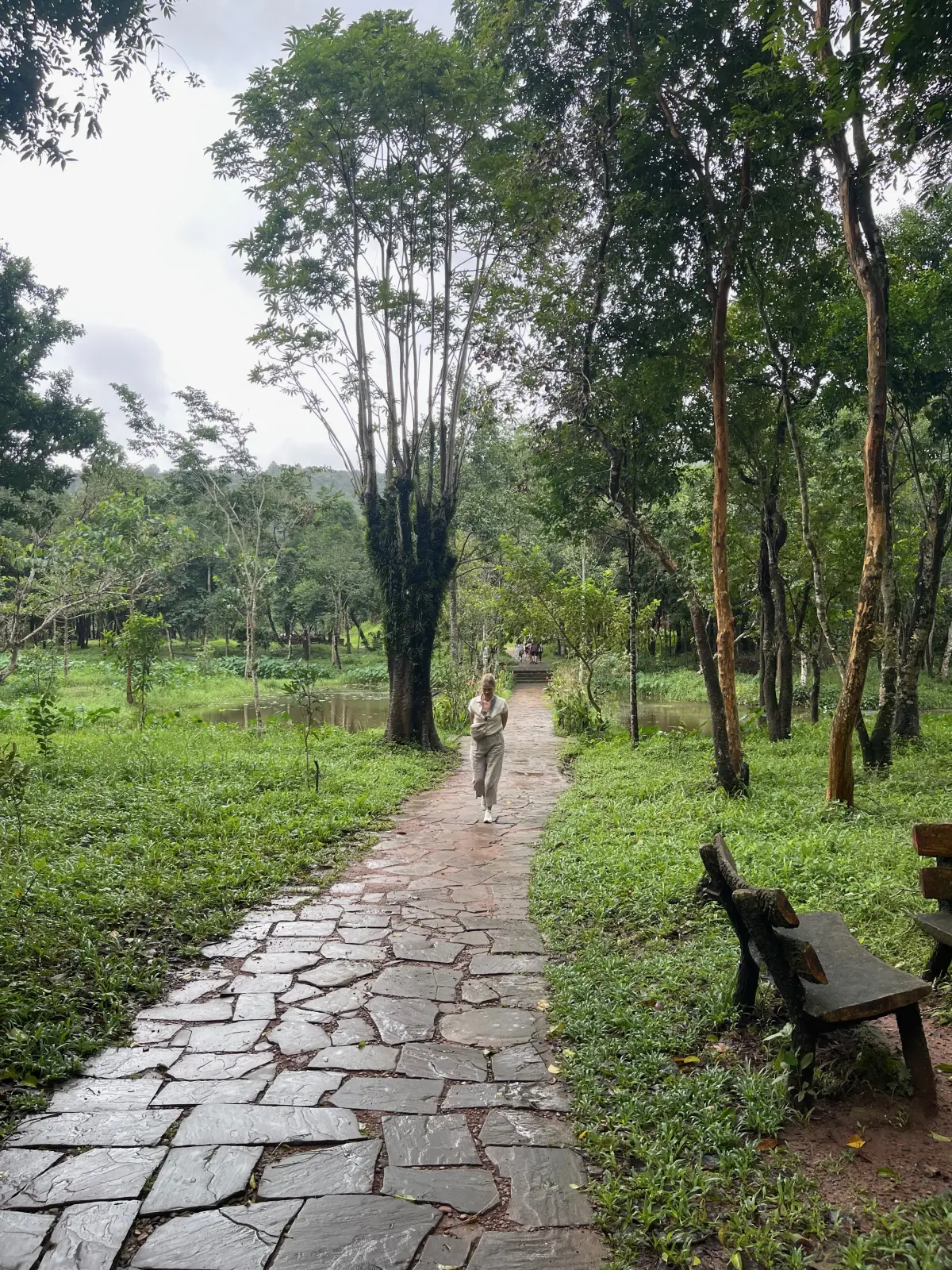
Unfortunately, the experience was impacted by rainy weather, making some areas muddy and slippery. Additionally, large tour groups flooded the site, making it harder to fully immerse in its historical charm.
Tips for Visiting My Son
Check the weather forecast – Visiting on a dry day will make the experience more enjoyable.
Arrive early – Beat the large crowds by visiting in the early morning.
Go with a tour guide – Their knowledge enhances the visit and helps you understand the significance of each structure.
Wear comfortable shoes – The terrain can be uneven, especially after rain.
Practical Information
Location: Around 40 km southwest of Da Nang
Best For: History lovers, cultural explorers, and photographers
Price Range: Affordable, with tour packages available
Recommended Duration: 2-3 hours
Final Thoughts
Despite the rain and tourist crowds, My Son Sanctuary remains a must-visit for history enthusiasts. The ancient ruins, combined with the stories behind them, make for a meaningful and educational experience. While the magic of the site may be diluted by large groups, a well-planned visit with a knowledgeable guide can still make it a memorable stop near Da Nang.
A Short History of the Champa Kingdom
The Champa Kingdom ruled much of what is now central and southern Vietnam for more than a thousand years. Its people, the Cham, traded across the region and adopted Hinduism from India, which shaped their art, temples and royal rituals.
My Son served as a religious centre where Cham kings were honoured and Hindu gods were worshipped. Over the centuries, new temples were added by successive dynasties, which is why you can see different building styles across the site.
A few things make the site special:
- Brick construction without visible mortar. Archaeologists still debate exactly how the Cham bonded their bricks so tightly.
- Sandstone carvings of deities, dancers and animals, many of which are now displayed in museums.
- A layout by temple groups. French researchers in the early 20th century labelled the groups with letters, a system still used on site maps today.
In 1999, My Son Sanctuary was added to the UNESCO World Heritage List, the same year as the ancient town of Hoi An.
How to Get There
My Son is in Quang Nam province, in a valley inland from the coast. It is closer to Hoi An than to Da Nang, so many visitors combine both.
- Organised tour: The easiest option. Most tours include hotel pick-up, entrance and a guide.
- Private car or taxi: Gives you control over timing, so you can arrive at opening time and avoid the busiest hours.
- Motorbike: Popular with independent travellers, but only if you are confident on Vietnamese roads and properly licensed.
- Boat return: Some tours return to Hoi An by boat along the Thu Bon River, which adds a relaxing end to the day.
From the entrance, an electric shuttle takes visitors closer to the temple groups, followed by a short walk.
Best Time to Visit
Central Vietnam has a distinct weather pattern:
- February to April: Generally pleasant temperatures and less rain, a good time to explore ruins.
- May to August: Hot and humid. Go early in the morning to avoid the midday heat.
- September to December: The rainy season, with heavy downpours and occasional typhoons. Paths can be muddy and slippery.
Early morning is usually the best time of day, both for cooler air and softer light for photos. Entrance fees and opening times can change, so check current details before you go.
What to Bring
- Water and a hat, as shade is limited between temple groups
- Insect repellent
- A light rain jacket in the wet season
- Sturdy shoes with good grip
- Cash for small purchases and drinks
Etiquette at the Site
- Do not climb on the ruins or touch the carvings.
- Stay on marked paths. Some areas of the valley were affected by unexploded ordnance from the war and have been cleared only along visitor routes.
- Dress modestly, as the temples remain a place of cultural significance.
Combining My Son with Other Sights
My Son fits nicely into a wider itinerary in central Vietnam:
- Hoi An Ancient Town, with its lantern-lit streets and Japanese Covered Bridge.
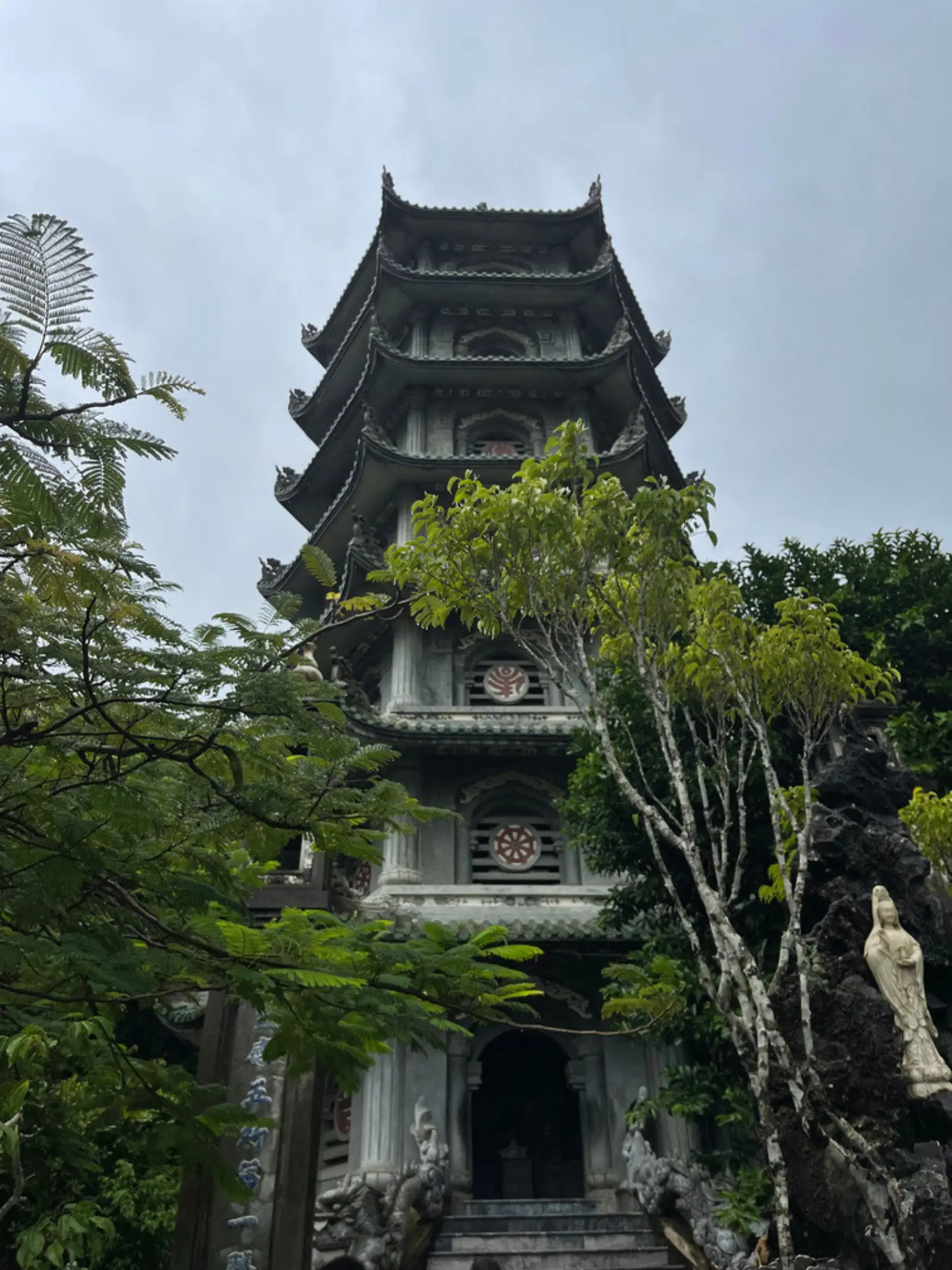
- Marble Mountains, a cluster of limestone hills with caves and pagodas between Da Nang and Hoi An.
- The Museum of Cham Sculpture in Da Nang, which holds many original carvings from Cham sites and helps make sense of what you see at My Son.
- Hue, the former imperial capital, a few hours north.
More photos
FAQ
How long do you need at My Son? Around 2 to 3 hours on site is enough for most visitors, plus travel time.
Is My Son better from Da Nang or Hoi An? Both work, but the drive is shorter from Hoi An.
Do I need a guide? It is not required, but a guide helps you understand the history and the meaning of the carvings.
Is there a cultural show? Traditional Cham dance performances have been held at the site. Check the schedule when you arrive.
When is the rainy season? Roughly September to December in central Vietnam.