Walter Ponce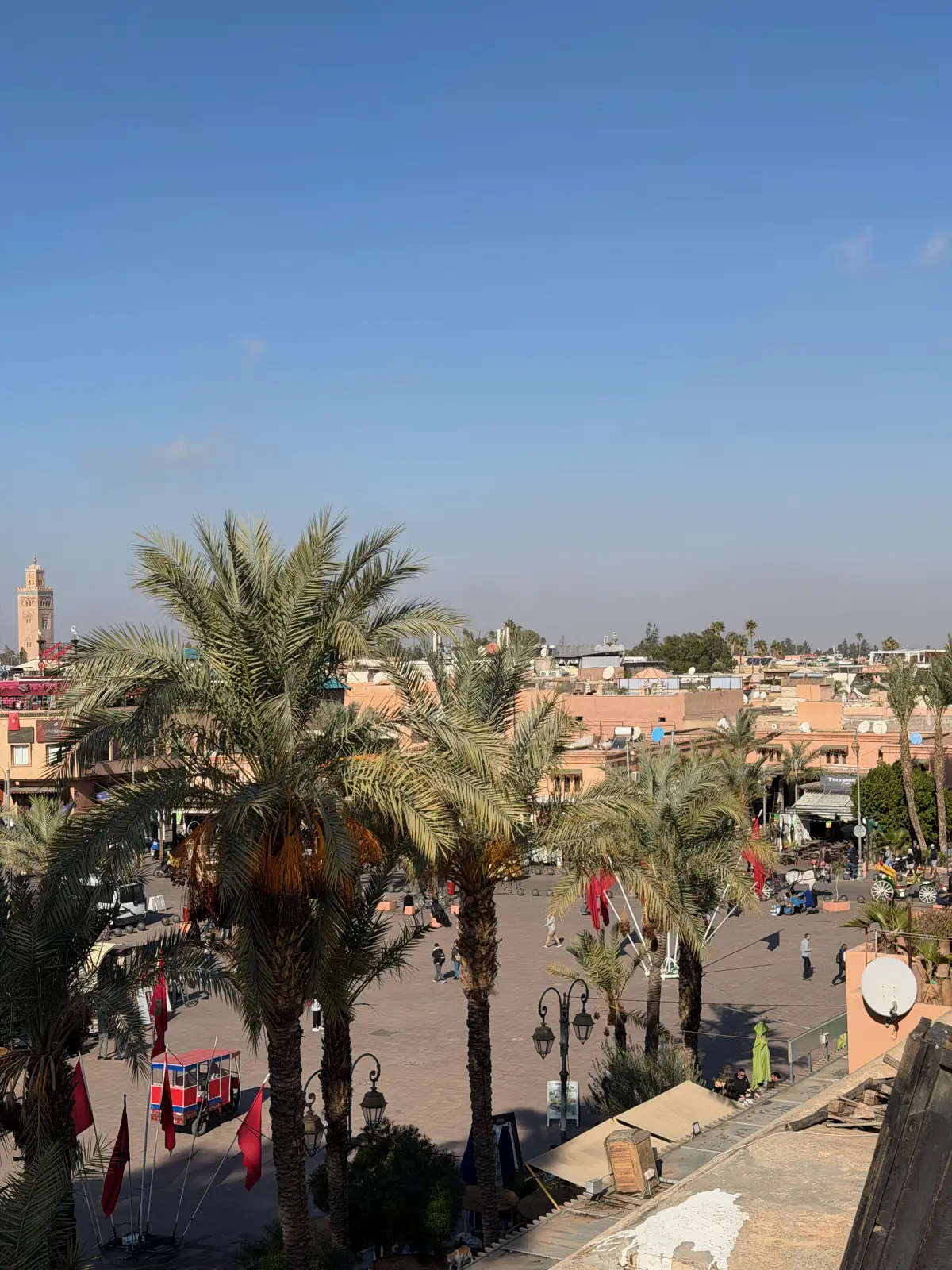
We started 2026 in Morocco. January is a great month for it: sunny, around 20 degrees in the afternoon, cold at night, and far fewer people than in spring. We flew from Barcelona to Marrakech, spent three nights in the medina, then went north to Casablanca for four.
I had been to Marrakech before (I wrote about Riad Le Jardin Secret), but this time we spent more time in the souks and added Casablanca, which most visitors skip. Here is the route, what we saw and the practical things worth knowing before you go.
The route at a glance
| Nights | City | What it is about |
|---|---|---|
| 3 | Marrakech | The medina, the souks, Jemaa el-Fna |
| 4 | Casablanca | Modern Morocco, Art Deco, the Atlantic, Hassan II Mosque |
There are direct flights to Marrakech from Barcelona and many other European cities. We flew home from Casablanca, which has the biggest international airport in the country.
Marrakech: three nights
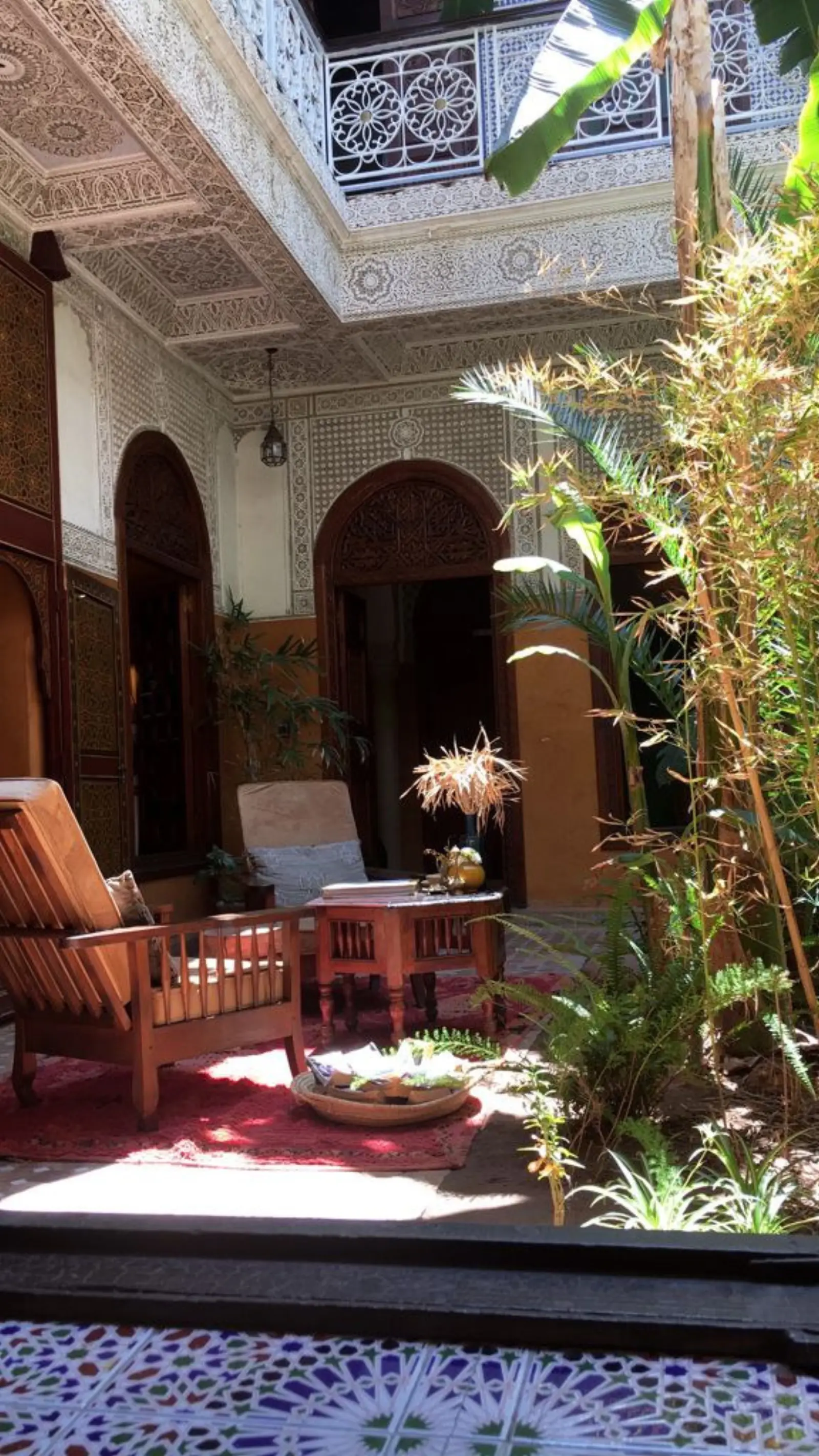
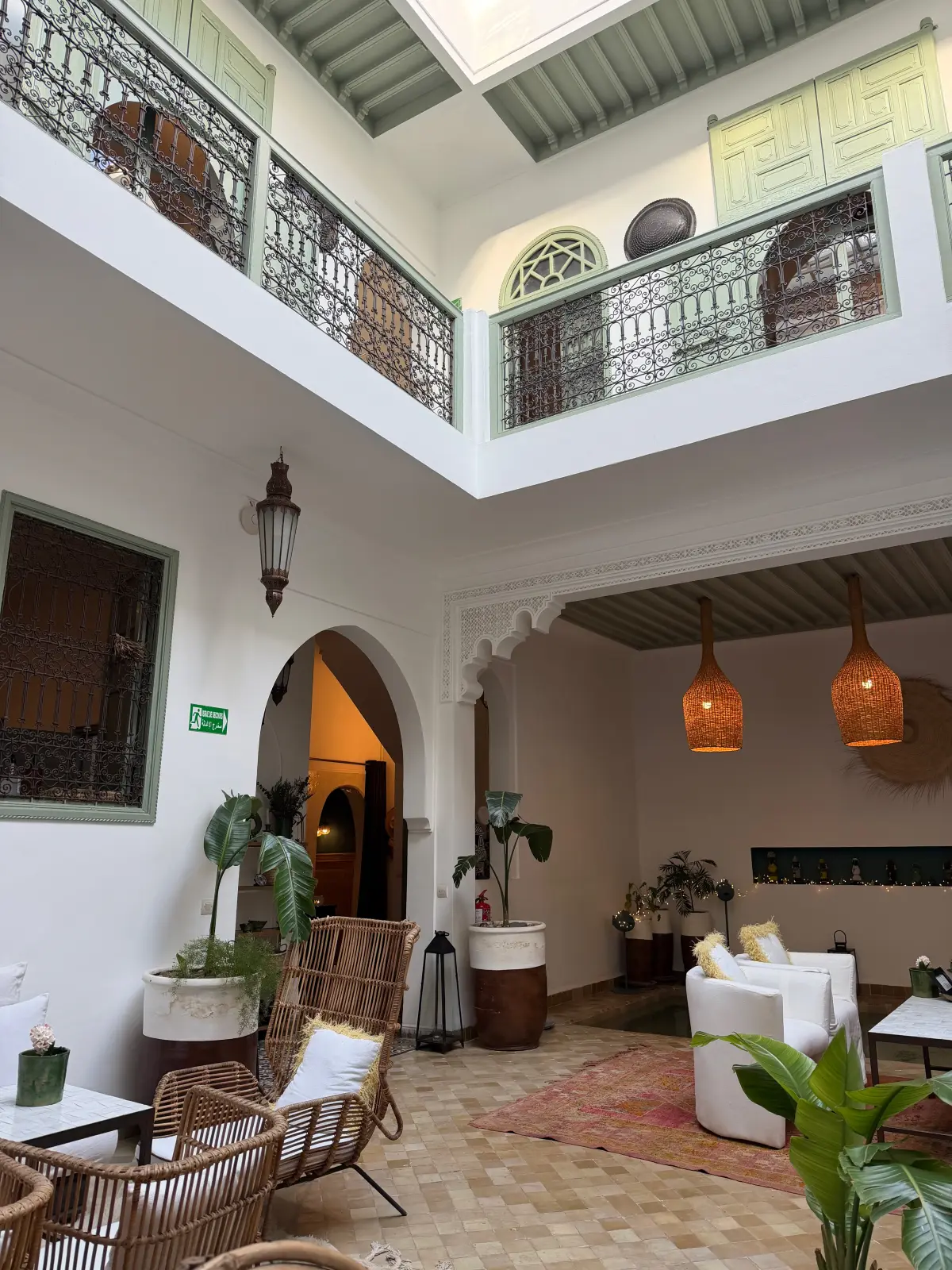
Where to stay. Inside the medina, ideally in a riad: a traditional house built around an inner courtyard, quiet the moment the door closes behind you. Most are a short walk from Jemaa el-Fna. The car-free lanes mean the taxi drops you at the nearest gate and someone from the riad usually comes to collect you, so agree the pick-up in advance.
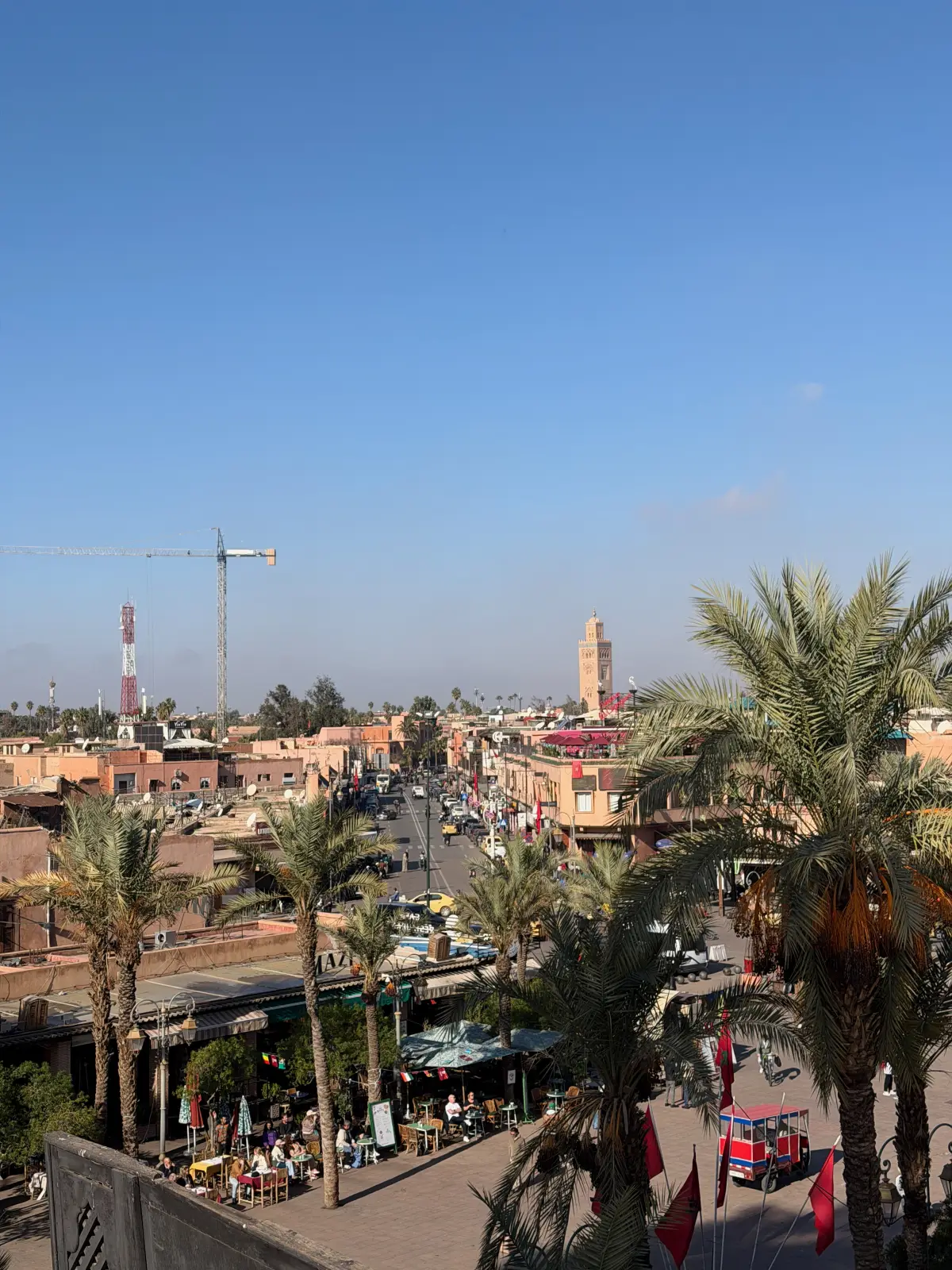
Jemaa el-Fna. The main square and the first place we went after landing. In the day it is orange-juice stalls, snake charmers and henna; at night it fills with food stalls, smoke and music. Sit on one of the café terraces around the edge at sunset and watch it change. The square is on UNESCO’s list of intangible cultural heritage, for its storytellers and performers.
The souks. North of the square the souks begin, and you will get lost. That is fine. We spent a whole day wandering: the Rahba Kedima square with its spice sellers and baskets, the leather souk, the lantern and metalwork stalls, and the lanes off Derb Souk Jedid. Bargain with a smile and walk away if the price does not feel right; they will often call you back.
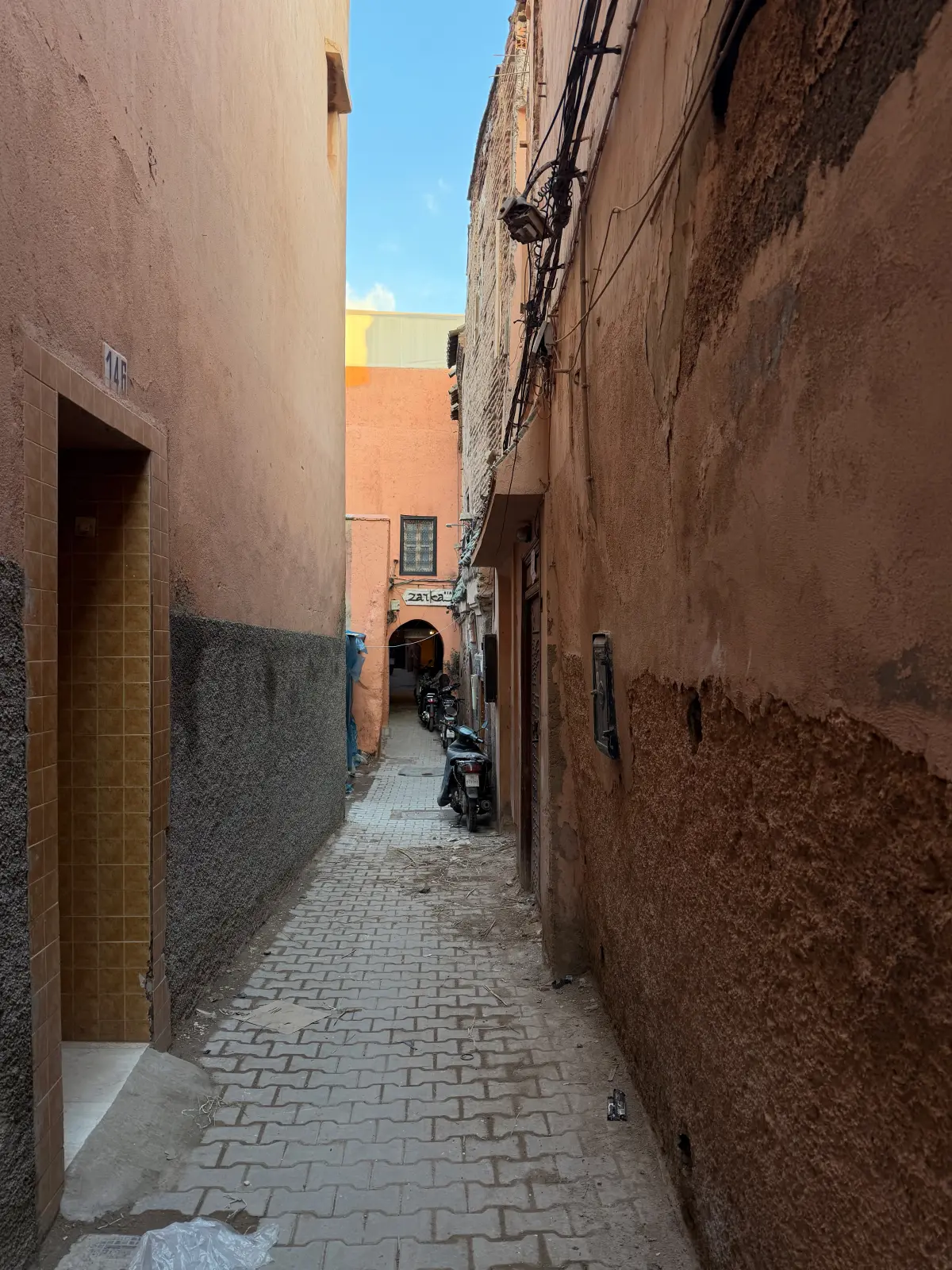
The Mellah and Riad Zitoun. On the second day we went south-east into the old Jewish quarter. Place des Ferblantiers, the tinsmiths’ square, is full of metal lanterns, and the streets around Riad Zitoun Lakdim are calmer than the main souks, with more locals and fewer touts. The Bahia Palace and the El Badi Palace are both in this part of the medina.
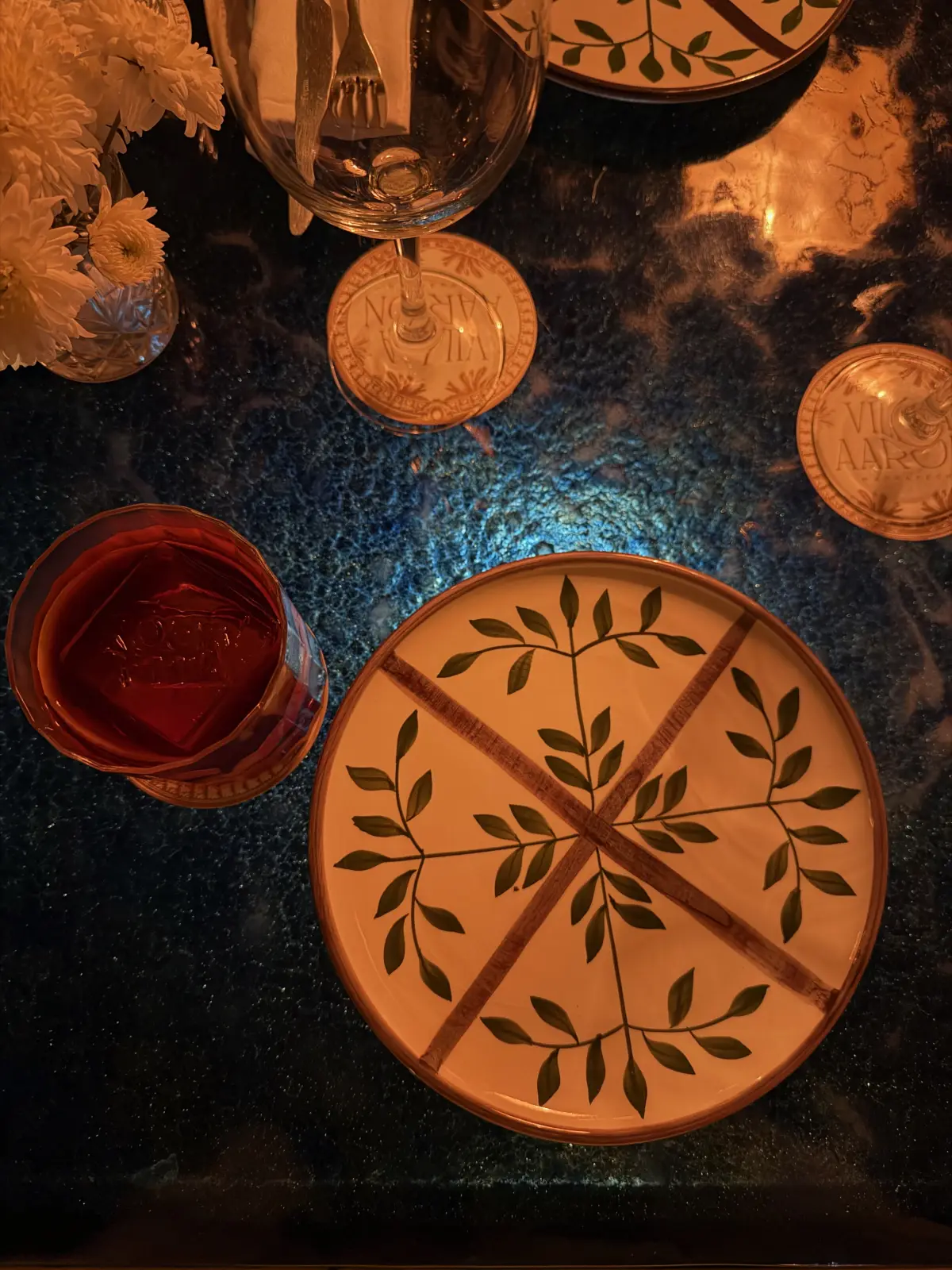
Eating. Tagines, couscous on Fridays, msemen pancakes for breakfast and mint tea all day. The rooftop restaurants around the square are touristy but the views at sunset are worth one evening.
If you have more time: the Jardin Majorelle and the Yves Saint Laurent Museum in the new town (book ahead), or a day trip to the Atlas Mountains.
From Marrakech to Casablanca
The two cities are about 240 km apart. The train (ONCF) takes around two and a half to three hours and is comfortable and cheap; buses and private drivers are the alternatives. From Casablanca, the high-speed Al Boraq train continues north to Rabat and Tangier.
Casablanca: four nights
Casablanca is not pretty in the way Marrakech is, and that is exactly why it is interesting. It is a big, modern working city on the Atlantic, with an amazing amount of Art Deco and early 20th-century architecture downtown.
Downtown. Walk along Boulevard Mohammed V and the streets around it (Rue du Docteur Veyre, Boulevard Moulay Youssef): white facades, wrought-iron balconies, old cinemas and cafés. A lot of it is faded, some of it is beautifully restored.
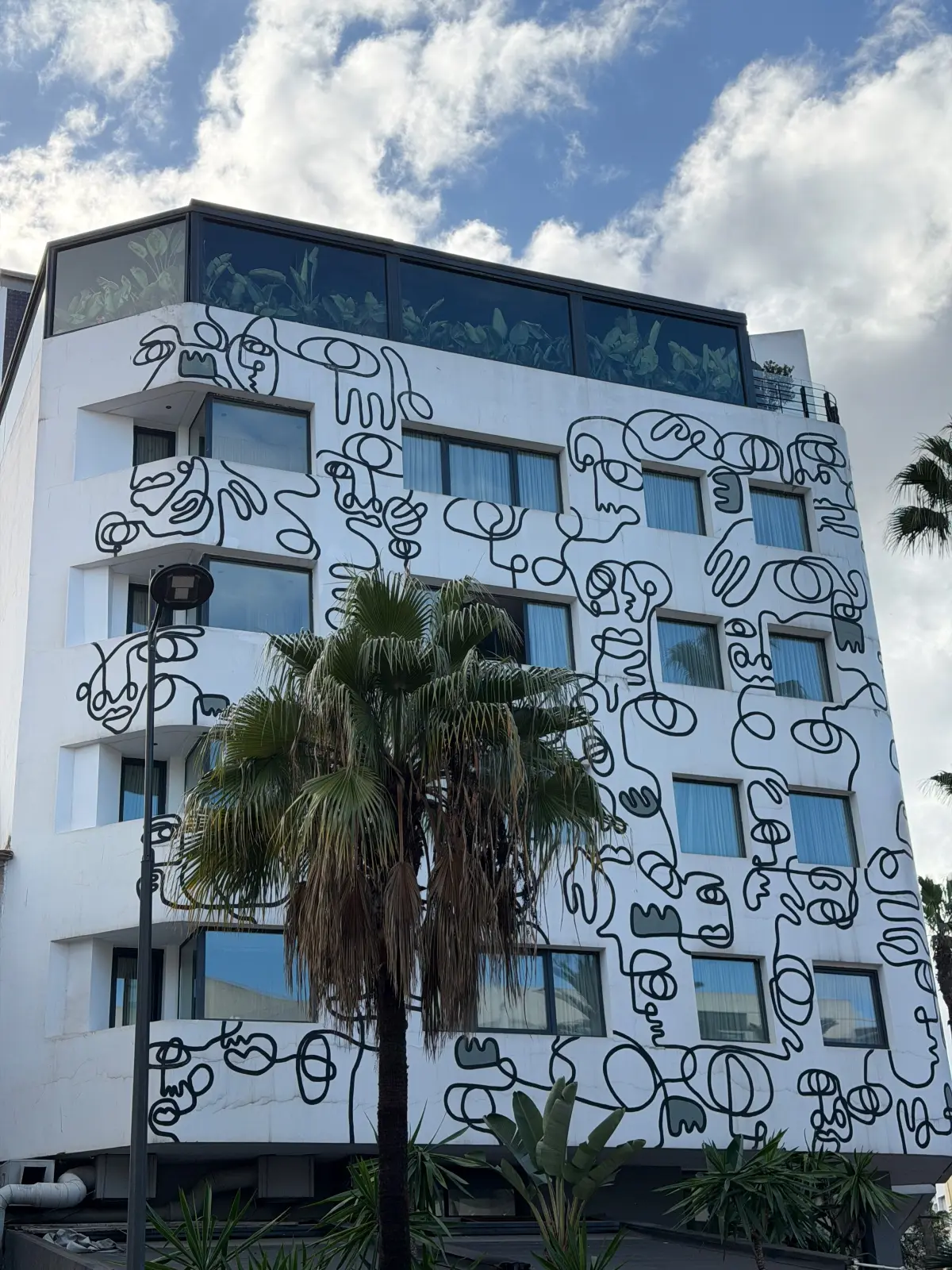
The Habous and the royal palace area. Next to the Mechouar, the royal palace district, is the Habous quarter, a “new medina” built in the 1930s. Much calmer than Marrakech, and good for olives, pastries and books.
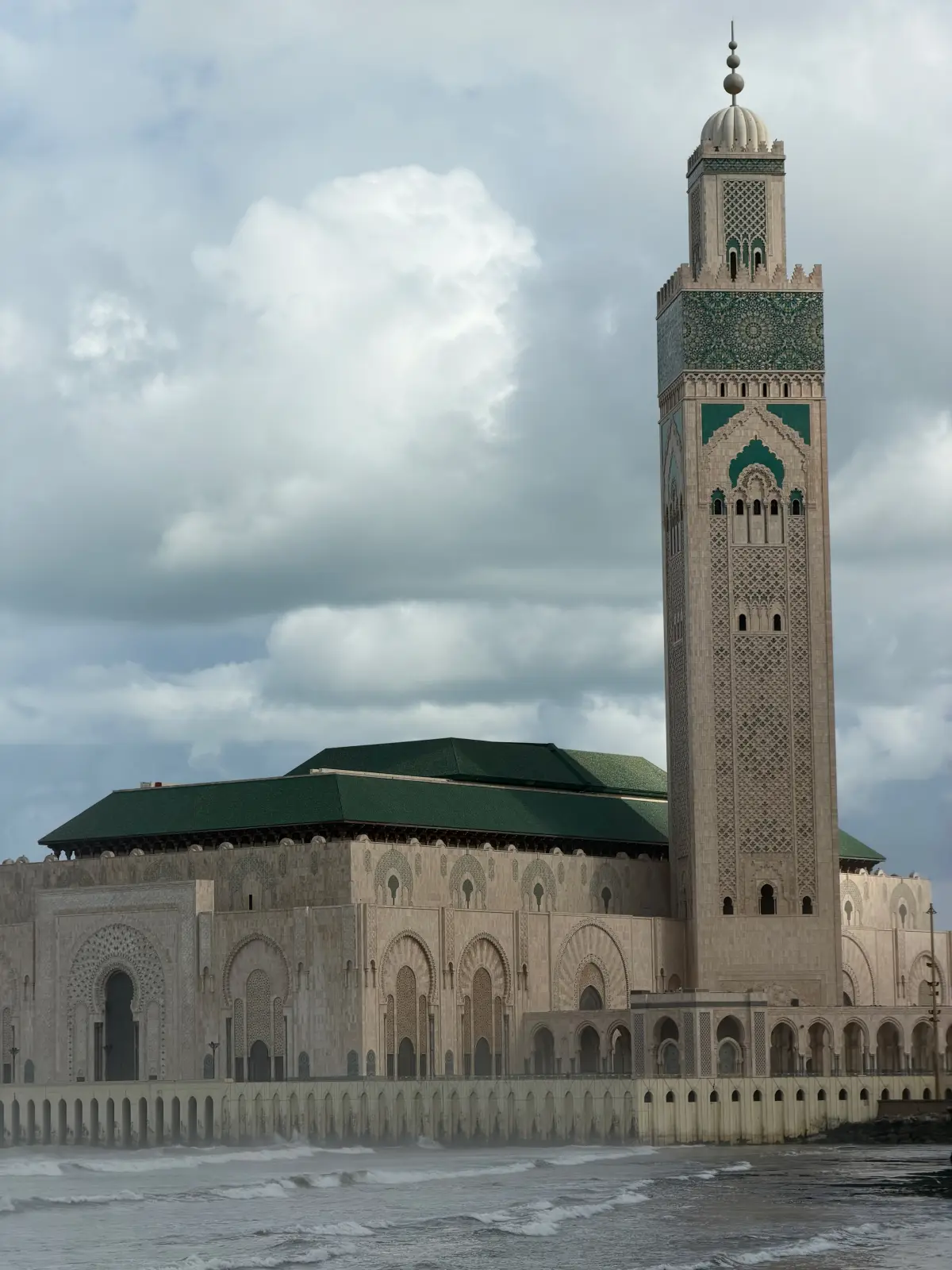
The Hassan II Mosque. Head west to the ocean for the Hassan II Mosque, which stands on a platform over the sea and has one of the tallest minarets in the world, at around 210 metres. Even on a grey, windy day with the Atlantic crashing against the walls, it is a sight you will not forget. It is one of the few mosques in Morocco that non-Muslims can enter, on guided tours outside prayer times.
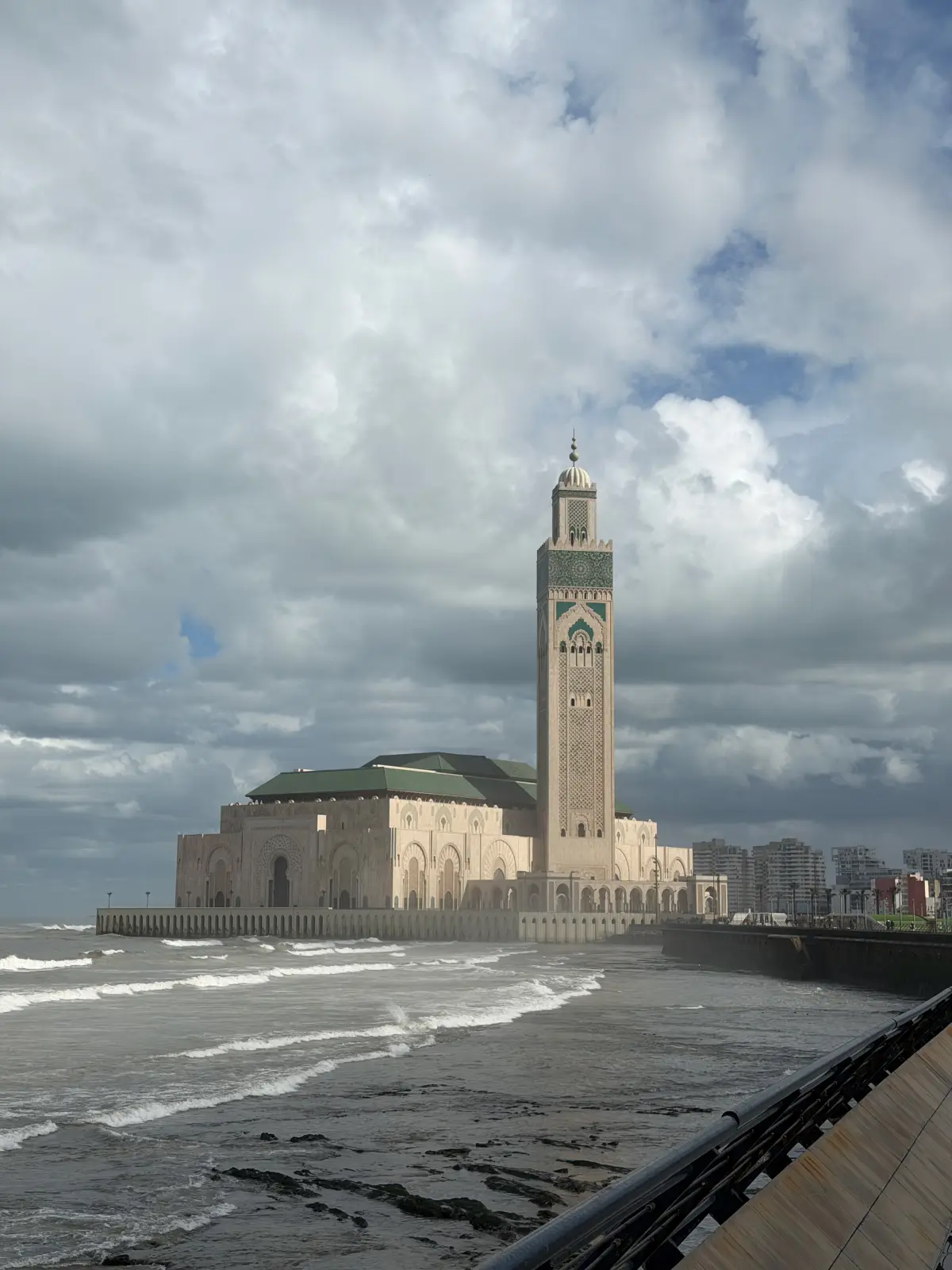
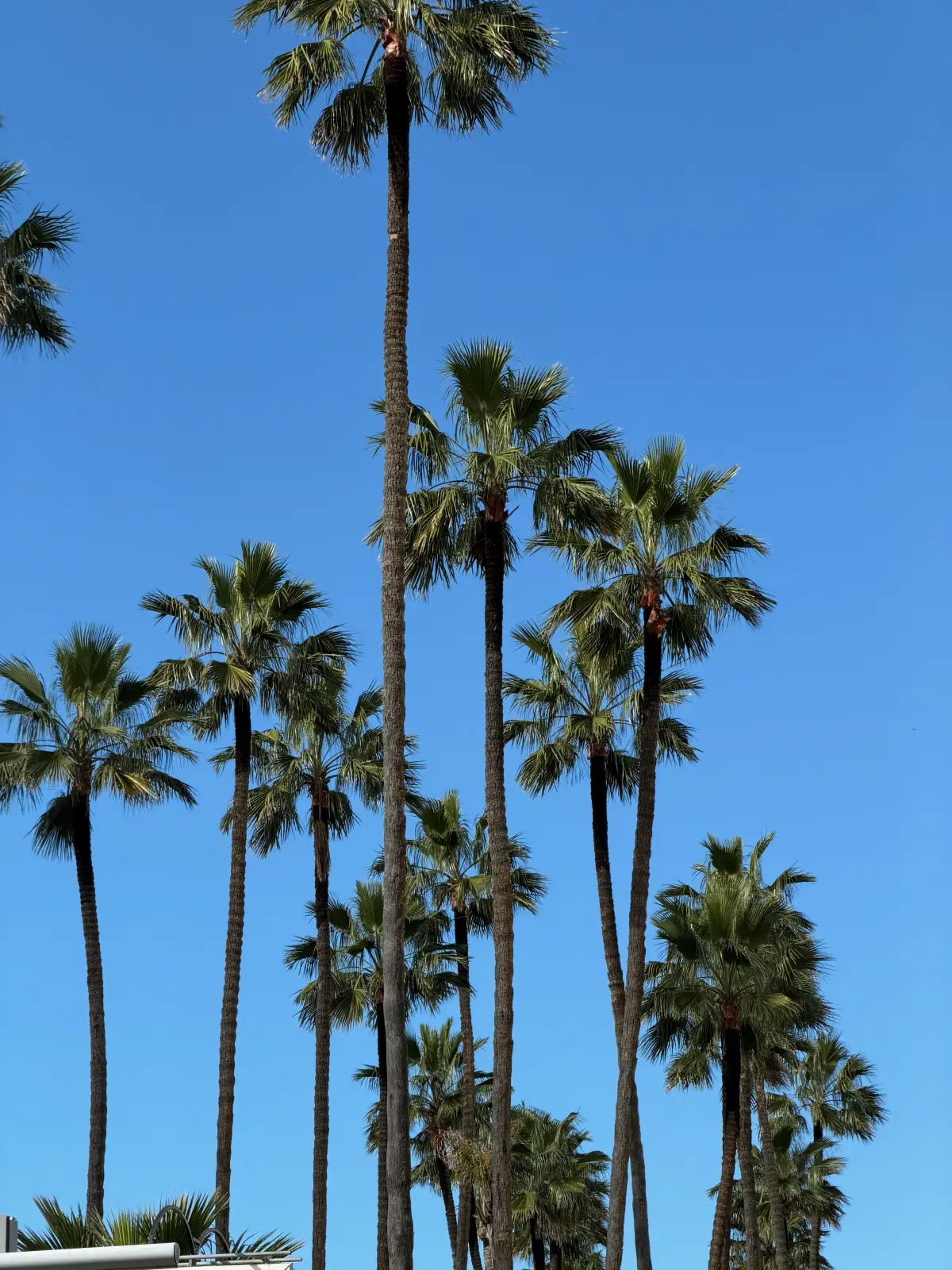
The Corniche. From the mosque, the seafront road continues west to Ain Diab, with beach clubs, cafés and restaurants facing the ocean.
Practical tips for Morocco
- Visa: Swiss and EU citizens can visit Morocco visa-free for up to 90 days. Check the rules for your passport.
- Money: the dirham is a closed currency, so you get it on arrival from ATMs or exchange offices. Carry cash: the souks and small cafés do not take cards.
- Dress: light, modest clothing (shoulders and knees covered) is respectful, especially in the medina and at religious sites.
- Guides: ignore people who offer to “show you the way” in the medina. Use your phone’s map or book an official guide through your riad.
- Taxis: in Marrakech, agree the price before you get in. In Casablanca, the red petits taxis use the meter.
Budget
Morocco is very good value compared to Switzerland or Spain. A nice riad in Marrakech or a central hotel in Casablanca costs a fraction of what you would pay at home, and eating out is cheap unless you go for the high-end rooftops. Flights from Europe are short and often inexpensive, especially in winter.
FAQ
Is January a good time to visit Morocco? Yes. Days are sunny and mild (around 18–22°C in Marrakech), nights are cold, and the cities are much quieter than in spring.
Is Casablanca worth visiting? Yes, for two or three days. Go for the Hassan II Mosque, the Art Deco downtown and a look at modern Morocco, and it is a convenient airport to fly home from.
How many days do you need in Marrakech? Three days is enough for the medina, the souks, the palaces and the Majorelle Garden. Add a day or two if you want to go to the Atlas Mountains.
How do you get from Marrakech to Casablanca? By train in about two and a half to three hours. It is the easiest and cheapest option.