Walter Ponce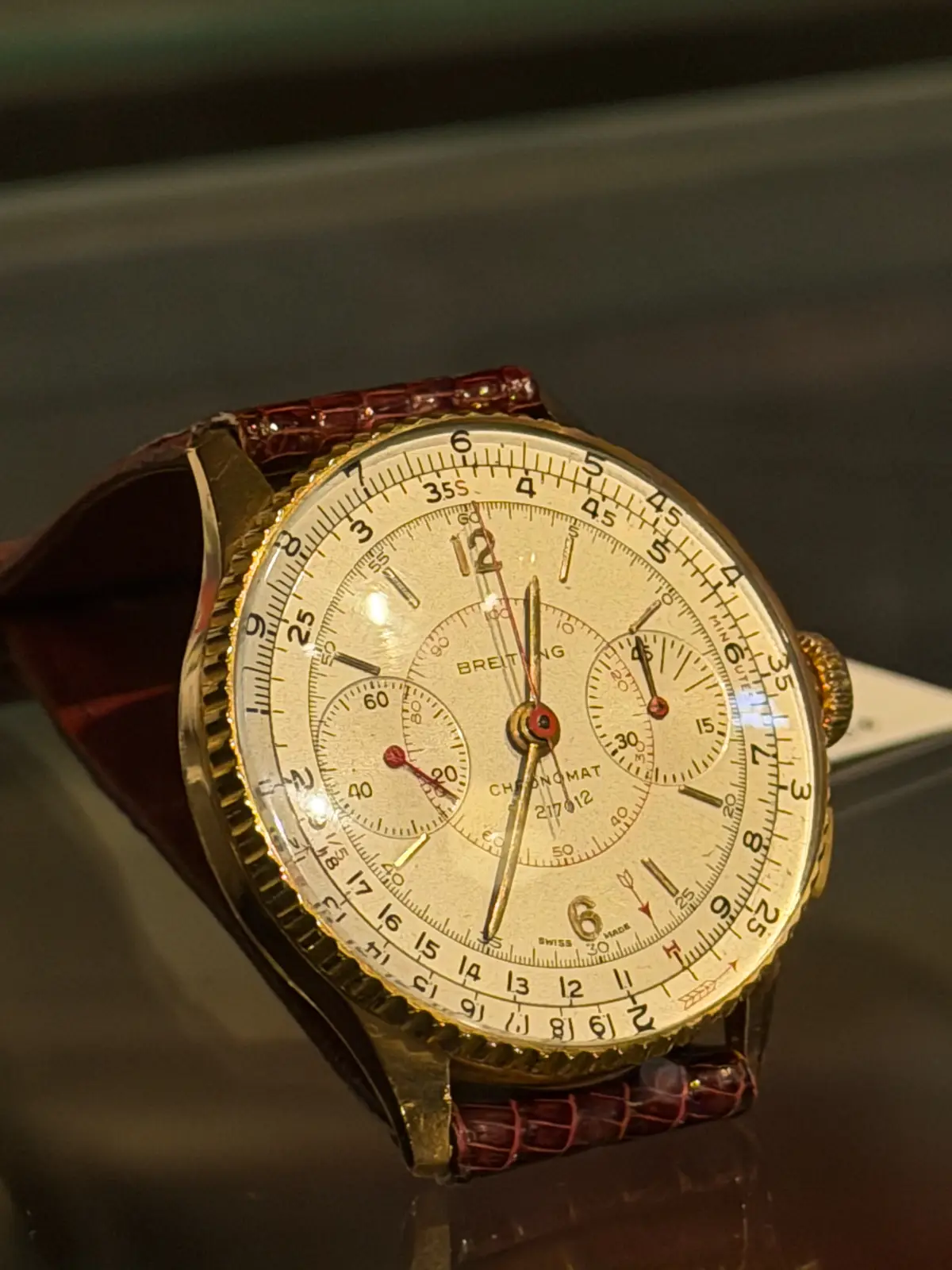
Japan is one of the best countries in the world to buy a pre-owned watch. Collectors take care of their pieces, dealers describe condition honestly, and the domestic market is full of models that are rare in Europe. In Tokyo, one building concentrates a surprising amount of that in one place: Nakano Broadway.
As somebody who buys and sells pre-owned watches, this was a stop I had planned from the start of our trip to Japan. Here is what to expect and how to buy safely.
What is Nakano Broadway?
A 1960s shopping complex just north of Nakano Station, ten minutes from Shinjuku on the JR Chuo line. The ground floor is a normal shopping arcade, but the upper floors are a maze of small specialist shops for collectors: anime and manga, figures, retro games, cameras, and a whole cluster of watch dealers, from tiny counters to bigger shops.
Nakano Broadway opened in 1966 as an upmarket complex of shops with apartments above. Over the decades it turned into one of Tokyo’s best-known hubs for collectors, helped by the manga and anime retailer Mandarake, which started in the building and now runs many small shops there. The watch dealers grew up alongside, and today the building is a regular stop for collectors visiting Tokyo.
What you find
The range is wide, which is what makes it fun:
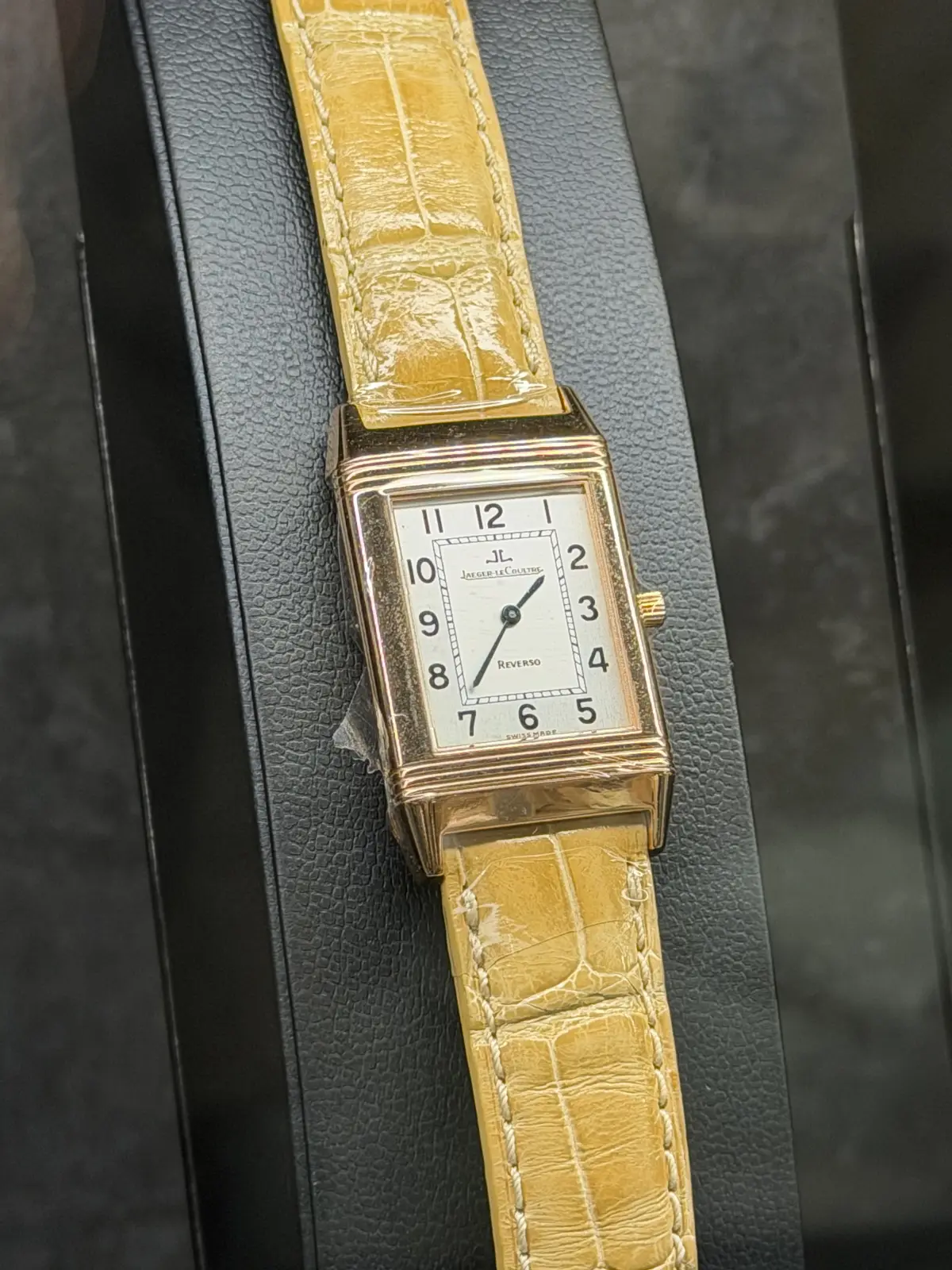
- Vintage chronographs and dress watches from Swiss brands, often with honest, original condition.
- Cartier, especially the Must de Cartier and Tank models, which are popular in Japan.
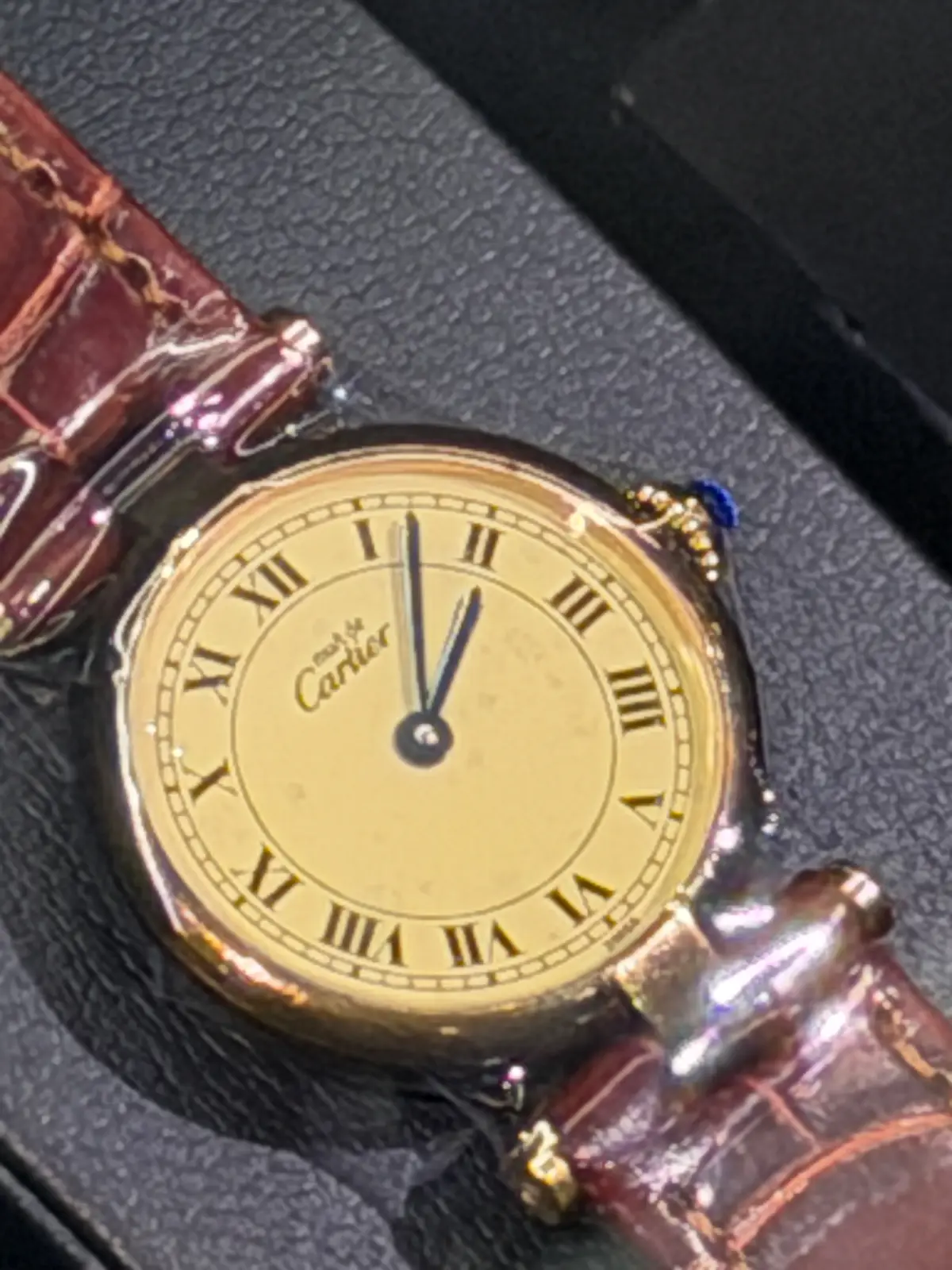
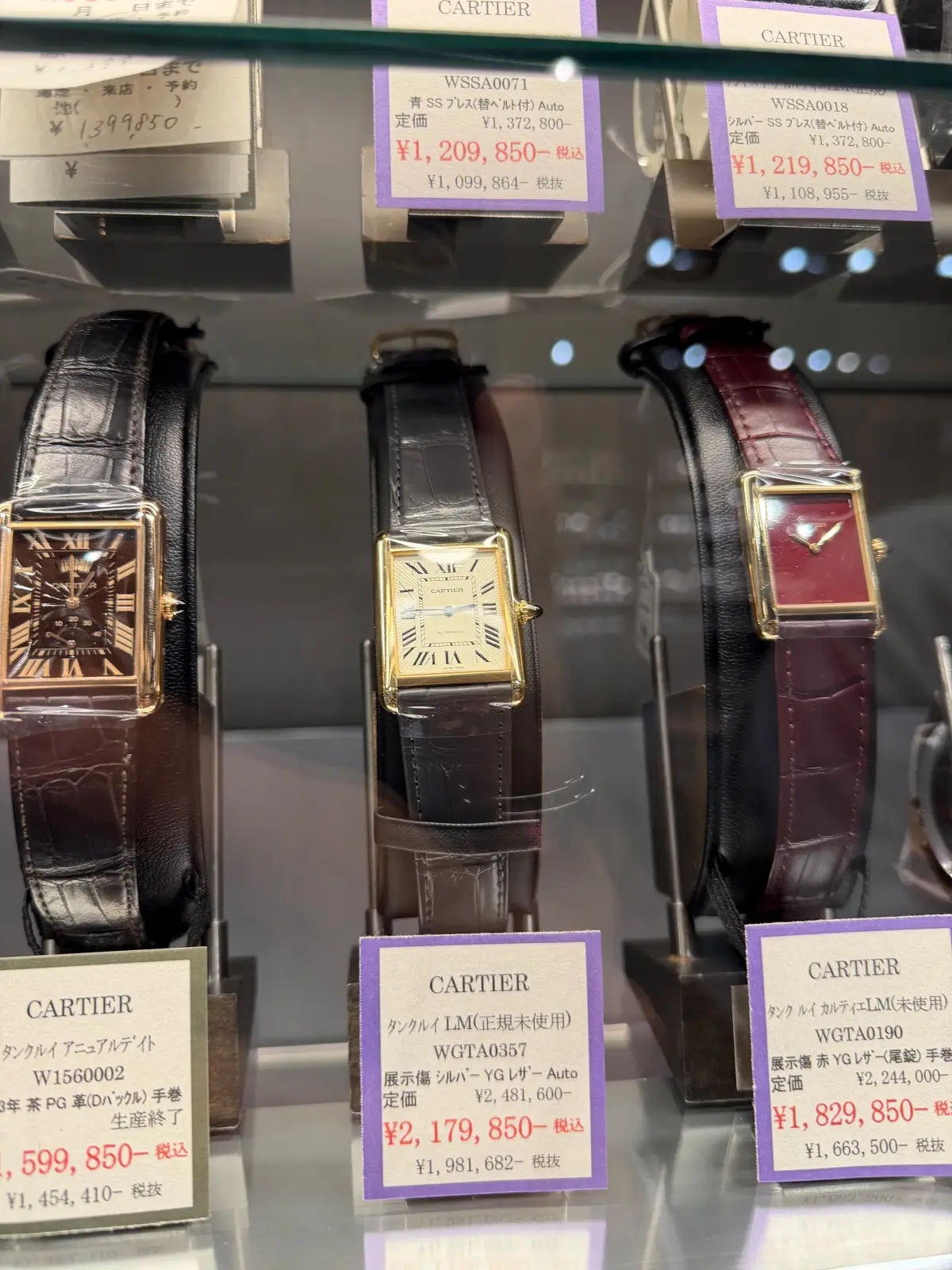
- Rectangular and dress watches on leather straps.
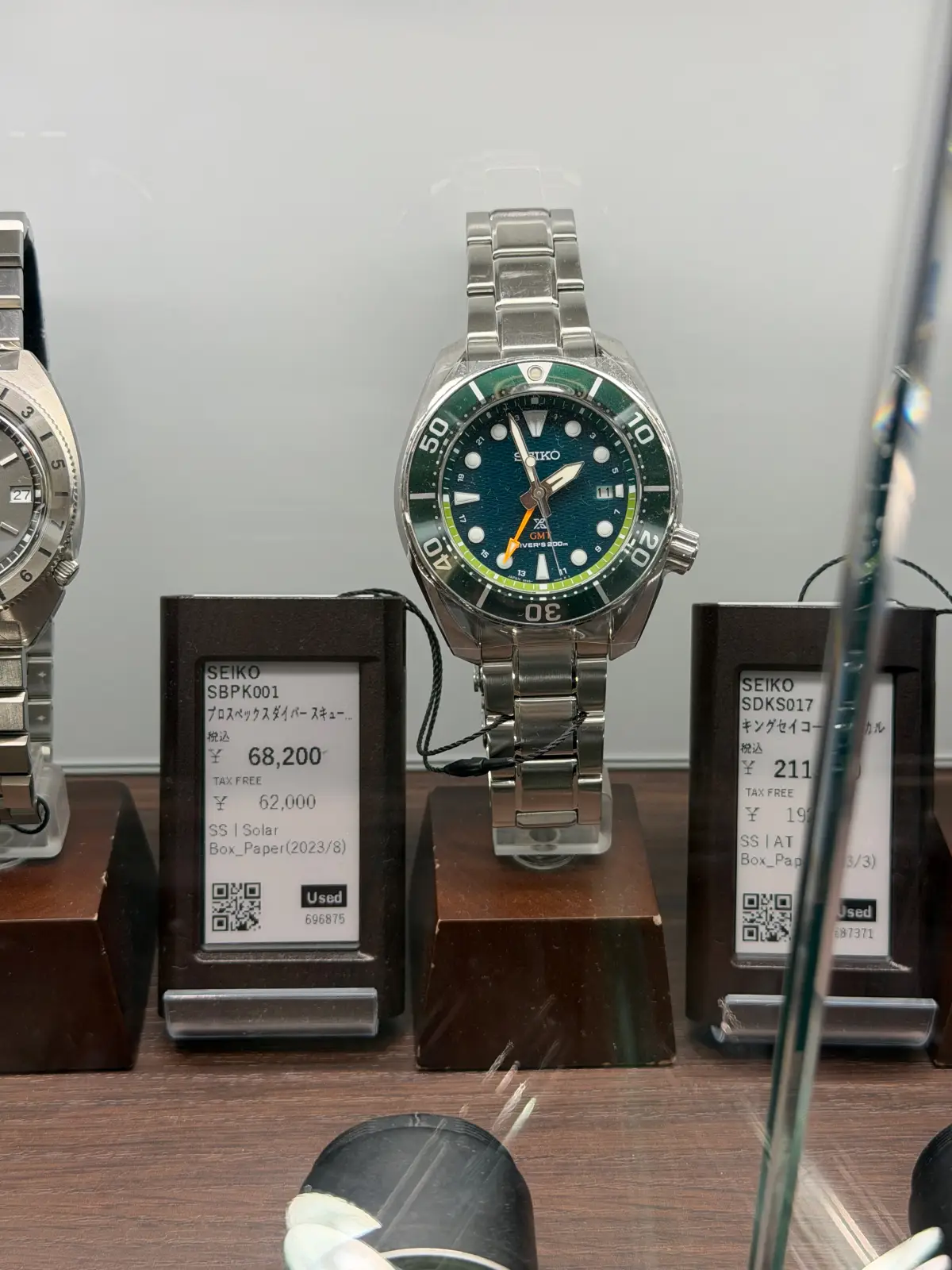
- Japanese brands: Seiko, Grand Seiko and Citizen, including domestic-market models that are hard to find in Europe.
- Modern sports watches at the bigger shops.
How to buy safely
- Read the tag. Japanese dealers usually list the reference, the condition grade, the movement status and whether box and papers are included. Ask staff to translate if needed.
- Ask about servicing. Many shops service watches in-house before sale and offer a short shop warranty. Ask how long, and what it covers.
- Check the movement and case. For high-value pieces, ask to see the movement, and compare the reference and serial with what is engraved on the case.
- Know your references. Look up the reference online while you are in the shop, including recent sold prices, not just asking prices.
- Mind the import rules at home. When you bring a watch back to Switzerland or the EU, it may be subject to VAT and duties above your allowance. Keep the receipt.
Reading a Japanese price tag
Tags are often partly in Japanese. A few words help:
- 中古 (chuko): used / pre-owned.
- 新品 (shinpin): new, unworn.
- 未使用 (mishiyo): unused, but not necessarily brand new stock.
- 箱 (hako): box. 保証書 (hoshosho): warranty card, i.e. the papers.
- 保証 (hosho): the shop’s own warranty, often with a period in months.
- オーバーホール (obahoru): overhaul, meaning the watch has been serviced.
- 税込 / 税抜 (zeikomi / zeinuki): price including / excluding consumption tax.
Many dealers also use a letter grade for condition, with letters like S or A for the best condition and B or C for visible wear. Each shop sets its own scale, so ask what the grade means there.
Questions worth asking on vintage pieces
- Is the dial original? Redials and refinished dials are common on older watches and affect value a lot.
- Are the hands, crown and bracelet original to the watch, or replacements?
- Has the case been polished? Heavy polishing softens edges and reduces collector appeal.
- Is it water resistant? On vintage watches, assume not, even if the dial says otherwise.
Tax-free shopping
Visitors to Japan can buy tax-free in participating shops, saving the 10% consumption tax. Bring your passport, and ask before paying whether the shop offers tax-free. The rules have been changing, so check the current system on the day.
The biggest change: from 1 November 2026, Japan moves to a refund system. Shops charge the full price including tax, and the tax is refunded after customs confirm at the airport or port that the goods are leaving Japan. Keep the watch in your hand luggage, leave time for the tax-free terminal before you check in, and expect the refund to arrive after you are home.
Tips for the visit
- Go in the afternoon. Many shops open around noon.
- Allow two to three hours. The building is bigger than it looks.
- Cash and cards: most watch shops take cards, but small counters may prefer cash.
- Combine it with lunch in Nakano’s Sun Mall arcade, or the vintage shops of Koenji one stop further on the Chuo line.
Other places for watches in Tokyo
Nakano Broadway is the most fun to browse, but it is not the only place. Ginza and Shinjuku have large pre-owned watch dealers with big stock and clear pricing, and department stores sell new watches at retail.
FAQ
Is Nakano Broadway good for vintage watches? Yes. It has a cluster of watch dealers under one roof, with a wide range from vintage Swiss pieces and Cartier to Japanese brands.
How do you get to Nakano Broadway? Take the JR Chuo line or the Tokyo Metro Tozai line to Nakano Station. It is about ten minutes from Shinjuku.
Can tourists buy watches tax-free in Japan? Yes, in shops that offer tax-free sales. Bring your passport and check the current rules before paying.
Can you negotiate prices at Nakano Broadway? Haggling is not common in Japanese shops, and most prices are fixed. On expensive pieces, it is fine to ask politely whether there is any flexibility, but don’t expect market-stall bargaining.
Are watches cheaper in Japan than in Europe? Sometimes. Depending on the exchange rate, a deep domestic market can make some models good value, especially Japanese brands and vintage pieces. Compare with recent sold prices at home, and include import VAT and duties in your sums.
What time does Nakano Broadway open? The building opens in the morning, but many of the specialist shops only open around midday and close in the evening. Some shops close on certain weekdays, so check opening hours for the ones you most want to see.