Walter Ponce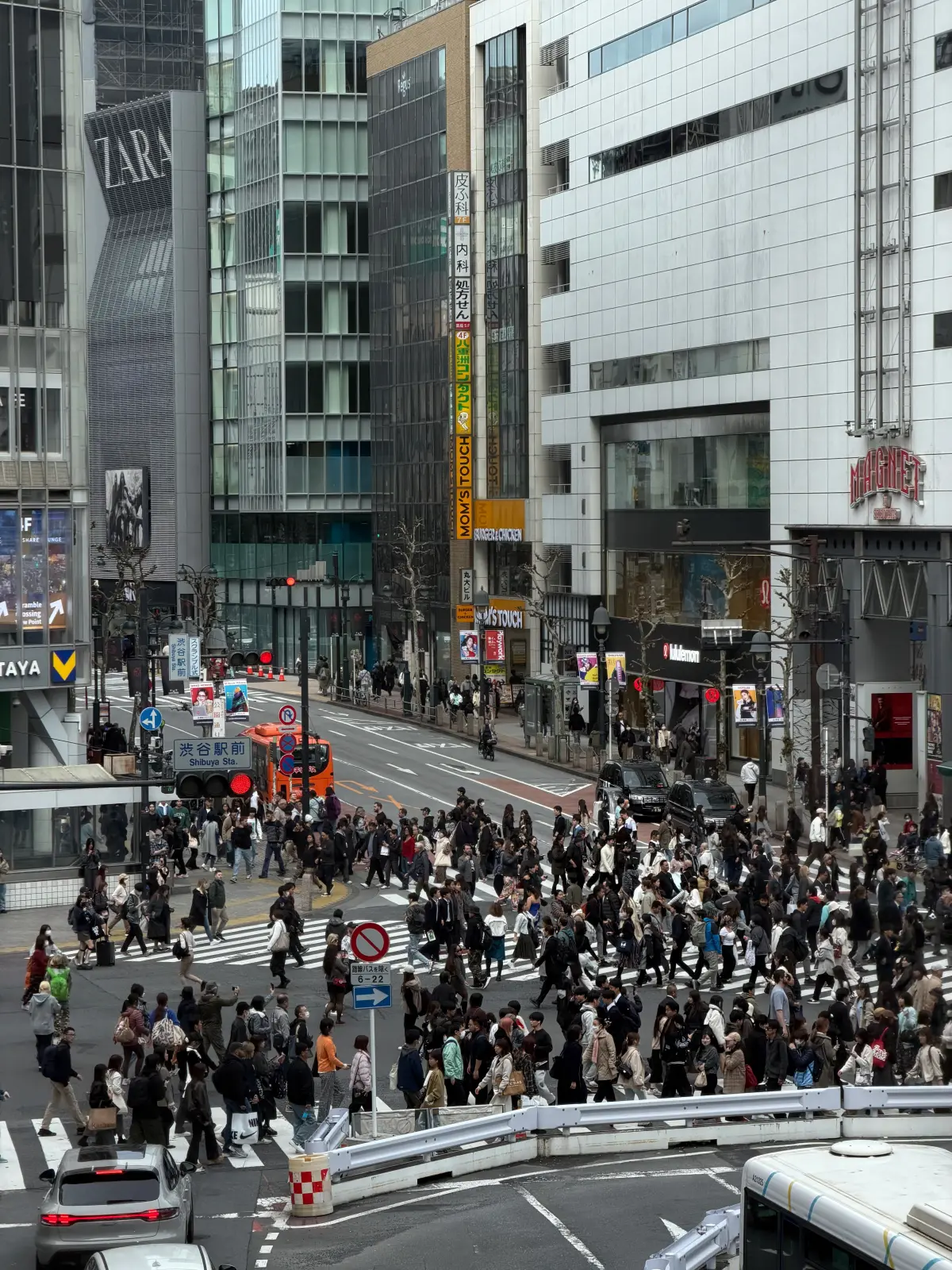
Tokyo is not one city, it is fifty villages glued together by trains. The best way to see it is one or two neighbourhoods a day, on foot, without trying to tick everything off. We based ourselves in Shibuya for six nights at the start of our three weeks in Japan, and this is how the days actually went, plus everything I would tell a friend before they go.
Where to stay in Tokyo
We stayed in Shibuya and it was perfect: a huge station with every line, endless food, and you are never more than 20 to 30 minutes from anything. Other good bases:
- Shinjuku: the biggest transport hub, lively at night, great for first-timers.
- Ginza: central, calmer, more upmarket, close to Tokyo Station for the bullet train.
- Asakusa: cheaper and more traditional, but further from the west side of the city.
Whatever you choose, pick a hotel within five minutes’ walk of a big station. You will thank yourself every evening.
Day 1: Shibuya and Shinjuku after dark
We landed, dropped the bags and went straight back out. If you only do one thing on your first evening, go up Shibuya Sky, the open-air deck on top of Shibuya Scramble Square, about 230 metres up. You look straight down on the Scramble Crossing and out over the whole city. Book a time slot online around sunset; it sells out.
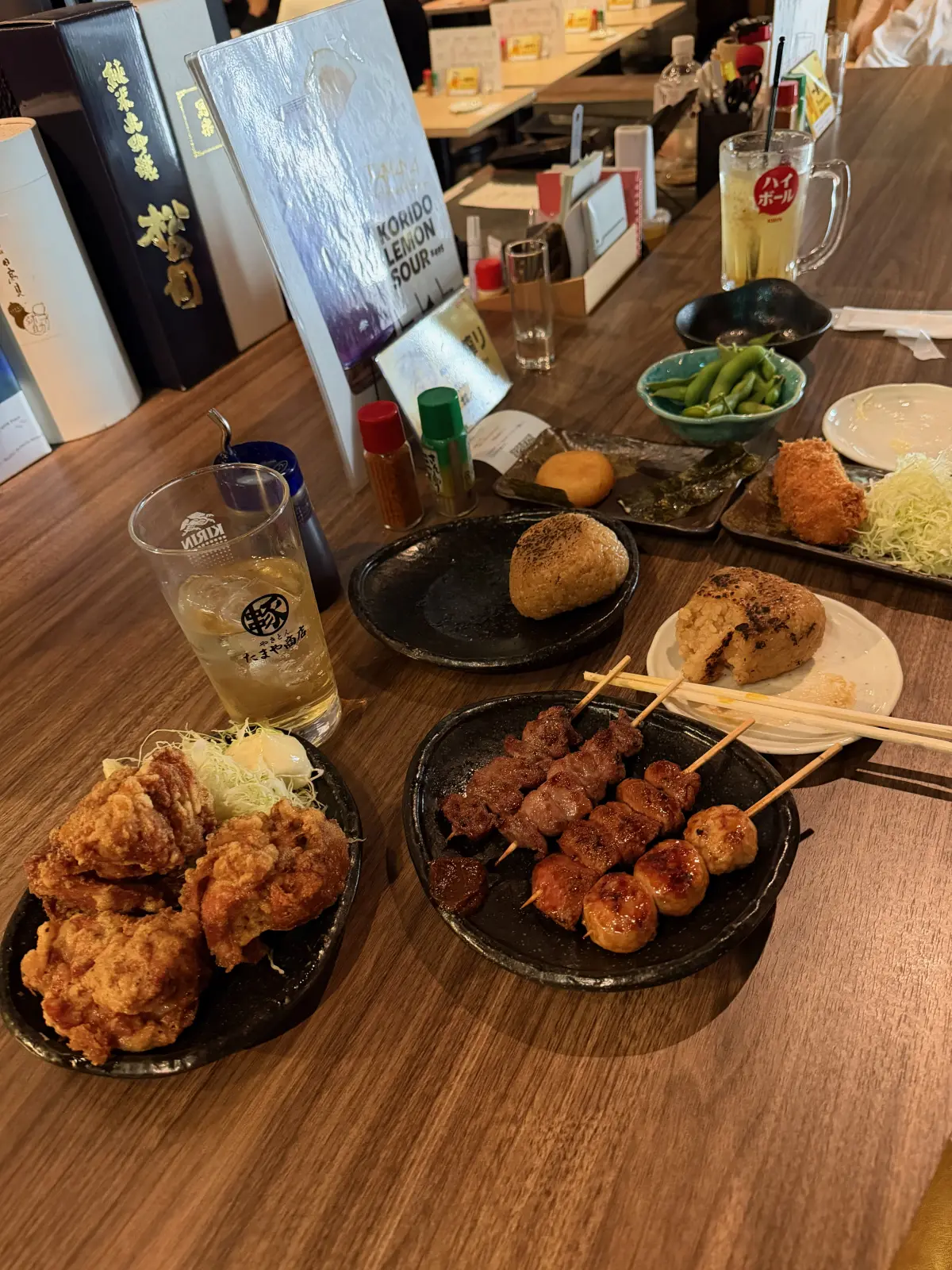
From there it is one stop to Shinjuku and the neon of Kabukichō. It is loud, a bit much, and exactly what you imagine Tokyo to be on night one. Nearby, the tiny bars of Golden Gai and the yakitori alleys of Omoide Yokocho are worth a look.
Day 2: Harajuku, Meiji Jingu and Yoyogi Park
Walk from Shibuya up to Harajuku, then turn into the forest of Meiji Jingu. Two minutes after the busiest shopping street in Tokyo you are under huge cedar trees and it is quiet. The shrine, completed in 1920, is dedicated to Emperor Meiji, and the walk in through the giant wooden torii is the best part.
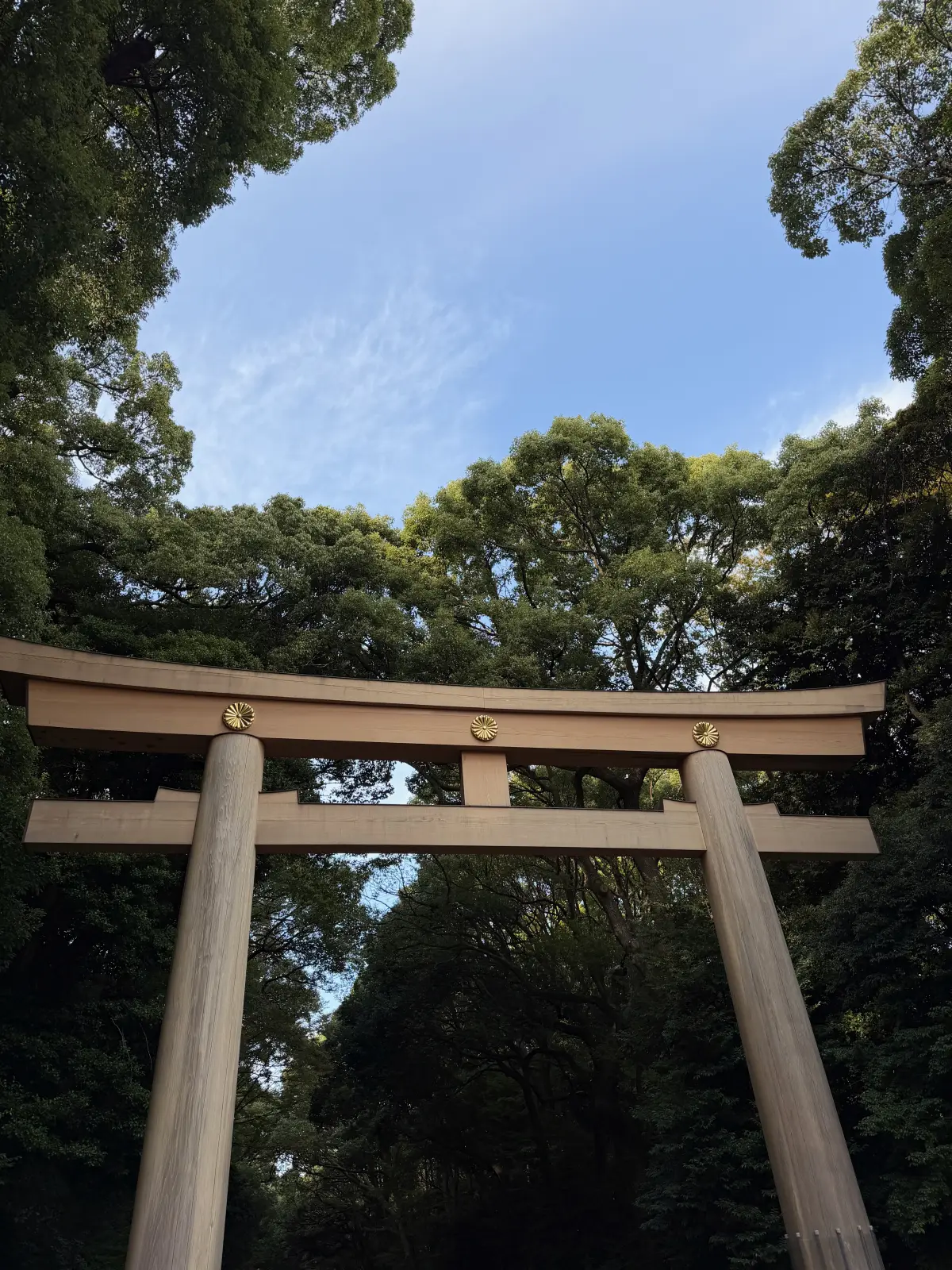
Inside the grounds there is a separate inner garden with a teahouse and a pond, which most visitors skip.
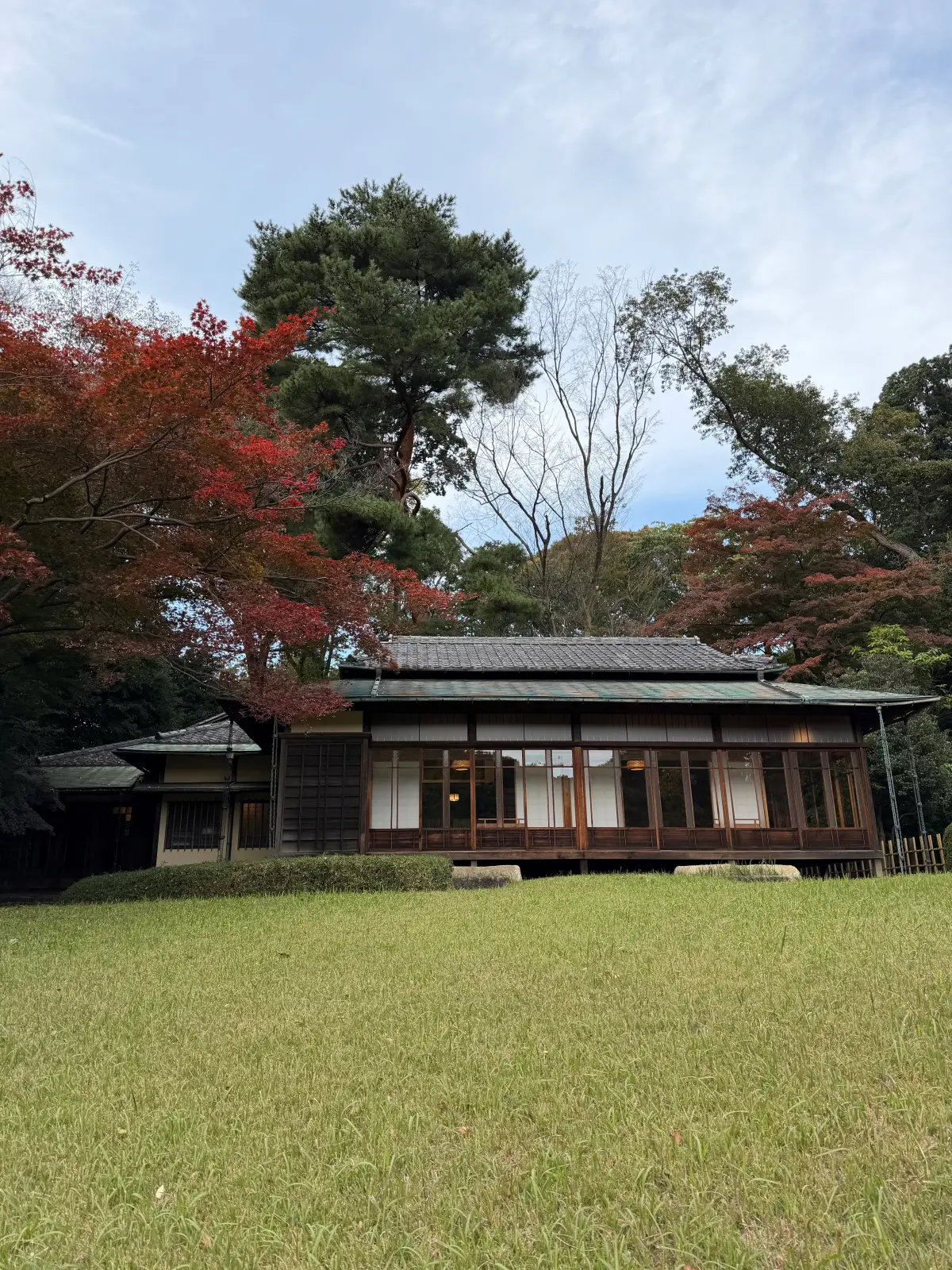
Yoyogi Park is next door and good for a slow hour with a coffee. Then back down through Jingumae and Omotesandō, Tokyo’s avenue of flagship stores and striking architecture.
Day 3: Asakusa, Senso-ji and the Skytree
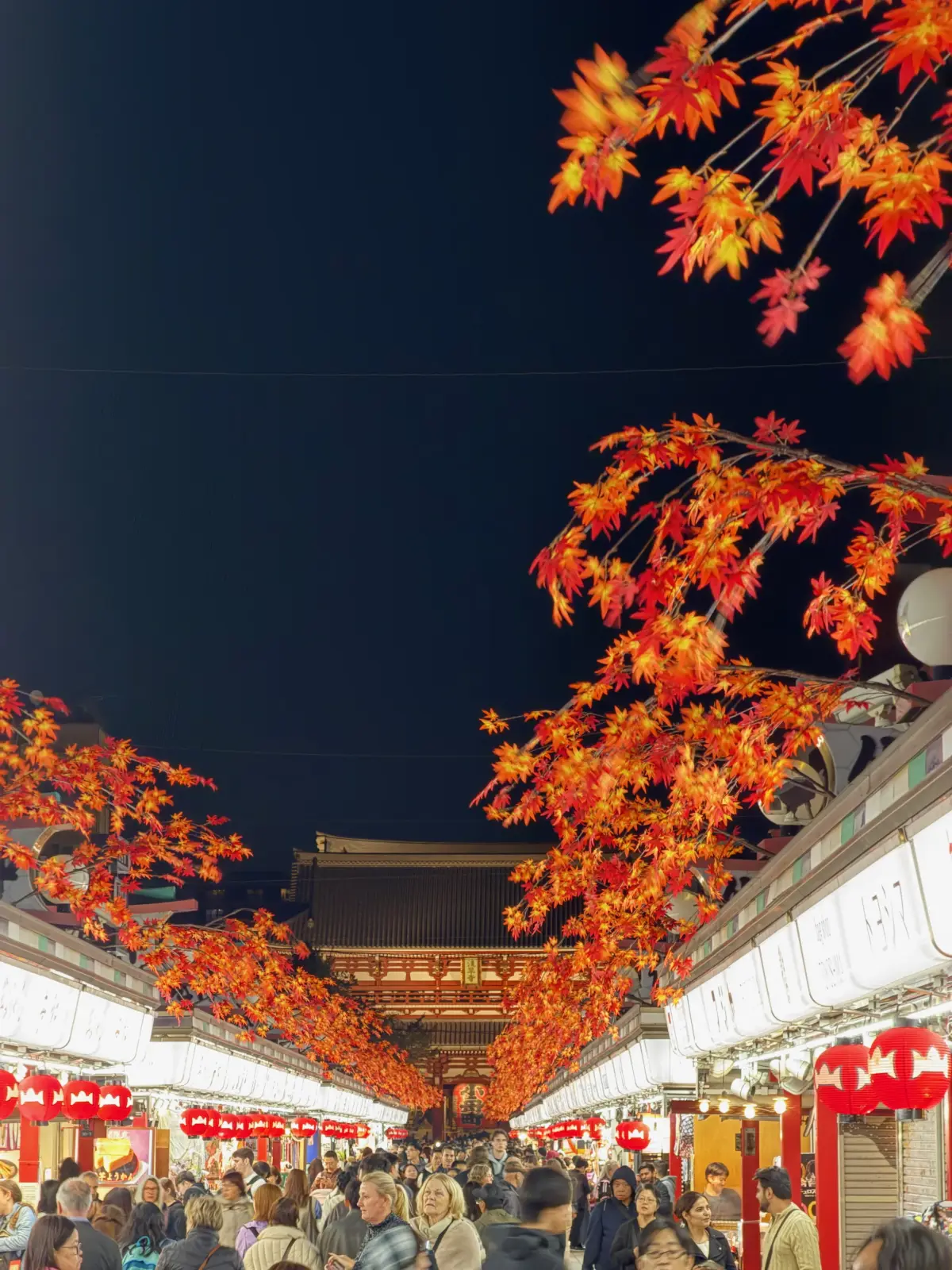
The east side of Tokyo feels older. Start at Kaminarimon, the big red gate with the lantern, and walk up Nakamise street to Senso-ji, Tokyo’s oldest temple. Get there early: by late morning it is very busy. The side streets around Dembo-in are calmer.
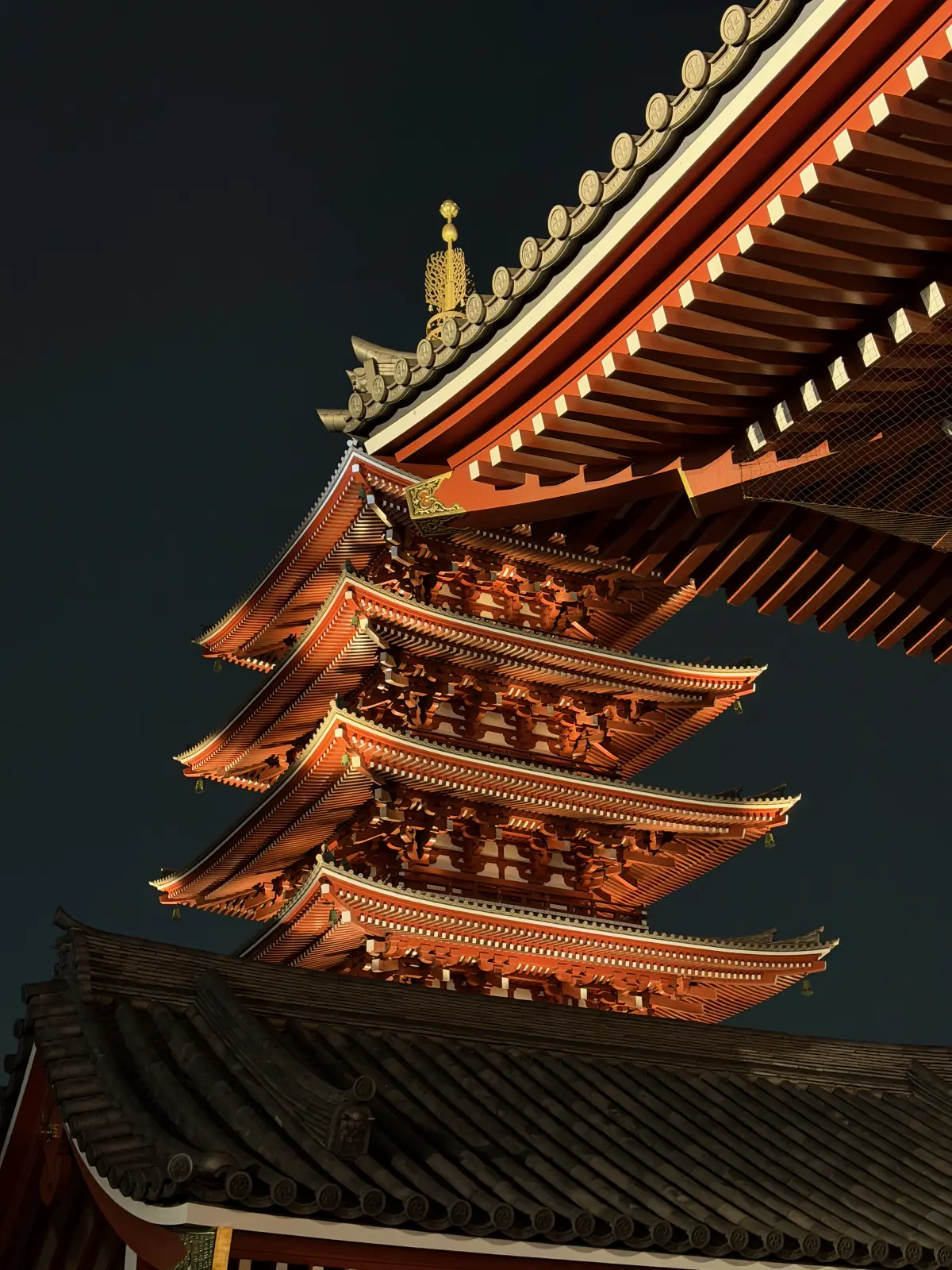
Come back after dark too: the pagoda and Nakamise are lit up, the crowds are gone, and in November the maples over the street turn red.
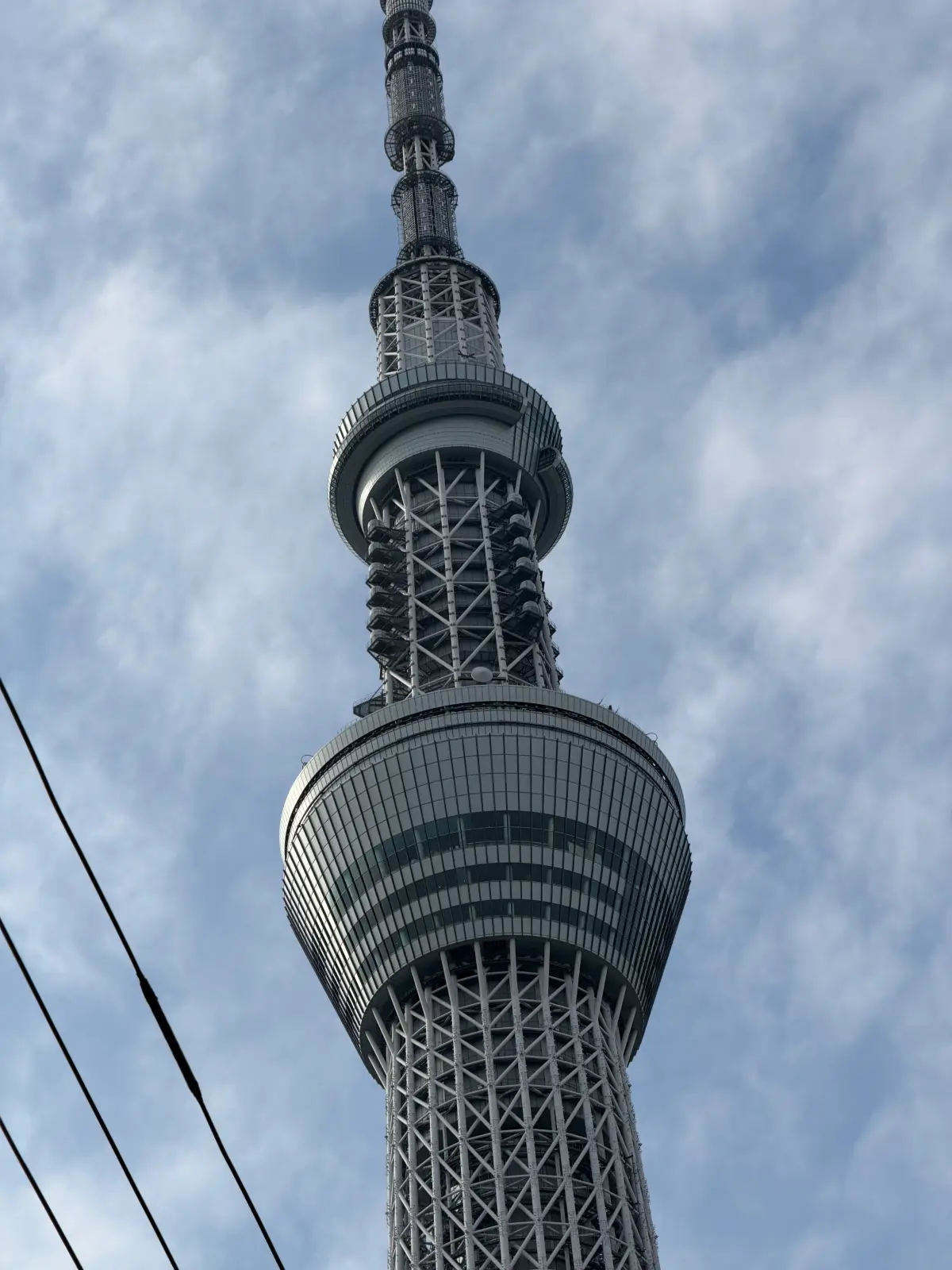
From Asakusa you can walk across the Sumida river to the Tokyo Skytree, at 634 metres the tallest tower in Japan. On a clear day the view from the top is enormous, and the Solamachi mall underneath is handy if it rains.
Day 4: Ueno, Yanaka and Nezu Shrine
One of the best days of the week. Ueno Park has the national museums and the zoo, but keep walking north into Yanaka, one of the few areas of Tokyo that survived both the 1923 earthquake and the war. Low wooden houses, small shops, temples, an old cemetery and cats everywhere. It is the closest you get to old Tokyo.
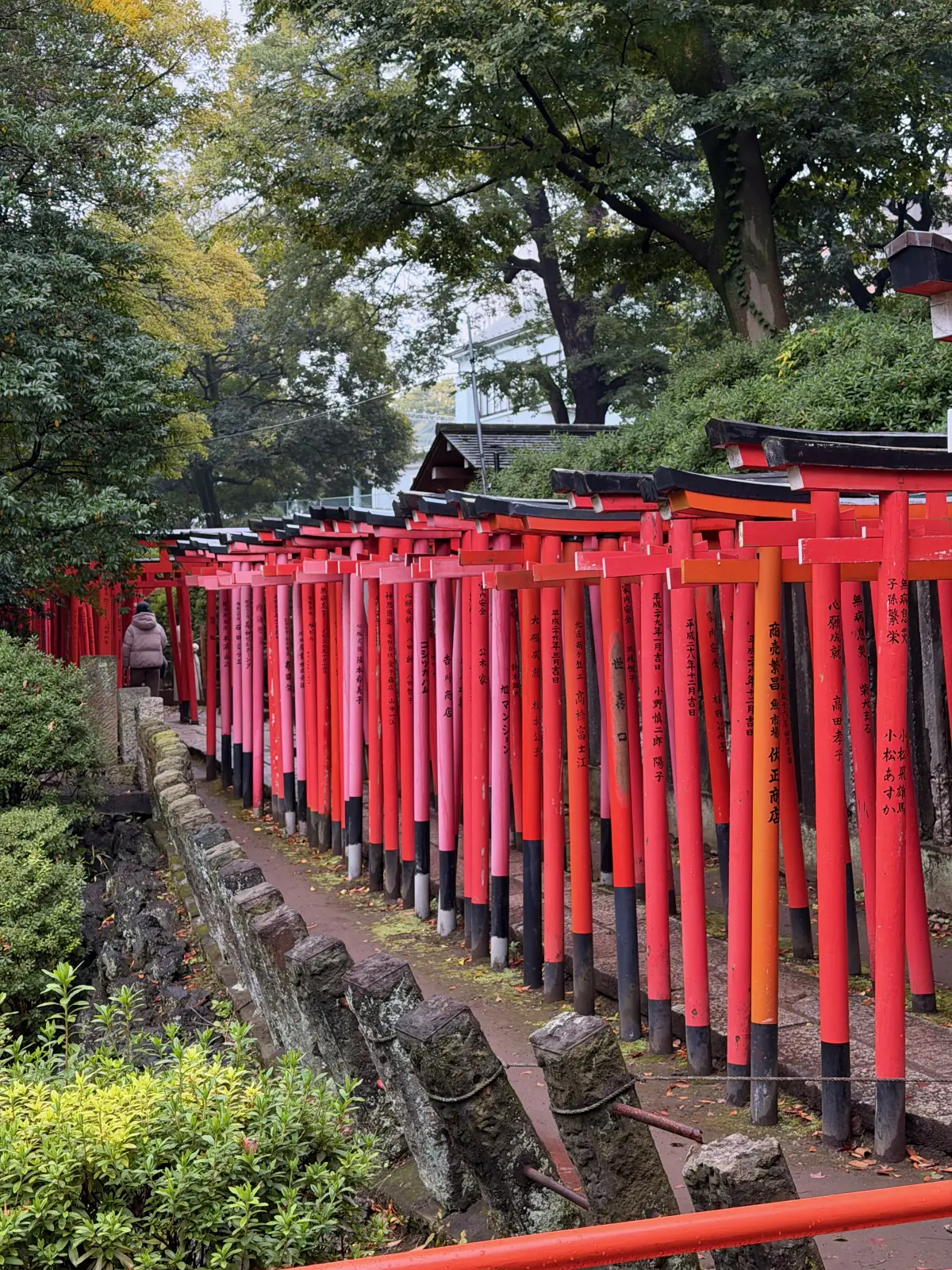
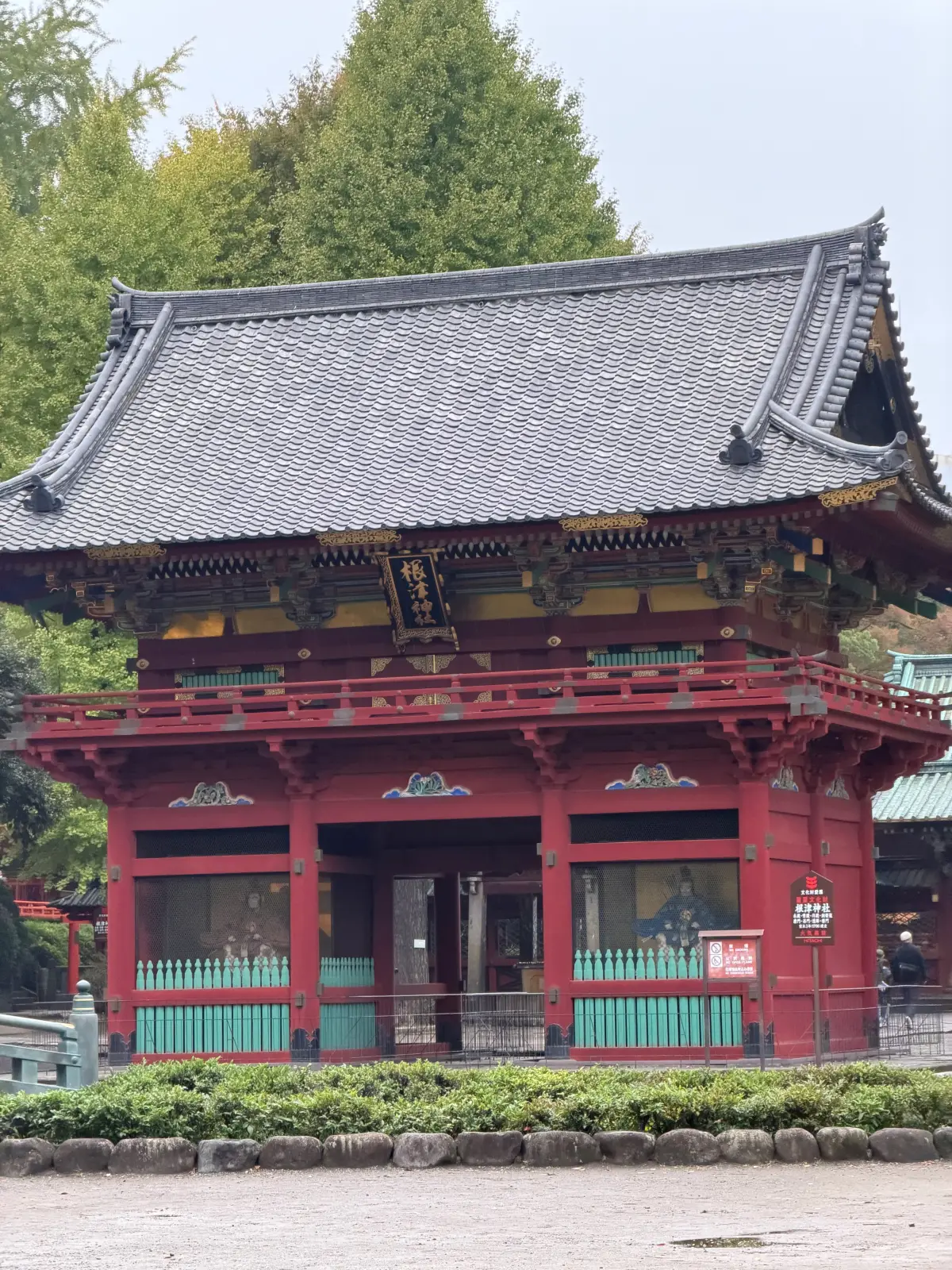
Ten minutes on is Nezu Shrine, with its tunnel of small red torii gates. It is a much quieter version of what people queue for at Fushimi Inari in Kyoto.
Day 5: Shimokitazawa
A slow day. Shimokitazawa is the vintage-clothing and record-shop neighbourhood, a few minutes from Shibuya on the Keio Inokashira line. Low buildings, small cafés, second-hand everything. Go in the afternoon when the shops are open and stay for a drink.
Day 6: Nakano Broadway and Akasaka
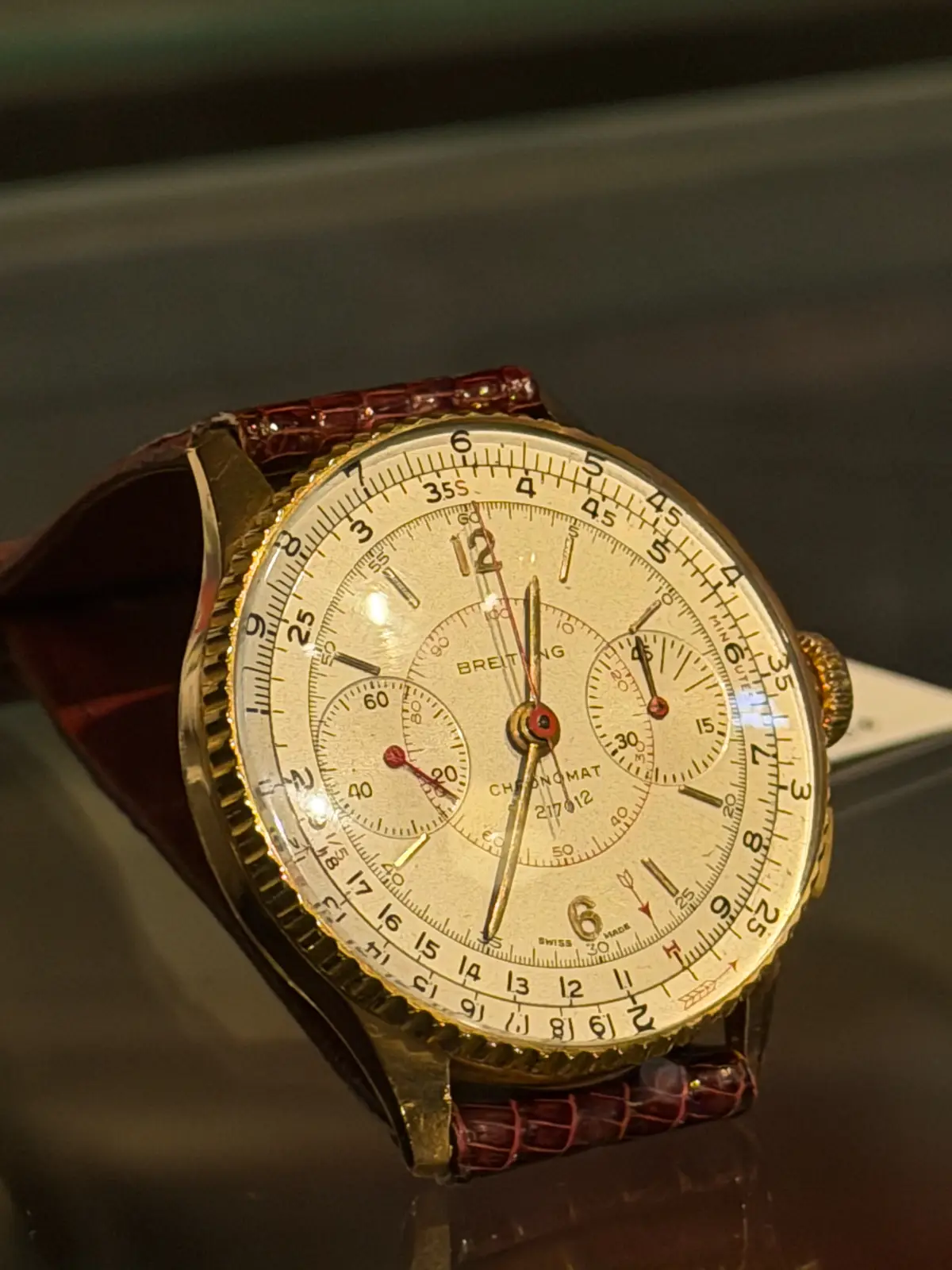
Nakano Broadway is a 1960s shopping arcade, ten minutes from Shinjuku, that is now packed with collectors’ shops: anime figures, cameras, retro games, and a whole run of vintage watch dealers. As somebody who buys and sells watches, this was the stop I had been waiting for. Case after case of vintage pieces, from steel sports watches to a gold Must de Cartier on a pink strap.

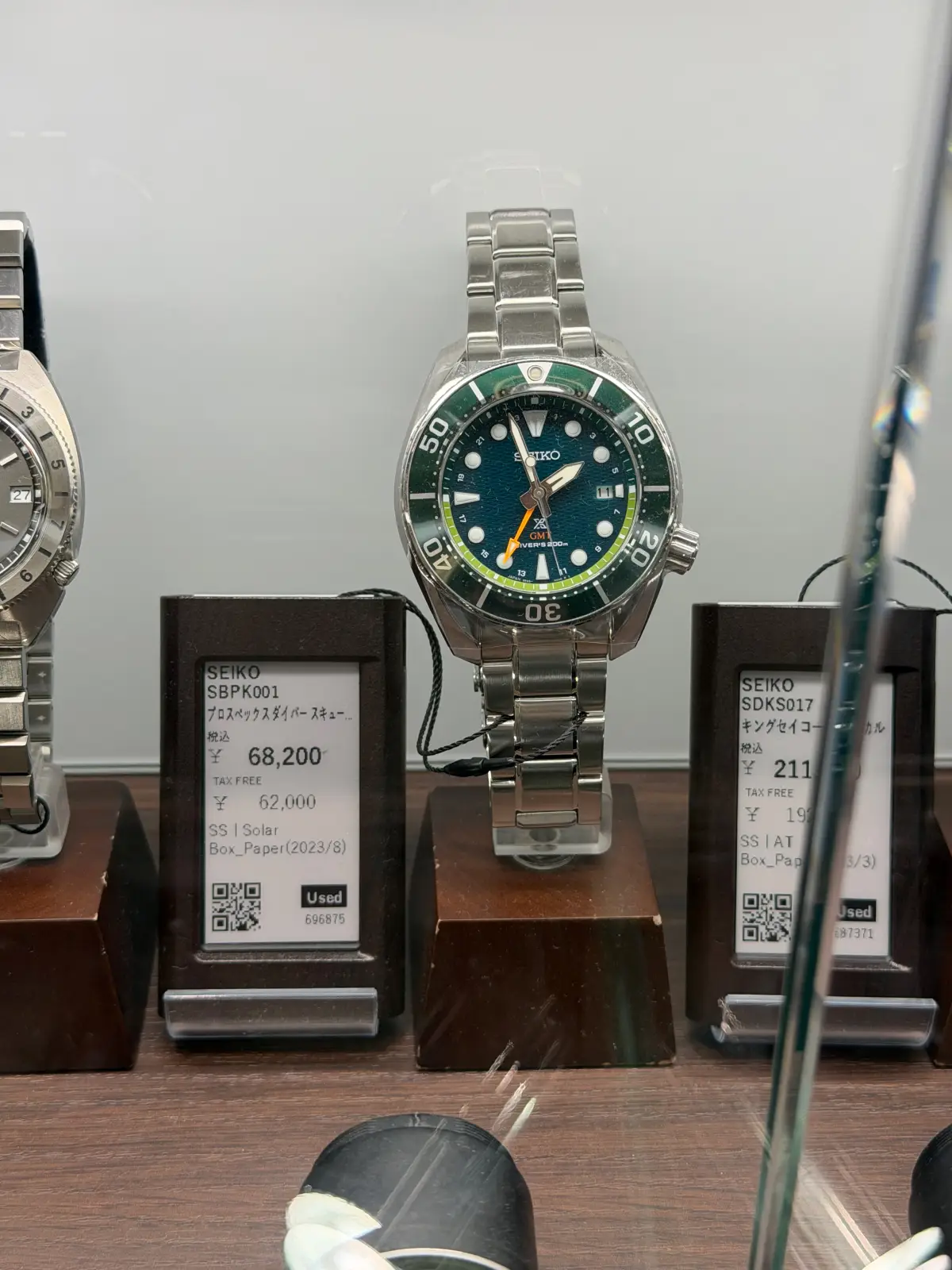
If you are into watches, it is one of the best places in the world to look: prices are clearly marked, and Japanese dealers are known for describing condition carefully. Check whether the shop offers tax-free shopping for visitors, and bring your passport.
We ended the stay with dinner around Tokyo Midtown in Akasaka, and the next morning took the Shinkansen to Osaka.
Getting around Tokyo
- Get a Suica or Pasmo on your phone (Apple Wallet or Google Wallet) and tap everything: metro, JR trains, buses and convenience stores.
- Use Google Maps for routes. It shows the platform, the car to board for the best exit, and the fare.
- Mind the rush hour. Between about 7:30 and 9:30 the trains are packed. Start sightseeing at 10.
- From the airports: the Narita Express or Keisei Skyliner from Narita, the monorail or Keikyu line from Haneda.
What I would add next time
With a couple more days I would add teamLab Planets in Toyosu, the Imperial Palace East Gardens, a morning at the Tsukiji outer market, and a day trip to Kamakura or Nikko.
FAQ
Is six days enough for Tokyo? Six days is a very comfortable amount of time for a first visit: enough for the big sights and a few quieter neighbourhoods. Four days works if you are short on time.
Which area is best to stay in Tokyo for first-timers? Shibuya or Shinjuku. Both are huge transport hubs with food and nightlife on the doorstep.
Is Shibuya Sky worth it? Yes, especially at sunset. Book a time slot online in advance, because the sunset slots sell out days ahead.
Where can you buy vintage watches in Tokyo? Nakano Broadway has one of the biggest concentrations of vintage watch shops in the city, all under one roof, ten minutes from Shinjuku.