Walter Ponce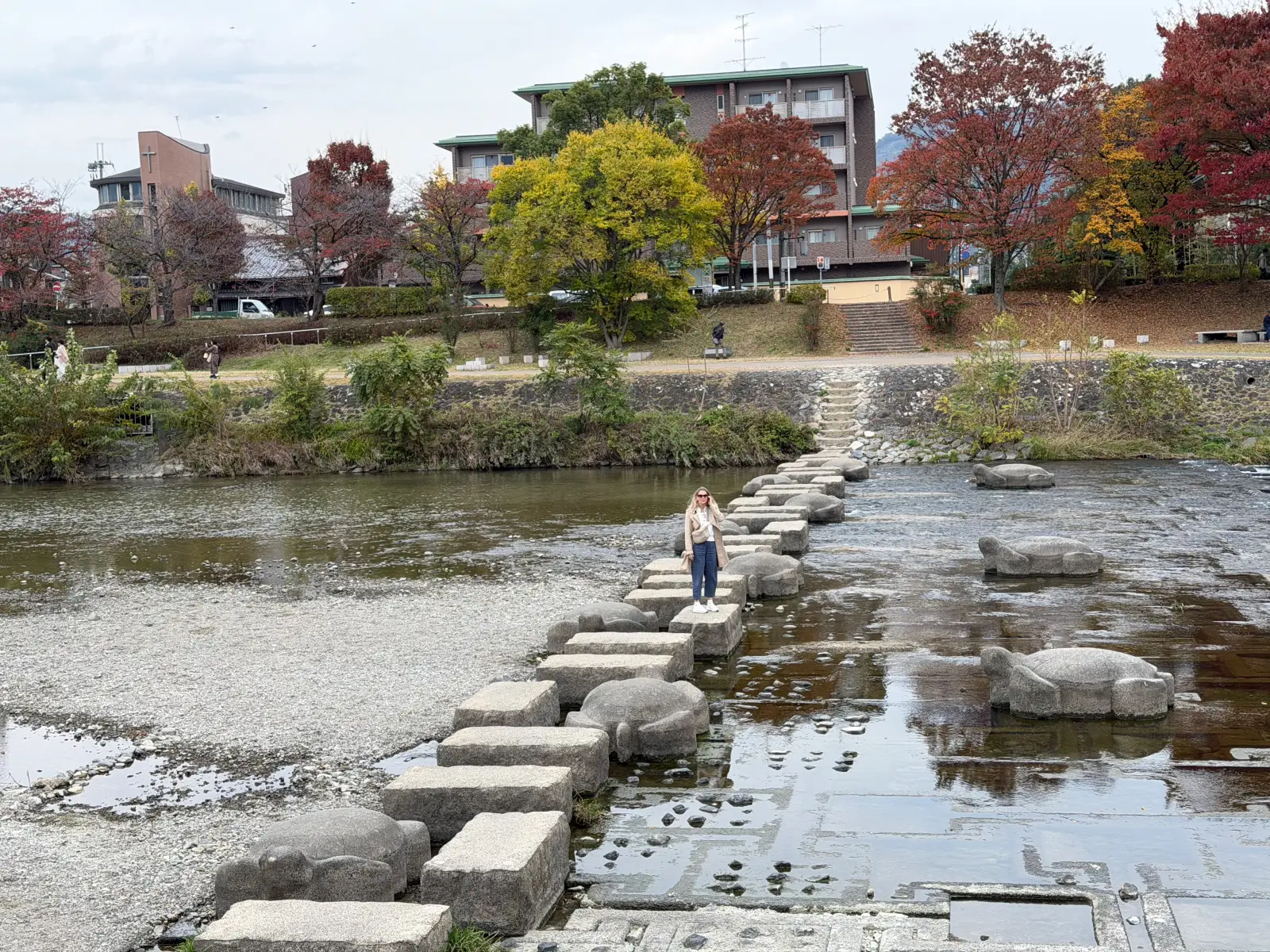
Japan had been on the list for years, and last month we finally did it properly: three weeks, five cities and a lot of train tickets. It ended up being the biggest trip of the year, and the one I took the most photos on by a distance.
This is the full route as we actually travelled it, with the hotels we booked, how we moved between cities and what you should budget. If you are planning your first trip to Japan and have around three weeks, you can copy it almost day for day.
The route at a glance
| Days | Base | Where we stayed | Nights |
|---|---|---|---|
| 1–6 | Tokyo (Shibuya) | lyf | 6 |
| 7–10 | Osaka (Namba) | R Hotel Namba | 4 |
| 11–14 | Kyoto (Kawaramachi) | Resol Kyoto Kawaramachi Sanjo | 4 |
| 15–16 | Nara | Kasuga Hotel | 2 |
| 17–18 | Kanazawa | Four Points by Sheraton | 2 |
| 19 | Tokyo (Ginza) | Hotel Musse Ginza Meitetsu | 1 |
We flew from Zurich into Tokyo and back out of Tokyo, and moved between cities by train the whole time. No car, no domestic flights.
Day by day
Days 1–6: Tokyo. Six nights sounds like a lot until you are there: every neighbourhood is its own town. We did one or two areas a day: Shibuya and Shinjuku, Harajuku and Meiji Jingu, Asakusa and the Skytree, Ueno, Yanaka and Nezu Shrine, Shimokitazawa, and Nakano Broadway. The details are in my separate guide to six days in Tokyo.
Day 7: bullet train to Osaka. The Nozomi Shinkansen takes about two and a half hours. Sit on the right-hand side (seat E) going west: past Odawara you get Mount Fuji out of the window if the weather plays along.
Days 7–10: Osaka. Street food in Dotonbori, Kuromon Market, the lion-head shrine of Namba Yasaka, Osaka Castle and a shopping day in Shinsaibashi and Horie.
Days 11–14: Kyoto. Nishiki Market, the Kamo river, Gion and the Shirakawa canal, Heian Jingu and the temples in the north-west. Osaka to Kyoto is only 15 minutes by Shinkansen or about 30 minutes on the regular JR line.
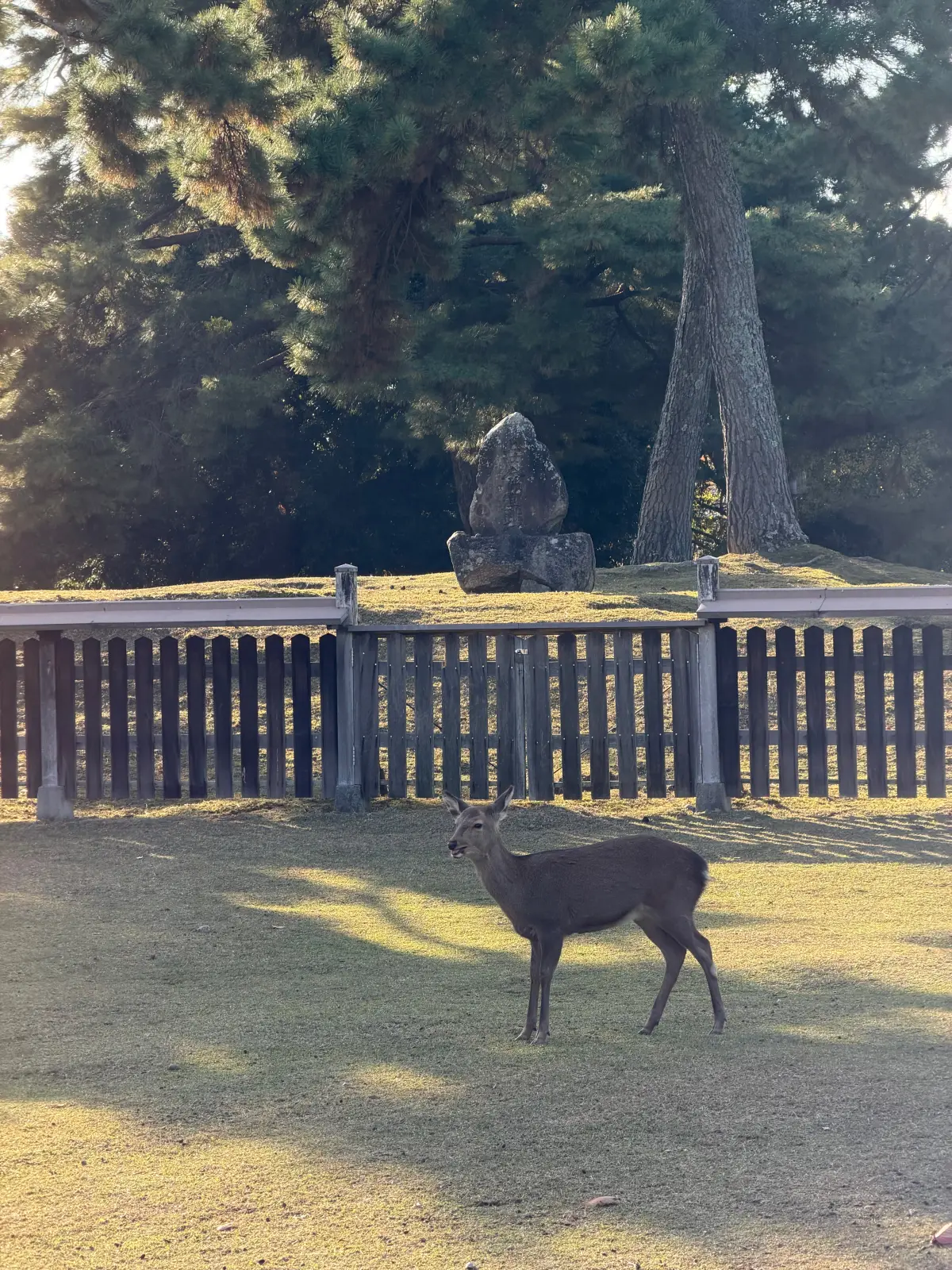
Days 15–16: Nara. Two slow days with the deer, the temples and the old merchant streets. Nara is less than an hour from Kyoto. The whole Kansai part is in Osaka, Kyoto and Nara in ten days.
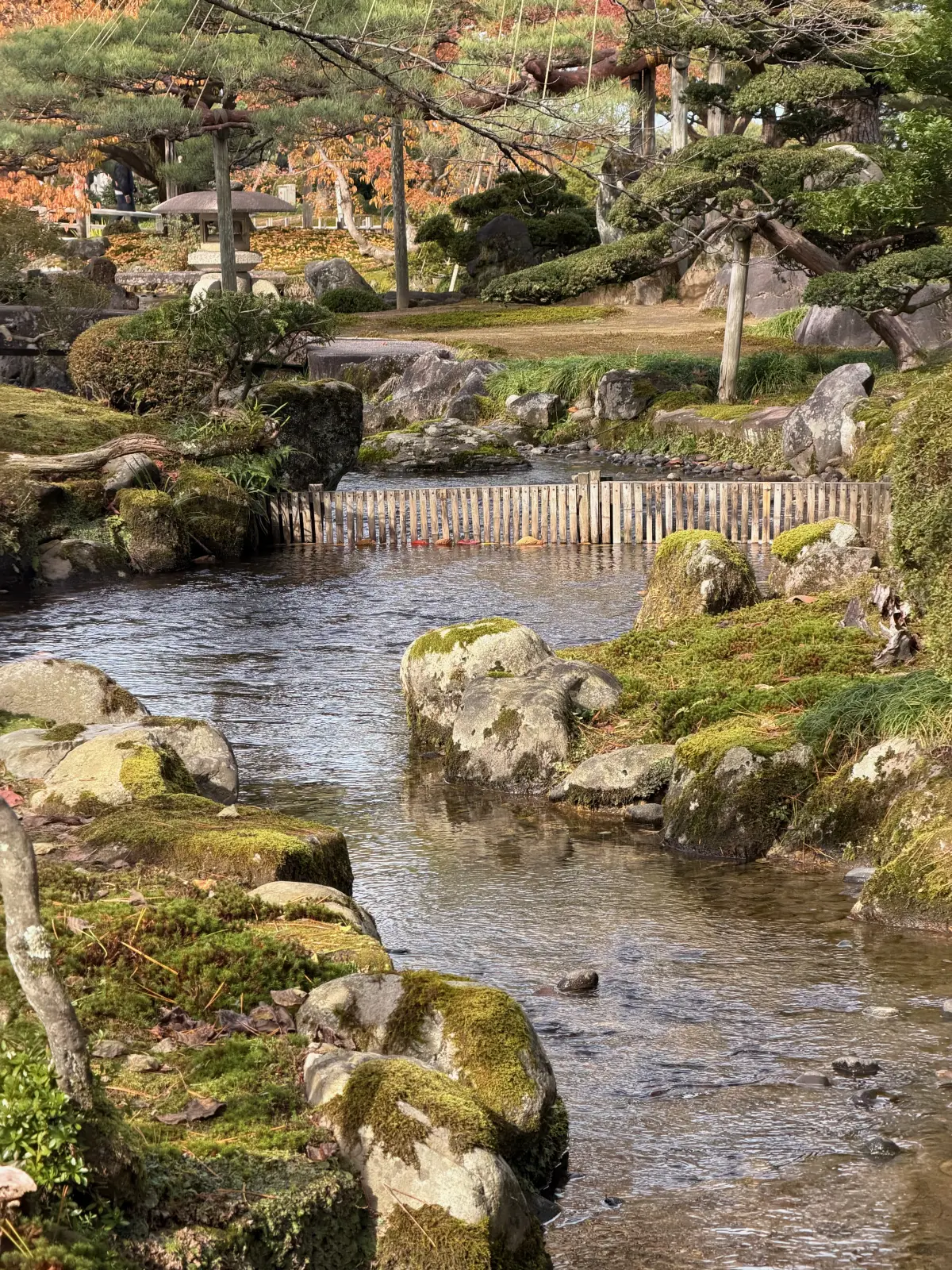
Days 17–18: Kanazawa. The detour that pays off. From Kyoto, the Thunderbird limited express goes to Tsuruga, where you change onto the Hokuriku Shinkansen to Kanazawa (the extension to Tsuruga opened in 2024, so older guides describe a different route). Kanazawa has Kenroku-en, one of the three great gardens of Japan, the castle park right next to it, the Nagamachi samurai quarter and Ōmichō Market for seafood.
Day 19: back to Tokyo. The Hokuriku Shinkansen runs straight from Kanazawa to Tokyo in about two and a half to three hours. We spent the last night in Ginza. In late November the ginkgo avenue at Jingu Gaien turns completely yellow, which made a good last evening.
Day 20: fly home.
Why this order works
- Start in Tokyo. After a long-haul flight you want somewhere easy, and Tokyo is the easiest big city in the world to land in.
- Osaka, Kyoto and Nara are a cluster. They are all within an hour of each other, so you can either base yourself in one and day-trip, or do what we did and move every few days. Moving costs you a morning each time, but you wake up somewhere new.
- Kanazawa closes the loop. Instead of going back the way you came, you return to Tokyo on a different line and see a completely different side of Japan.
- End with one night in Tokyo. It takes all the stress out of the last morning.
Where to stay
In every city we picked well-located, modern mid-range hotels, and the location mattered far more than the room. Japanese city hotels are small but spotless.
- Tokyo: Shibuya, Shinjuku or Ginza. Stay near a big station.
- Osaka: Namba. You can walk to Dotonbori and Kuromon.
- Kyoto: around Kawaramachi and Sanjo, not near Kyoto Station. You will walk everywhere.
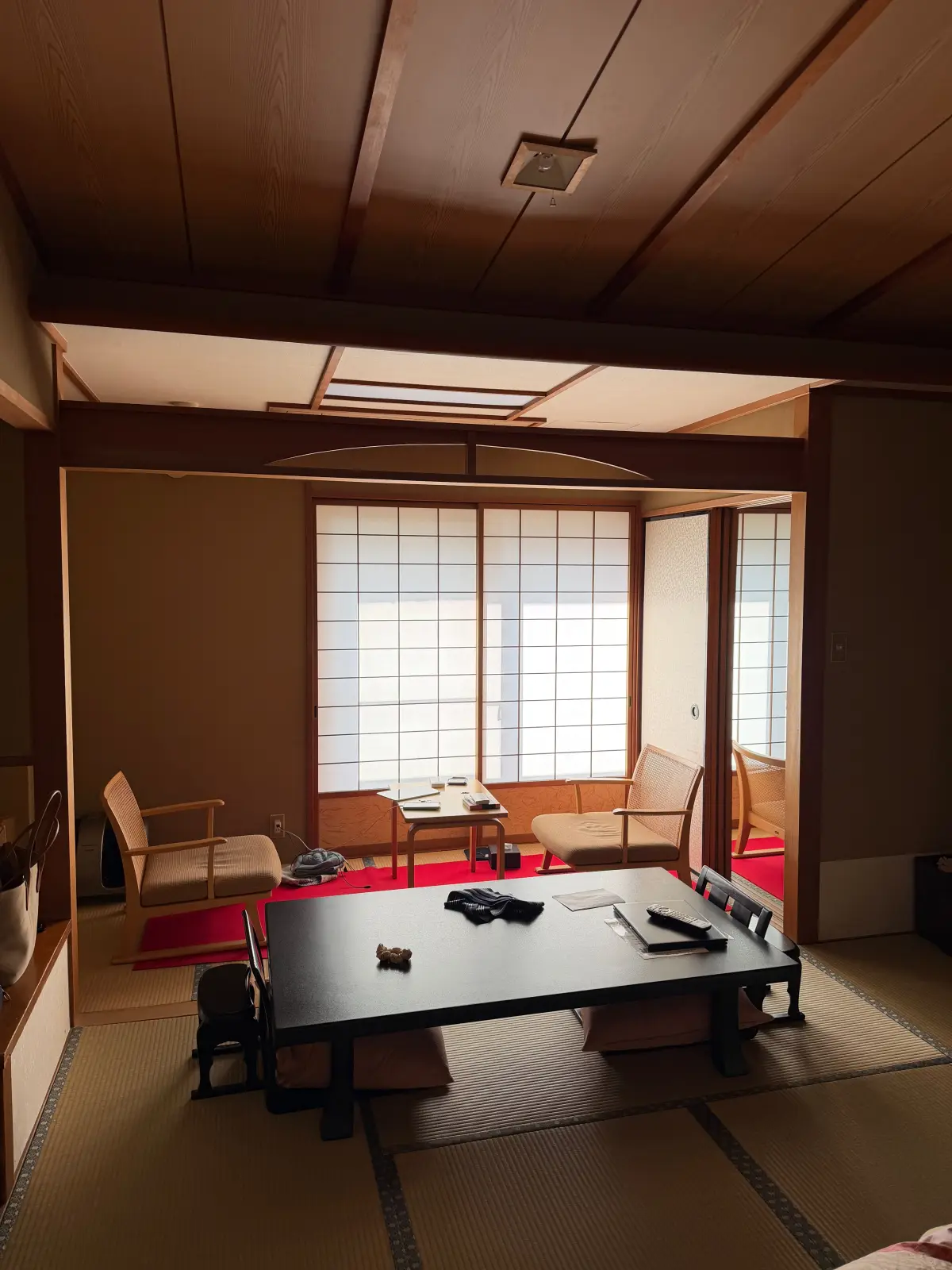
- Nara: stay overnight in a traditional, ryokan-style hotel at least once on the trip. Ours had tatami rooms and a multi-course dinner.
Getting around Japan
- Trains for the long legs. We bought each long leg separately: Tokyo to Osaka, Osaka to Kyoto, Nara to Kanazawa and Kanazawa to Tokyo. Since the Japan Rail Pass price went up in 2023, individual tickets are often cheaper. Add up your own legs before you buy a pass.
- An IC card for everything else. Add a Suica or ICOCA card to your phone’s wallet and tap in and out of every metro, local train and bus. You can pay in convenience stores with it too.
- Short hops need no booking. Kyoto to Nara we just tapped through the gates.
- Send your bags ahead. Japan’s luggage forwarding services (takkyubin) will send a suitcase from one hotel to the next for a small fee. Ask at reception.
Budget
Japan is much better value than people expect, especially coming from Switzerland. As a rough guide for a mid-range trip:
- Hotels: expect roughly CHF 130–250 a night for a double room in a good location, more for a traditional ryokan with dinner.
- Long-distance trains: Tokyo to Osaka on the Nozomi costs around 14,000–15,000 yen per person one way. The other legs on this route are cheaper.
- Food: you can eat very well for little. Ramen, conveyor-belt sushi and set lunches are cheap; a nice dinner costs about the same as in Europe.
- Flights from Europe: usually the biggest single cost. Book early for autumn and cherry-blossom season.
When to go
We went in November, and I would recommend it to anyone: mild days, clear skies, good chances of seeing Fuji, and autumn colours in Kyoto and Kanazawa in the second half of the month. The other classic season is late March to early April for the cherry blossom, which is beautiful but very busy and expensive. Summer is hot and humid; winter is cold but quiet.
Tips for a first trip to Japan
- Do fewer temples per day. Two plus a long walk is better than four in a rush.
- Carry some cash. Cards work almost everywhere now, but small restaurants, shrines and markets can still be cash only.
- Book the big attractions ahead. Shibuya Sky, teamLab and popular restaurants sell out.
- Learn the etiquette basics. Don’t eat while walking in busy streets, queue for trains, and keep your voice down on public transport.
FAQ
Is three weeks enough for Japan? Three weeks is ideal for a first trip. It gives you Tokyo, the Kansai region (Osaka, Kyoto, Nara) and one extra region such as Kanazawa without rushing. With two weeks, drop Kanazawa and a night in each city.
Is the Japan Rail Pass worth it? Not always since the 2023 price increase. For a route like this one, with four long train journeys, individual tickets can work out cheaper. Calculate your own legs first.
Do you need a visa for Japan? Citizens of Switzerland, the EU and many other countries can enter Japan visa-free for short tourist stays. Check the current rules for your passport before you book.
What is the best order for Tokyo, Kyoto and Osaka? Fly into Tokyo, take the Shinkansen to Osaka, then Kyoto and Nara, and come back to Tokyo via Kanazawa. That way you never retrace your steps.