Walter Ponce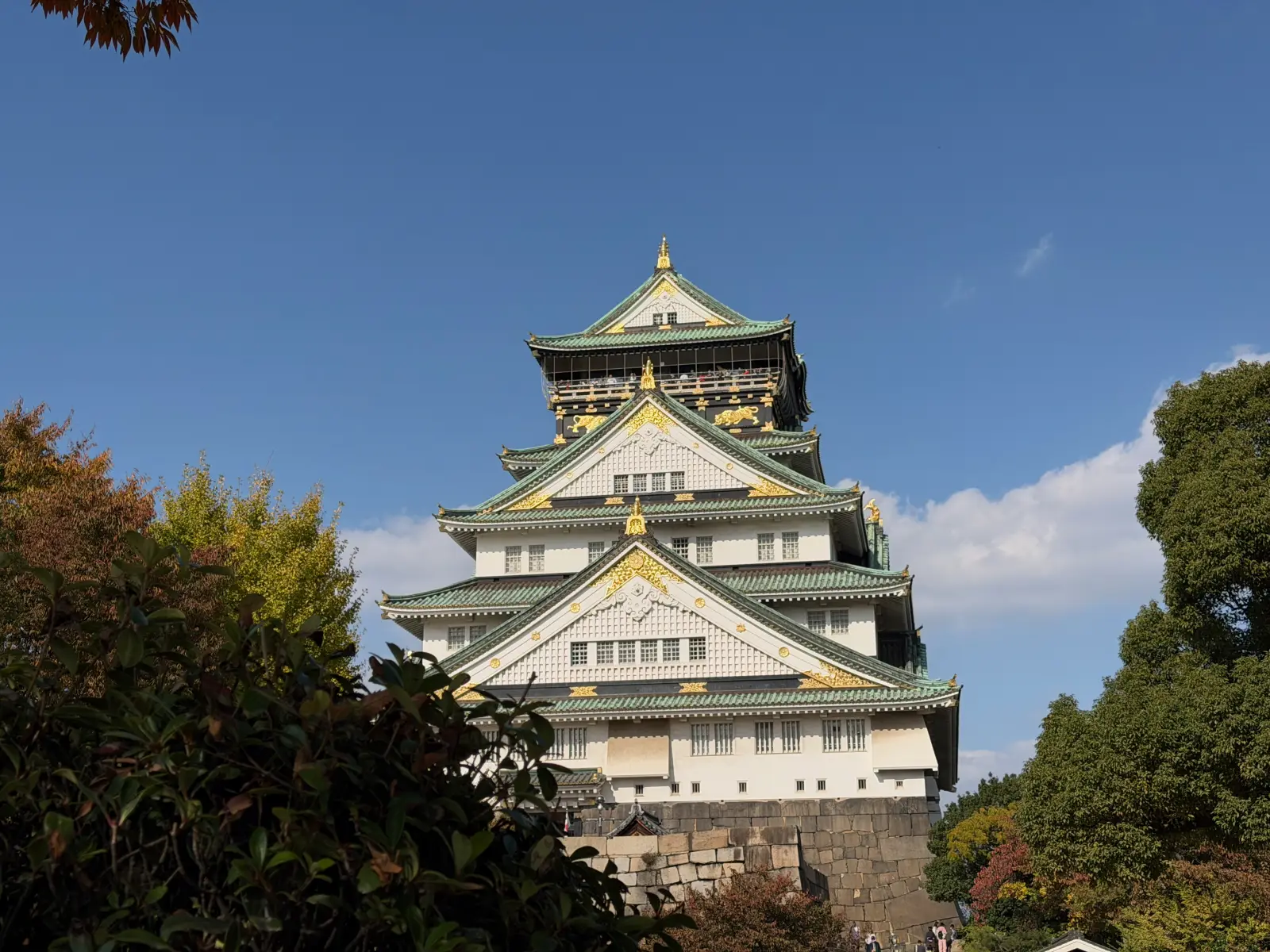
After six days in Tokyo we took the bullet train west to Kansai, the region around Osaka, Kyoto and Nara. The three cities are less than an hour apart, but they could not feel more different: Osaka is loud and eats all day, Kyoto is temples and wooden streets, and Nara is a small town with a park full of deer.
We gave them ten days in total and moved hotels twice. Here is the route, what we did in each city, and how I would plan it again.
The Kansai route at a glance
| Nights | City | Where we stayed |
|---|---|---|
| 4 | Osaka (Namba) | R Hotel Namba |
| 4 | Kyoto (Kawaramachi) | Resol Kyoto Kawaramachi Sanjo |
| 2 | Nara | Kasuga Hotel |
Base or move? You can easily base yourself in Kyoto and do Osaka and Nara as day trips. We preferred to move: Osaka at night and Nara in the early morning are the best parts, and you only get them if you sleep there.
Osaka: four nights in Namba
Why Namba: you are a few minutes’ walk from Dotonbori and Kuromon, and the Midosuji metro line takes you north to Umeda and the castle.
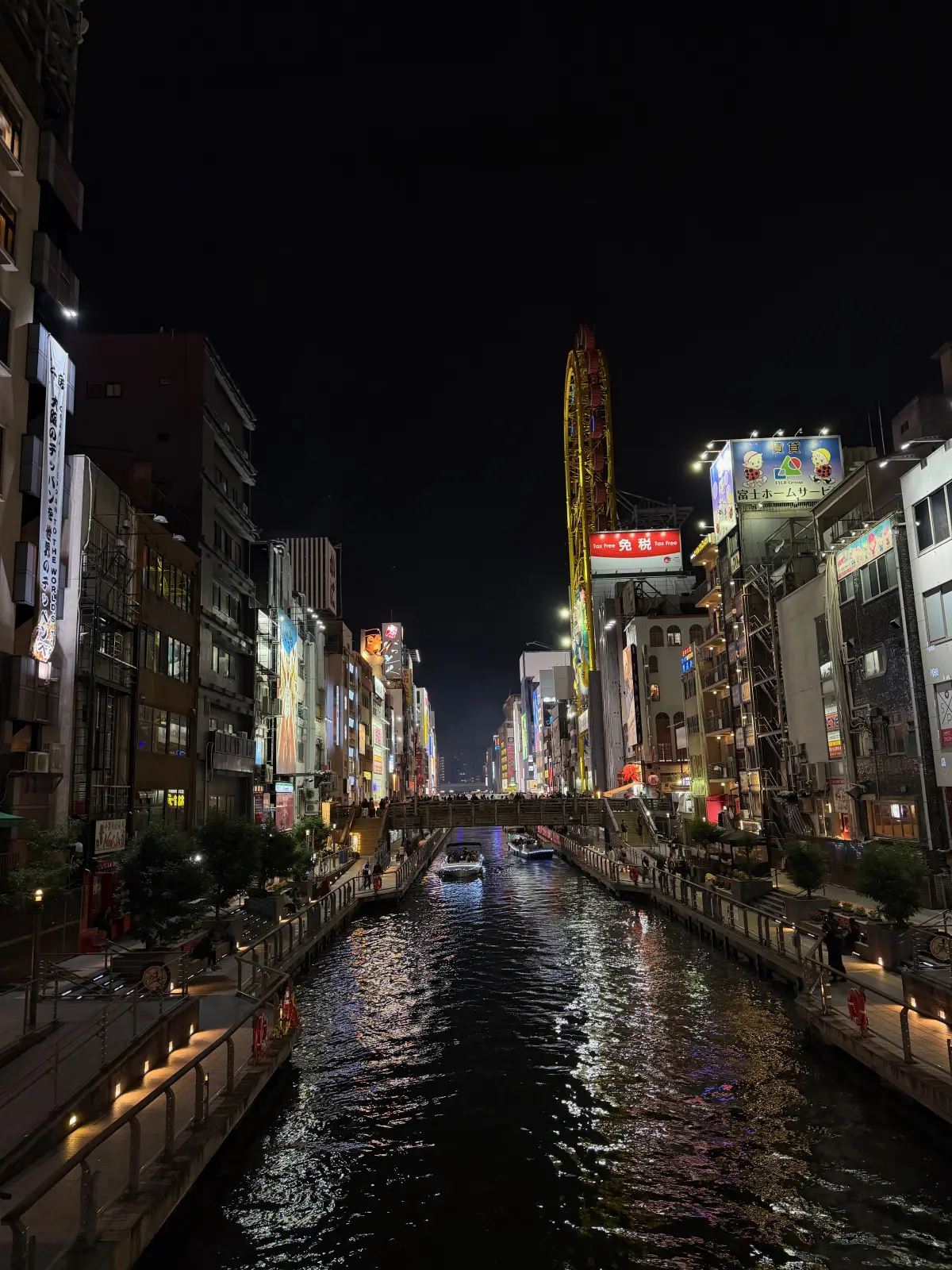
Dotonbori and the Tombori River Walk. The canal with the giant neon signs and the Glico running man. Our first evening was a street-food crawl along it: takoyaki, okonomiyaki, skewers, whatever had a queue. It is touristy and you should do it anyway.
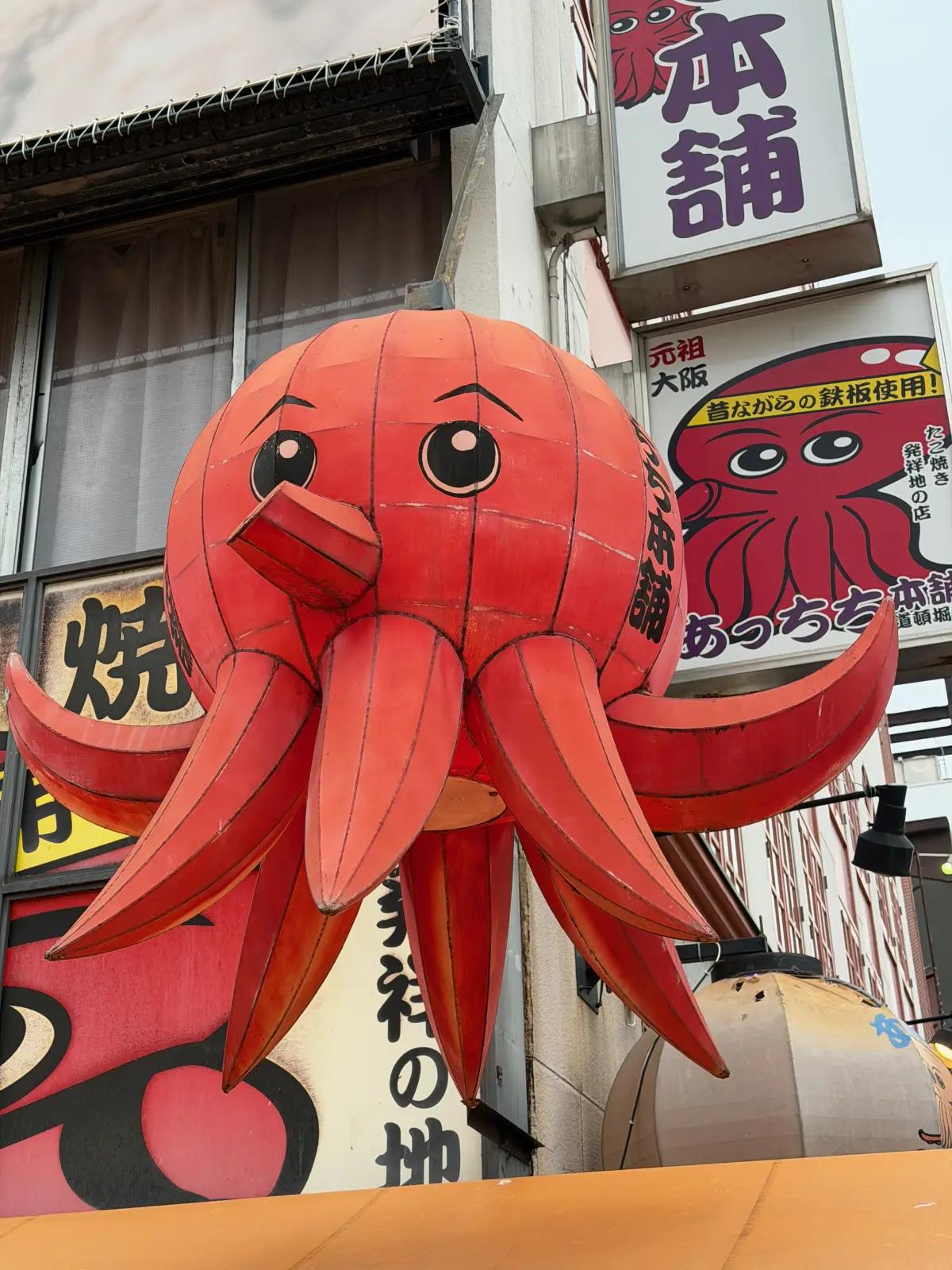
Kuromon Market. Osaka’s covered food market, close to Namba. Fresh seafood grilled in front of you, wagyu skewers, fruit. Go hungry and go before lunch, when it is at its best.
Namba Yasaka Shrine. A short walk away and easy to miss: the stage of the shrine is a giant lion’s head, about 12 metres high, with its mouth wide open to swallow bad luck. One of the strangest and best things in Osaka.
Osaka Castle and Tennoji. Give a whole day to the south and east of the city. The castle grounds are huge, and in autumn the park is beautiful. The main tower is a 20th-century reconstruction with a museum inside, so the giant stone walls and moats are the real attraction. From there, continue to Tennoji Park and the old temple streets around it.
Shinsaibashi and Horie. The covered Shinsaibashi-suji arcade is the main shopping street; the smaller independent shops and cafés are in Kitahorie, just to the west.
What else: the Umeda Sky Building for the view, the retro Shinsekai district, and day trips to Himeji Castle or Kobe, both about an hour or less by train.
Kyoto: four nights in Kawaramachi
From Osaka it is 15 minutes to Kyoto on the Shinkansen or about 30 on the JR special rapid. We stayed at Resol Kyoto Kawaramachi Sanjo, right in the centre between the river and the shopping streets, walking distance to Gion, Pontochō and Nishiki.
Nishiki Market. “Kyoto’s kitchen”: a long, narrow covered street of food stalls, pickles, knives and tea. Eat as you go, but stand still while you do: walking and eating is frowned upon here.
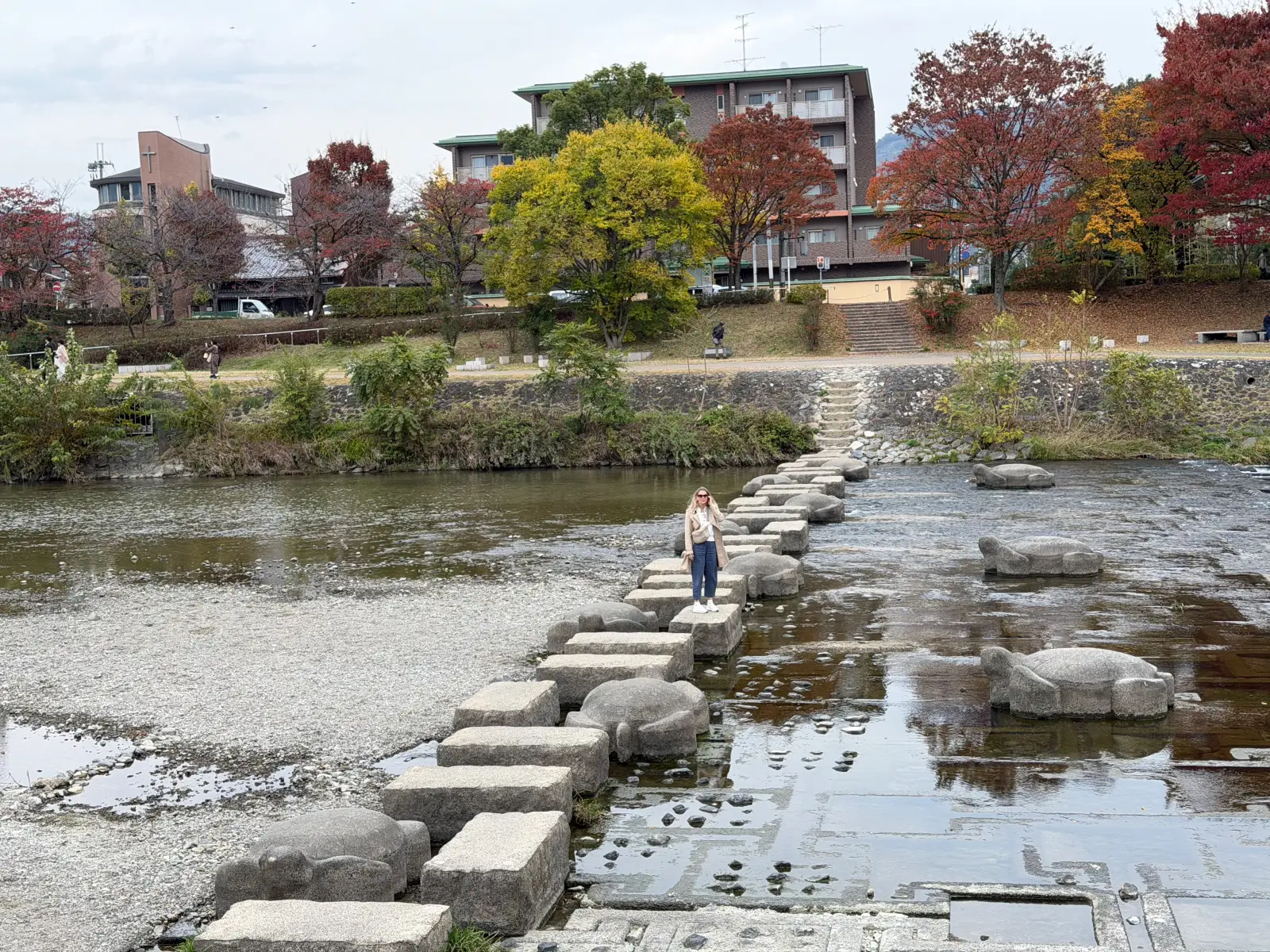
Kyoto Gyoen and the Kamo river. A long walk through the park around the Imperial Palace, then down along the Kamo river, where you can cross on the stepping stones near Demachiyanagi. Locals cycling, people sitting on the banks: Kyoto at its most relaxed.
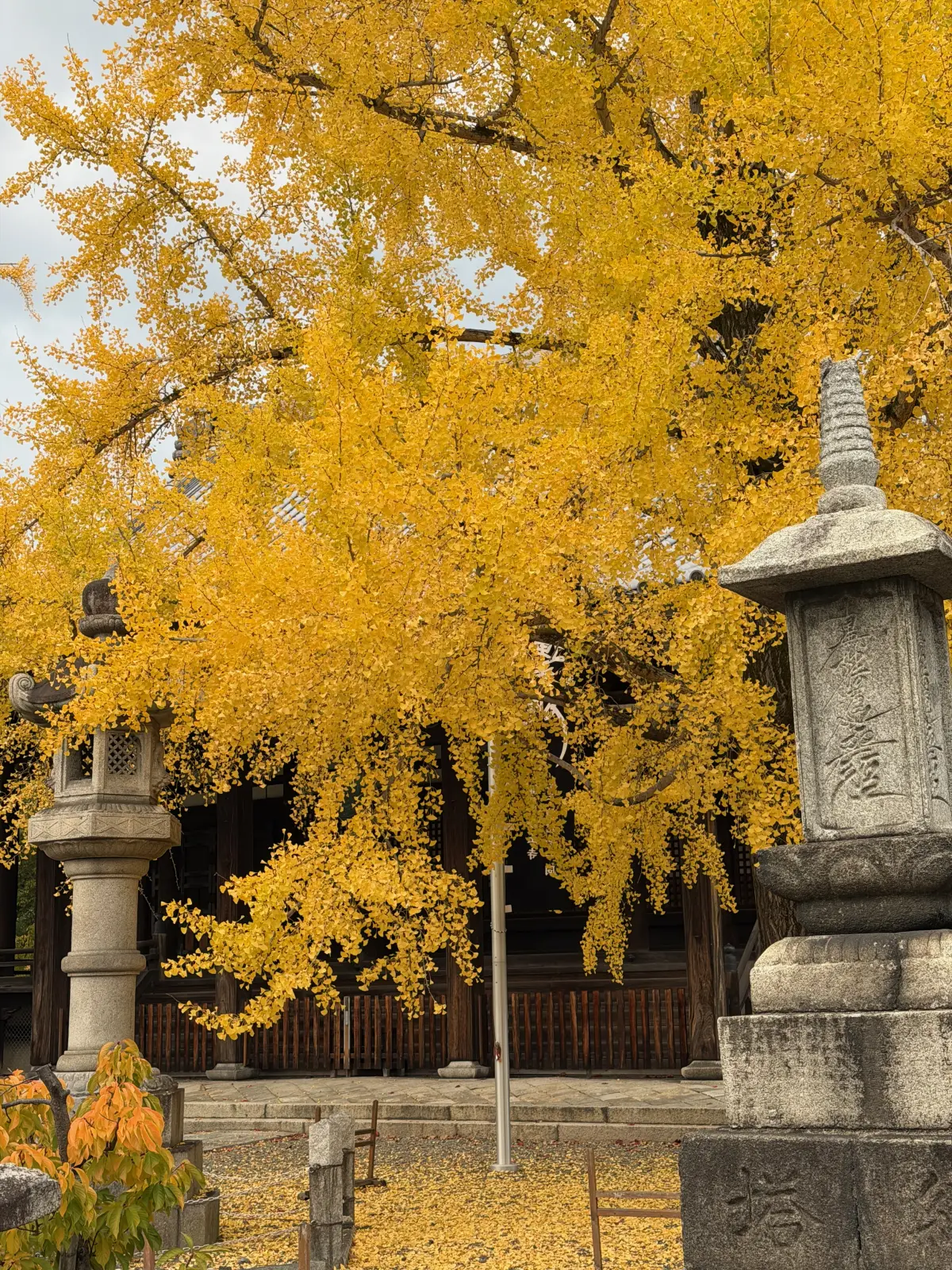
In mid-November the ginkgo trees in the temple courtyards turn bright yellow.
Gion, Shirakawa and Kiyomizu. Gion is the old geisha district. The stretch along the Shirakawa canal with its willow trees and wooden teahouses is the prettiest street in Kyoto, especially in the evening. Some private lanes in Gion now ban photography; follow the signs.
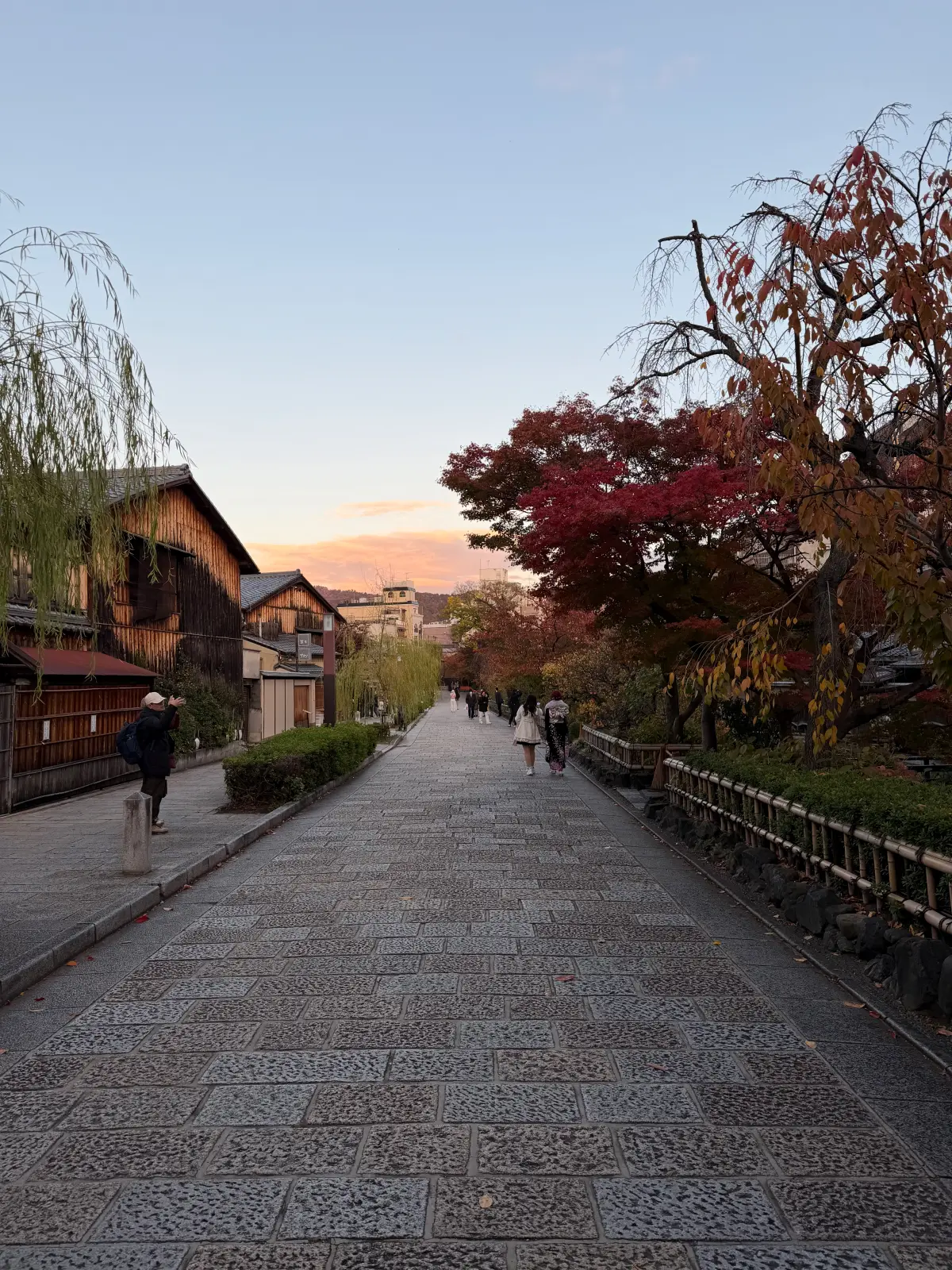
From Gion you can walk uphill through the old lanes of Ninenzaka and Sannenzaka towards Kiyomizu-dera.
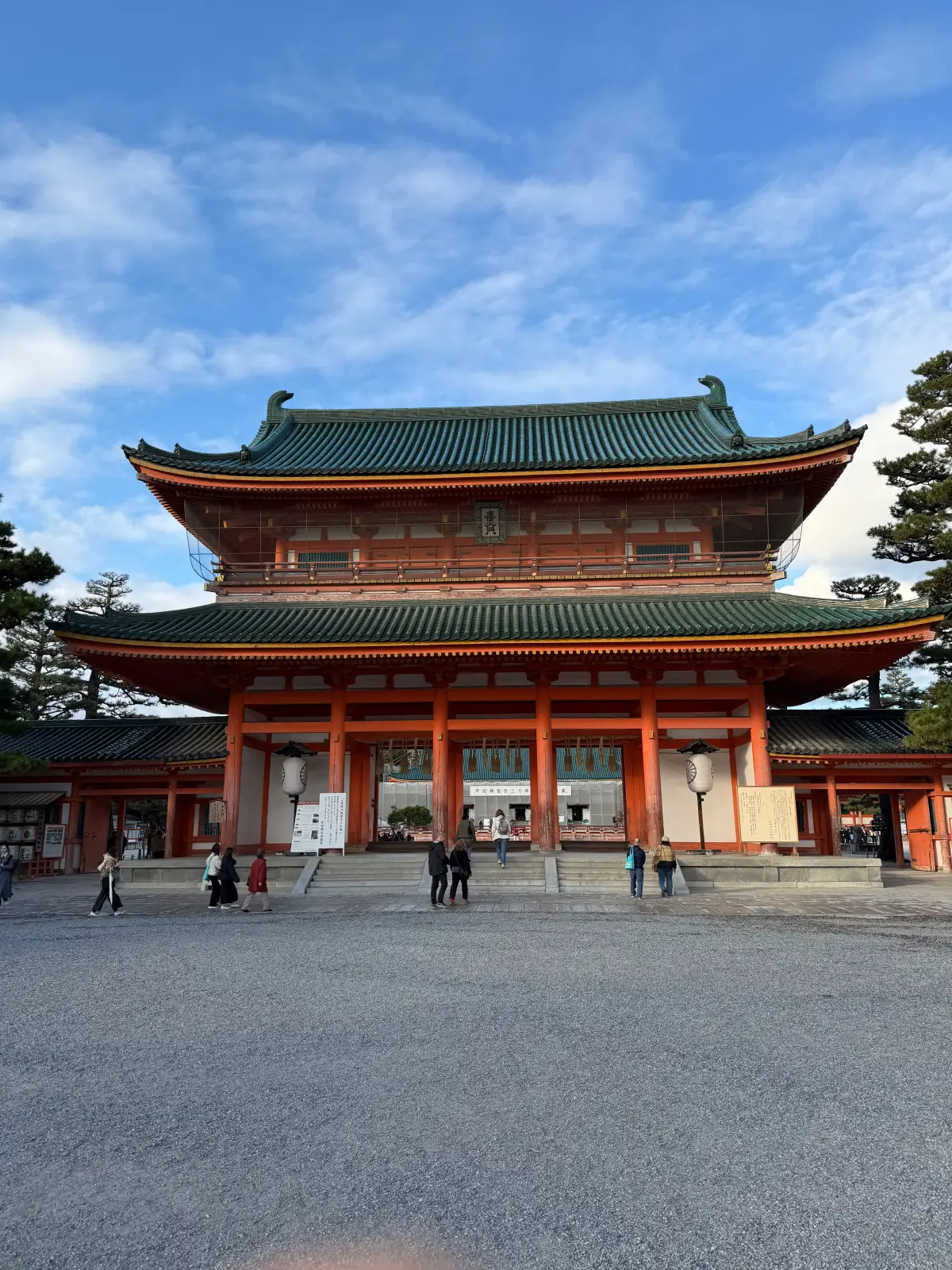
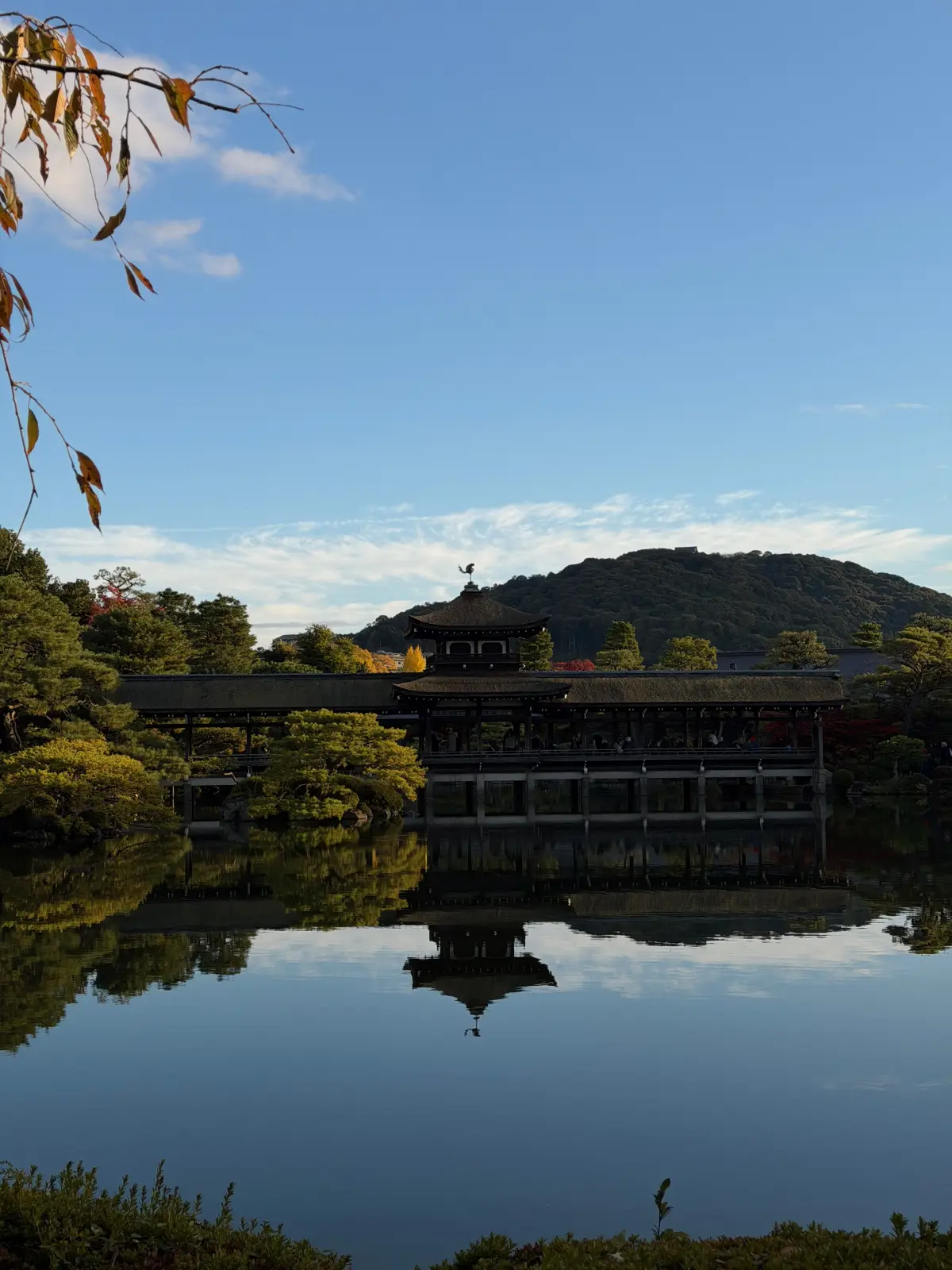
Heian Jingu and Okazaki. The huge orange torii and halls of Heian Shrine, then the shrine garden behind it with ponds and stepping stones, beautiful in autumn colour. The Okazaki area around it has museums and the Rohm Theatre. Further west, Myoshin-ji is a huge Zen temple complex with almost no crowds.
The famous three, at the right time. Fushimi Inari (the thousands of red torii), the Arashiyama bamboo grove and Kinkaku-ji (the Golden Pavilion) are among the busiest sights in Japan. Fushimi Inari is open 24 hours, so go at sunrise or after dark; Arashiyama before 8am.
Nara: two nights
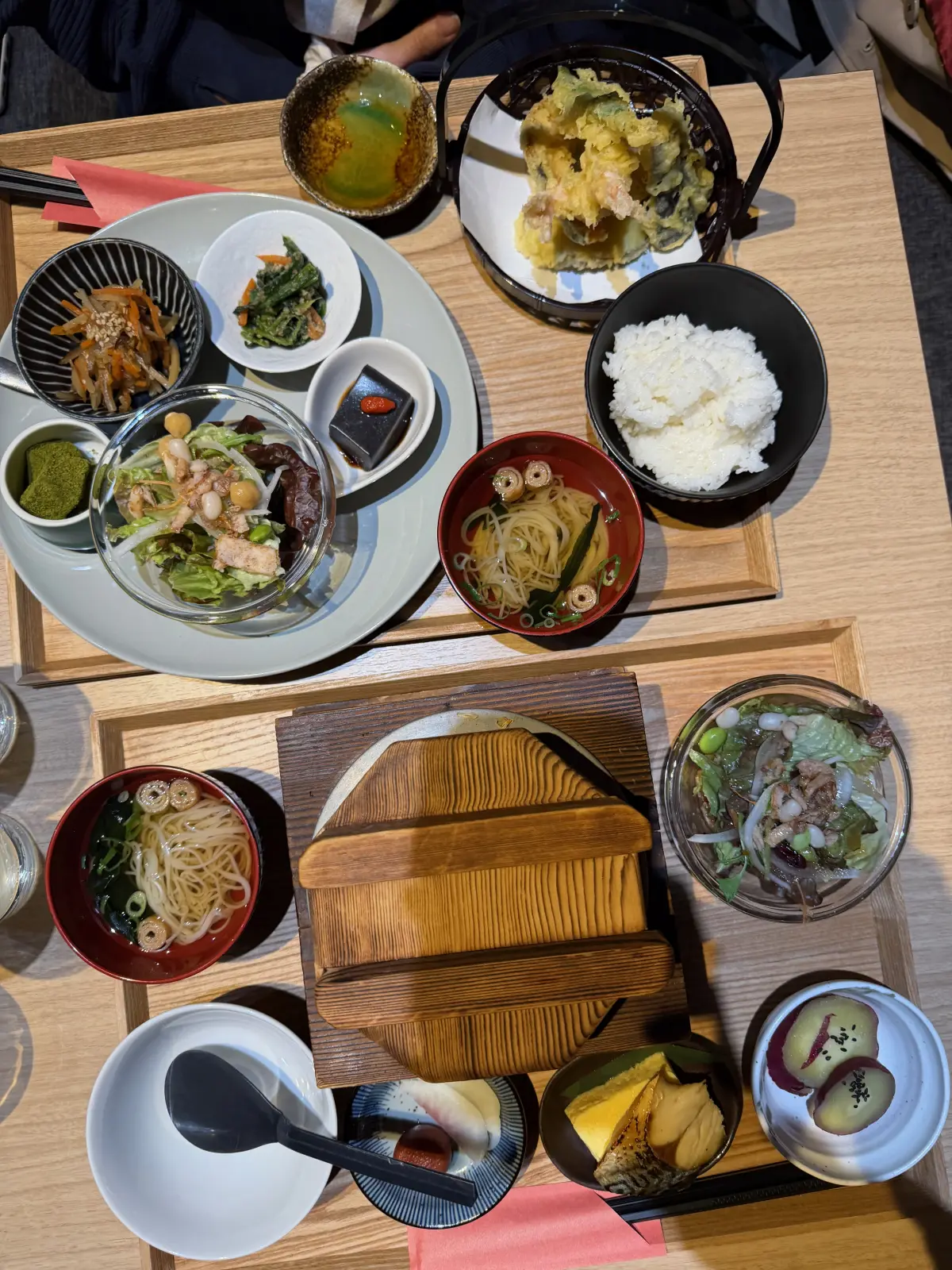
From Kyoto it is under an hour to Nara, Japan’s first permanent capital, on the Kintetsu or JR line. No booking needed, just tap in. We stayed two nights at Kasuga Hotel, the most traditional place of the whole trip: tatami rooms, low tables and a dinner of a dozen small dishes.
Nara is small and very walkable. Around a thousand deer wander freely around the park and the temples, and they bow at you for the rice crackers (shika senbei) sold everywhere. Do not hold the crackers too long, and keep paper maps in your bag.
What to see:
- Todai-ji, with one of the largest bronze Buddhas in Japan inside a giant wooden hall.
- Kofuku-ji, right in town. Its famous five-storey pagoda is under a long restoration, but the temple grounds are still worth it.
- Kasuga Taisha, the shrine with thousands of stone and bronze lanterns.
- Naramachi and the Higashimuki shopping arcade: old merchant streets for an evening walk.
Two nights was perfect. Most people do Nara as a day trip from Kyoto, so once they leave in the late afternoon, the town is yours.
From Nara we went back through Kyoto and on to Kanazawa; that part is in the full three-week itinerary.
Tips for Kansai
- Stay in Namba in Osaka and central Kyoto (Kawaramachi or Sanjo), not near Kyoto Station.
- Use an IC card (Suica or ICOCA) for all the local trains between the three cities.
- Do Nara overnight, not as a day trip.
- Don’t overplan Kyoto. Two sights a day plus a long walk beats five sights and a taxi.
- Go early. In Kyoto, the difference between 8am and 11am at a famous temple is the difference between peace and a queue.
FAQ
How many days do you need in Kyoto? Three to four full days is the sweet spot for a first visit. It gives you the big sights plus time to just walk the old streets.
Is it better to stay in Osaka or Kyoto? For food and nightlife, Osaka. For temples and atmosphere, Kyoto. They are 15 to 30 minutes apart, so ideally stay in both.
Is Nara worth an overnight stay? Yes. The day-trippers leave in the afternoon, and early mornings with the deer in an empty park are the best part of the town.
When is the best time to see autumn leaves in Kyoto? Usually from mid-November to early December, depending on the year.