Walter Ponce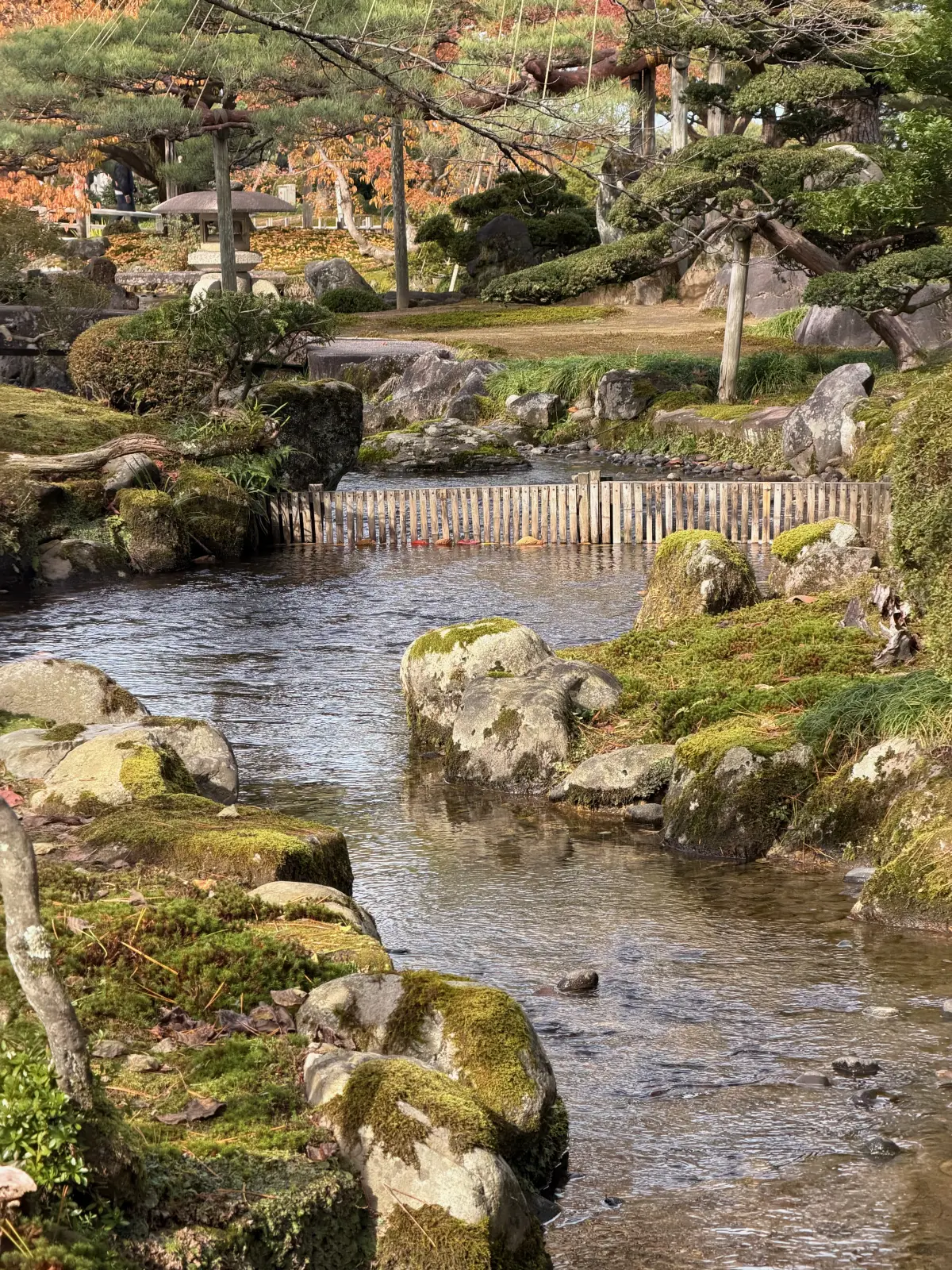
Most first trips to Japan follow the same line: Tokyo, Kyoto, Osaka. Kanazawa, on the Sea of Japan coast, is the city I would add to that list. It has one of the three great gardens of Japan, a preserved samurai quarter, old geisha streets, a brilliant contemporary art museum and some of the best seafood in the country, all in a compact, walkable centre.
We spent two nights there near the end of our three weeks in Japan, coming from Nara via Kyoto and leaving on the Shinkansen to Tokyo. Here is how to spend two days.
A little history
For almost three centuries of the Edo period, Kanazawa was the seat of the Maeda clan, lords of the Kaga domain, one of the richest domains in Japan. The Maeda spent that wealth on gardens, crafts, tea culture and the arts rather than on war, which is why the city is still known for gold leaf, lacquerware and Kutani porcelain. Kanazawa also escaped major bombing in the Second World War, so its old districts survived better than in most Japanese cities.
Getting there
- From Kyoto or Osaka: the Thunderbird limited express to Tsuruga, then the Hokuriku Shinkansen to Kanazawa. The Shinkansen extension to Tsuruga opened in March 2024, so the route now involves one change.
- From Tokyo: the Hokuriku Shinkansen runs direct in about two and a half to three hours.
- Getting around: the centre is walkable, and the loop buses from Kanazawa Station stop at all the main sights.
Day 1: arrival, Nagamachi and Higashi Chaya
Nagamachi samurai district. A few streets of earthen walls, wooden gates and water channels where samurai families lived under the Maeda lords. Walk slowly: it is small, and the atmosphere is the point. The Nomura family samurai house is open to visitors and has a beautiful small garden.
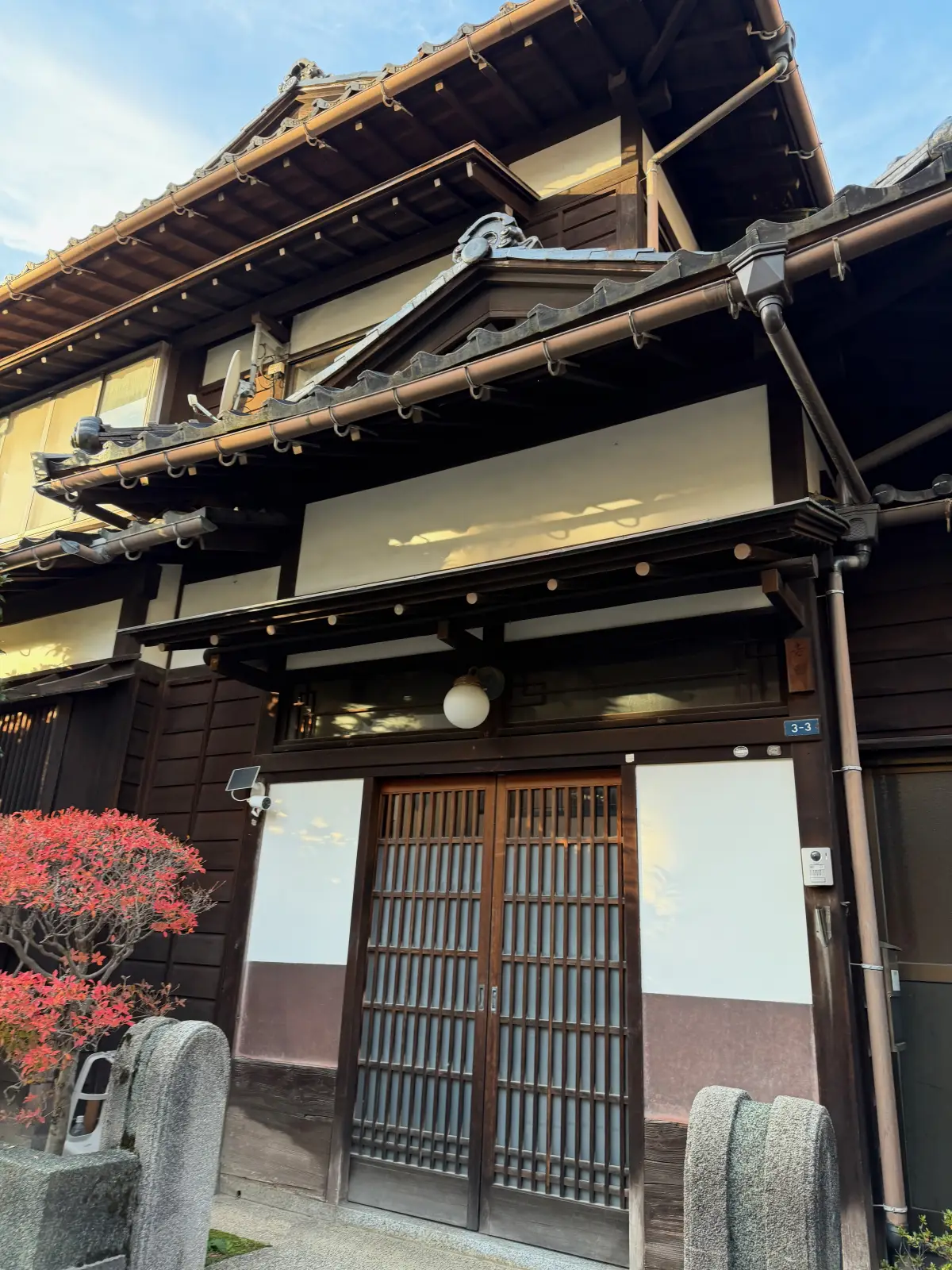
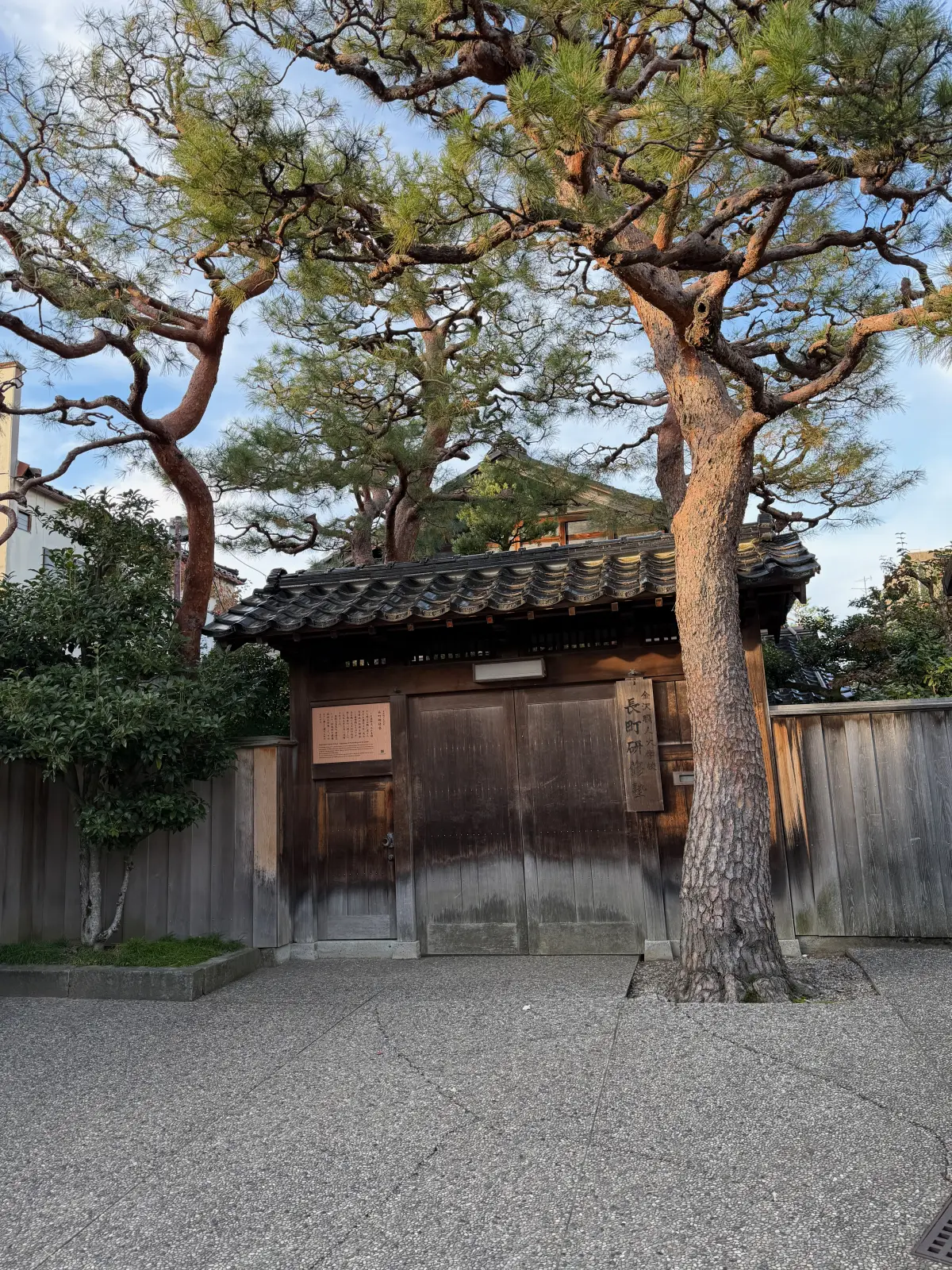
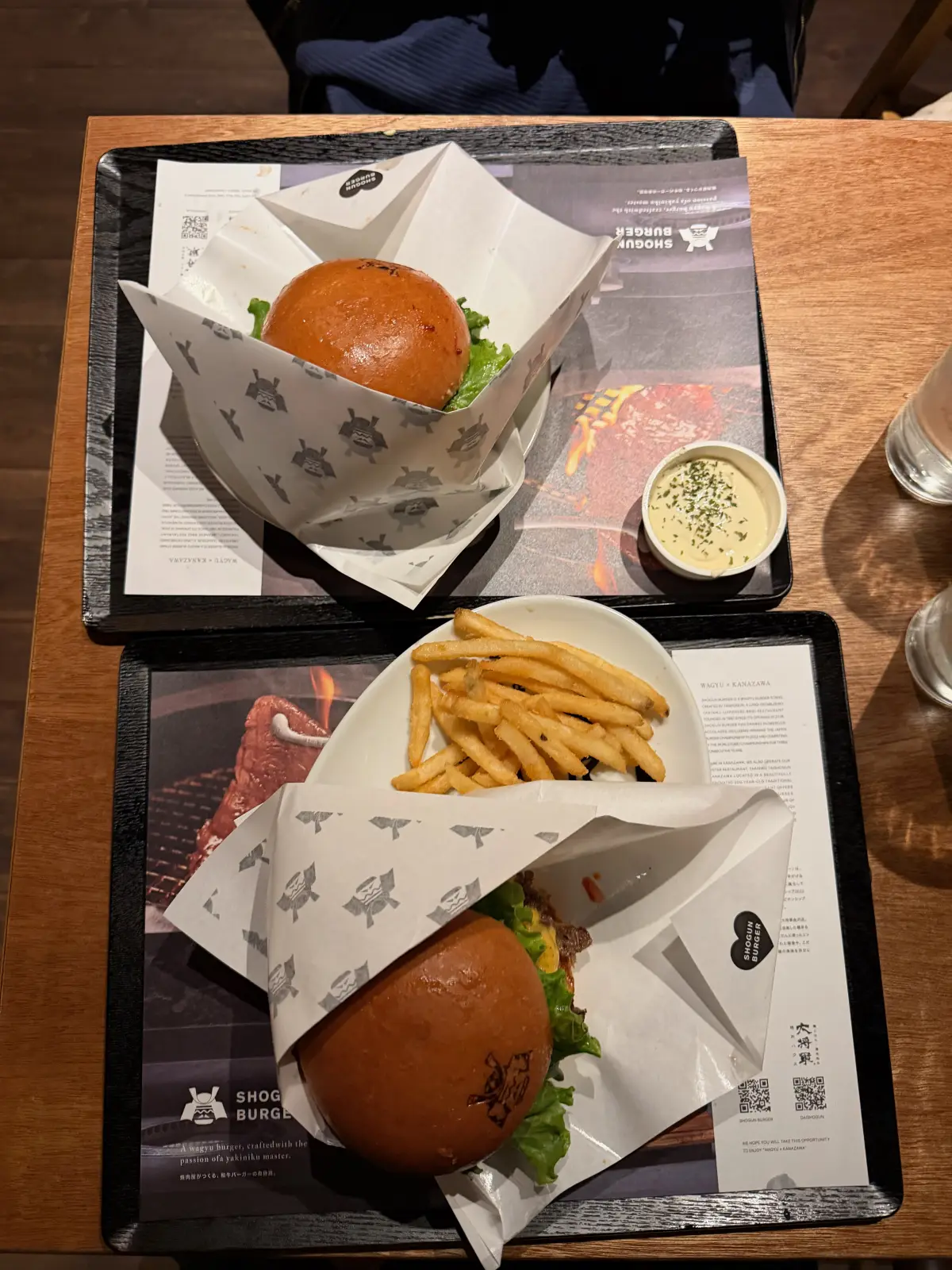
Higashi Chaya district. Across the Asano river, the old teahouse quarter, with wooden chaya houses where geisha entertained. Today many are cafés, sweet shops and gold-leaf stores: Kanazawa produces almost all of Japan’s gold leaf, and you will see it on everything from ice cream to cosmetics. It is also where we had dinner on the first night, at Shogun Burger, inside an old townhouse.
Day 2: Kenroku-en, the castle and the museum
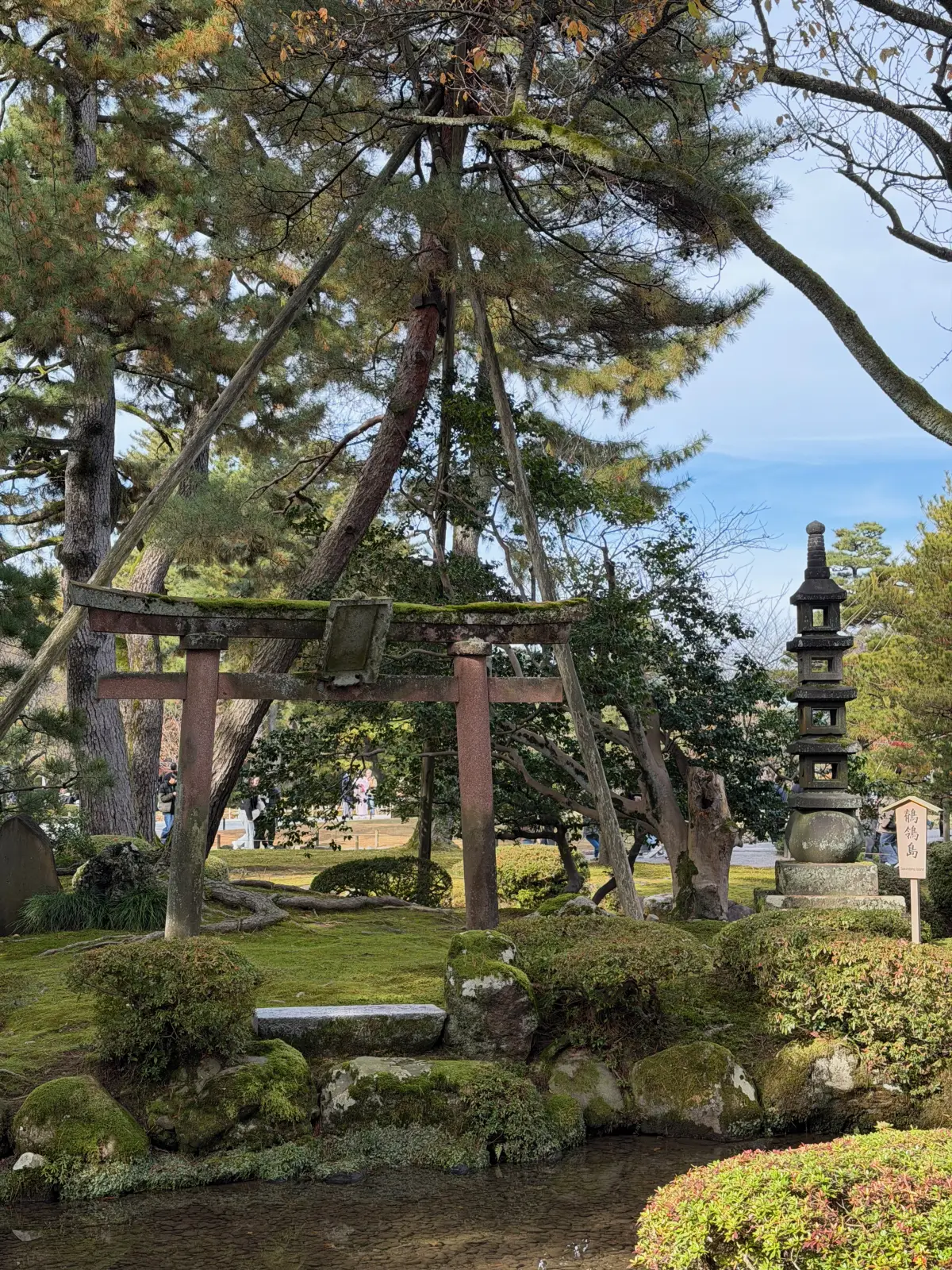
Kenroku-en. Kanazawa’s famous garden, ranked with Kairaku-en and Koraku-en as one of the three great gardens of Japan. Ponds, streams, stone lanterns, a teahouse and pine trees held up by rope supports (yukitsuri) in winter to protect the branches from snow. Go early in the morning. In late November, the autumn colours were at their peak.
Kanazawa Castle Park. Right next to Kenroku-en, across a bridge. The castle gates, turrets and long storehouse have been carefully reconstructed, and the park is free.
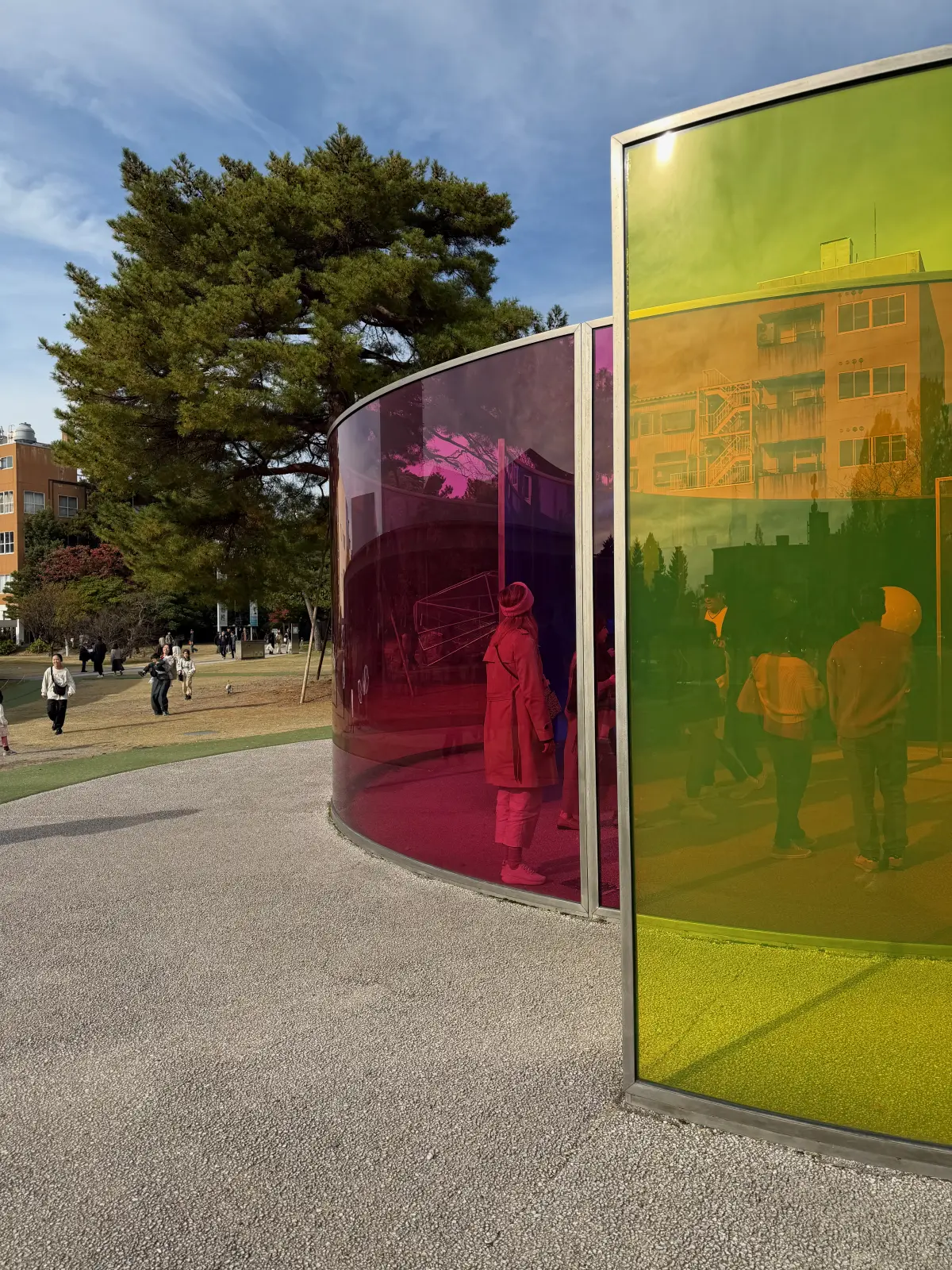
21st Century Museum of Contemporary Art. A round glass building five minutes from the garden, with art inside and outside. Some of the outdoor installations, like the colourful glass pavilions on the lawn, are free to visit, and the famous Swimming Pool by Leandro Erlich needs a timed ticket.
A coffee break. The centre is full of small, design-minded cafés. Japanese custard pudding is a local café favourite.

What to eat in Kanazawa
- Ōmichō Market: Kanazawa’s big fish market, for crab (in winter), sweet shrimp (amaebi) and seafood rice bowls (kaisendon).
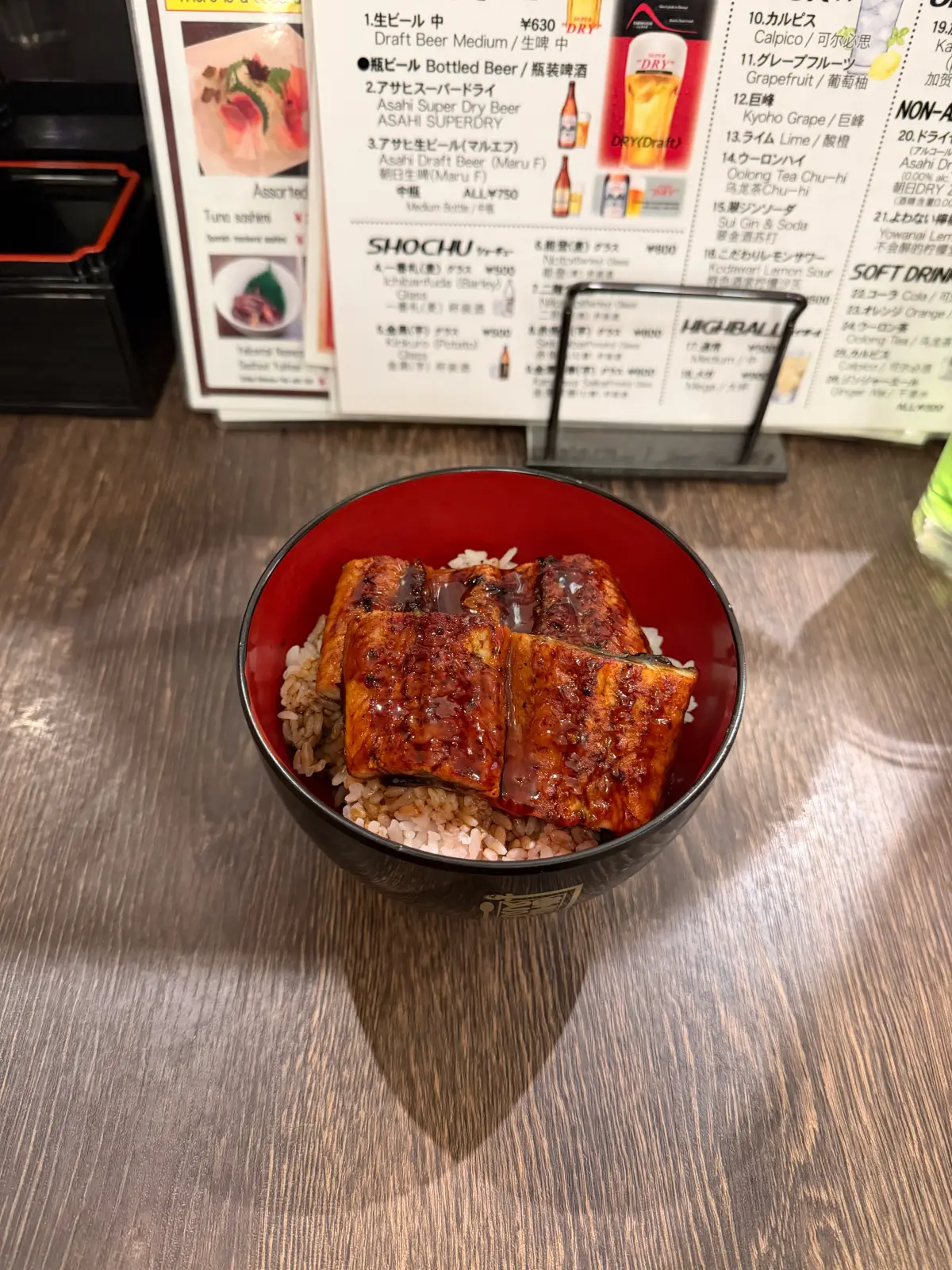
- Izakayas with Kaga and Noto dishes: local fish, oden and Kaga plum liqueur (umeshu). We had a classic eel rice bowl (unadon) at one of them.
- Gold-leaf soft-serve in Higashi Chaya, at least once.
More to see with extra time
- Kazuemachi and Nishi Chaya. Kanazawa has three old teahouse districts. Kazuemachi is a short, pretty strip along the Asano river, and Nishi Chaya, south of the Sai river, is smaller and quieter than Higashi Chaya.
- Myoryu-ji. Nicknamed the “Ninja Temple” for its hidden stairways, trap doors and lookout spaces. It can only be seen on a guided tour, so book ahead.
- D.T. Suzuki Museum. A calm, minimalist museum dedicated to the Kanazawa-born Zen writer, with a famous reflecting-pool garden.
- Kanazawa Station. Even if you only pass through, look up at the giant wooden Tsuzumi-mon gate, shaped like a traditional drum, under a glass dome.
Day trips from Kanazawa
- Shirakawa-go: the UNESCO-listed village of steep thatched gassho-zukuri farmhouses, reachable by express bus in roughly an hour and a half. Buses fill up, so reserve a seat.
- Gokayama: another group of thatched villages in the same UNESCO listing, smaller and less busy than Shirakawa-go.
- The Noto Peninsula: a rugged coast north of the city. It was hit hard by the January 2024 earthquake, so check what is open before you plan a visit.
Practical tips
- Bring an umbrella. Kanazawa is one of the rainiest cities in Japan, in every season.
- Start early. Kenroku-en opens early in the morning, and the first hour is the quietest.
- Use a bus day pass if you plan to hop between the station, Higashi Chaya, the garden and Nagamachi. Otherwise, walking is easy.
- The JR Pass covers the Hokuriku Shinkansen, which makes Kanazawa an easy addition to a Tokyo–Kyoto trip. For a full route, see our three-week Japan itinerary.
Where to stay
- Around Kanazawa Station: the most practical base, with all the trains and buses. We stayed at the Four Points by Sheraton.
- Korinbo / Katamachi: the downtown nightlife and shopping area, between the castle and Nagamachi.
- Higashiyama: for a traditional stay in a machiya townhouse.
FAQ
Is Kanazawa worth visiting? Yes. It combines a top garden, samurai and geisha districts, contemporary art and excellent seafood in a city that is far less crowded than Kyoto.
How many days do you need in Kanazawa? Two days covers the main sights comfortably. Add a day for a trip to Shirakawa-go or the Noto Peninsula.
How do you get from Kyoto to Kanazawa? Thunderbird limited express to Tsuruga, then the Hokuriku Shinkansen to Kanazawa.
When is the best time to visit Kanazawa? Autumn (November) for the colours, spring for cherry blossom, and winter for crab season and snowy gardens.
Is Kanazawa covered by the JR Pass? Yes. The Hokuriku Shinkansen and the Thunderbird limited express are both covered by the nationwide Japan Rail Pass.
Can you visit Shirakawa-go from Kanazawa? Yes. Express buses run from Kanazawa Station, and the round trip fits easily into a day. Book your bus seat in advance, especially in winter and autumn.