Walter Ponce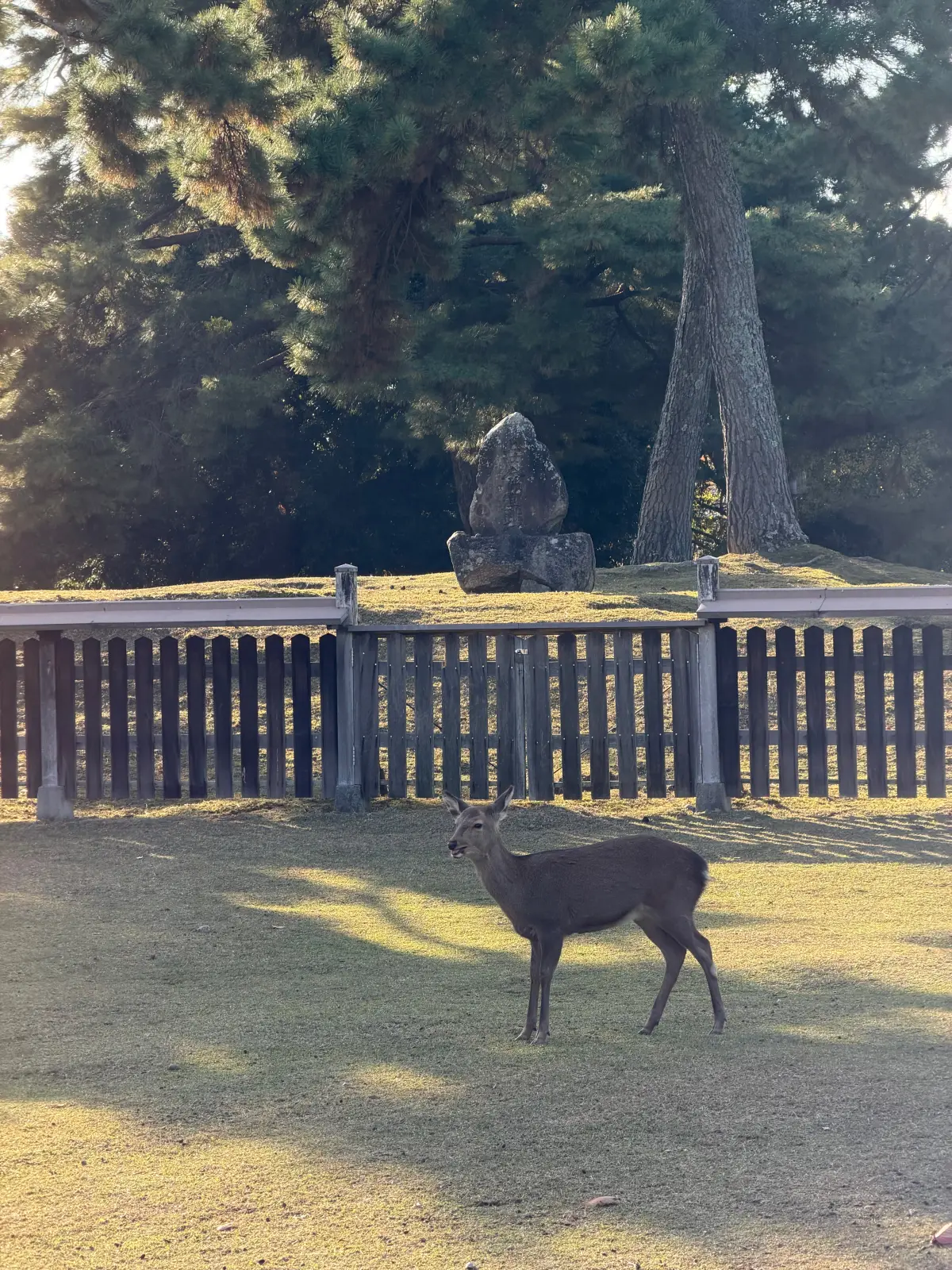
Almost everyone visits Nara as a half-day trip from Kyoto or Osaka. They arrive at ten, feed the deer, see the Great Buddha, and leave by four. We did the opposite and stayed two nights, and it was one of the calmest, most memorable parts of our trip around Kansai.
Here is what to see in Nara, and why it is worth sleeping there.
A little history
Before Kyoto, there was Nara. In 710 the city, then called Heijo-kyo, became Japan’s first permanent capital, and it stayed the capital until 784. In those decades Buddhism took hold at the imperial court, and the great temples you see today were founded. Many of them are listed together by UNESCO as the Historic Monuments of Ancient Nara.
Why stay overnight
- Early mornings and evenings are empty. Once the tour groups leave, you have the park, the temple paths and the deer almost to yourself.
- It is a good place for a ryokan. Nara has traditional inns at lower prices than Kyoto.
- The pace. After Tokyo and Osaka, Nara is a small, quiet town where everything is a walk away.
Nara Park and the deer
Around a thousand sika deer roam freely in Nara Park and the streets around the temples. They are considered messengers of the gods in Shinto tradition and are protected. Street stalls sell shika senbei, special rice crackers for them, and some of the deer have learned to bow before you feed them.
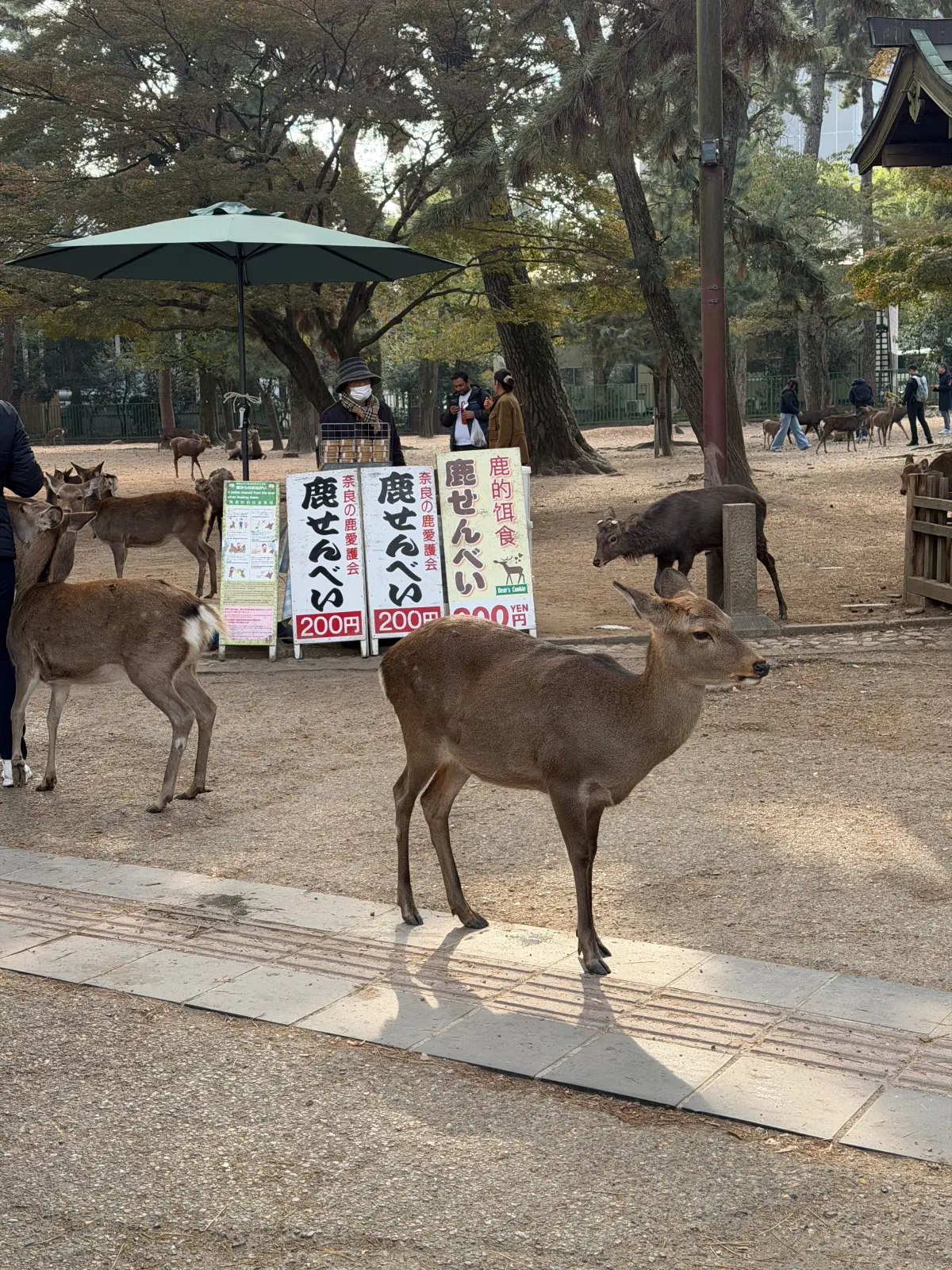
Tips: they are wild animals, so do not tease them, keep paper (maps, tickets) in your bag, and hand the crackers over quickly.
The temples and shrines
- Todai-ji: home of one of the largest bronze Buddhas in Japan, inside an enormous wooden hall. Go early.
- Kasuga Taisha: Nara’s great shrine, with thousands of stone lanterns along the forest paths and bronze lanterns hanging inside.
- Kofuku-ji: right at the edge of town, with its national treasure hall. Its famous five-storey pagoda is under a long restoration, but the grounds are still worth a walk.
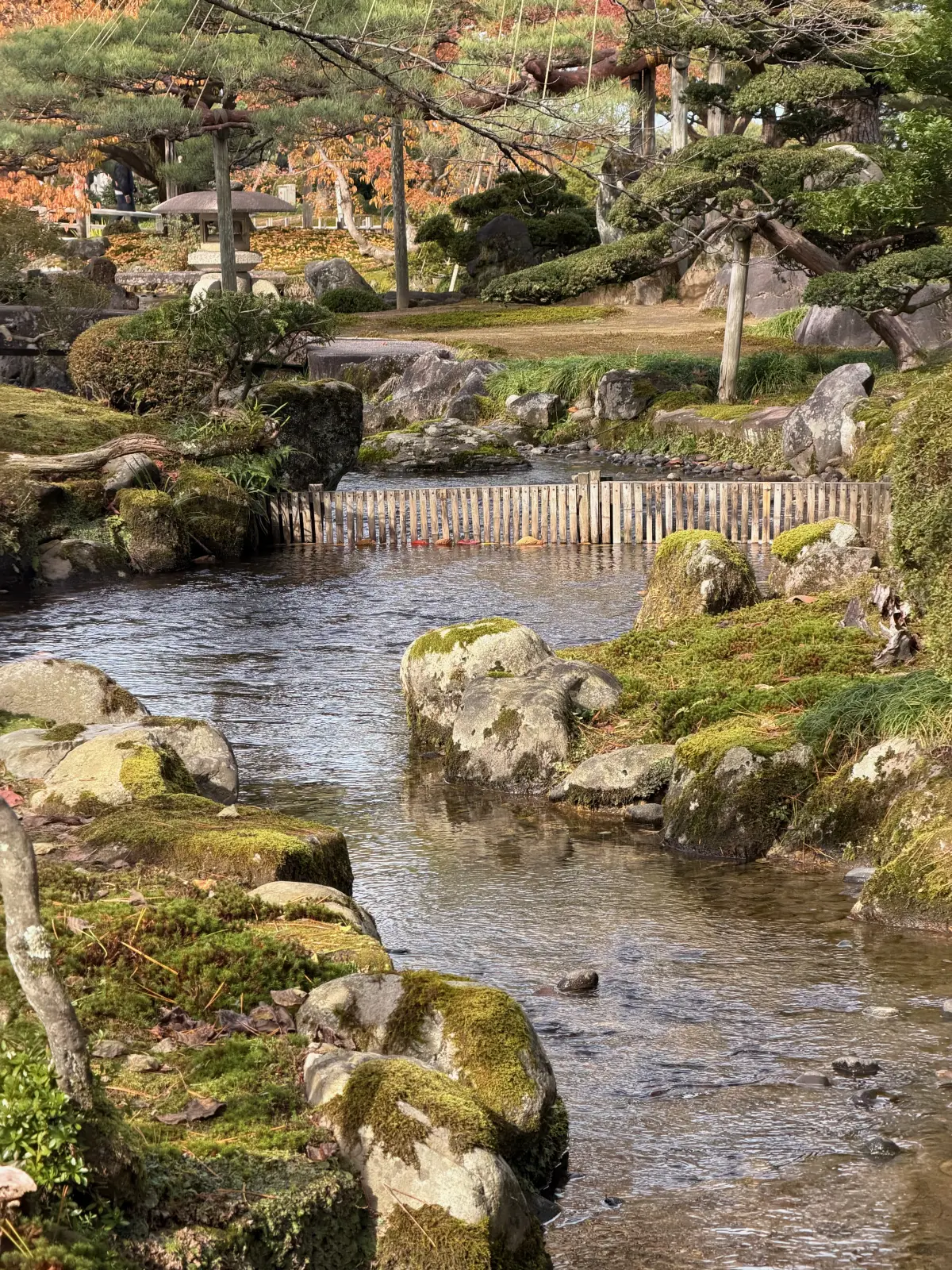
- Isuien and Yoshikien gardens: two small, beautiful gardens next to each other, much quieter than the temples.
At Todai-ji, walk in through the huge Nandaimon gate with its two fierce wooden guardian statues. Inside the Great Buddha Hall, look for the wooden pillar with a hole at its base: squeezing through it is said to bring good luck. Then climb the hill behind to Nigatsu-do, a hall with a wooden balcony and one of the best free views over Nara, especially at sunset.
At Kasuga Taisha, the lanterns are lit only a few times a year, during the Mantoro lantern festivals in early February and mid-August. The rest of the year, the forest path through the lanterns is beautiful on its own, and quietest early in the morning.
A simple overnight plan
- Afternoon: arrive, check in, and walk through Nara Park and Kofuku-ji as the crowds thin out.
- Evening: dinner at your ryokan or around Higashimuki, then a walk around Sarusawa Pond.
- Early morning: Todai-ji at opening time, then Nigatsu-do and the lantern path to Kasuga Taisha.
- Late morning: the gardens, Naramachi and lunch before you leave.
Naramachi and the old streets
South of Sarusawa Pond, Naramachi is the old merchant quarter: narrow streets of wooden townhouses, small museums, craft shops and cafés. The Higashimuki shopping arcade and the streets around Kintetsu Nara Station are good for an evening walk and dinner.
Where we stayed: a ryokan-style hotel
We stayed two nights at the Kasuga Hotel, close to Kintetsu Nara Station and the park. It was the most traditional stay of the whole trip: tatami rooms with low tables and floor seating, and a Japanese dinner of many small dishes.
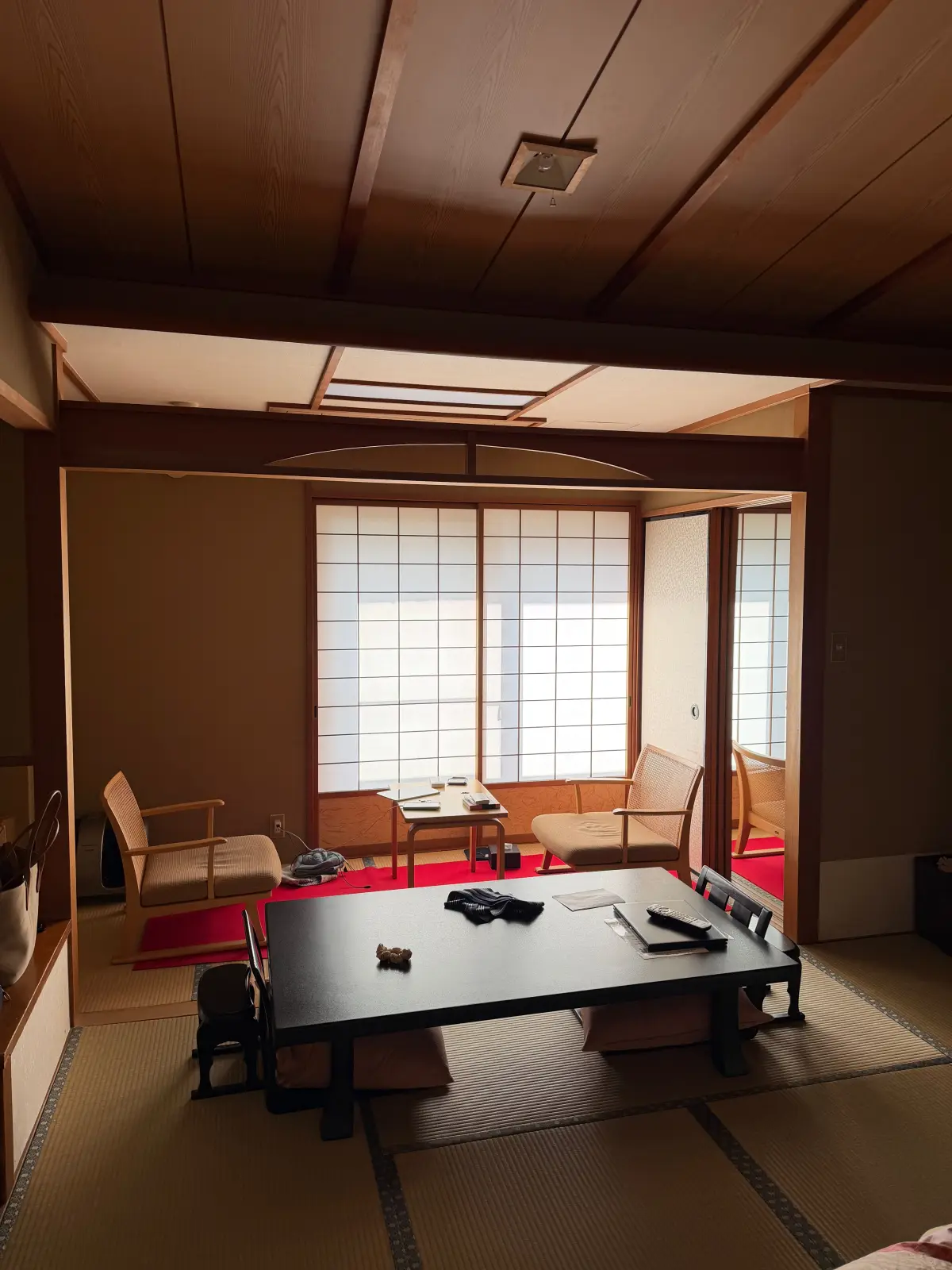
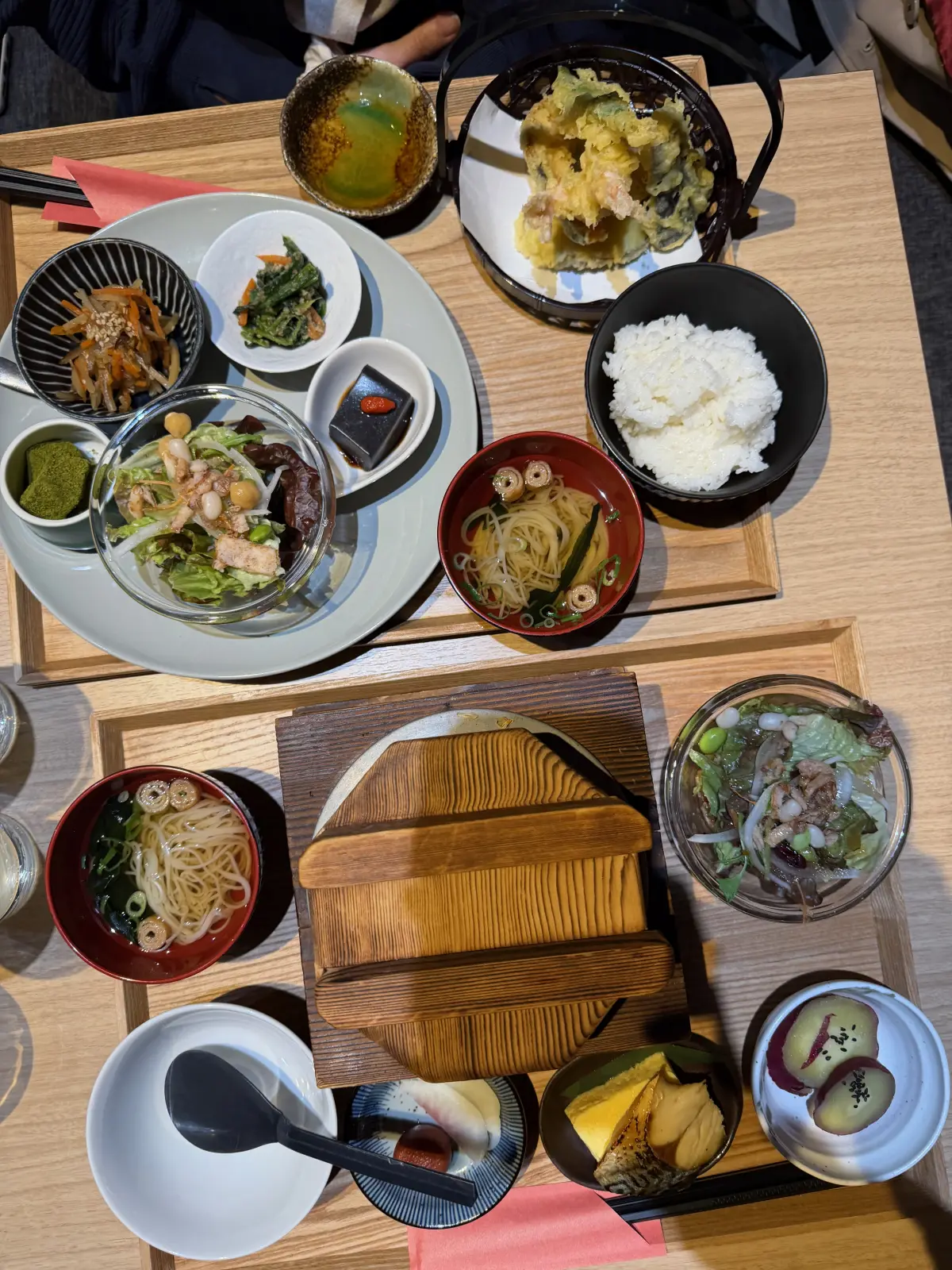
If you have never stayed in a ryokan, Nara is a great place to try it: the experience is the same as in Kyoto, at a lower price.
Ryokan etiquette in a nutshell
- Shoes off at the entrance, and slippers off before you step onto the tatami.
- Wear the yukata (the cotton robe) left side over right. Right over left is only for dressing the dead.
- Dinner has a set time. Tell the inn when you will arrive, and don’t be late for the meal.
- Bathing: wash and rinse completely at the showers before getting into a shared bath, and keep your small towel out of the water.
- Futons are often laid out for you while you are at dinner.
Where to eat
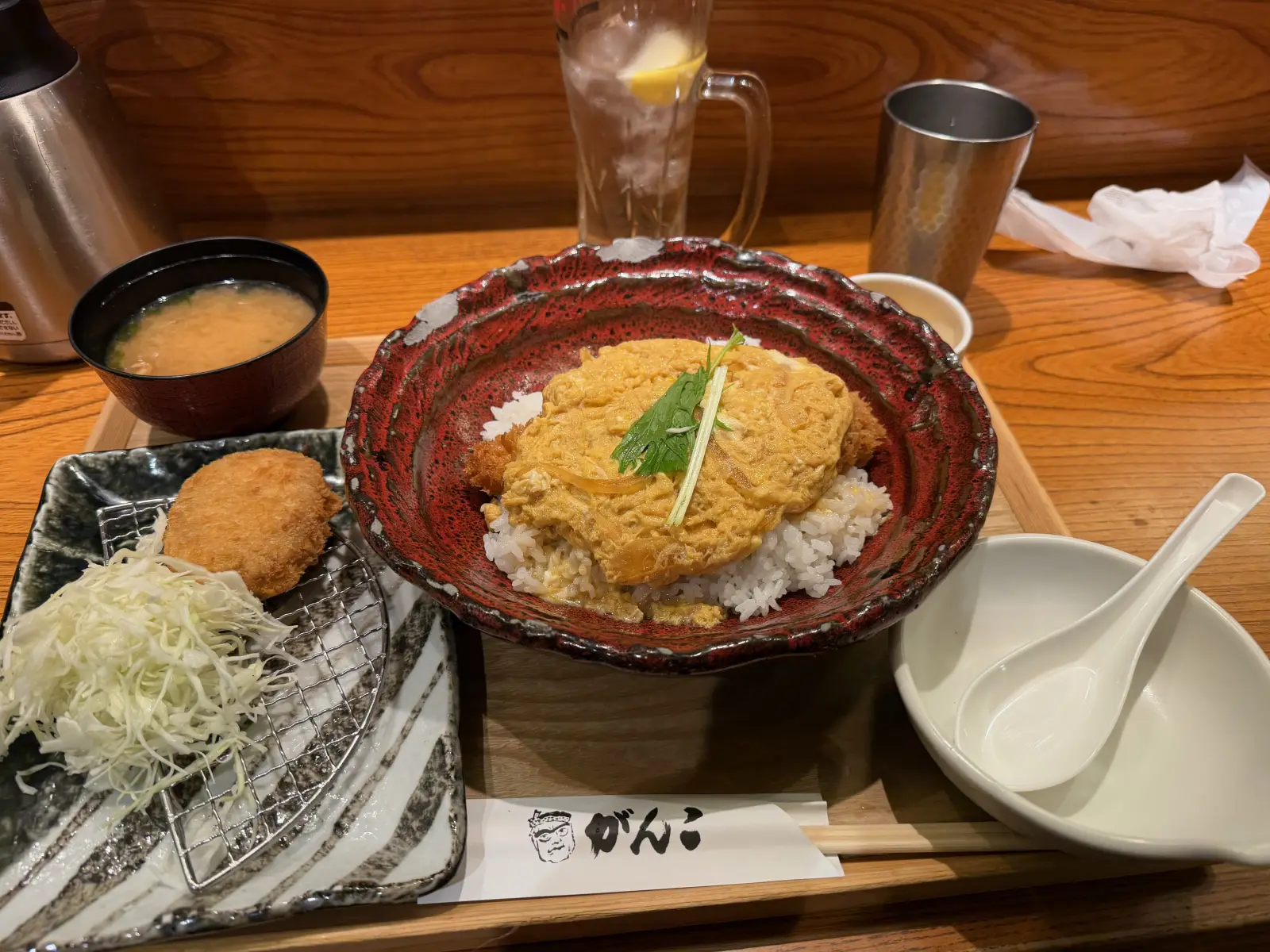
Nara’s food is simpler than Osaka’s or Kyoto’s. Look for kakinoha-zushi (sushi wrapped in persimmon leaves, a local speciality), noodles, and set meals around Higashimuki. We had a classic katsudon lunch near the station.
Getting there
- From Kyoto: around 35 to 50 minutes on the Kintetsu line or JR Nara line.
- From Osaka: around 40 minutes from Namba on the Kintetsu line.
- Tip: the Kintetsu Nara Station is closer to the park and the temples than JR Nara Station.
- JR Pass holders: the JR Nara line is covered by the pass; the Kintetsu line is not.
Beyond the centre
With an extra half day, take the train to Horyu-ji, south-west of the city. It is home to some of the oldest surviving wooden buildings in the world and was one of Japan’s first UNESCO World Heritage Sites. It is much quieter than Todai-ji.
For more on how Nara fits into a wider Kansai route, see Osaka, Kyoto and Nara in ten days.
FAQ
Is Nara worth an overnight stay? Yes. Early mornings and evenings are far quieter than the middle of the day, and ryokans are cheaper than in Kyoto.
How many days do you need in Nara? One full day covers the main sights; two nights lets you see them slowly and add Naramachi and the gardens.
Are the deer in Nara dangerous? They are generally calm but wild. They can nudge or nip if you tease them with food, so hand over crackers quickly.
When is the best time to visit Nara? Spring and autumn have the best weather and colours. Early summer is when fawns are born, and in autumn the males can be more restless during the rutting season, so give them space.
Is Nara better as a day trip from Kyoto or Osaka? A day trip works if you are short on time, but you will see the main sights at their busiest. One night lets you visit early and late, when the town is calm.
Can you use the JR Pass to get to Nara? Yes, on the JR Nara line from Kyoto or the JR lines from Osaka. The Kintetsu trains, which arrive closer to the park, are not covered.