Walter Ponce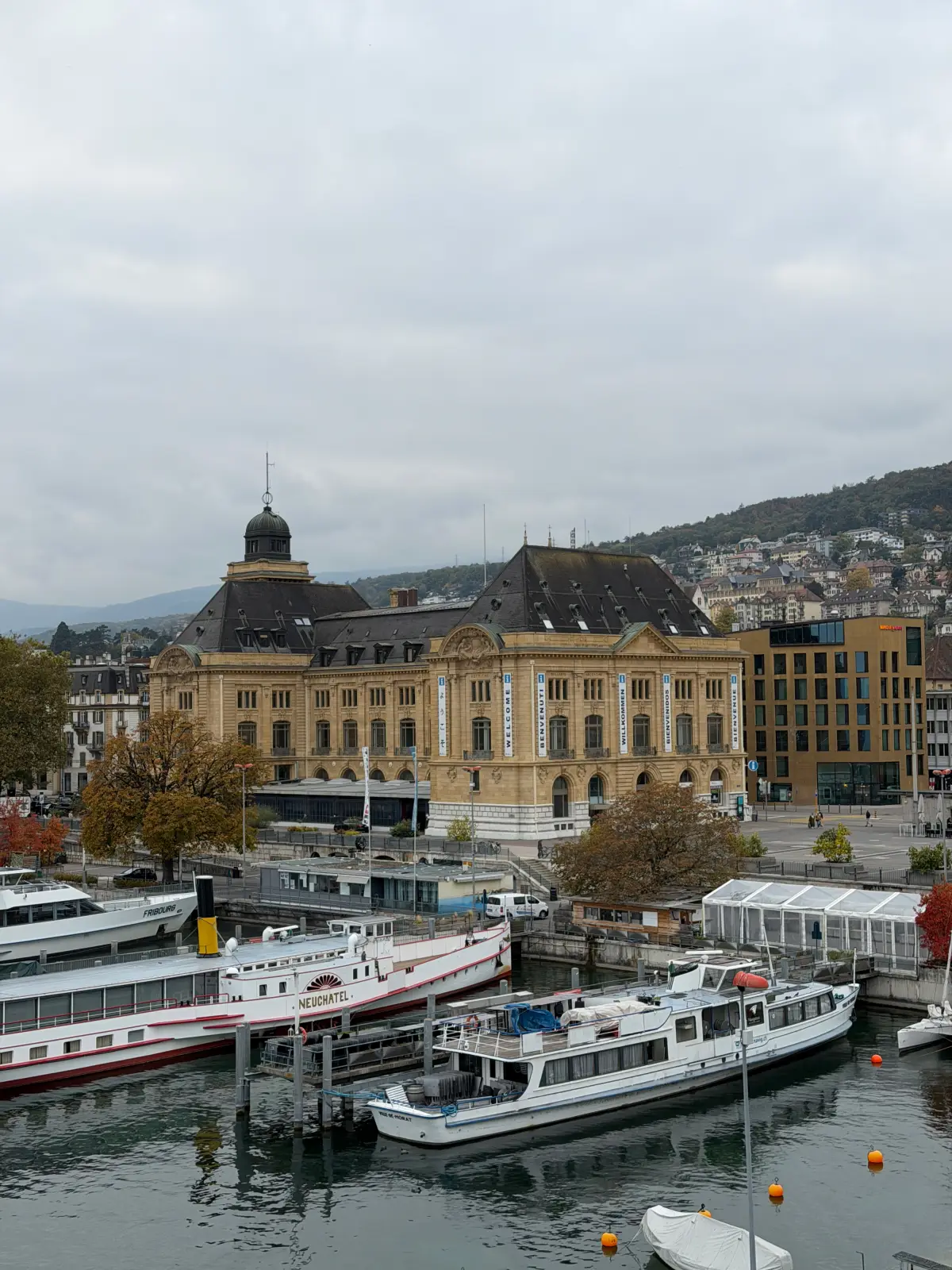
Neuchâtel is one of those Swiss towns that people pass through on the way to somewhere else, and that is a mistake. Last month we spent an autumn weekend there: an old town built from golden-yellow stone, a castle on the hill, a lake big enough to feel like the sea, and very good food. On the way back to Zurich we stopped in Biel/Bienne, the watch capital, for lunch.
Here is how to spend a weekend in Neuchâtel, and why Biel deserves a stop.
Getting there
From Zurich, the train to Neuchâtel takes around an hour and a half to an hour and three quarters, with regular connections, some of them via Biel. From Bern it is about 35 minutes, and from Geneva around an hour and ten minutes. The station is on the hill above the old town; walk down or take the little Fun’ambule funicular to the university area by the lake.
The old town
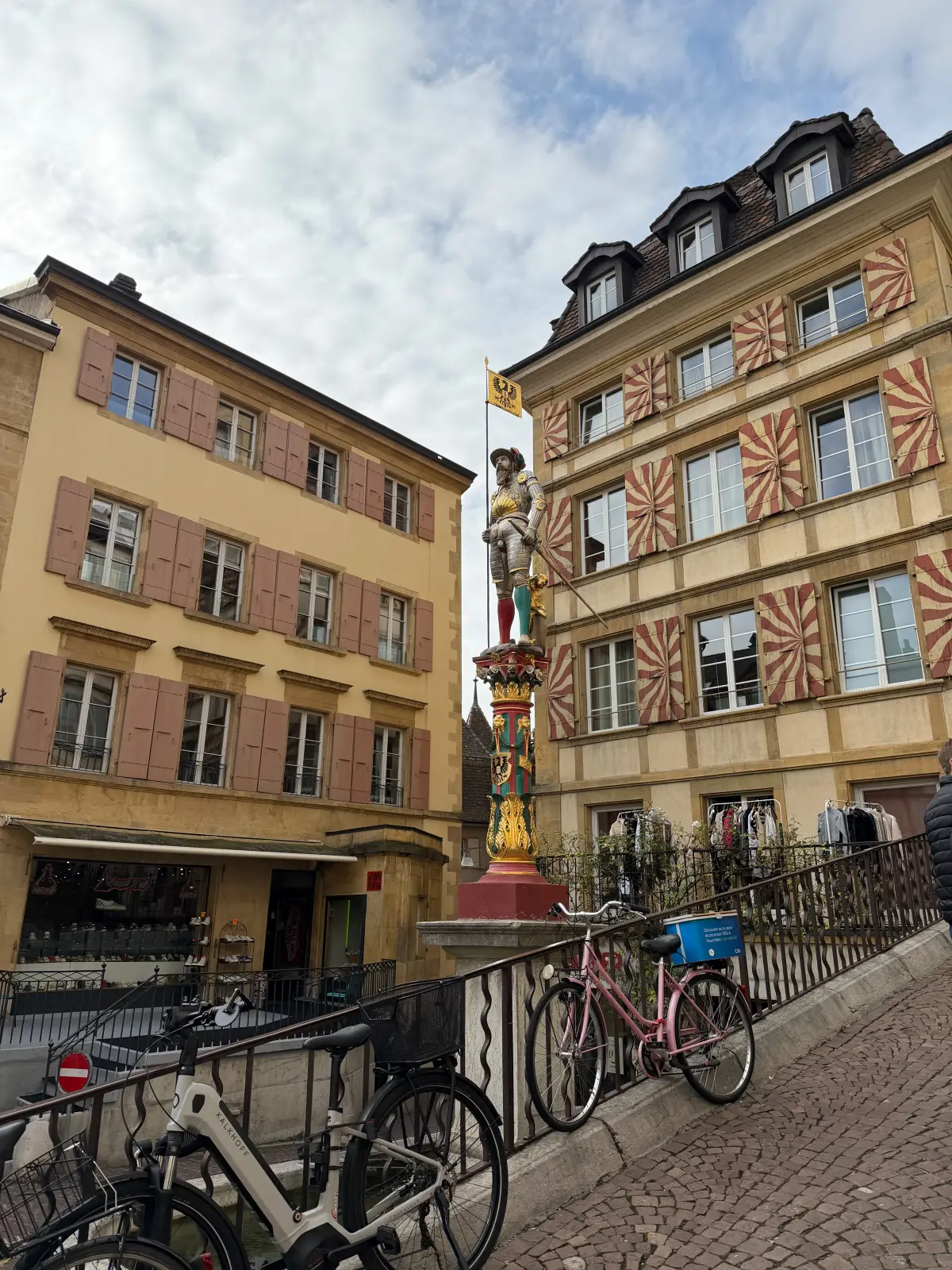
The first thing you notice is the colour. The old town is built from the local yellow limestone, pierre d’Hauterive, which gives the whole place a warm, golden look even on a grey day. Alexandre Dumas famously wrote that Neuchâtel looked as if it had been carved out of a block of butter.
What to see:
- Rue du Seyon, Rue du Château and Rue des Moulins, the main lanes of the old town, with fountains and painted shutters.
- Place des Halles, with the Renaissance Maison des Halles and the terraces around it. The heart of the old town on a Saturday.
- Place Pury, the square between the old town and the lake.
- The fountains: Neuchâtel has a series of colourful 16th-century fountains, like the Fontaine de la Justice.
The castle and the Collégiale
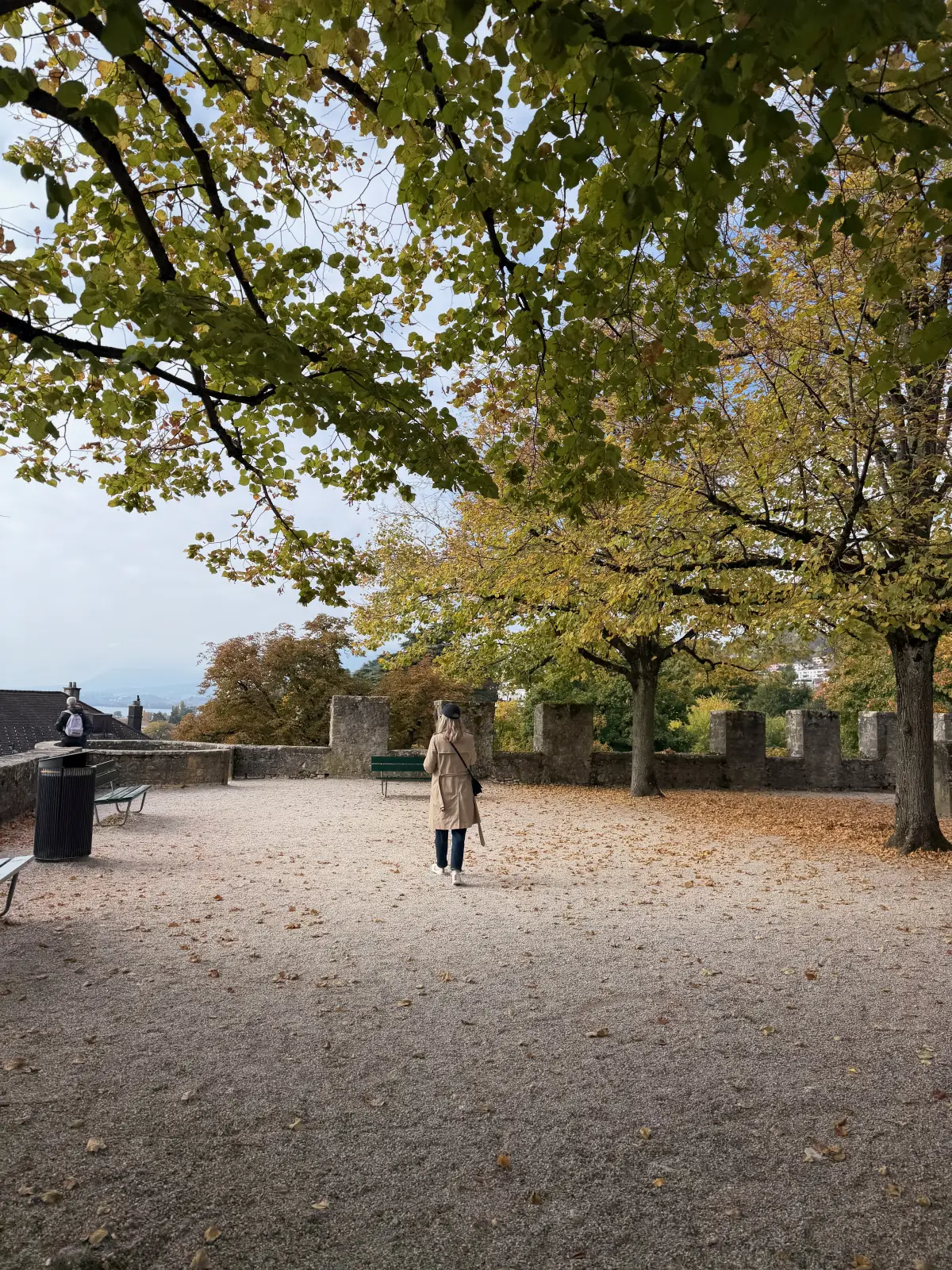
Climb the Escalier du Château to the top of the hill, where the Château de Neuchâtel (today the seat of the cantonal government) stands next to the Collégiale, the town’s Romanesque and Gothic collegiate church. Inside is the Cenotaph of the Counts of Neuchâtel, a remarkable 14th-century monument with life-size painted figures. From the terrace there are views over the rooftops and the lake.
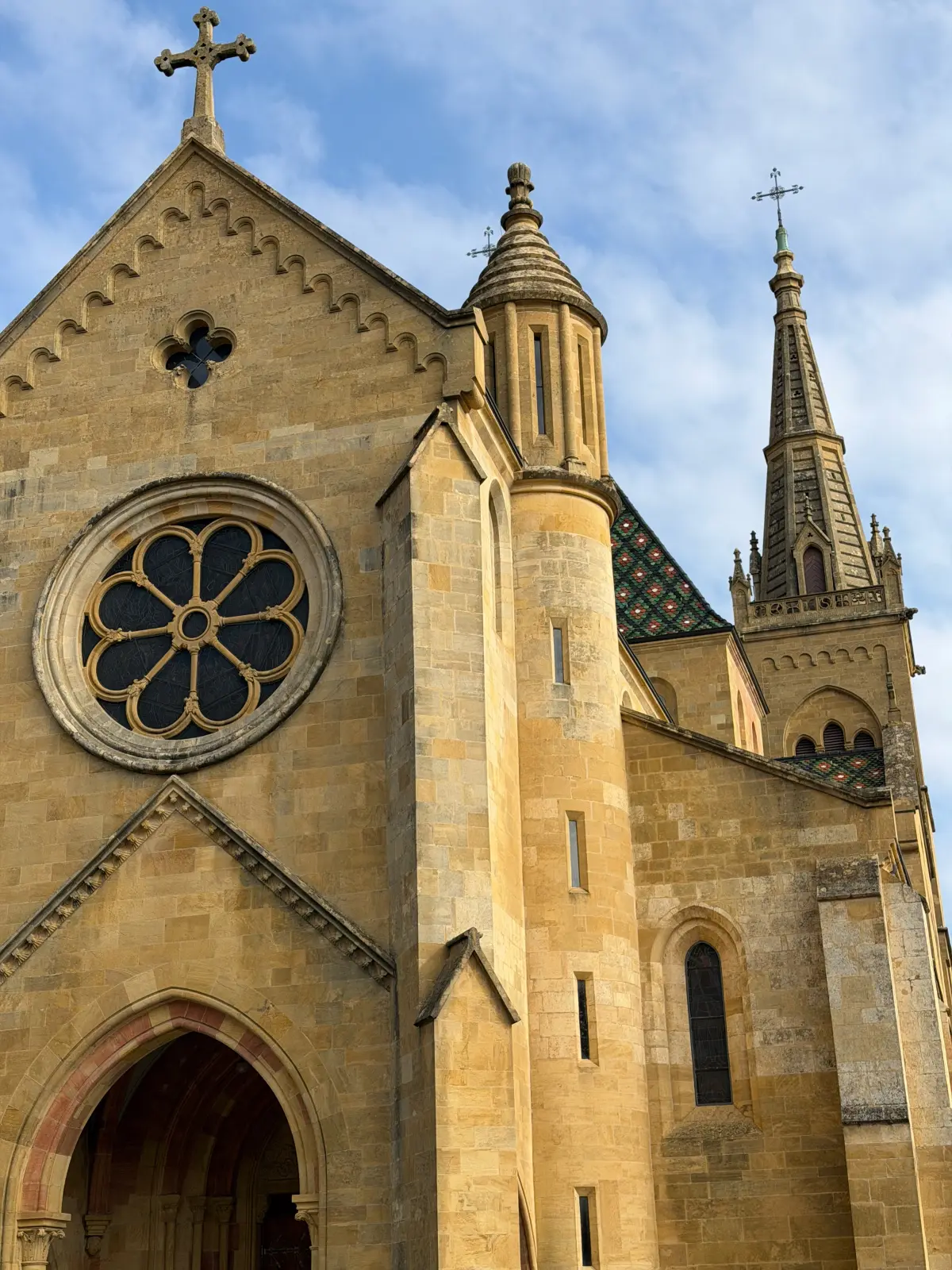
Next to the castle, the Prison Tower (Tour des Prisons) can be climbed for an even higher view.
The lake and the harbour
Lake Neuchâtel is the largest lake that lies entirely in Switzerland, and on a clear day you can see the Alps on the other side. Walk along the Quai Osterwald and the Jeunes-Rives to the harbour, where the lake boats leave for Murten (via the Broye canal), Estavayer-le-Lac and Biel.
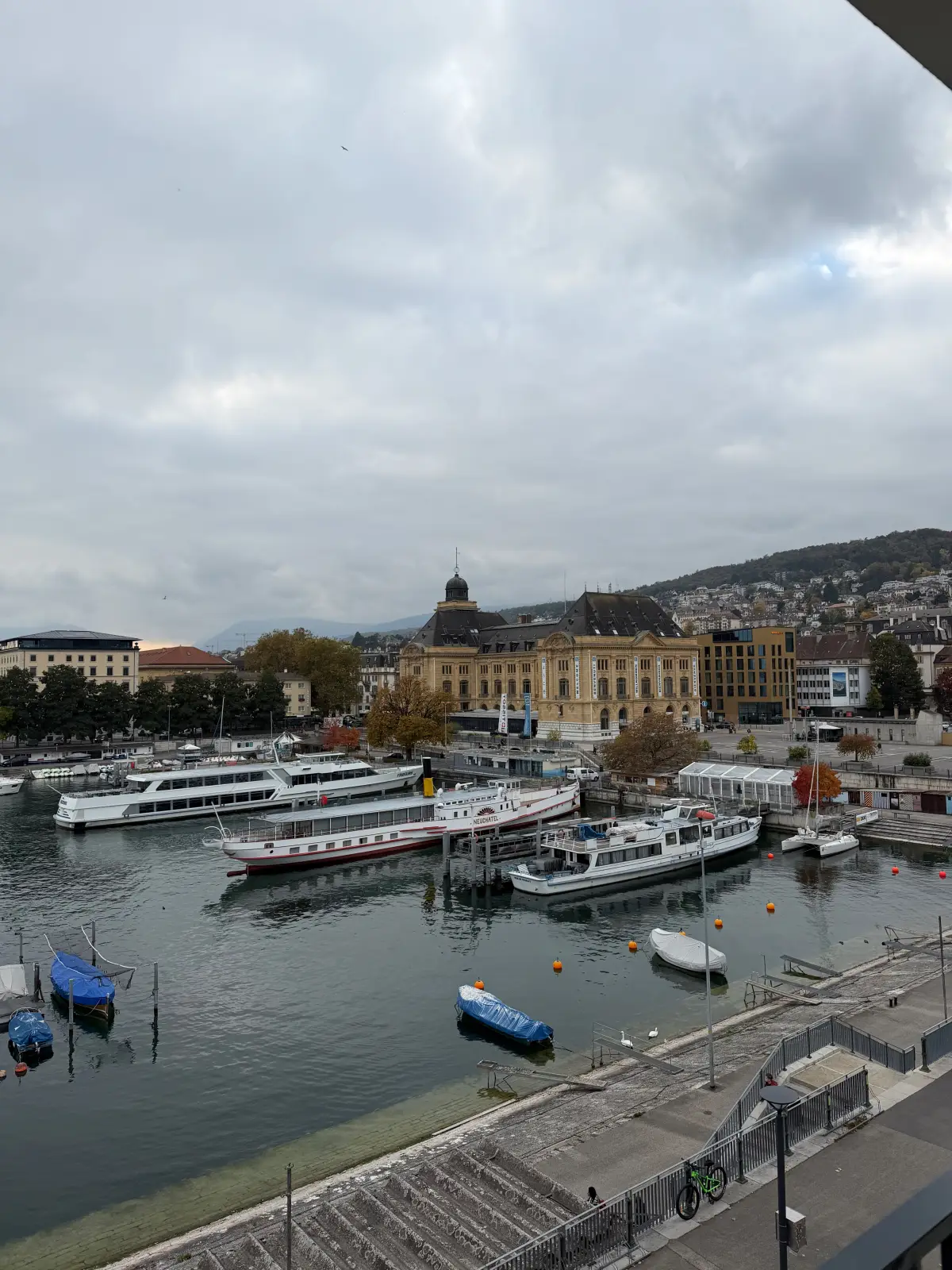
In autumn the esplanade by the lake is covered in yellow leaves and very quiet.
Museums
- Laténium, just outside town in Hauterive, one of the biggest archaeology museums in Switzerland, named after the Celtic site of La Tène on the lake.
- Musée d’art et d’histoire, home of the famous Jaquet-Droz automata: 18th-century mechanical figures that write, draw and play music, demonstrated on certain days. A must for anyone interested in watchmaking.
What to eat and drink
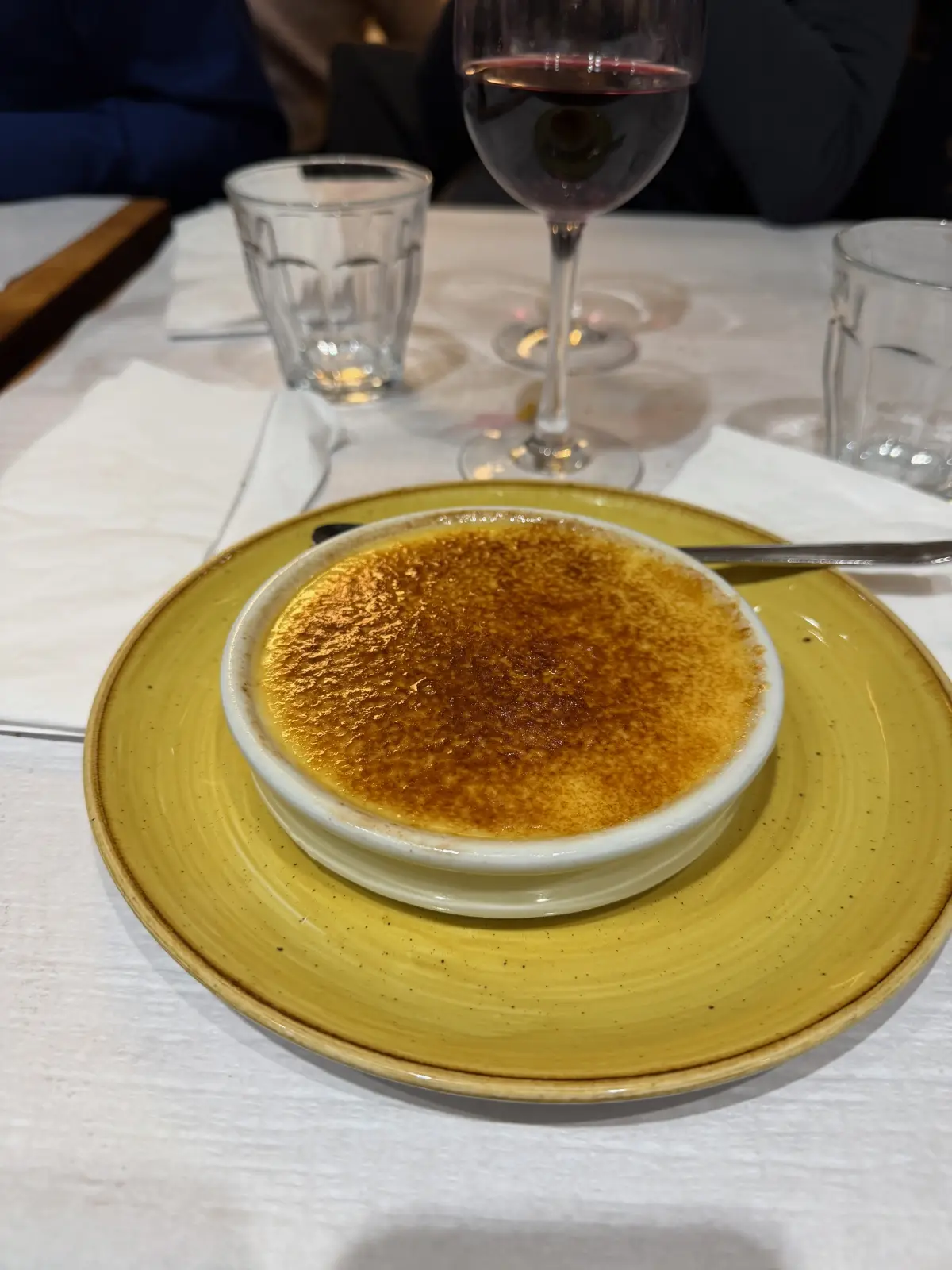
Neuchâtel is French-speaking, and the food shows it: brasseries, lake fish (perch fillets), and the local wines from the vineyards on the slopes along the lake, especially the light, slightly sparkling white Chasselas and the Œil-de-Perdrix rosé. The region is also the home of absinthe, from the Val-de-Travers.
On the way home: Biel/Bienne
Biel/Bienne is about 20 minutes from Neuchâtel by train and right on the way back to Zurich. It is Switzerland’s largest bilingual city (German and French are both spoken on every street) and the capital of the Swiss watch industry: Swatch, Omega and Rolex movement making are all based here.
- The old town (Altstadt / Vieille Ville): a small, beautifully preserved medieval centre around the Ring, with arcades and painted fountains.
- The Swatch and Omega campus: the Swatch headquarters by Japanese architect Shigeru Ban, a giant timber building, with the Cité du Temps and the Omega Museum next door.
- The lake: Lake Biel, with boats to St Peter’s Island and towards Neuchâtel.
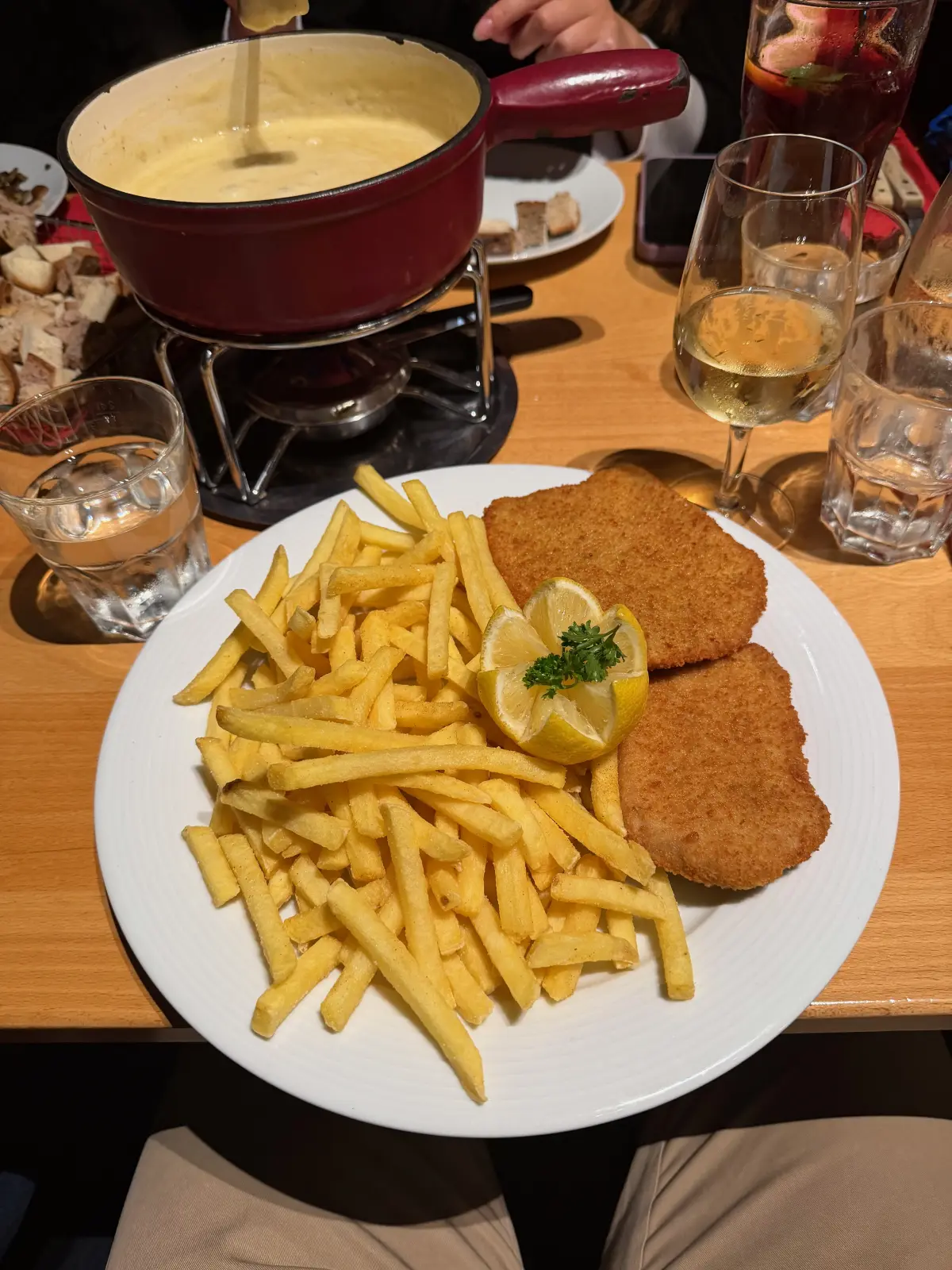
We stopped for a traditional Swiss lunch before the train home: fondue and schnitzel, exactly what an autumn Sunday calls for.
A weekend plan
| Day | Plan |
|---|---|
| Friday evening | Arrive, dinner in the old town |
| Saturday | Old town, castle and Collégiale, lakefront and harbour, museum |
| Sunday morning | Train to Biel, old town and lunch |
| Sunday afternoon | Train home to Zurich |
Tips
- Go in autumn for the colours and the wine harvest, or in summer to swim in the lake.
- Combine lake and train: in summer you can do Neuchâtel to Biel by boat through the Thielle canal.
- Check the automata demonstration dates at the Musée d’art et d’histoire before you go.
FAQ
Is Neuchâtel worth visiting? Yes. It has a beautiful yellow-stone old town, a castle and collegiate church, a big lake and very good food and wine, without the crowds of Lucerne or Interlaken.
How long does it take from Zurich to Neuchâtel by train? Around an hour and a half to an hour and three quarters.
What language is spoken in Neuchâtel? French. Biel, 20 minutes away, is bilingual German and French.
Can you combine Neuchâtel and Biel in one trip? Easily. They are about 20 minutes apart by train, and Biel is on the way back towards Zurich.