Walter Ponce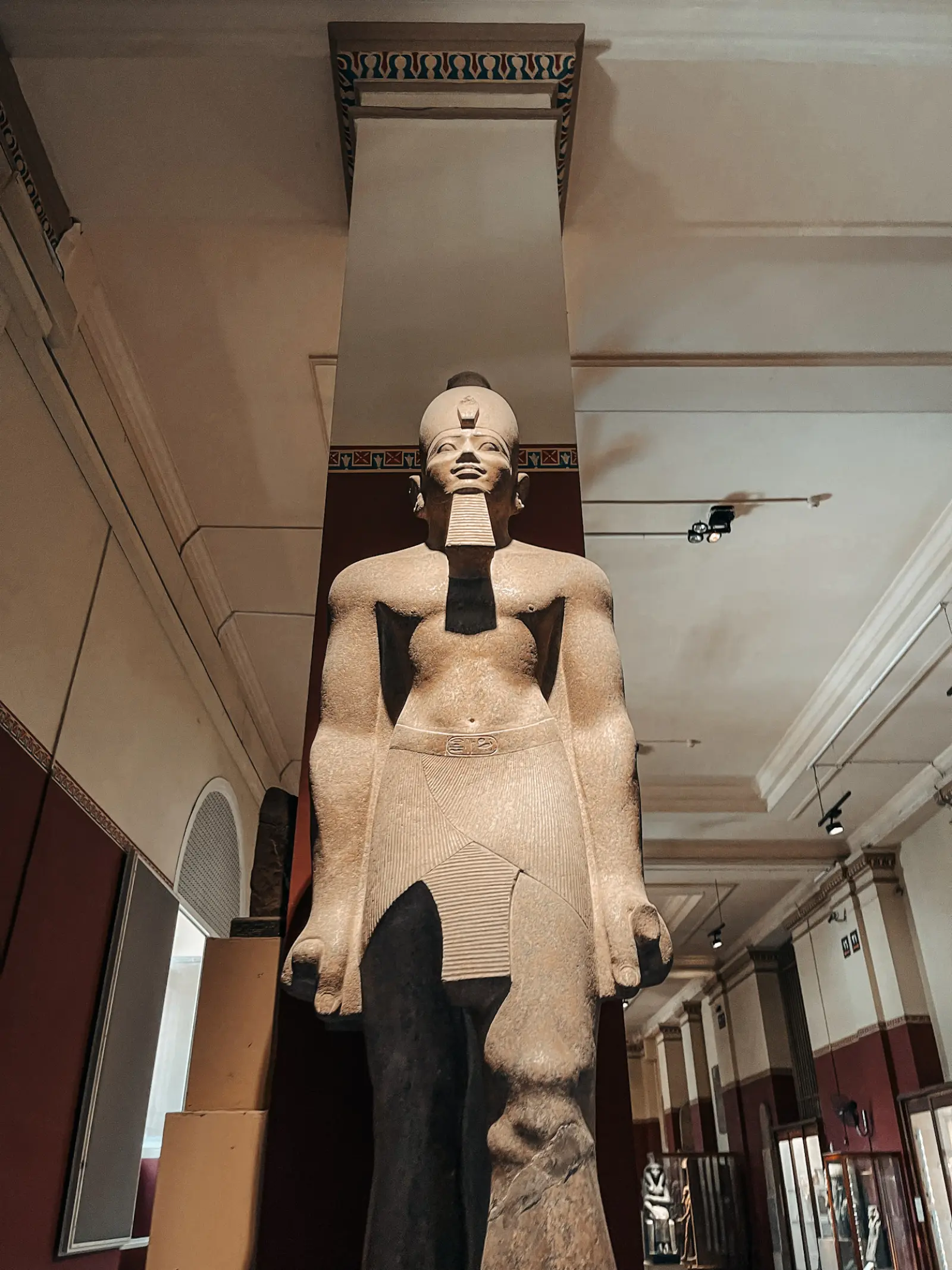
Located in the heart of Cairo, the Egyptian Museum stands as a sanctuary of Egypt’s fascinating history, culture, and civilization. This iconic institution boasts a treasure trove of artifacts, each echoing tales of pharaohs, gods, and ancient mysteries. A visit to the Egyptian Museum is a journey through millennia, offering an unparalleled opportunity to witness the wonders of the past. As part of my trip to Egypt, I decided to emerge myself in the wonders of the ancient Egyptian civilisation.
A Glimpse of Egypt’s Ancient Glory:
As you step through the museum’s grand entrance, you’ll find yourself surrounded by the relics of an empire that once ruled the known world. The museum is home to over 120,000 artifacts, and its exhibits span over 4,000 years of Egyptian history. The sheer scale of this collection is awe-inspiring and overwhelming, giving visitors an extraordinary insight into this ancient civilization.
The Star Attraction:
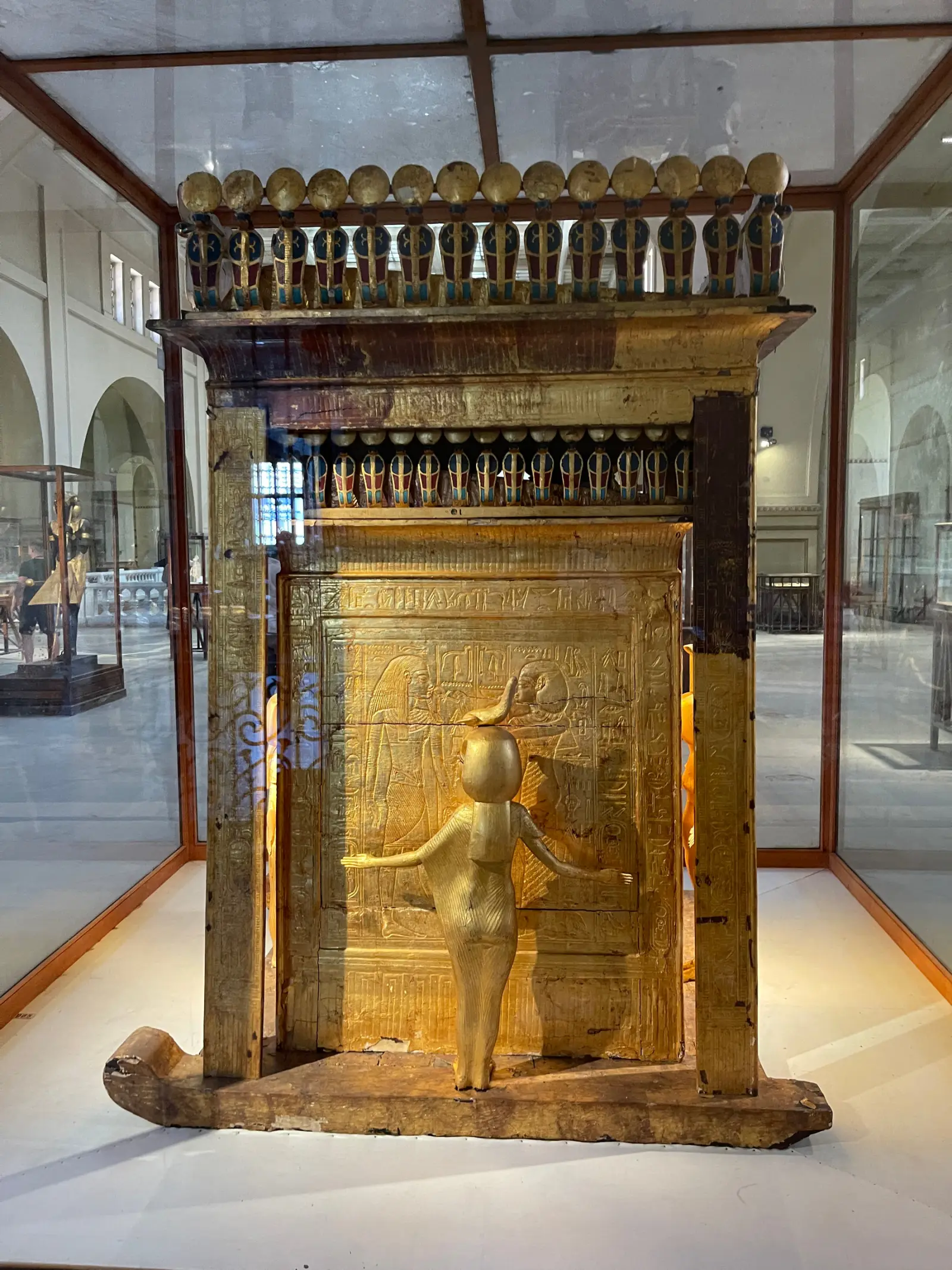
King Tutankhamun’s Treasures: One of the museum’s most celebrated treasures is the collection of artifacts from the tomb of King Tutankhamun, the boy pharaoh. The discovery of his tomb in the early 20th century sent shockwaves through the world of archaeology. Visitors to the Egyptian Museum can gaze upon the legendary golden mask, which adorned the young king’s mummy, as well as his intricately designed throne and a wealth of jewelry and treasures.
Beyond King Tut: A Glimpse into the Past:
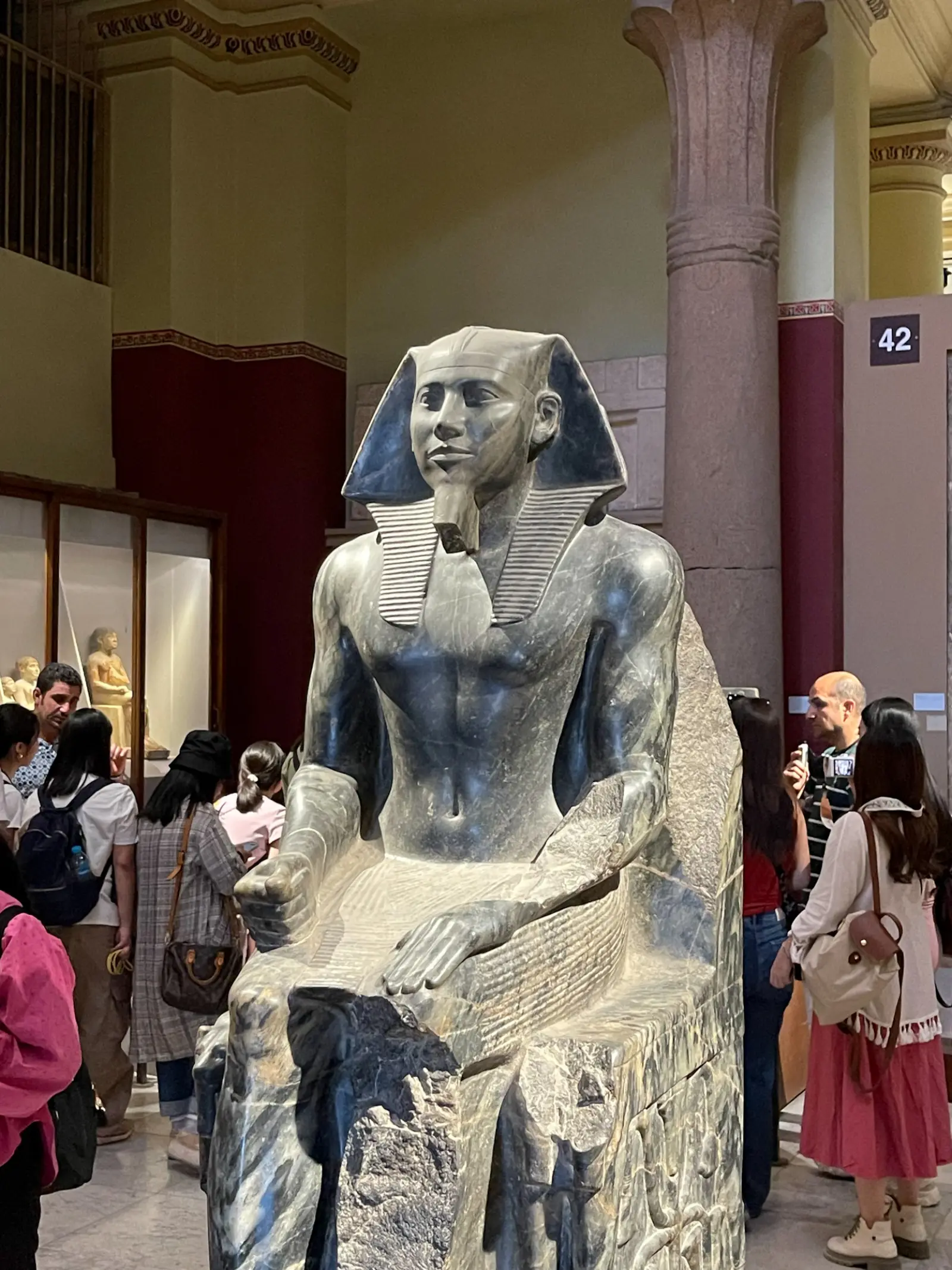
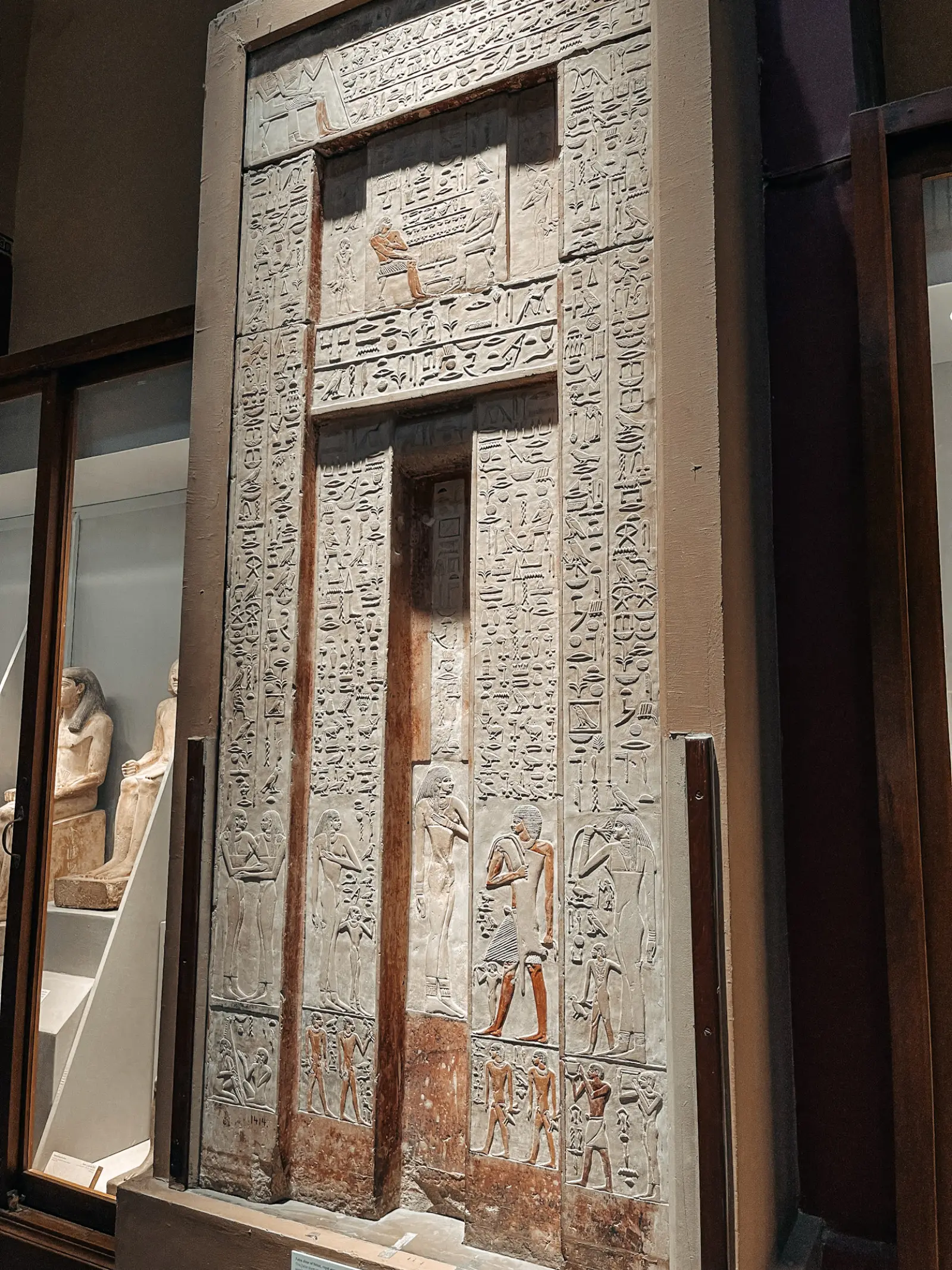
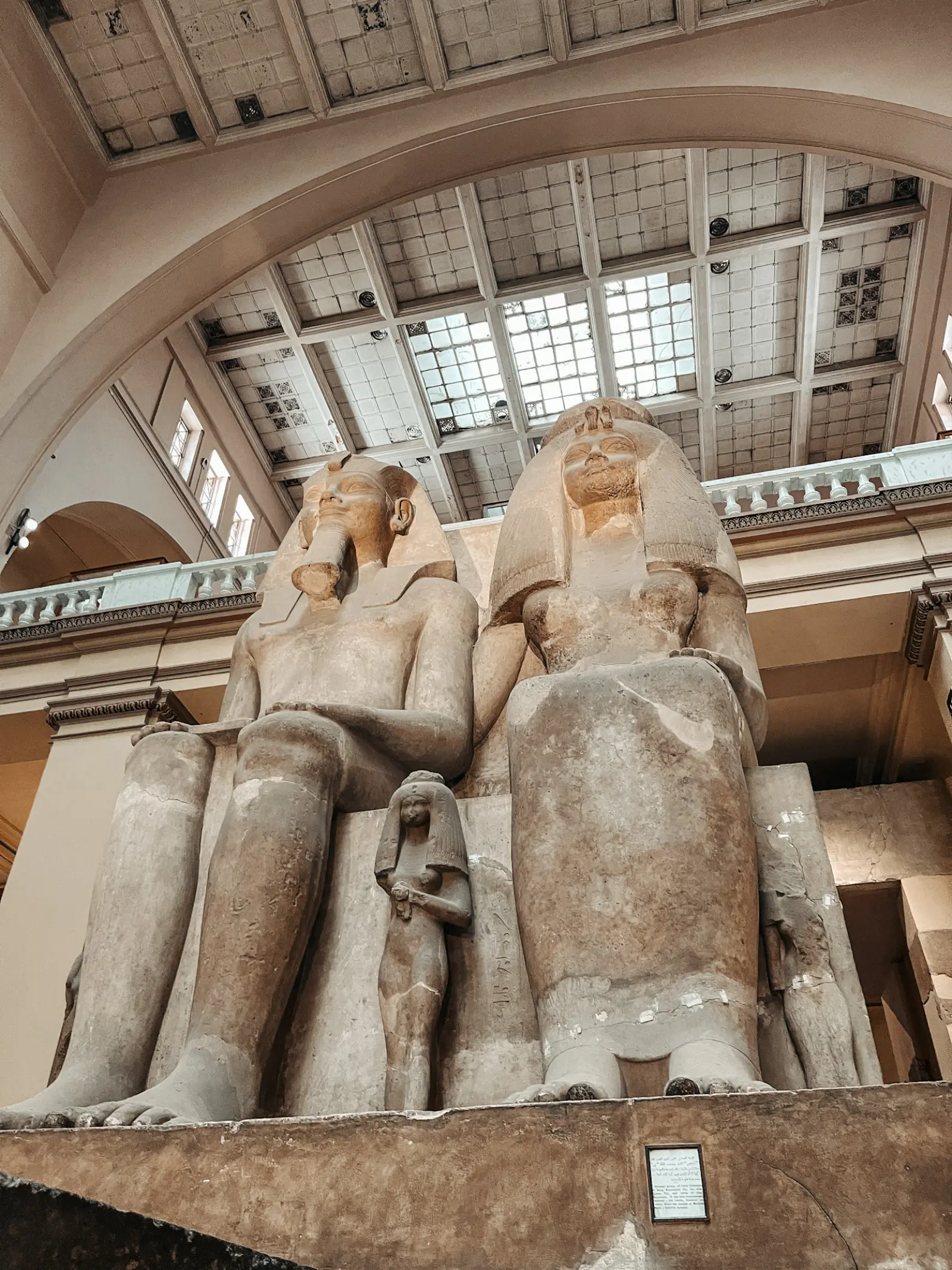
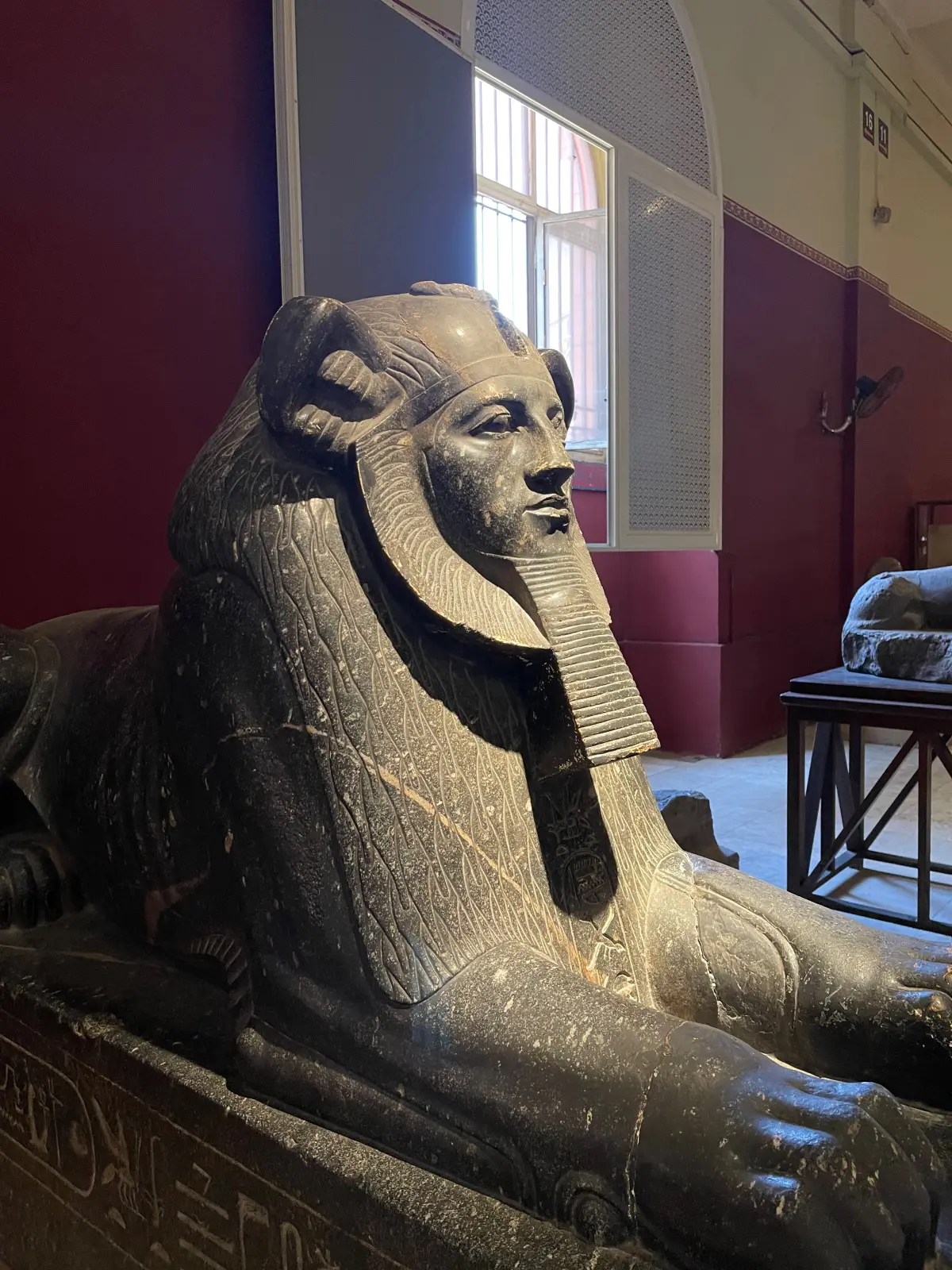
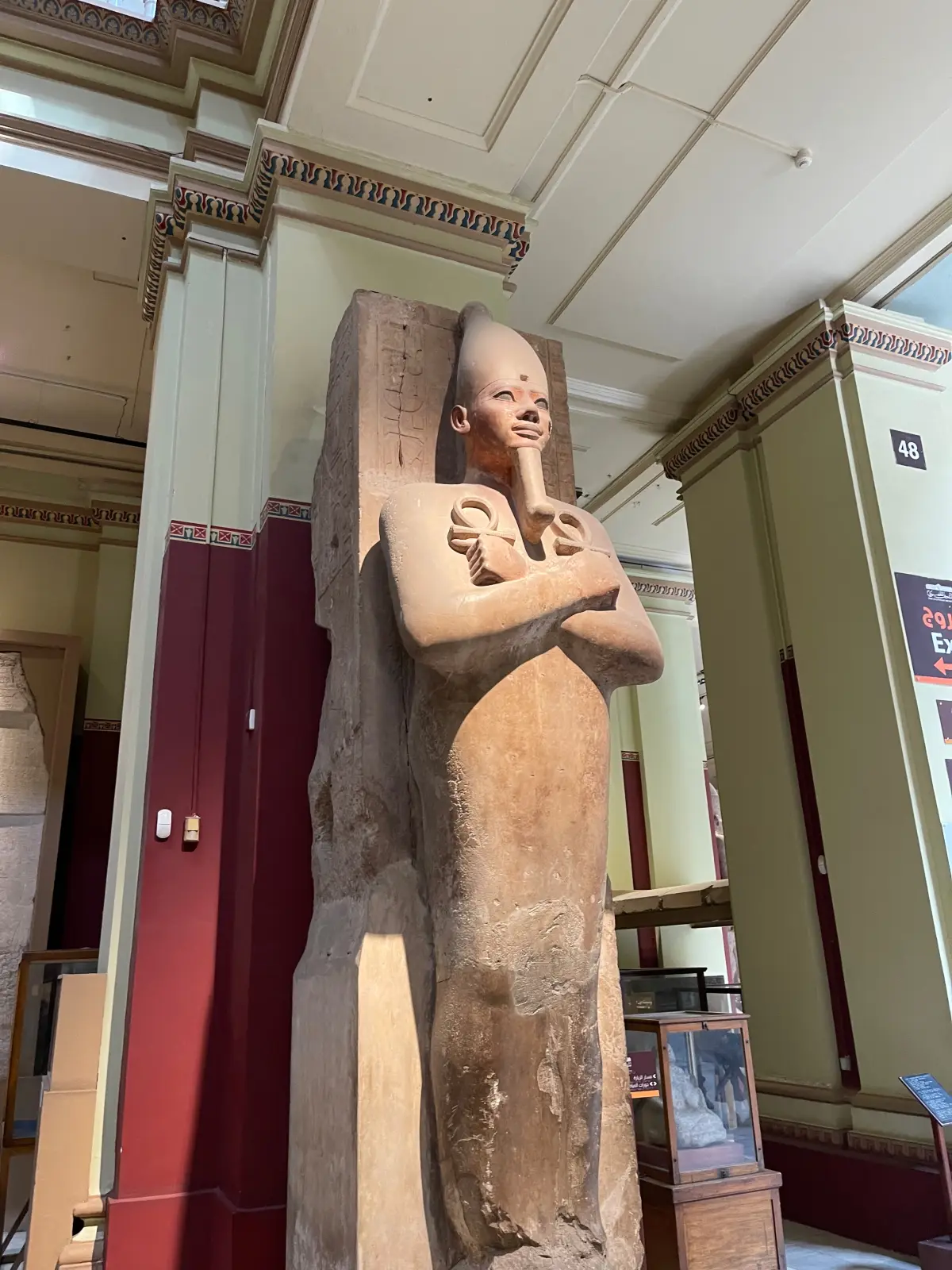
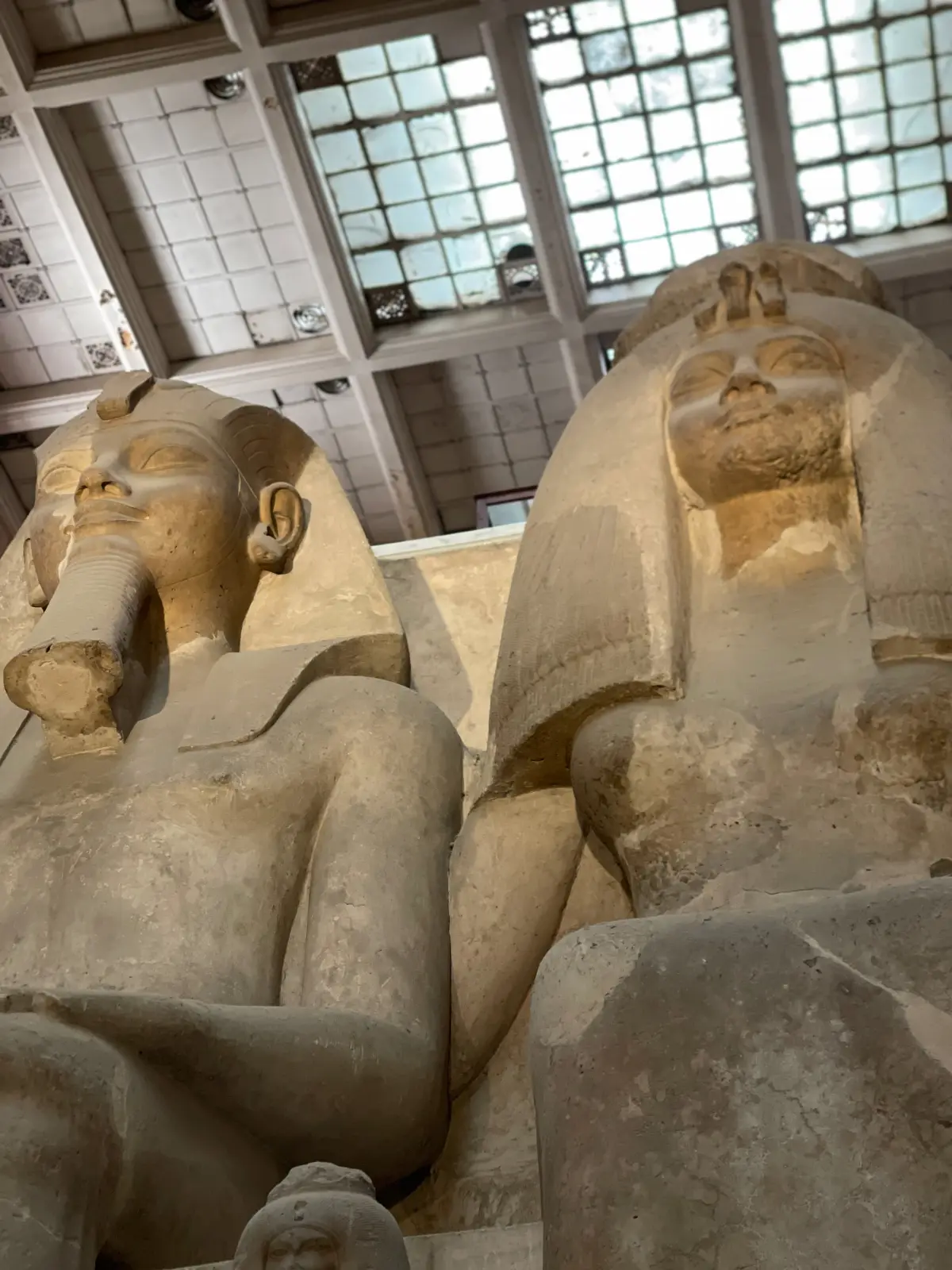
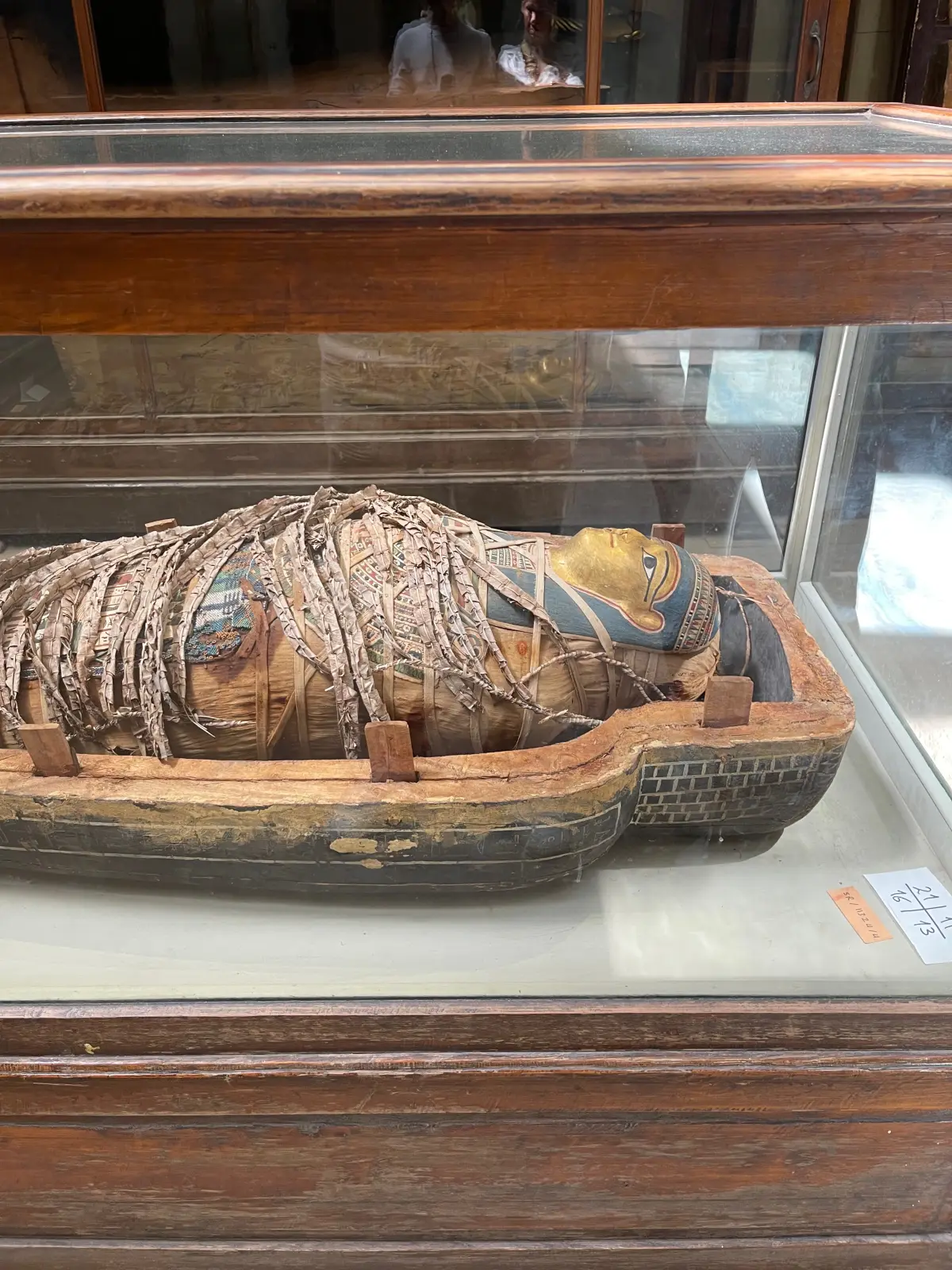
While King Tut’s treasures are undoubtedly a highlight, the Egyptian Museum offers so much more. Stroll through its hallowed halls to discover mummies of pharaohs and commoners alike, intricately decorated coffins, and countless statues of gods and goddesses. You’ll find a replica of the iconic Rosetta Stone (the original is in the British Museum in London), which played a pivotal role in deciphering hieroglyphics, and the captivating artifacts from the royal tombs of Tanis.
The Museum’s Architecture:
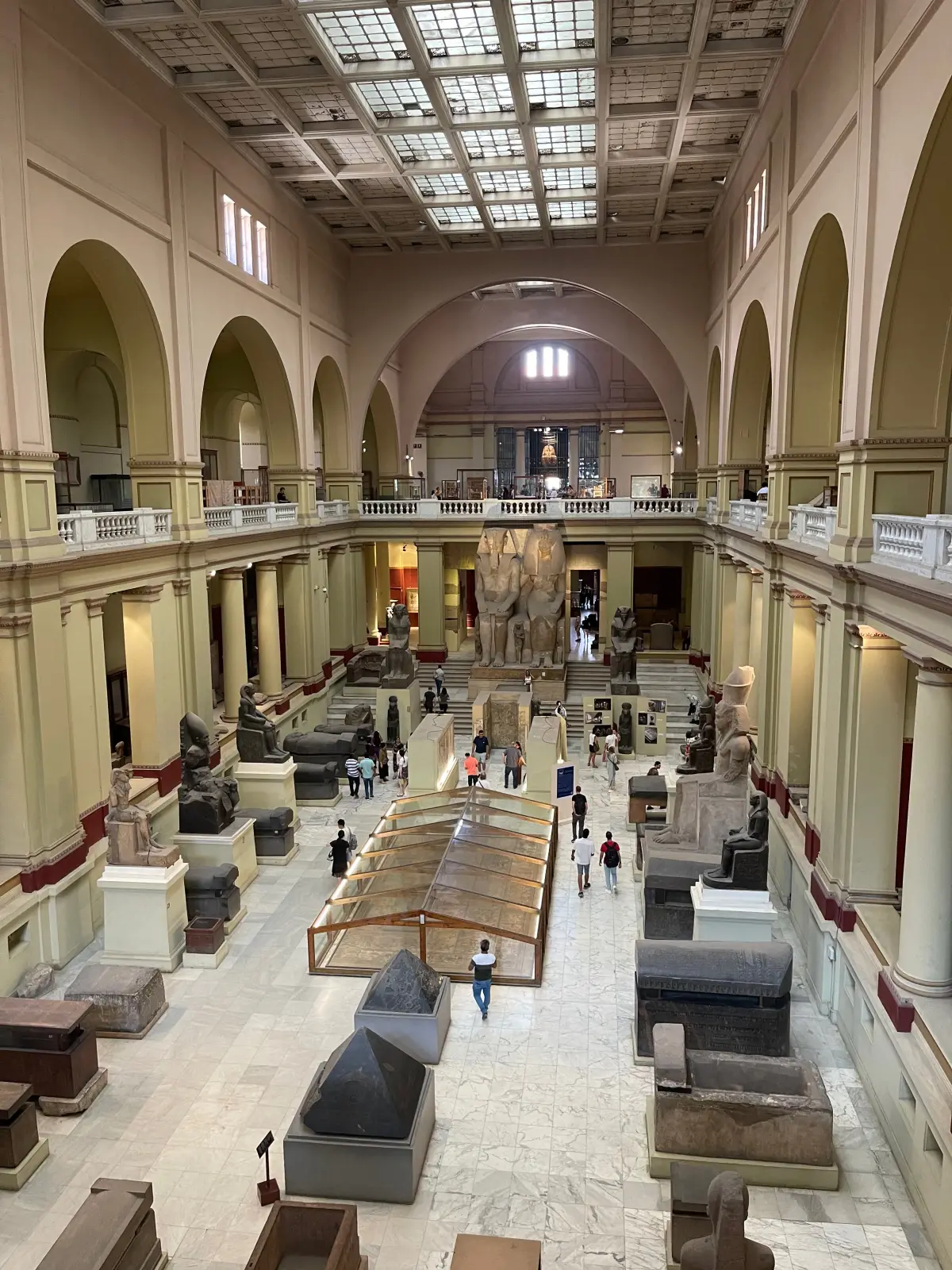
The Egyptian Museum itself is a work of art. Its Neoclassical design features majestic columns, marble floors, and a grand central staircase. The regal architecture adds to the overall experience of stepping into a time machine, transporting you to the days of pharaohs and pyramids.
Exploring the Museum:
Visitors can explore the museum’s treasures across two floors, each brimming with historical gems. The organization of the exhibits provides an insightful journey through ancient Egypt’s major epochs, from the Old Kingdom to the Greco-Roman period. Knowledgeable guides and informative signage accompany you on this voyage through time.
The Challenges of the Museum:
While the Egyptian Museum is a true historical gem, it has faced its share of challenges. The sheer volume of artifacts has led to overcrowding, making it difficult to fully appreciate each piece. However, plans are underway to relocate the museum to a new, state-of-the-art facility near the Giza pyramids, which promises to offer an enhanced experience for future generations.
Expect also** lots of tourists** and find some areas quite crowded.
In Conclusion:
A visit to the Egyptian Museum in Cairo is not merely a sightseeing expedition but an immersive dive into the depths of Egypt’s incredible history. It’s a place where legends come to life and where the past whispers its secrets to those willing to listen.
With its upcoming move to a new location, the museum will continue to be a beacon of cultural heritage and historical exploration, offering an even more enchanting experience for future travelers. Don’t miss the opportunity to journey through millennia and witness Egypt’s ancient glory at this extraordinary museum.
A Short History of the Museum
The Egyptian Museum on Tahrir Square opened in 1902 and is one of the oldest archaeological museums in the Middle East. Its building was designed by the French architect Marcel Dourgnon, and for more than a century it was the main home of Egypt’s ancient treasures. Many visitors simply call it “the Tahrir Museum” to distinguish it from Cairo’s newer museums.
What Has Changed Since This Visit
Egypt’s museum landscape has changed a lot in recent years, so it is worth knowing where the most famous collections are now:
- The Grand Egyptian Museum (GEM) – The large new museum near the Giza pyramids mentioned above has now opened, and the Tutankhamun collection, including the golden mask, has been moved there.
- The National Museum of Egyptian Civilization (NMEC) – In 2021, the royal mummies were moved from Tahrir Square to this museum in Fustat (Old Cairo), in a televised procession known as the Pharaohs’ Golden Parade.
- The Rosetta Stone – The original Rosetta Stone is displayed at the British Museum in London. Museums in Egypt show replicas.
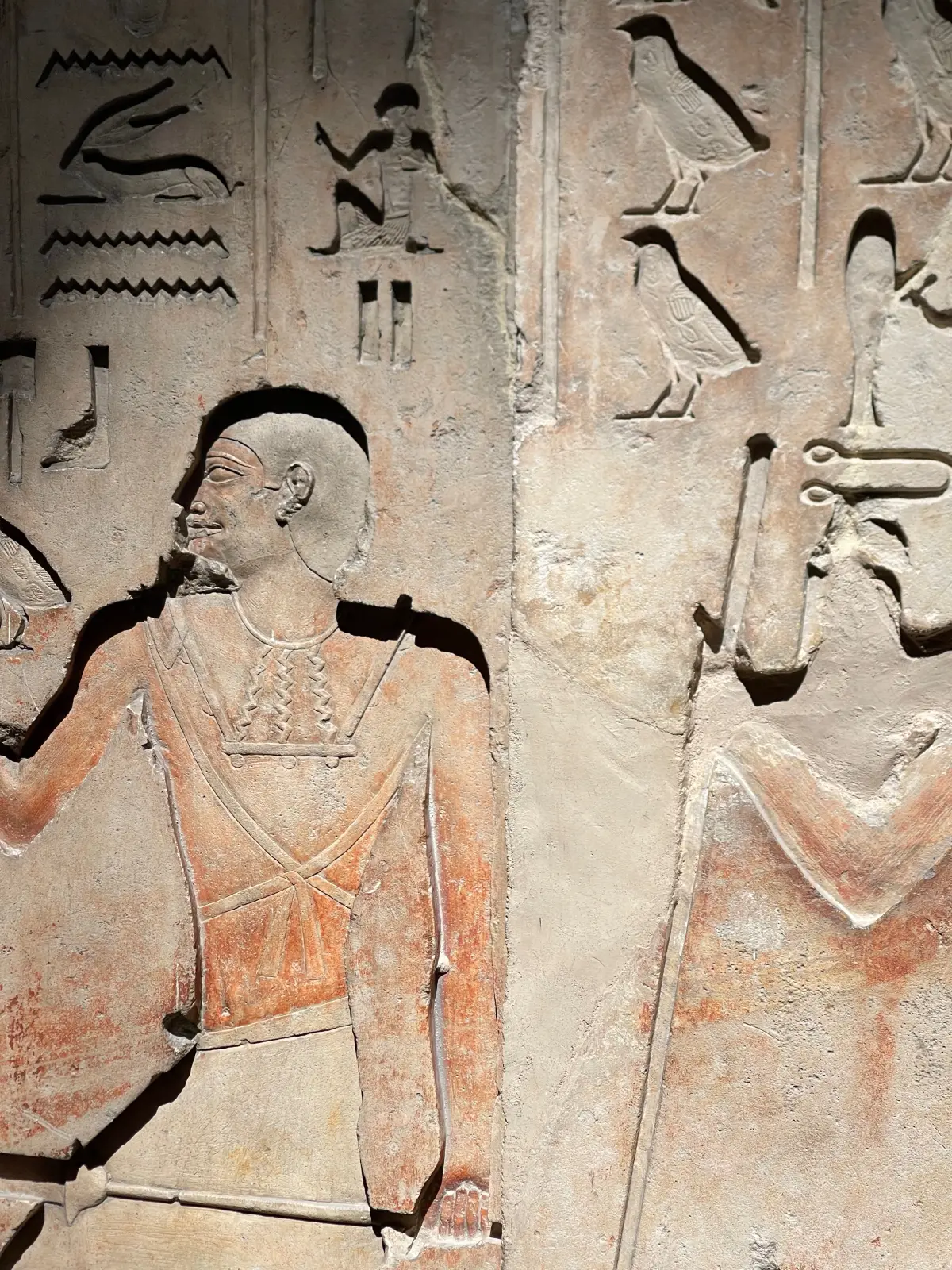
The Egyptian Museum in Tahrir Square remains open and still holds a huge collection, including statues, coffins and objects from the Old, Middle and New Kingdoms. Before you go, check which highlights are currently on display in each museum, as exhibits continue to move.
Highlights to Look For
Besides the famous Tutankhamun pieces, look out for:
- The Narmer Palette – One of the earliest historical documents, linked to the unification of Upper and Lower Egypt.
- Statues from the Old Kingdom, such as the seated figures of Rahotep and Nofret.
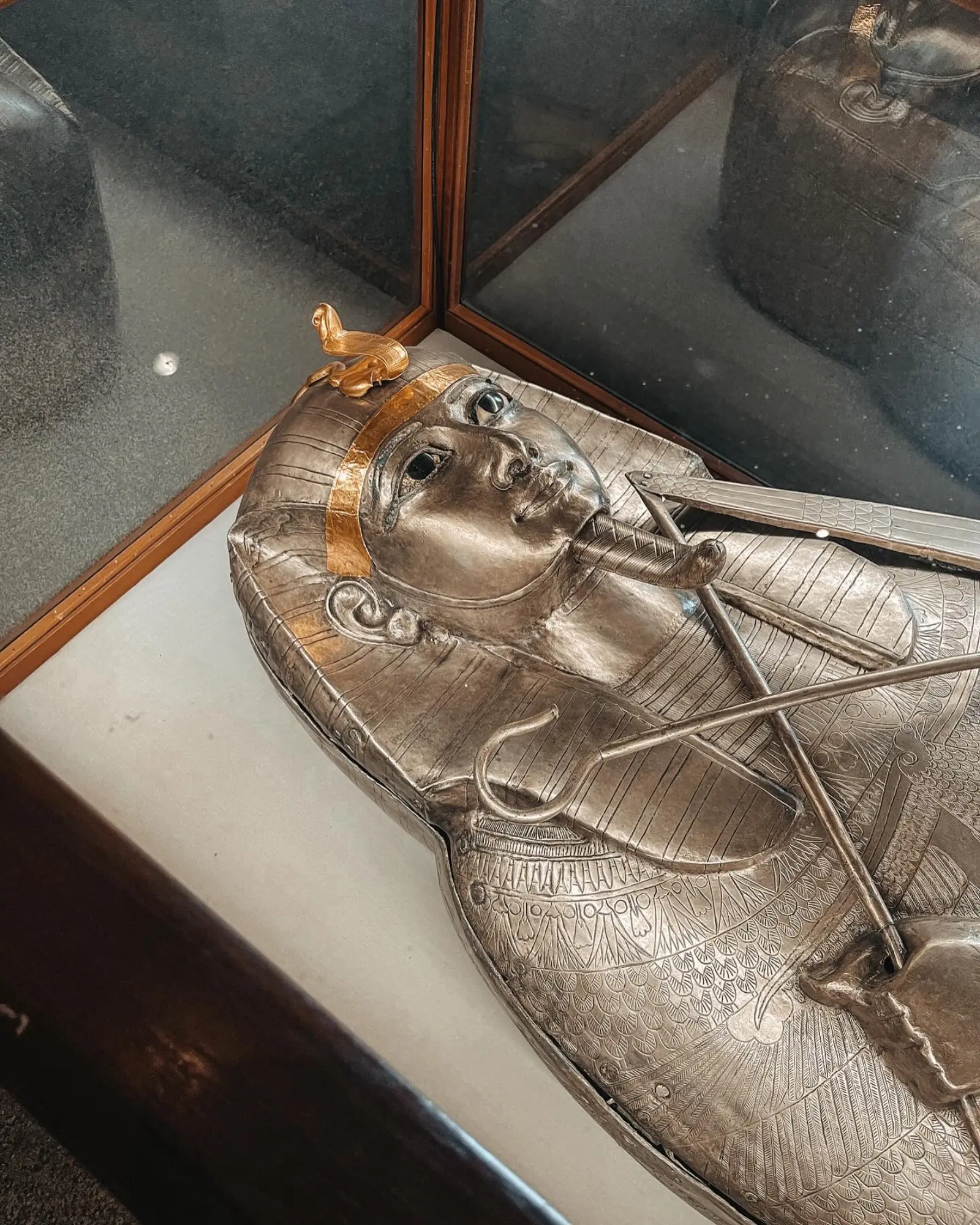
- Objects from the Tanis treasures, including gold and silver funerary items.
- Painted wooden models showing scenes of daily life, from boats to bakeries.
Tips for Your Visit
- Hire a licensed guide or join a tour. Labels can be limited, and a guide brings the objects to life.
- Go early in the morning to avoid the biggest tour groups.
- Plan at least two to three hours, or more if you love history.
- Check photography rules and ticket prices at the entrance or on the official website. There may be an extra fee for some areas.
- Wear comfortable shoes and bring water, as the building can get warm.
- Combine museums wisely. If you have limited time, plan which museum to visit for which collection: Tahrir for the classic collection, GEM for Tutankhamun, and NMEC for the royal mummies.
Getting There
The museum is on Tahrir Square in downtown Cairo. The Sadat metro station is right next to the square. Taxis and ride-hailing apps are also widely used in Cairo and are a convenient way to get around. Traffic in the city can be heavy, so allow extra time.
What to See Nearby
- The Nile Corniche – A walk along the river, especially pleasant in the late afternoon.
- Downtown Cairo – Known for its 19th and early 20th-century buildings and cafés.
- Islamic Cairo and Khan el-Khalili – The historic bazaar and the old mosques are a short taxi ride away.
- The Giza Pyramids and GEM – Around 45 minutes to an hour away by car, depending on traffic.
More photos
FAQ
Where is the Egyptian Museum in Cairo? It is on Tahrir Square in downtown Cairo, next to the Sadat metro station.
Is Tutankhamun’s golden mask still at the Egyptian Museum in Tahrir? No. The Tutankhamun collection has been moved to the Grand Egyptian Museum near the Giza pyramids.
Where can I see the royal mummies? The royal mummies are now at the National Museum of Egyptian Civilization in Fustat.
How long should I spend at the museum? Plan at least two to three hours.
Is it worth visiting the Egyptian Museum after the new museum opened? Yes. It still holds one of the world’s largest collections of ancient Egyptian objects, in a historic building.