Walter Ponce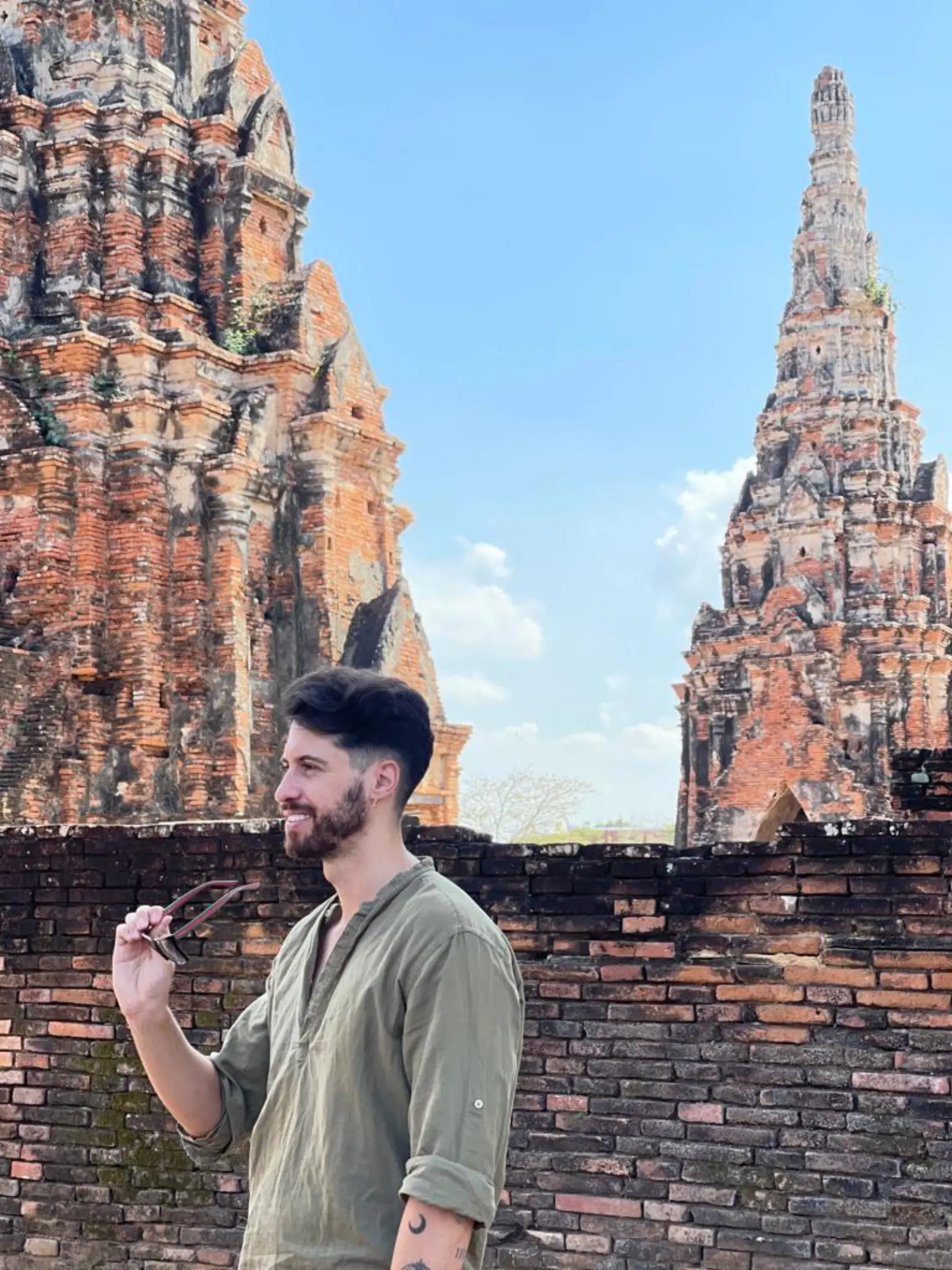
Exploring Thailand’s rich cultural heritage is best experienced through its awe-inspiring temples, and one of the most remarkable among them is the Chaiwatthanaram Temple. Situated within the Historical Ruins of Ayutthaya, this temple holds significant importance due to its location and the symbolism it embodies within Thai culture. It presents a profound perspective on how to perceive the world.
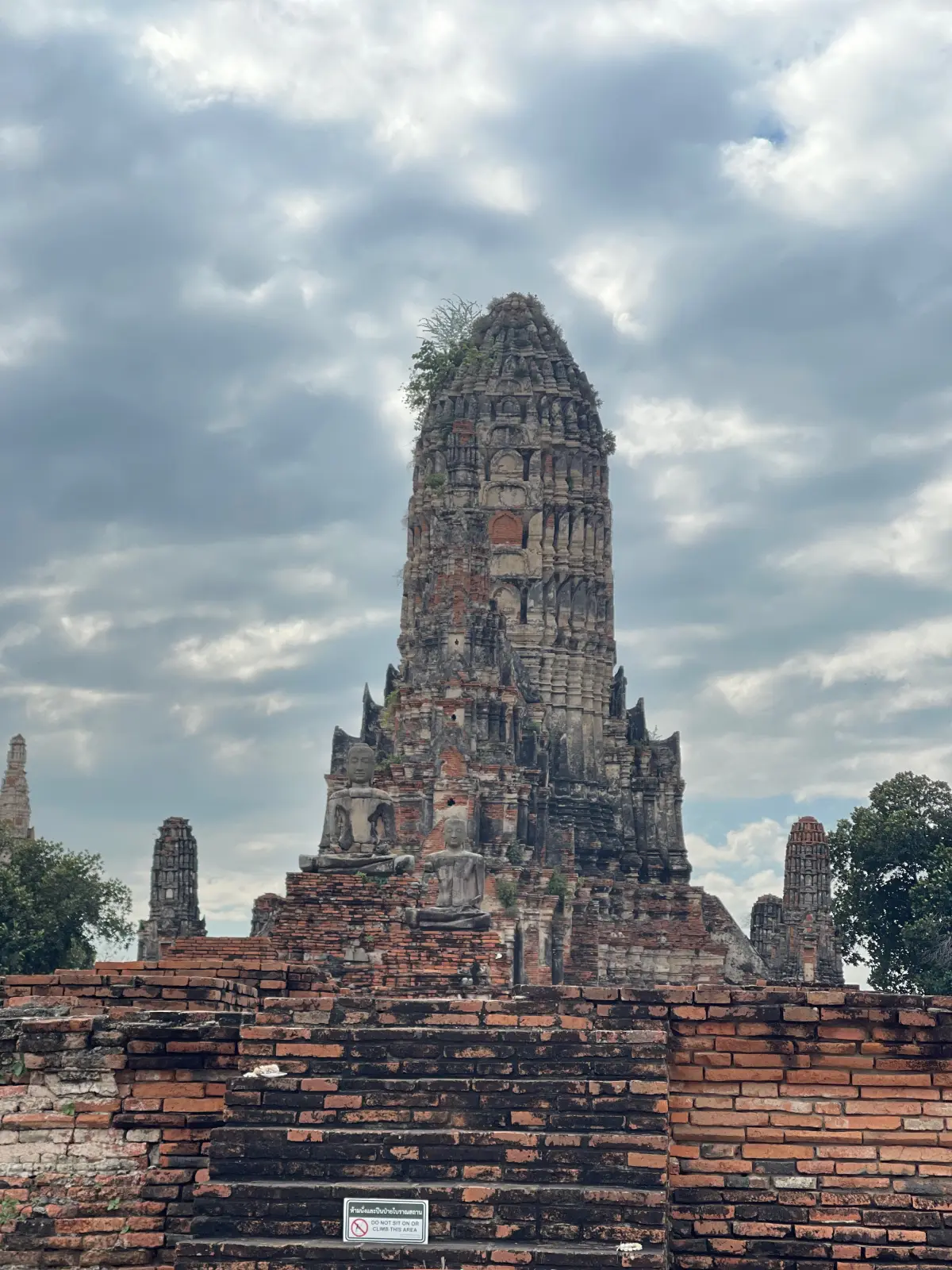
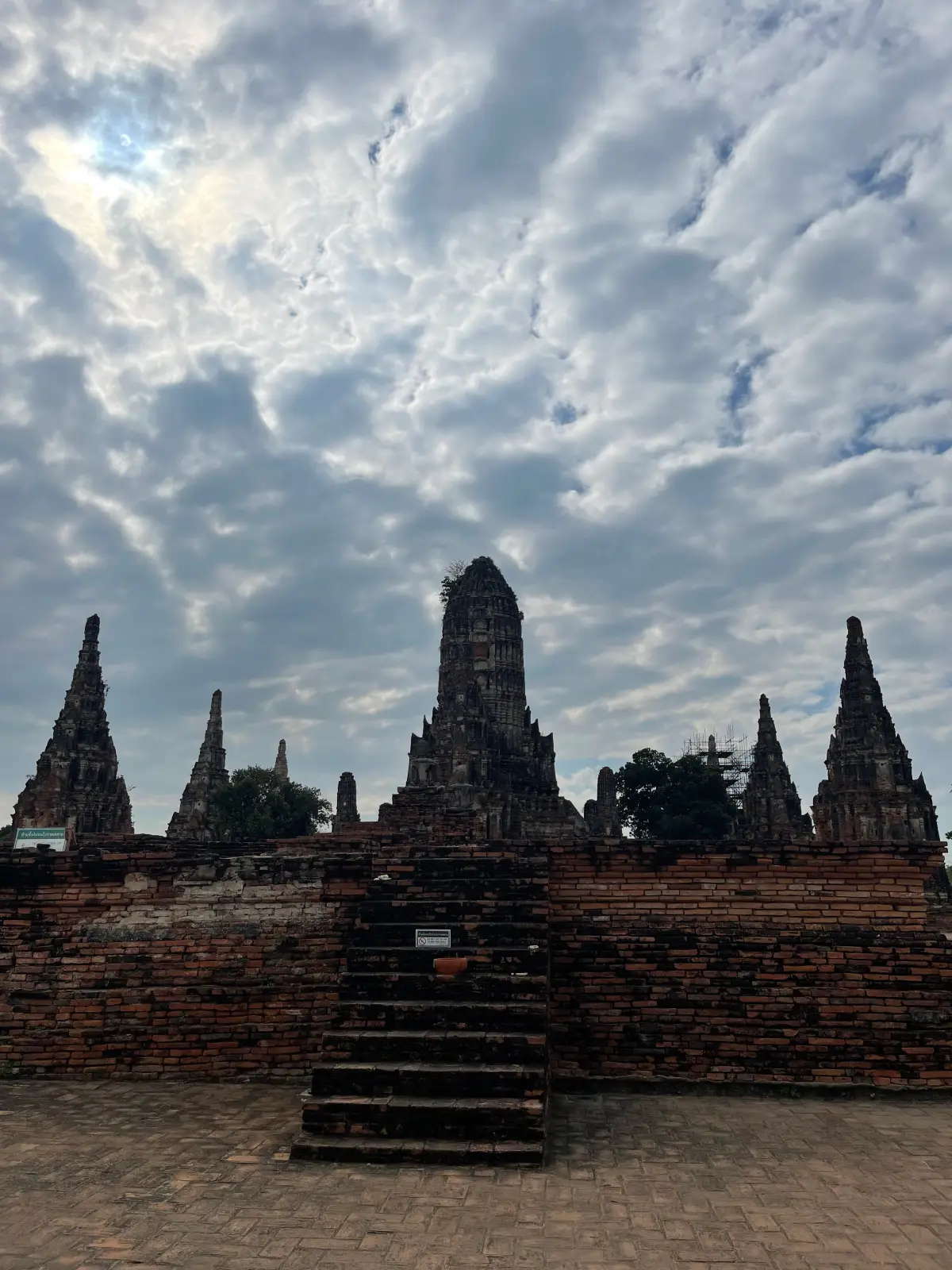
As the foremost temple within the entire Ayutthaya complex, Wat Chaiwatthanaram stands as a testament to the architectural grandeur of the past. It has managed to retain its magnificence throughout the years, making it one of the most photographed icons within the historical site.
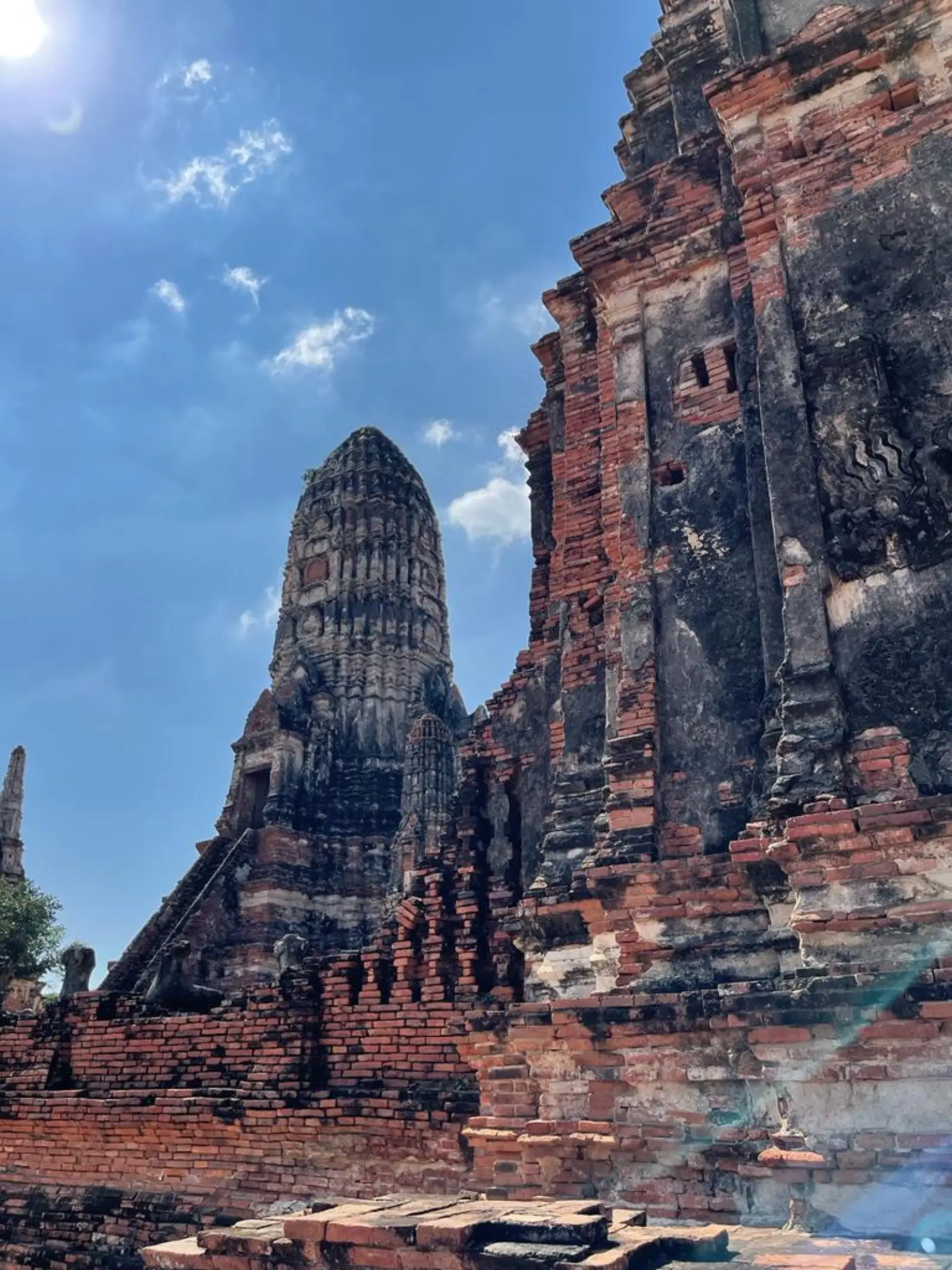
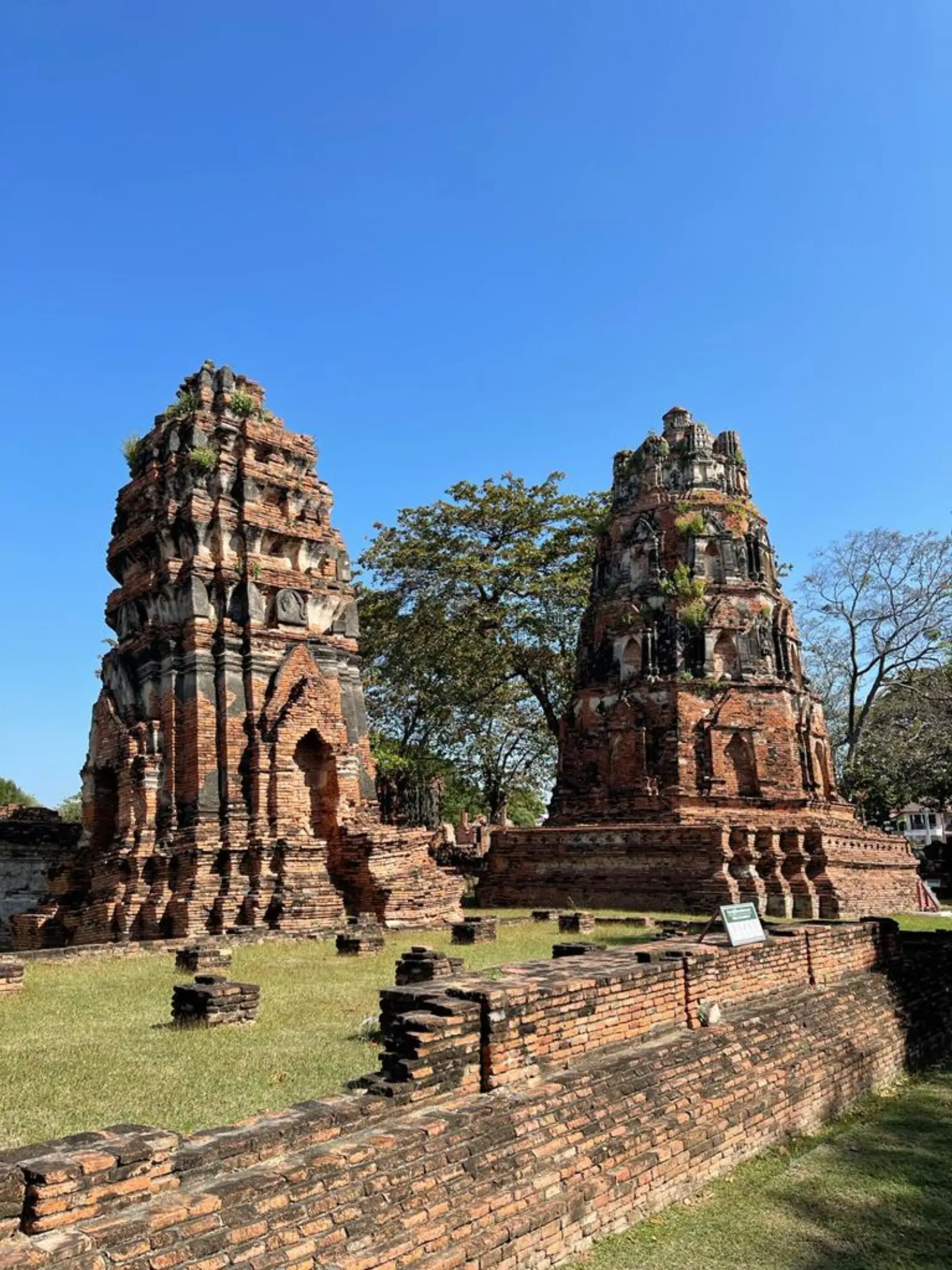
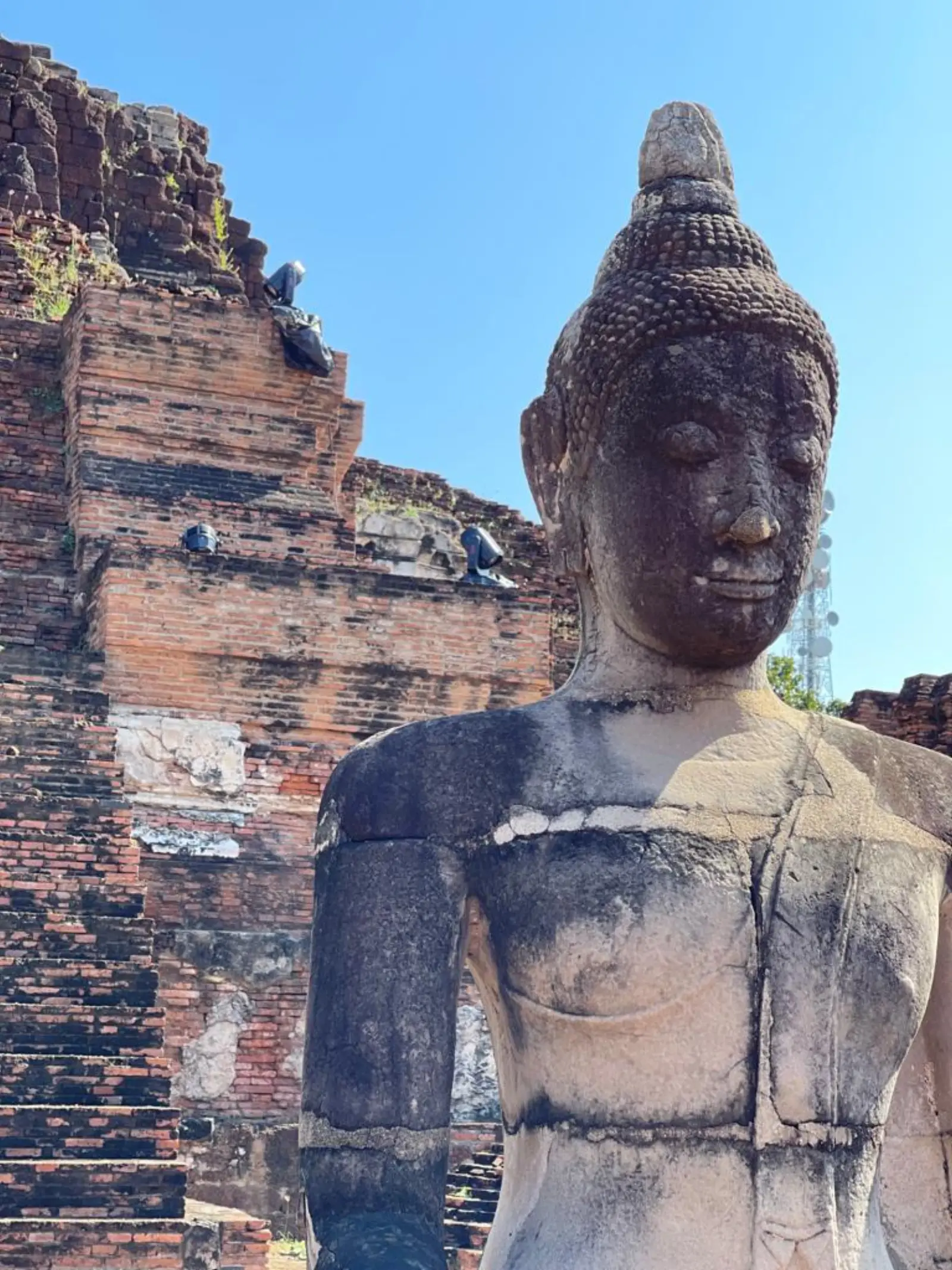
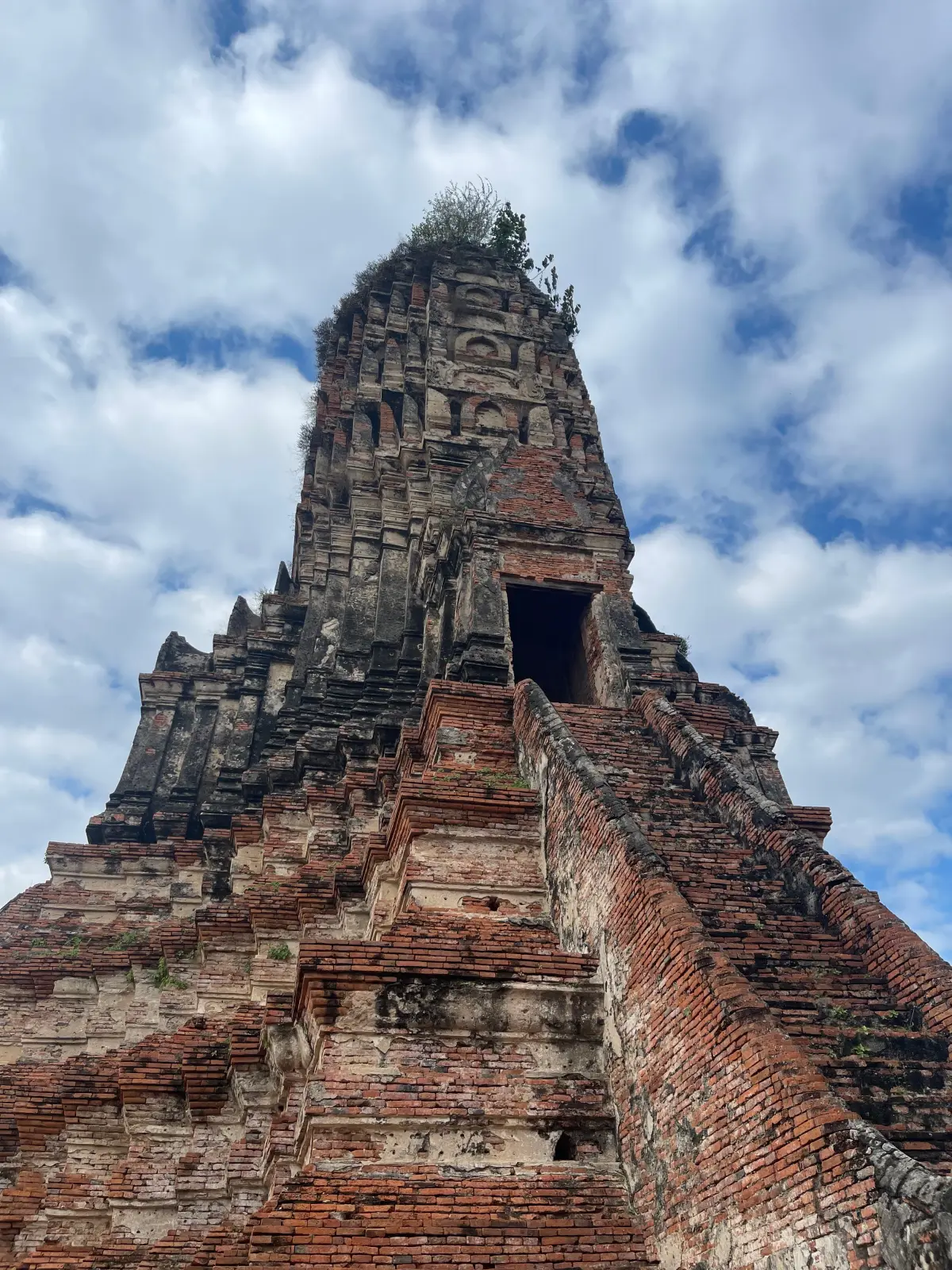
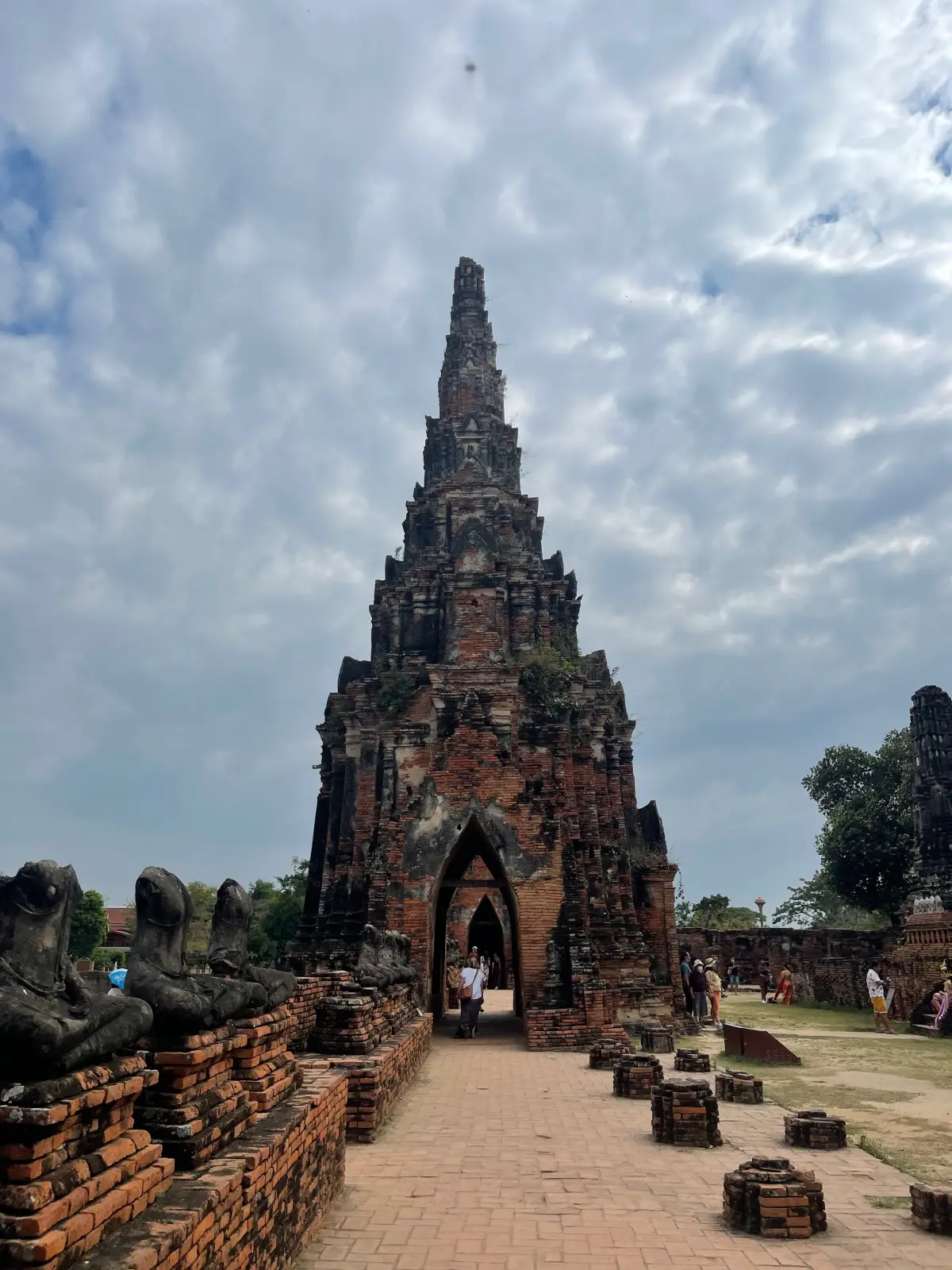
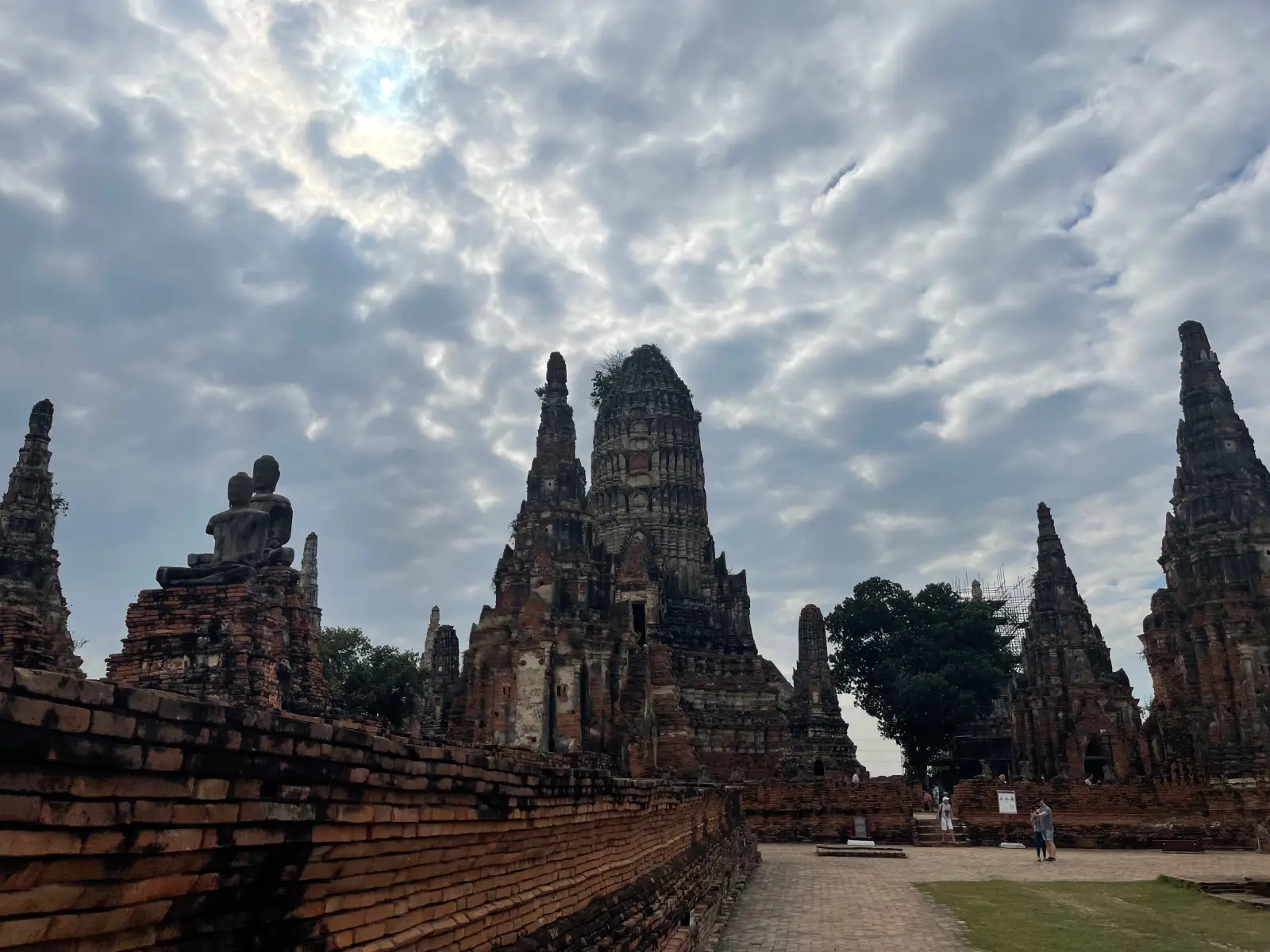
Commissioned by King Prasat Thong in 1630, the temple, also known as the Temple of the Long and Glorious Reign, adheres to the distinctive Khmer architectural style prevalent in the region. The main Prang, soaring nearly 40 meters high, along with various secondary towers or Chedis interconnected by walls, adorned with statues of Buddha (although most were decapitated following the Burmese invasion that marked the downfall of the Ayutthaya Kingdom in 1767).
The significance of Wat Chaiwatthanaram aligns with the pinnacle of Ayutthaya’s cultural and religious splendor. In 1991, UNESCO recognized its importance by declaring it a World Heritage Site. Located on the western side of the complex, the temple sits gracefully on the banks of the Chao Phraya River, enhancing its scenic appeal.
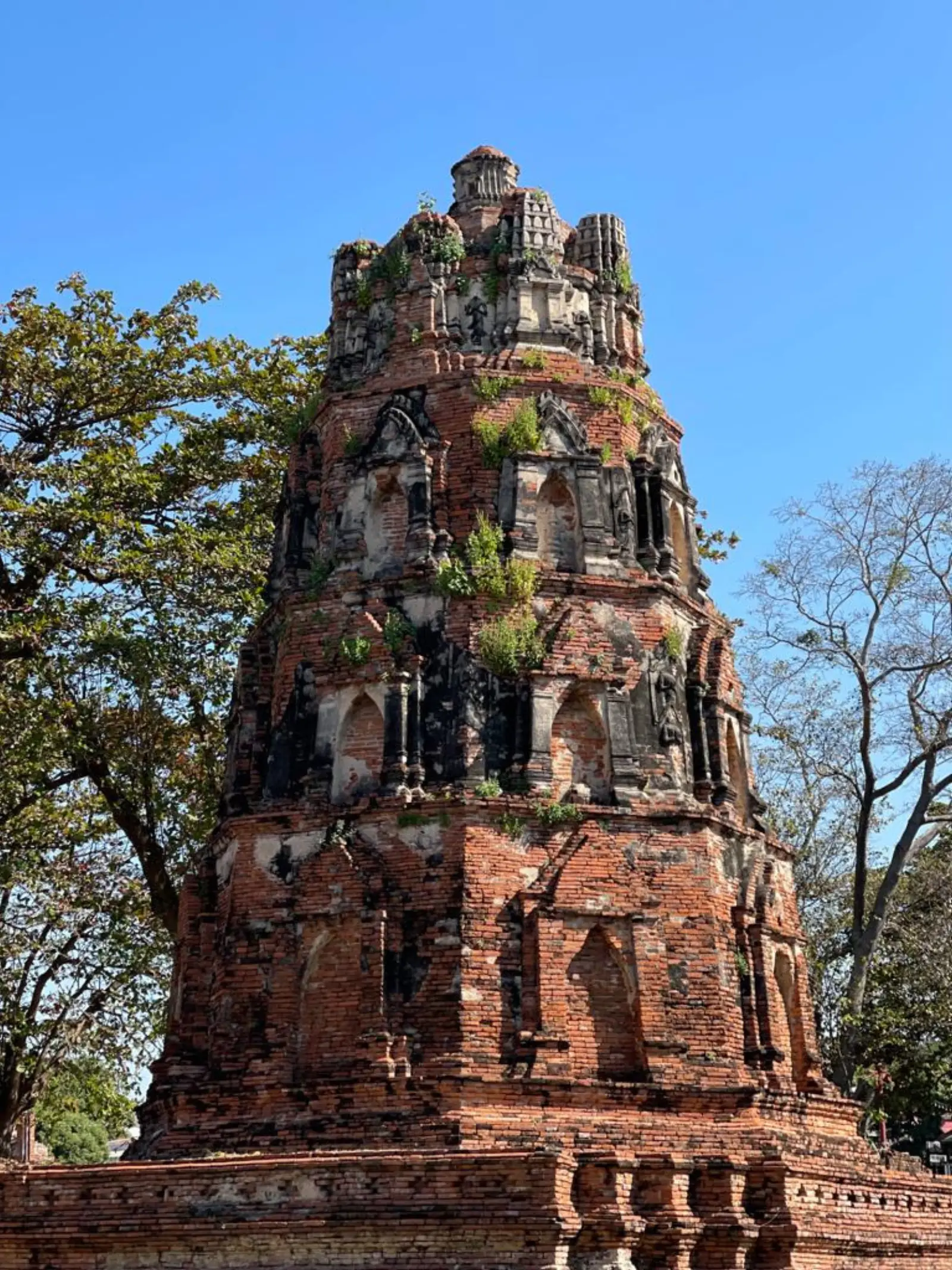
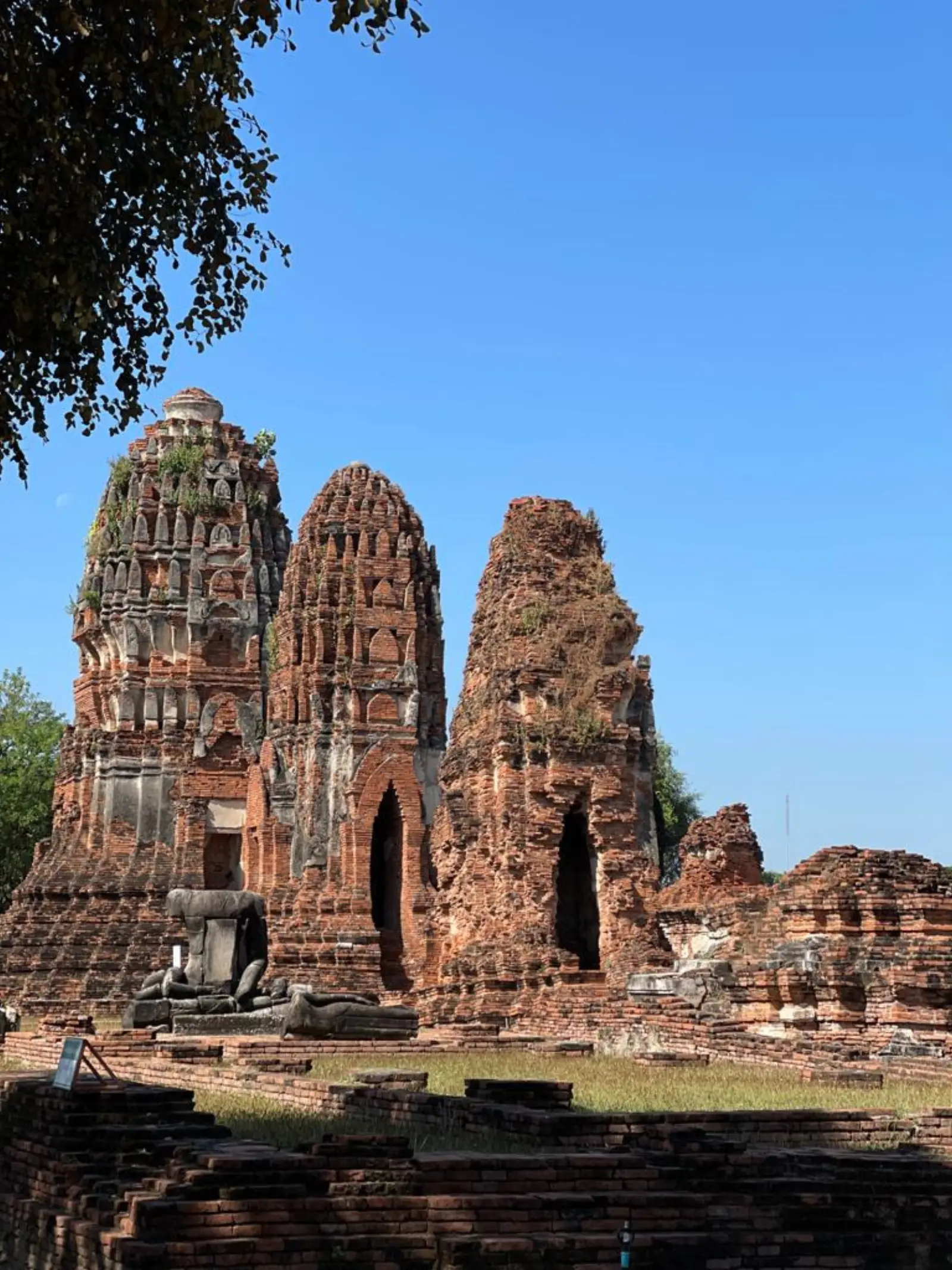
Notably, the architectural layout of Chaiwatthanaram Temple symbolizes Buddhism’s perspective on the world. For instance, the central tower represents the Meru mountain, the axis mundi, while the four surrounding towers signify the four continents inhabited by humanity. Additionally, the surrounding passage embodies the outer boundary of the world, referred to as the iron mountains.
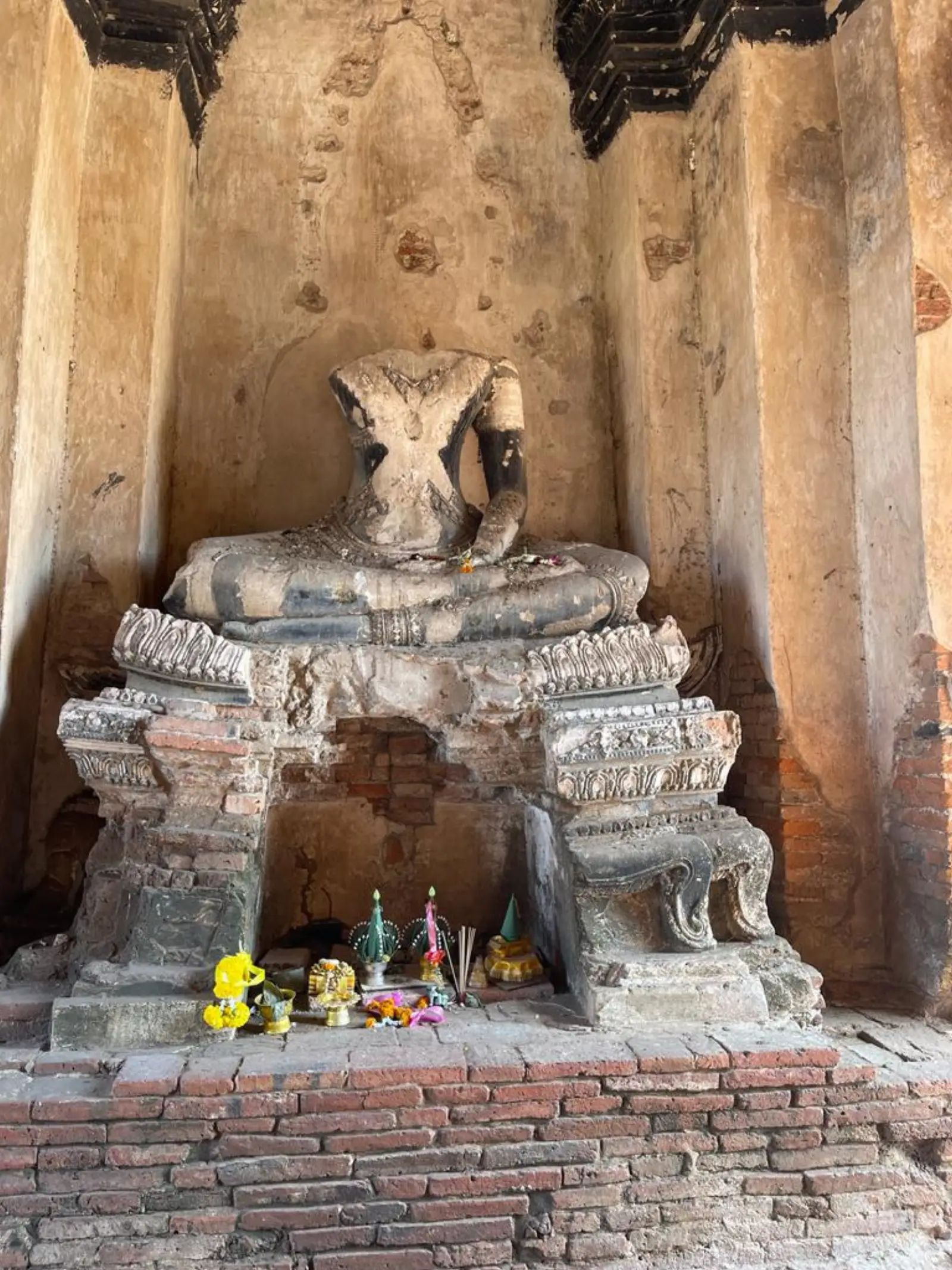
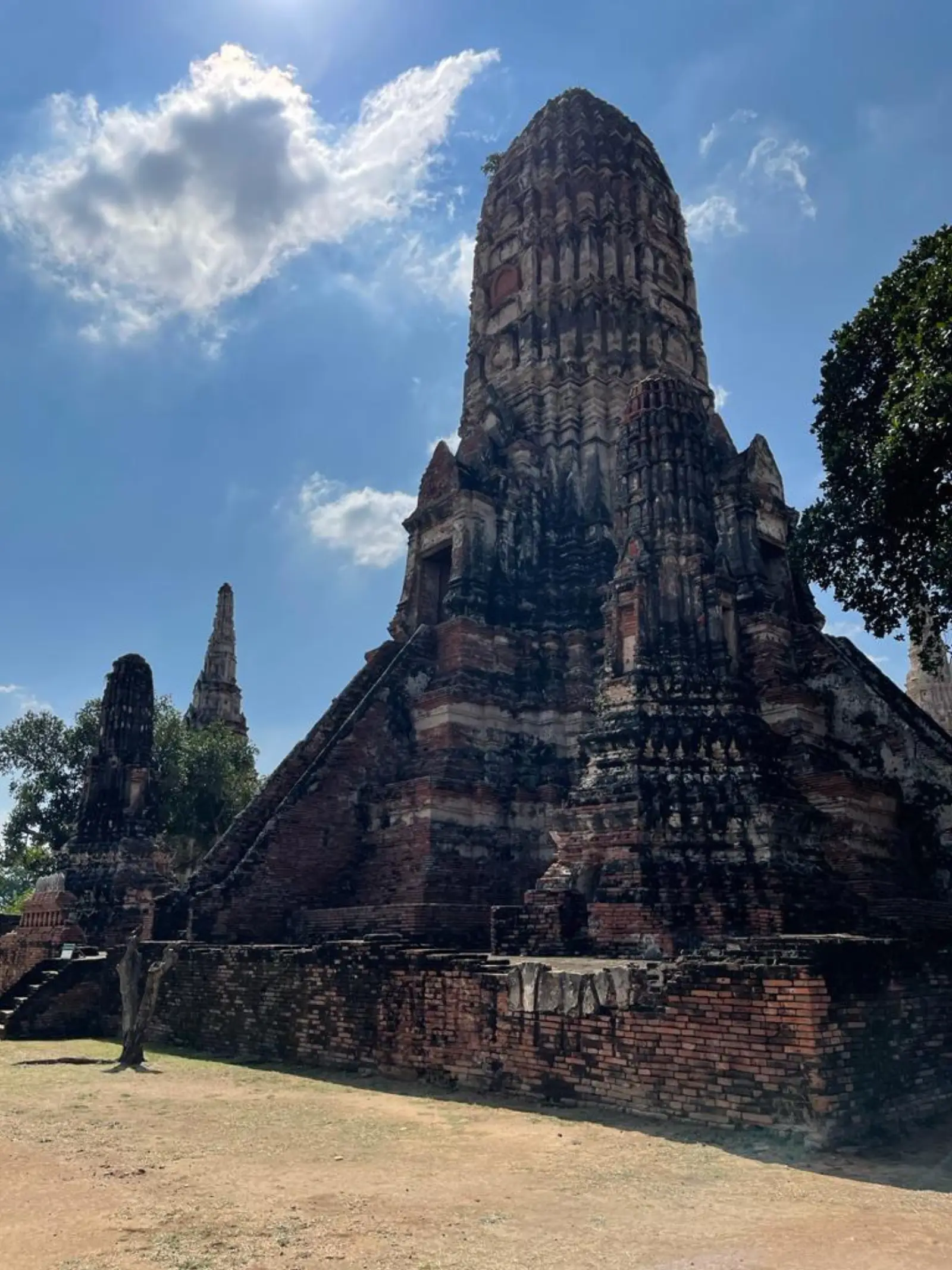
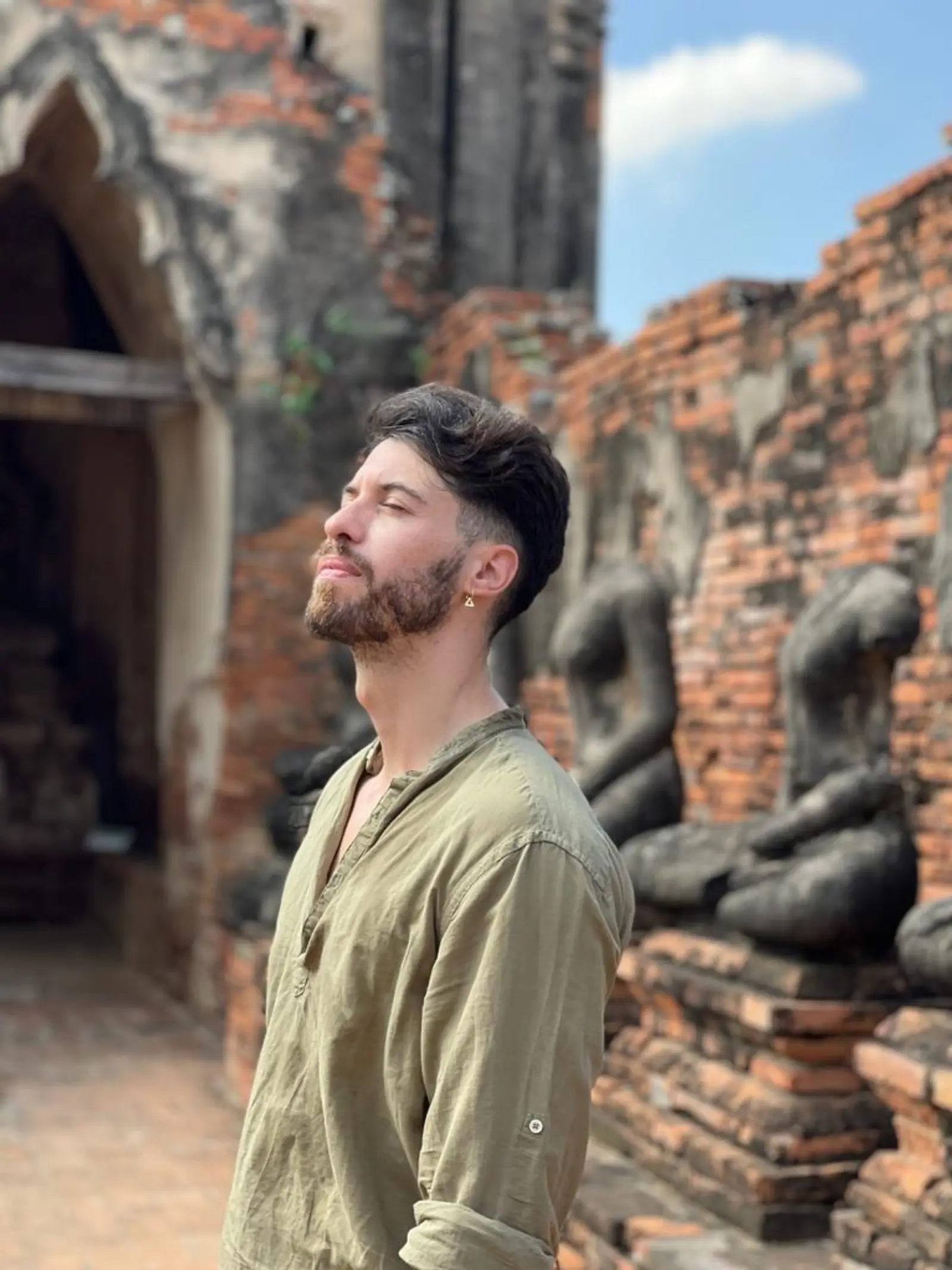
Visiting the Chaiwatthanaram Temple is highly recommended, despite its relatively distant location within the park. It stands out as one of the newest and best-preserved structures. Several convenient transportation options are available to reach the temple. You can opt for a van or minivan, conveniently accessible at the Terminal Minivans Victory Monument.
If you prefer traveling by bus, you can find suitable options at the Northern Bus Terminal. Alternatively, the Hua Iampong train station offers first, second, and third-class transportation, albeit taking slightly longer than other modes of transport. Another unique option is taking a boat, adding an adventurous element to your journey.
A Short History of Ayutthaya
Ayutthaya was the capital of the Siamese kingdom for more than four centuries, from its founding in 1350 until its destruction in 1767. At its peak it was one of the largest and richest cities in Asia, a trading hub visited by merchants from China, Japan, Persia, Portugal, the Netherlands and France. The city was built on an island formed by the Chao Phraya, Pa Sak and Lopburi rivers, which made it both a natural fortress and an ideal port.
After the Burmese army sacked the city in 1767, the capital moved south, first to Thonburi and later to Bangkok. Today the ruins are protected as the Historic City of Ayutthaya, the UNESCO World Heritage Site that includes Wat Chaiwatthanaram.
Why Wat Chaiwatthanaram Is Special
King Prasat Thong built the temple partly to honour his mother, and the Khmer-inspired style is often linked to the kingdom’s relationship with Cambodia at the time. Its riverside setting and the tall central prang make it one of the most photogenic places in the whole historical park, especially in the late afternoon when the sun goes down behind the towers.
The temple was restored in the late 20th century, which is one reason why it looks so complete compared with many other ruins in Ayutthaya.
Other Temples to See in Ayutthaya
If you have a full day, combine Wat Chaiwatthanaram with some of these highlights:
- Wat Mahathat: famous for the stone Buddha head entwined in the roots of a tree.
- Wat Phra Si Sanphet: the former royal temple with three large chedis in a row, located next to the old palace grounds.
- Wat Ratchaburana: known for its well-preserved central prang, which you can climb partly.
- Wat Yai Chai Mongkhon: a large chedi surrounded by rows of seated Buddha statues, still an active temple.
- Wat Lokayasutharam: home to a huge open-air reclining Buddha.
- Bang Pa-In Royal Palace: a summer palace with a mix of Thai, Chinese and European buildings, a short drive south of Ayutthaya.
Tips for Visiting
- Dress respectfully. Cover your shoulders and knees, as you are visiting religious sites.
- Don’t climb on the ruins or statues. Many structures are fragile, and some areas are roped off.
- Respect Buddha images. Don’t pose in a way that places your head above a Buddha statue or touch them.
- Bring water, a hat and sunscreen. Ayutthaya can be very hot and there is little shade between temples.
- Go early or late. Mornings and late afternoons are cooler and the light is better for photos.
- Rent a bicycle or a tuk-tuk. The temples are spread across the island, and Wat Chaiwatthanaram is on the western side, outside the main cluster.
There is an entrance fee for most of the main temples. Prices and opening hours can change, so check them before you go.
Getting Around Ayutthaya
Once you arrive in Ayutthaya, the most popular ways to explore are:
- Bicycle: cheap and flexible, with many rental shops near the train station and guesthouses. Good for the central temples, but Wat Chaiwatthanaram is a longer ride.
- Tuk-tuk: you can hire one for a few hours and agree on a route and price in advance.
- Boat tour: some operators offer trips around the island by river, which pass by Wat Chaiwatthanaram and other riverside temples.
Ayutthaya is around 80 kilometres north of Bangkok, so it is an easy day trip. Note that many long-distance trains from Bangkok now depart from Krung Thep Aphiwat Central Terminal rather than Hua Lamphong, so check which station your train uses when you book.
Best Time to Visit
The cool season, from roughly November to February, is the most comfortable time to explore Ayutthaya on foot or by bike. March to May is the hottest period, so plan your visits for early morning or late afternoon. The rainy season runs from around June to October, when showers are frequent but the landscape is greener and the site is often quieter.
More photos
FAQ
How far is Ayutthaya from Bangkok?
About 80 kilometres north, roughly one to two hours depending on traffic and transport.
Can I visit Ayutthaya as a day trip?
Yes, it is one of the most popular day trips from Bangkok. Staying overnight lets you see the temples in the early morning and at sunset.
How long do I need at Wat Chaiwatthanaram?
Around one hour is enough to walk around the temple and take photos.
Is Wat Chaiwatthanaram a UNESCO site?
Yes. It is part of the Historic City of Ayutthaya, declared a World Heritage Site in 1991.
What should I wear?
Light clothes that cover your shoulders and knees, comfortable shoes and a hat for the sun.