Walter Ponce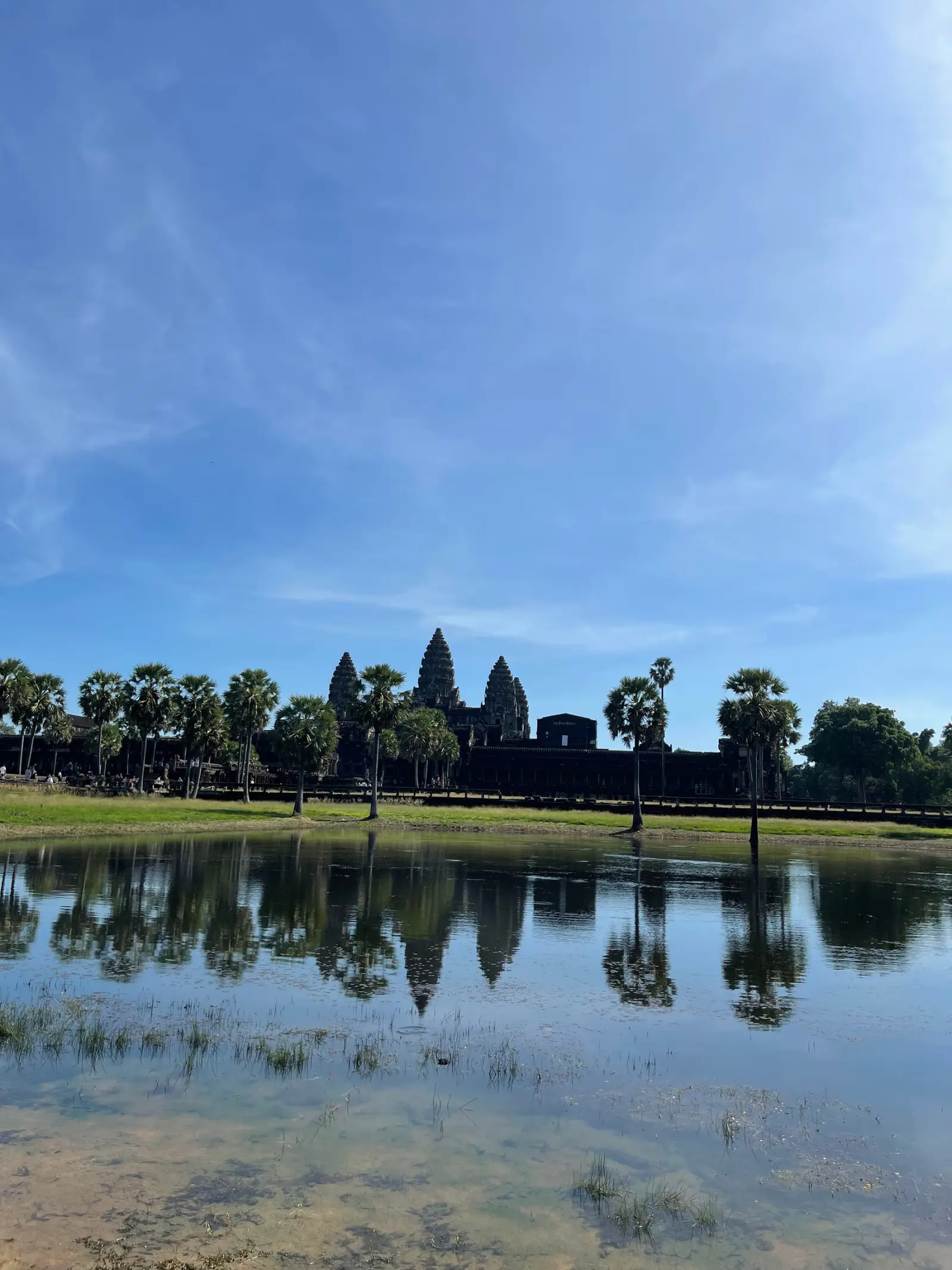
Angkor Wat is one of the great wonders that can be discovered in Cambodia. This sanctuary is one of the most important elements of the complex known as the Temples of Angkor, which is declared a World Heritage Site.
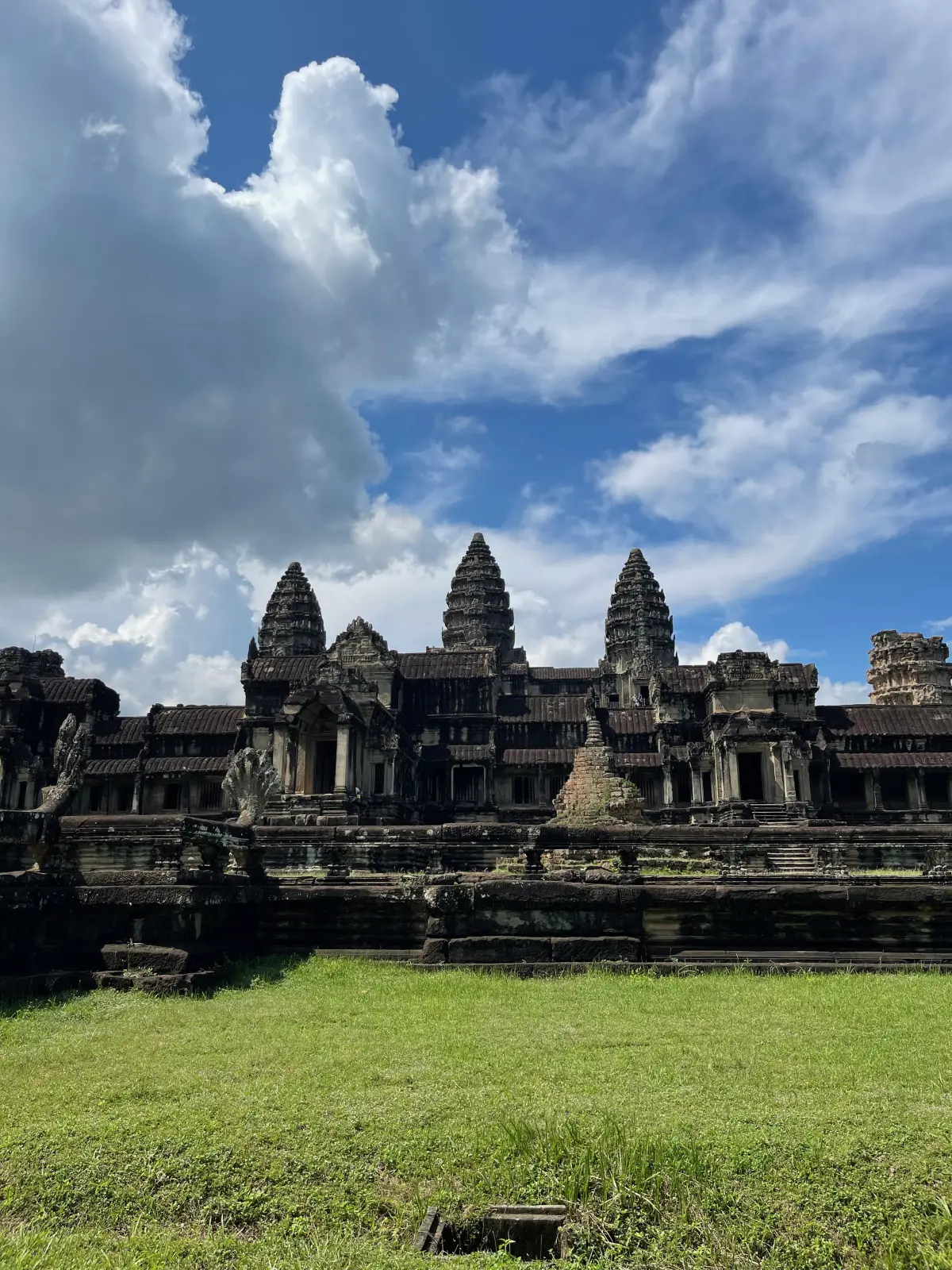
When you visit this spectacular venue, you will have no doubt why. Angkor Wat is considered the largest temple ever built by man and, without a doubt, the most important monument in Cambodia, to such an extent that the profile of its towers appears on the country’s flag.
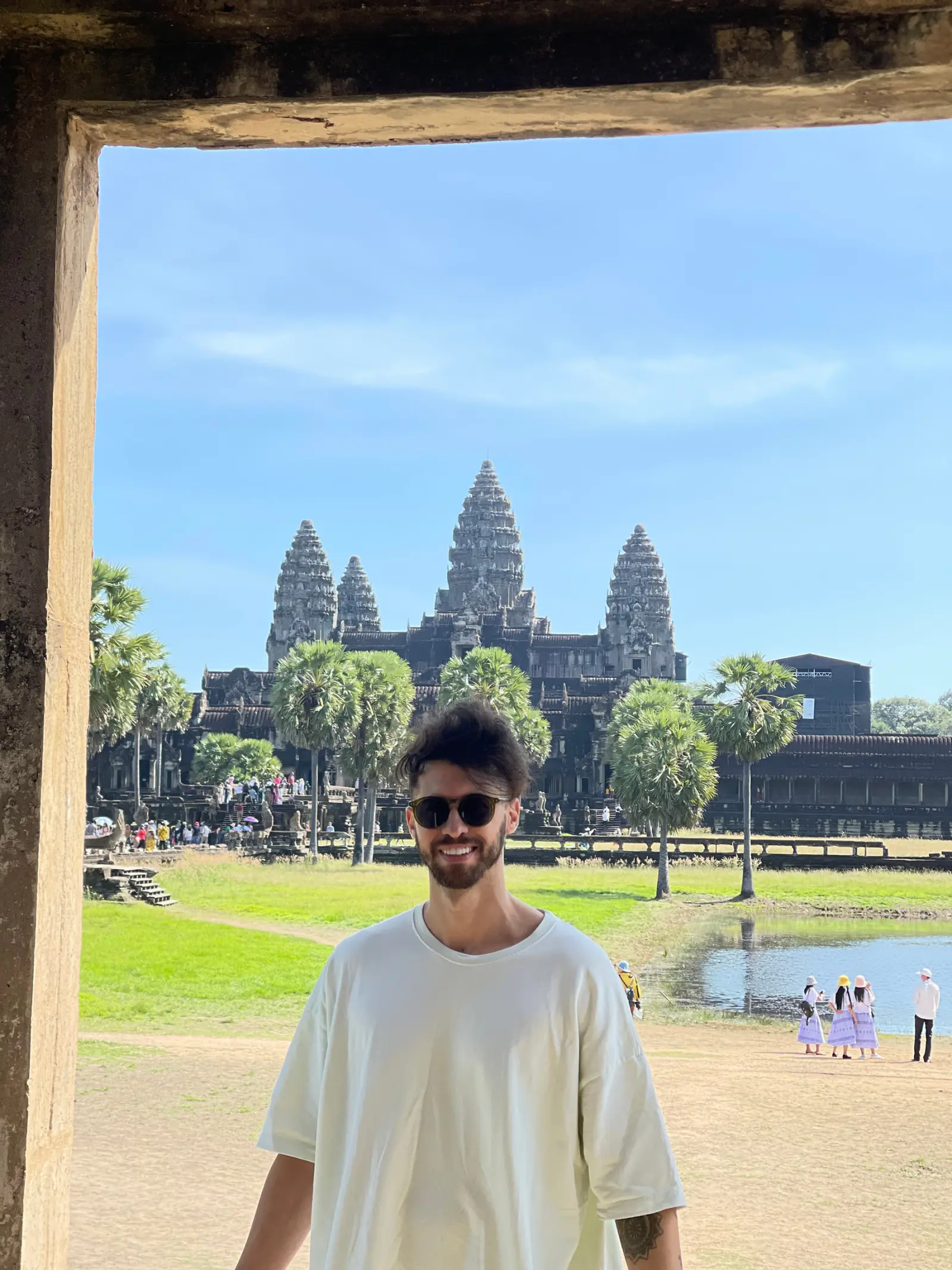
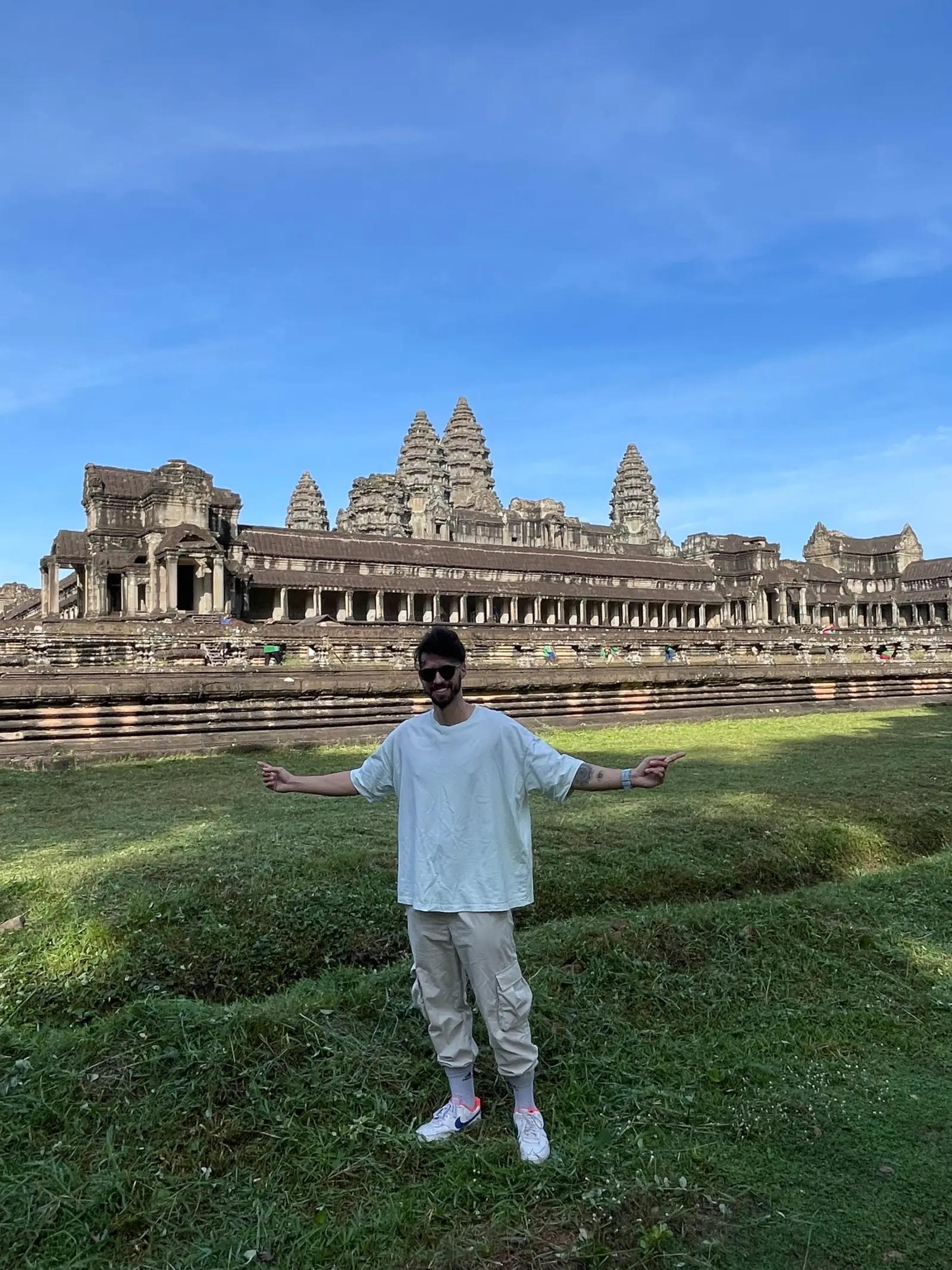
Angkor Wat stands as an unparalleled testament to the grandeur of the Khmer Empire, a civilization that once held sway over Southeast Asia during the Middle Ages. Nestled within the sprawling settlement of Angkor, and particularly within the precincts of Angkor Wat, was the epicenter of both political and religious authority for this magnificent empire. Consequently, it represents an authentic treasure trove from an archaeological perspective, offering an immersive journey into the depths of this ancient culture.
Originally conceived as a Hindu sanctuary dedicated to Vishnu, Angkor Wat embodies the distinctive temple-mount design, a profound symbol within Hinduism. Over the course of centuries, however, the complex also embraced the Buddhist faith, leading to the addition of the iconic stupas that never fail to captivate visitors. As you explore Angkor Wat’s majestic stones, you’ll witness the fascinating interplay and coexistence of Hinduism and Buddhism, echoing the historical transitions and spiritual evolution that occurred within these hallowed walls.
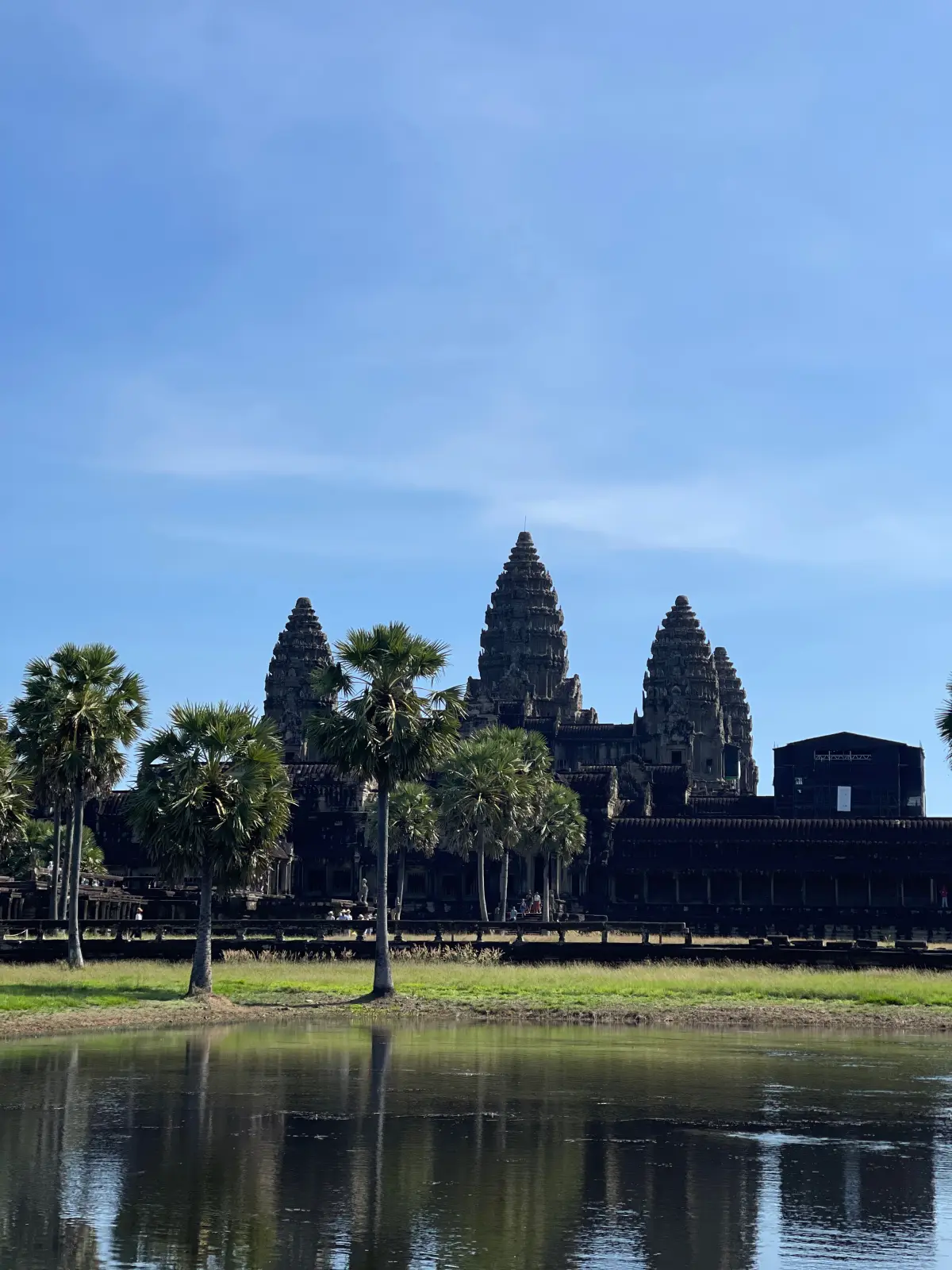
To enter the sacred precincts of Angkor Wat, you must traverse the enchanting Naga Bridge, gracefully spanning the serene lake that envelops the temple. The intricately carved balustrade, adorned with motifs of Naga creatures drawn from Hindu mythology, is a genuine marvel that demands your attention. As you venture further inside the temple, you’ll encounter a myriad of buildings and structures that provide insight into the gradual evolution of Angkor Wat, ultimately solidifying its status as the most revered and significant site of the Khmer Empire. Each edifice within these ancient walls has a story to tell, making your journey through Angkor Wat a truly enlightening experience.
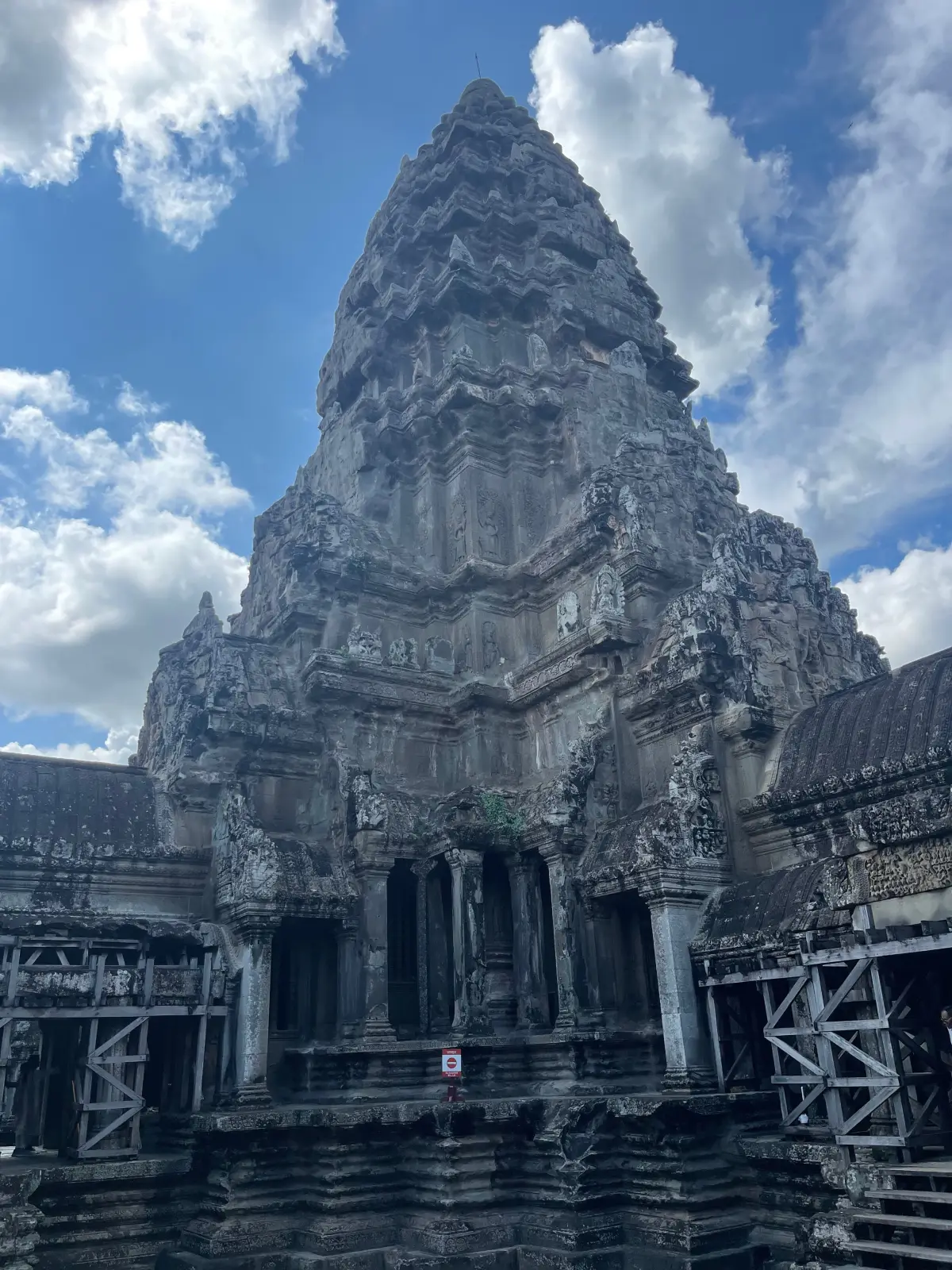
Notable features of Angkor Wat include the libraries flanking the entrance to the Bakan, which bear witness to the fact that this magnificent complex served not only as a religious sanctuary but also as a significant political hub. At the heart of the compound lies the Bakan, the central enclosure that you’ll find divided into three distinct tiers.
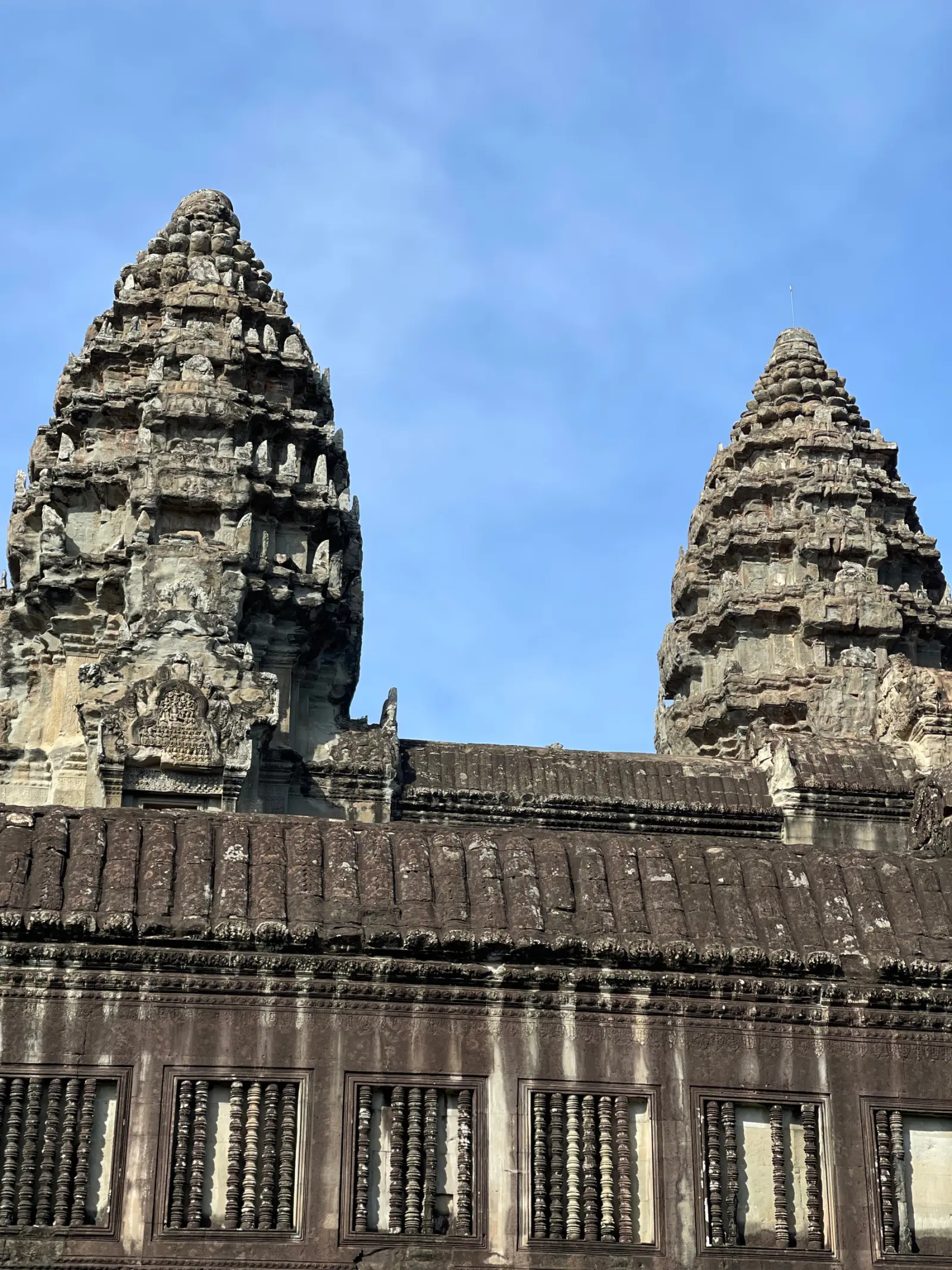
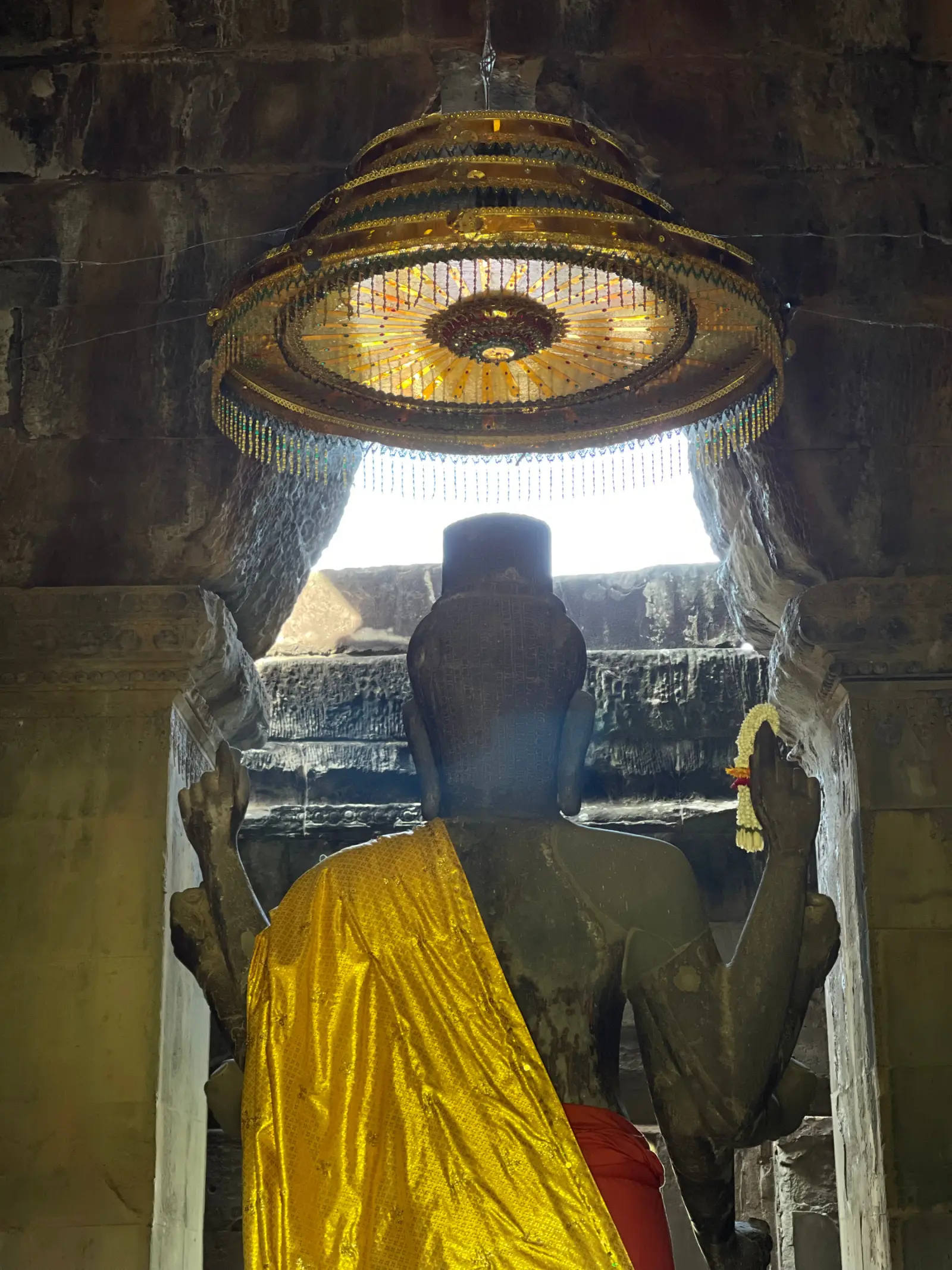
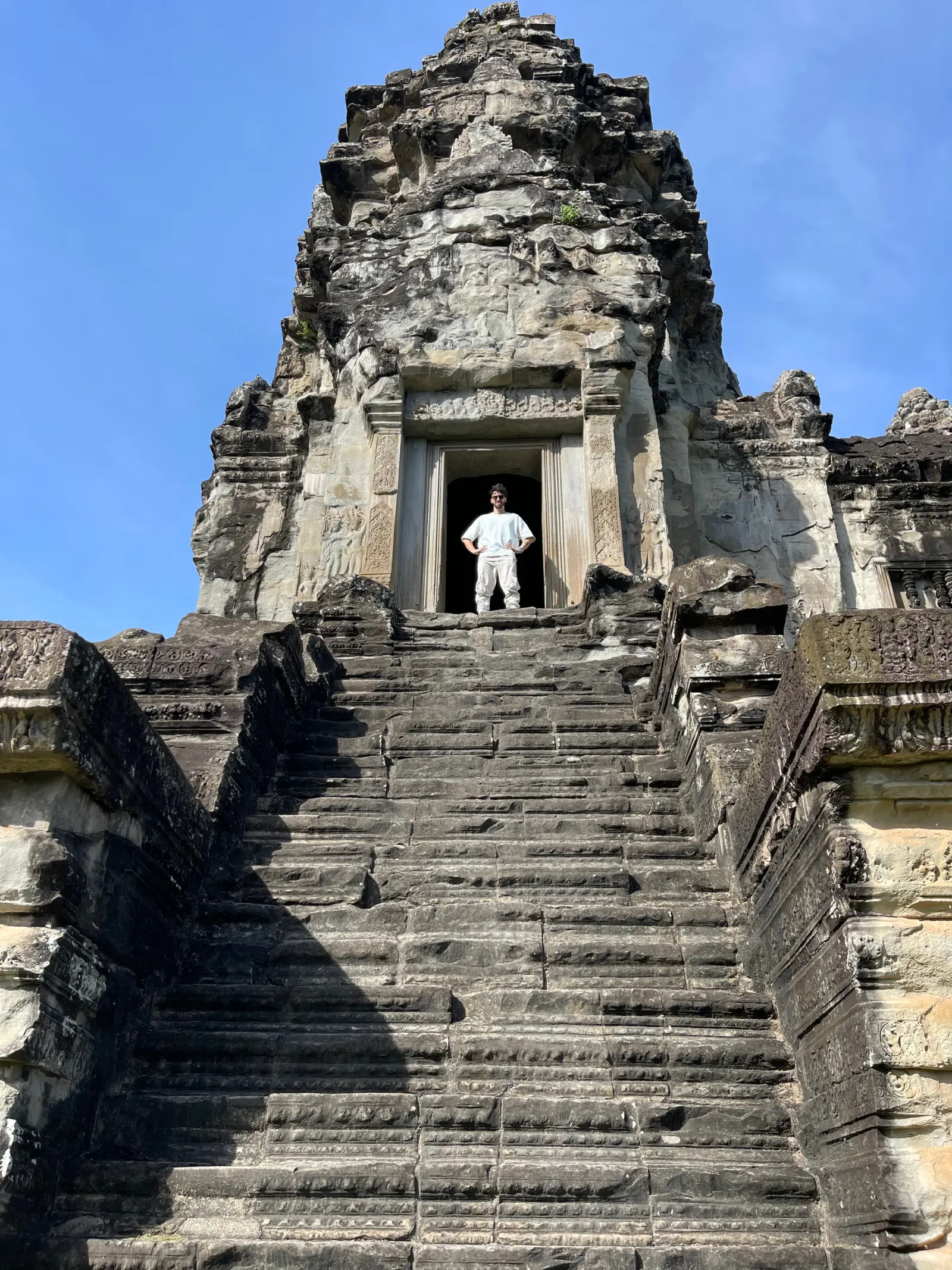
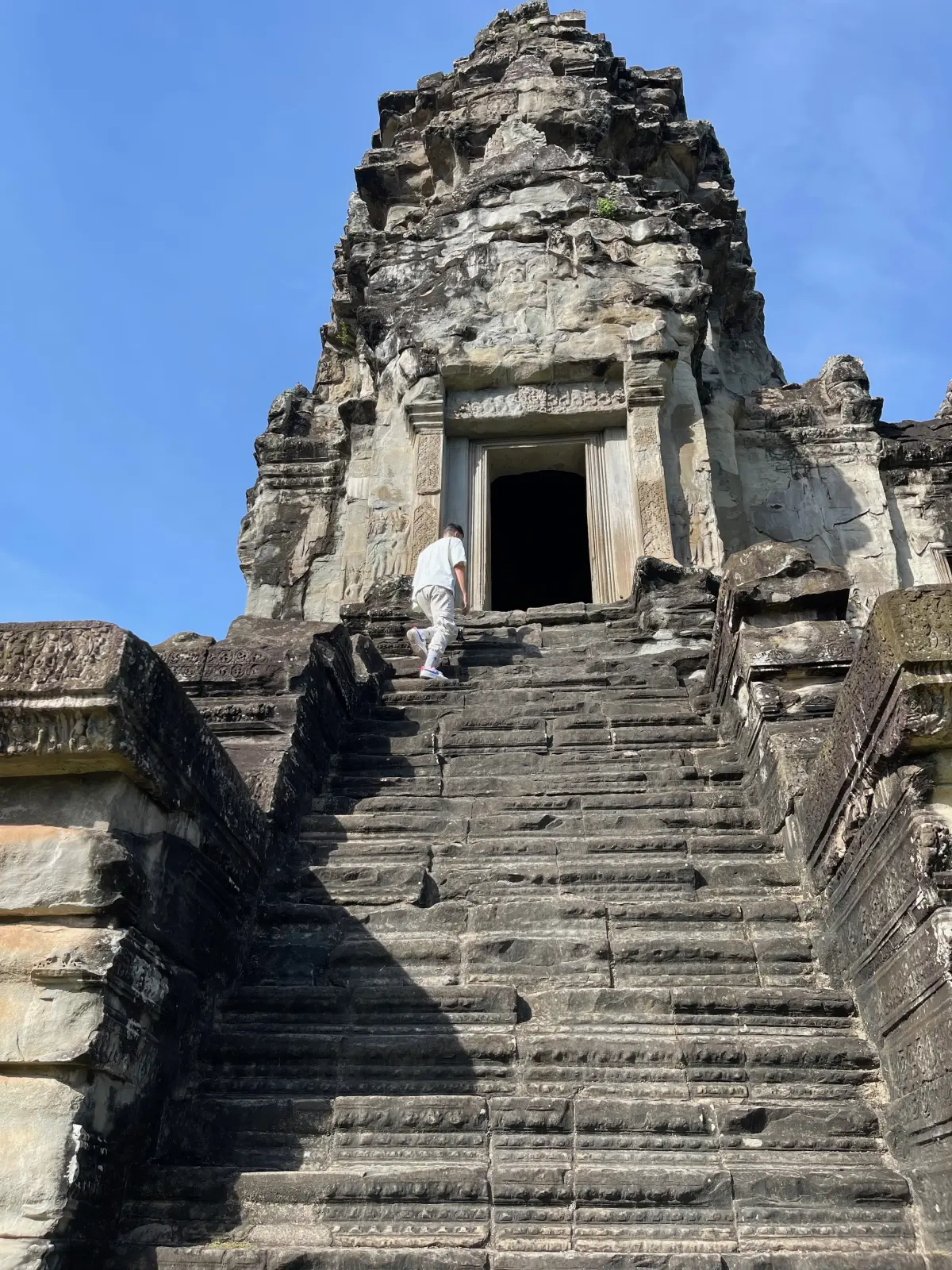
To reach this sacred space, you must ascend a series of stairs that symbolically represent the ascent to the abode of Hindu gods. Here, you’ll have the privilege of admiring the exquisite bas-reliefs and intricate wall decorations that grace the inner sanctum.
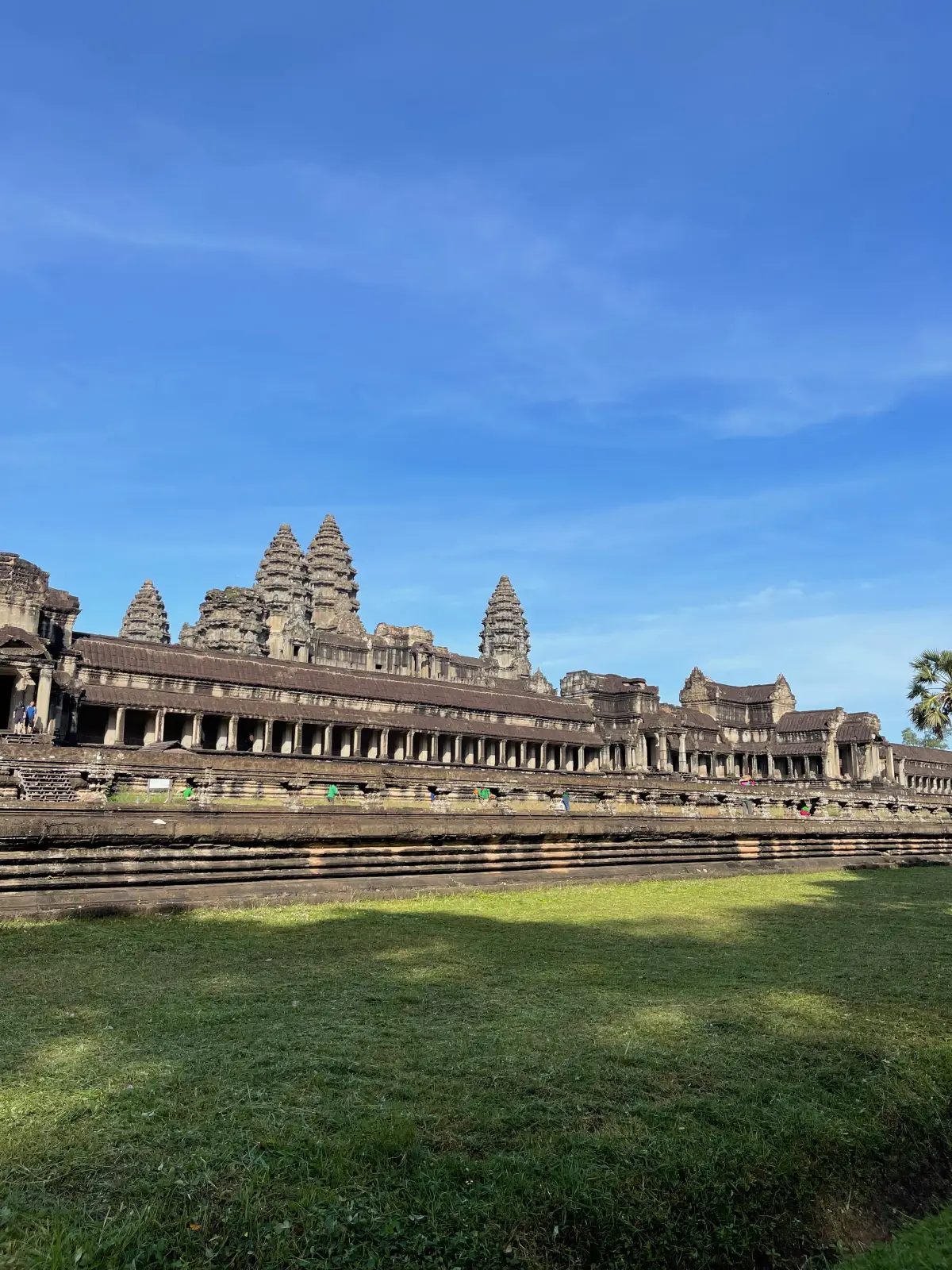
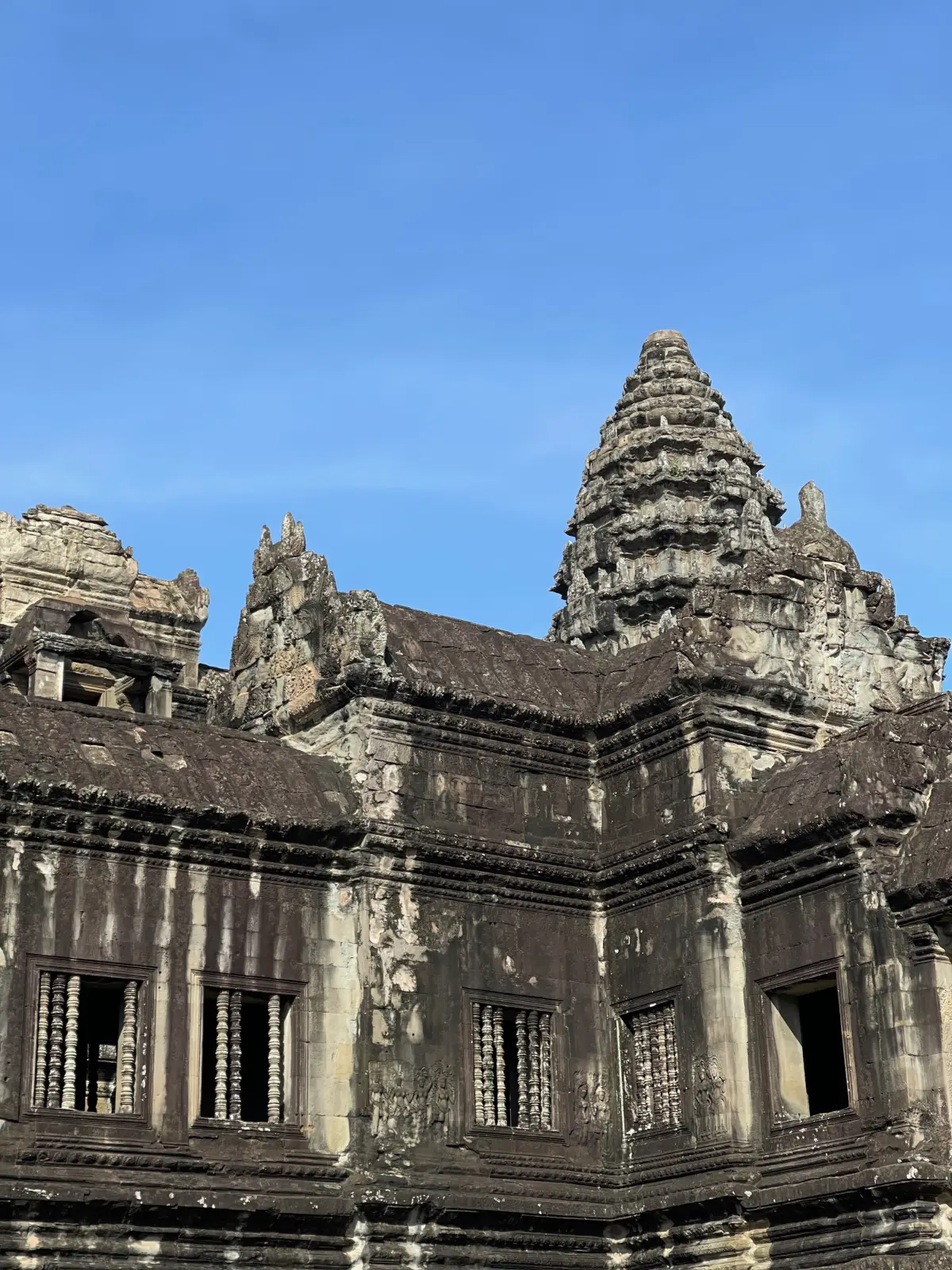
Don’t miss the opportunity to explore the galleries adorned with friezes within Angkor Wat, where sunlight gently filters through the columns, creating a magical ambiance that bathes the impressive bas-reliefs recounting epic tales from Hindu mythology. The hushed tranquility and dimly lit surroundings transport you to a different realm, one brimming with enchantment.
The millennia-old stones of Angkor Wat, therefore, stand as an irreplaceable treasure that must not be overlooked when journeying through Cambodia. Immerse yourself in the rich tapestry of the ancient Khmer culture and relish the wonders of this spectacular temple.
Conclusion about Abgkor Wat
In conclusion, Angkor Wat is a true marvel that graces the landscape of Cambodia and stands as a testament to the ingenuity and grandeur of the Khmer Empire. This magnificent sanctuary, nestled within the larger complex of the Temples of Angkor, holds a well-deserved place on the prestigious list of World Heritage Sites. Its monumental size and historical significance are beyond compare, making it the foremost cultural treasure of Cambodia, symbolized even on the country’s flag by the silhouette of its towering spires.
Angkor Wat invites visitors to embark on a profound journey through history and spirituality. As you wander through its ancient stones, you’ll witness the confluence of Hindu and Buddhist influences, a testament to the evolving faiths that found a home within its walls. From the symbolic ascent on the Naga Bridge to the captivating bas-reliefs and enchanting friezes, every corner of Angkor Wat reveals a story waiting to be explored.
This iconic temple, with its timeless beauty and enduring cultural importance, is a beacon that draws travelers from around the world to Cambodia. Its significance transcends time and borders, offering a glimpse into the rich tapestry of the ancient Khmer culture. A visit to Angkor Wat is not just a journey through the annals of history but also a spiritual and immersive experience that leaves an indelible mark on those fortunate enough to behold its splendor. It is, without a doubt, a treasure that must be cherished and celebrated by all who have the privilege of discovering it.
Practical Guide to Visiting Angkor Wat
Angkor Wat was built in the early 12th century under King Suryavarman II, and it is just a few kilometres north of the town of Siem Reap.
Tickets: you need an Angkor Pass to enter the archaeological park. Passes are usually sold for one, three or seven days. Check current prices and buy only from the official ticket office or website.
Getting there: most visitors go by tuk-tuk from Siem Reap, often hiring a driver for the whole day. Bicycles and e-bikes are also popular.
Sunrise: watching the sun rise behind the towers, reflected in the pond in front of the temple, is one of the most famous experiences in Cambodia. Arrive well before dawn to get a good spot.
Dress code: cover your shoulders and knees, as Angkor Wat is still a religious site. This is checked especially for the upper level of the central tower.
Other Temples Not to Miss
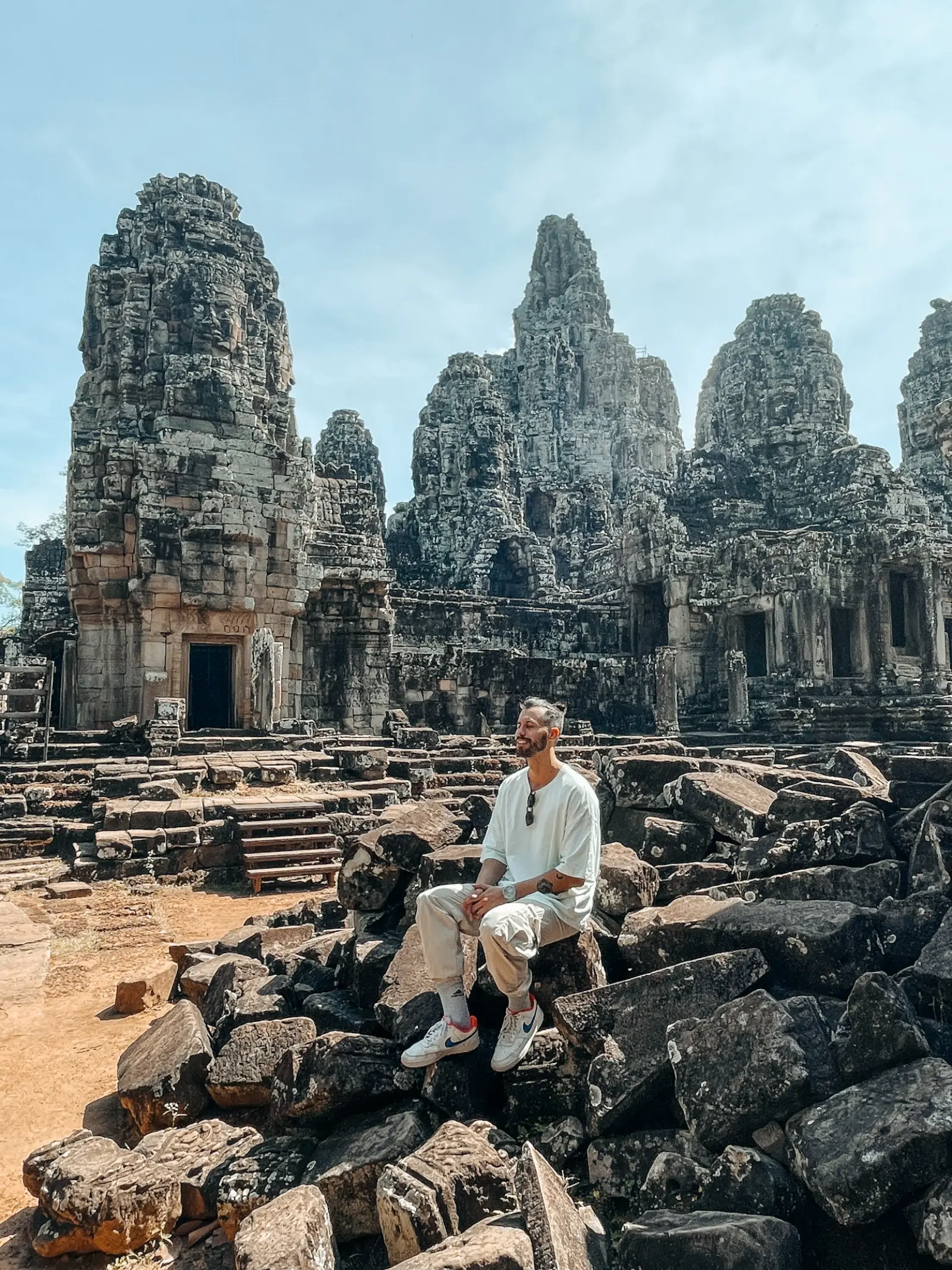
- Bayon: in Angkor Thom, famous for its many giant stone faces.
- Ta Prohm: the temple where huge tree roots grow over the ruins.
- Banteay Srei: a small temple known for its detailed pink sandstone carvings.
- Preah Khan: a large, atmospheric temple complex with long corridors.
More photos
FAQ
How much time do I need at Angkor? One day is enough for the highlights, but three days lets you explore at a calmer pace.
When is the best time to visit? November to February, during the cool and dry season.
Is Angkor Wat Hindu or Buddhist? It was built as a Hindu temple to Vishnu and later became a Buddhist site.