Walter Ponce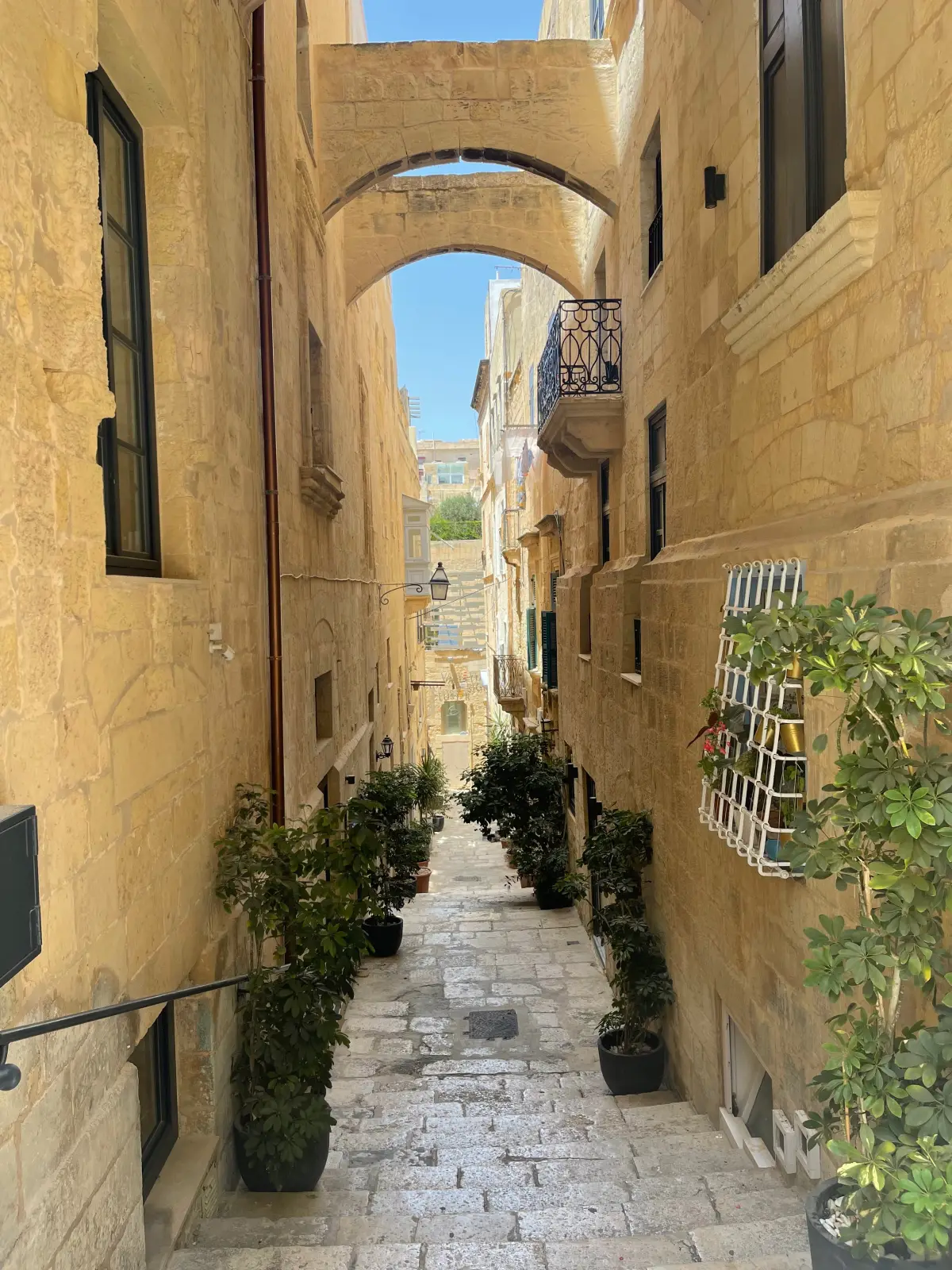
Malta is one of those places that is much easier to reach than it feels. A short flight from most of Europe, an island small enough to cross in under an hour, sea on every side, and a capital that is a UNESCO World Heritage Site from end to end. Last month we spent five days there in the middle of summer, based in Sliema with a full day in Valletta.
Here is how we split the time, where I would stay, and what to add if you have a few more days.
Malta at a glance
- Getting there: Malta International Airport is in the south of the main island, about 20 to 30 minutes by taxi from Sliema or Valletta.
- Language: Maltese and English are both official, so you can get by in English everywhere.
- Currency: the euro.
- Driving: on the left, as in the UK. Plugs are the British three-pin type too.
Where to stay: Sliema, Valletta or St Julian’s
Most first-timers end up choosing between three areas:
- Sliema: our choice, and I would do it again. A proper town rather than a resort, a long seafront promenade, plenty of restaurants, and the ferry to Valletta right on the waterfront.
- Valletta: beautiful and atmospheric, especially at night, but smaller hotels, fewer restaurants open late, and more expensive.
- St Julian’s / Paceville: next to Sliema, livelier, with the nightlife. Good if you are going out; noisy if you are not.
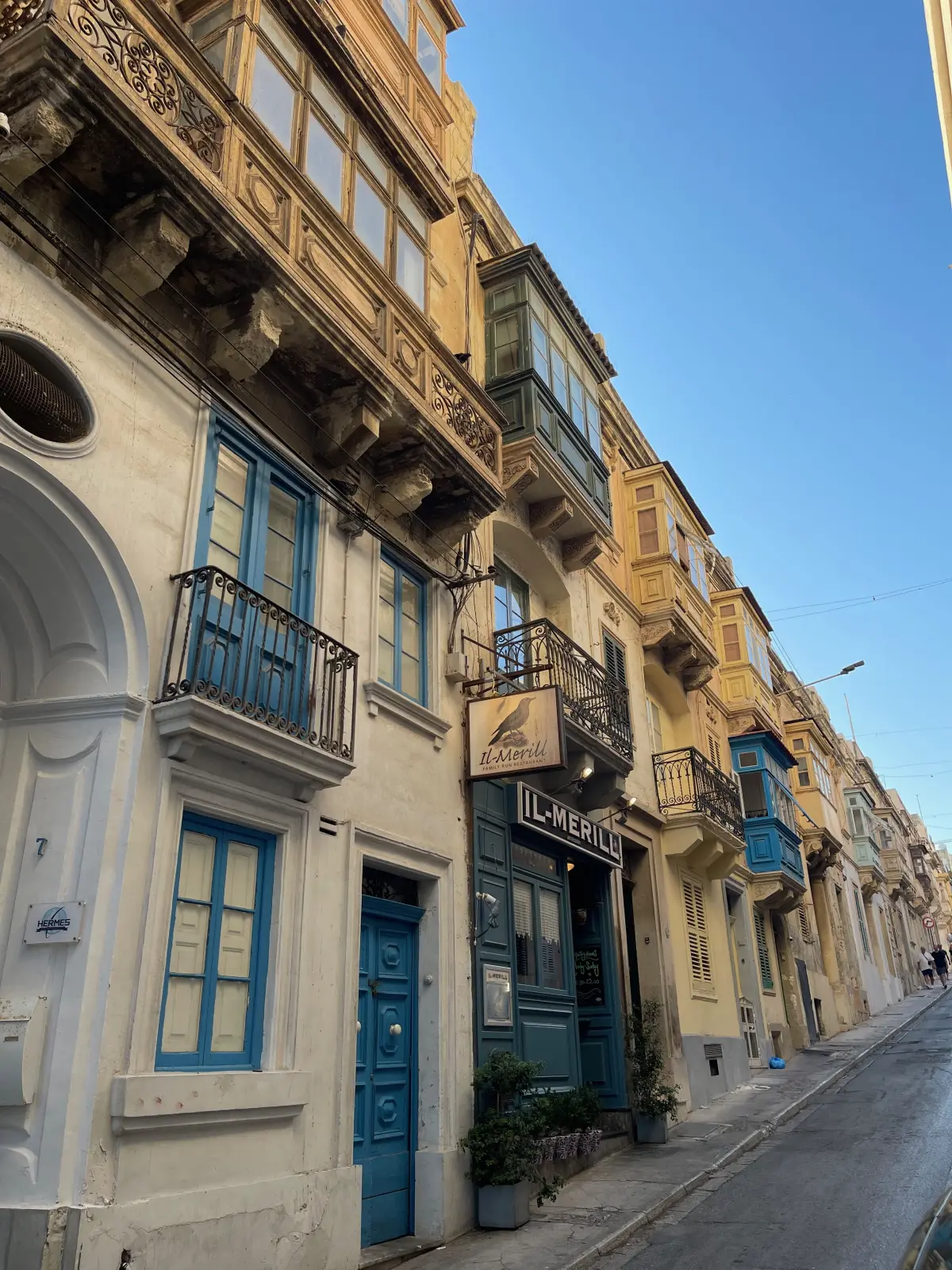
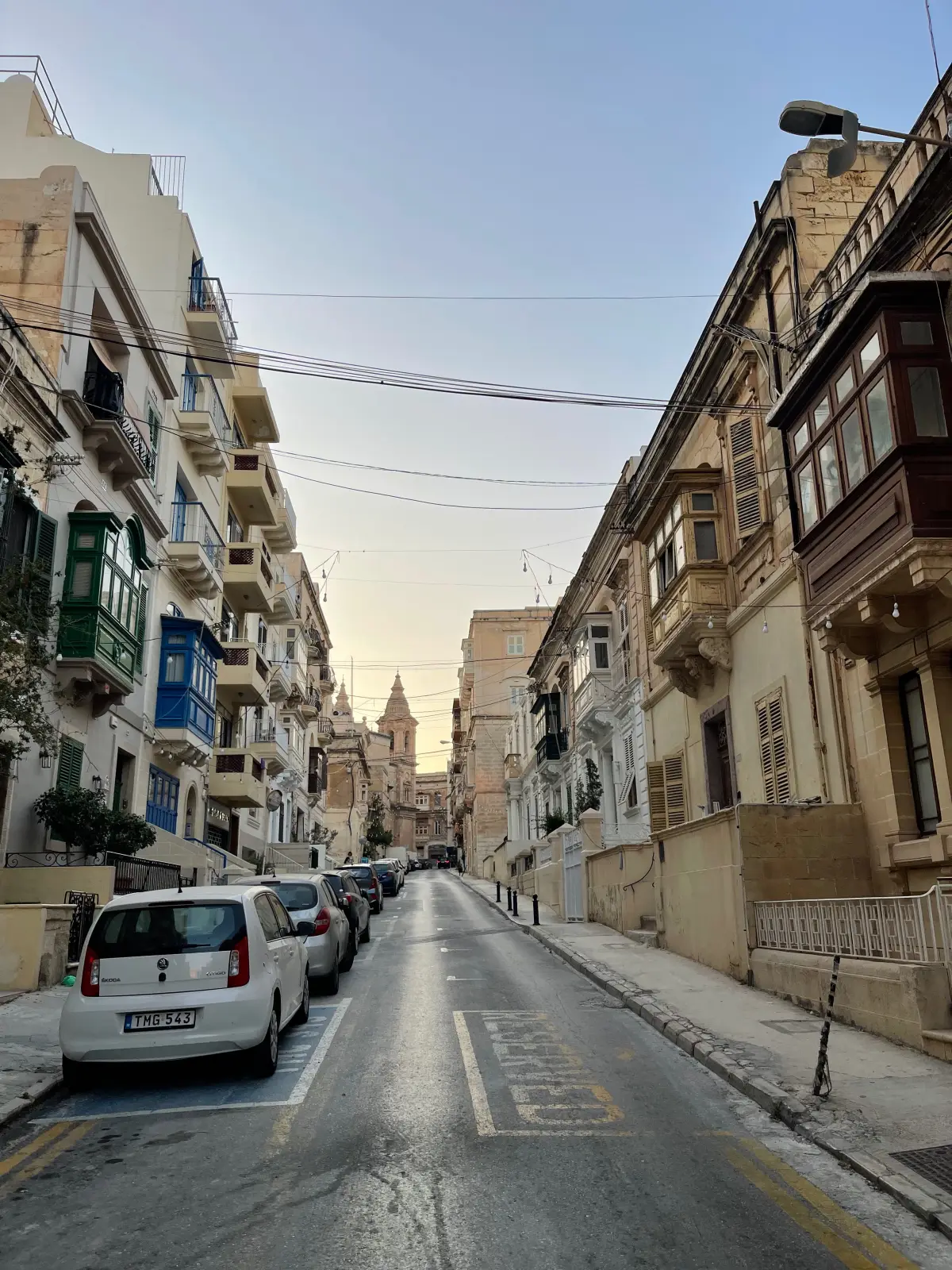
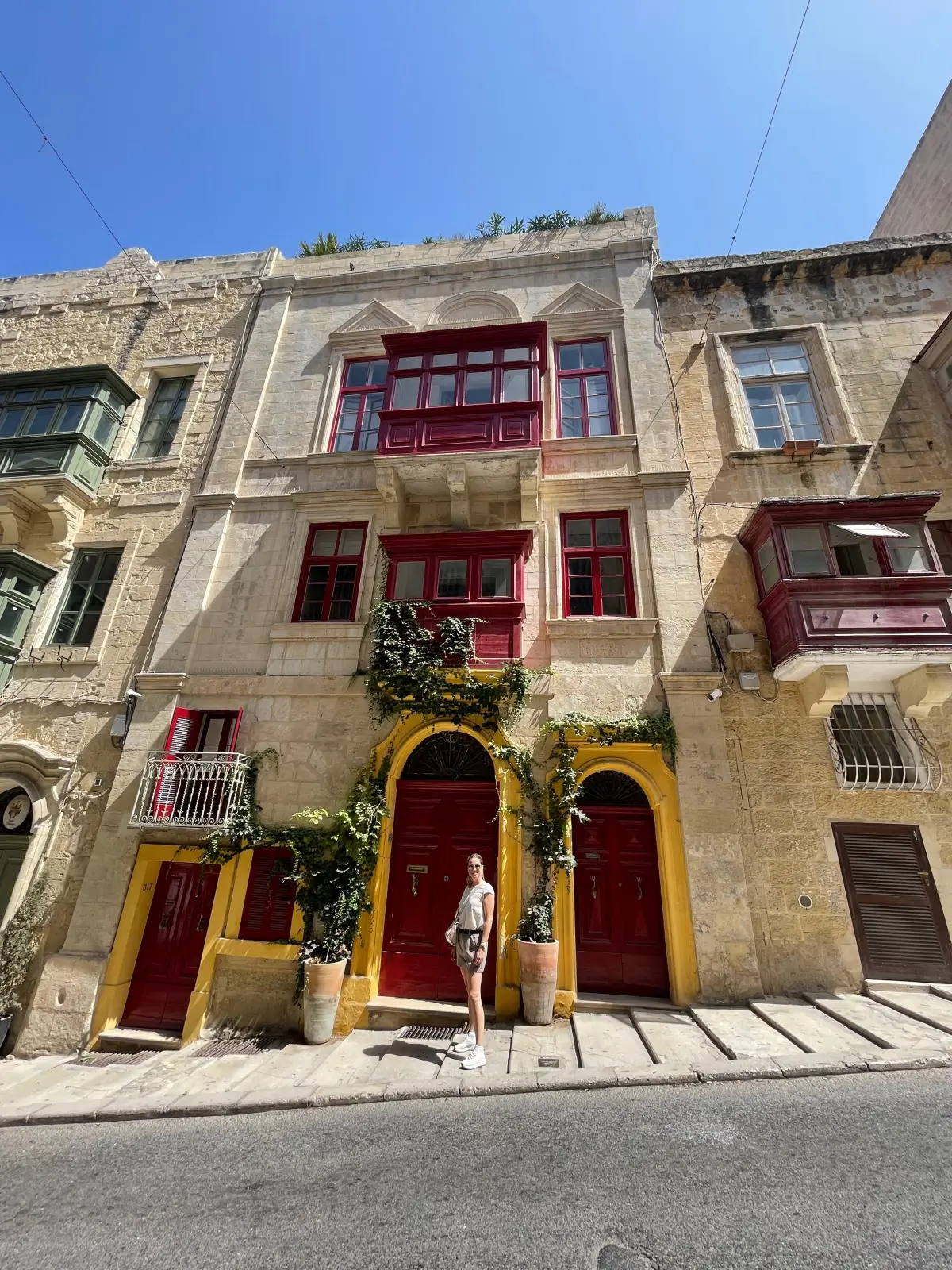
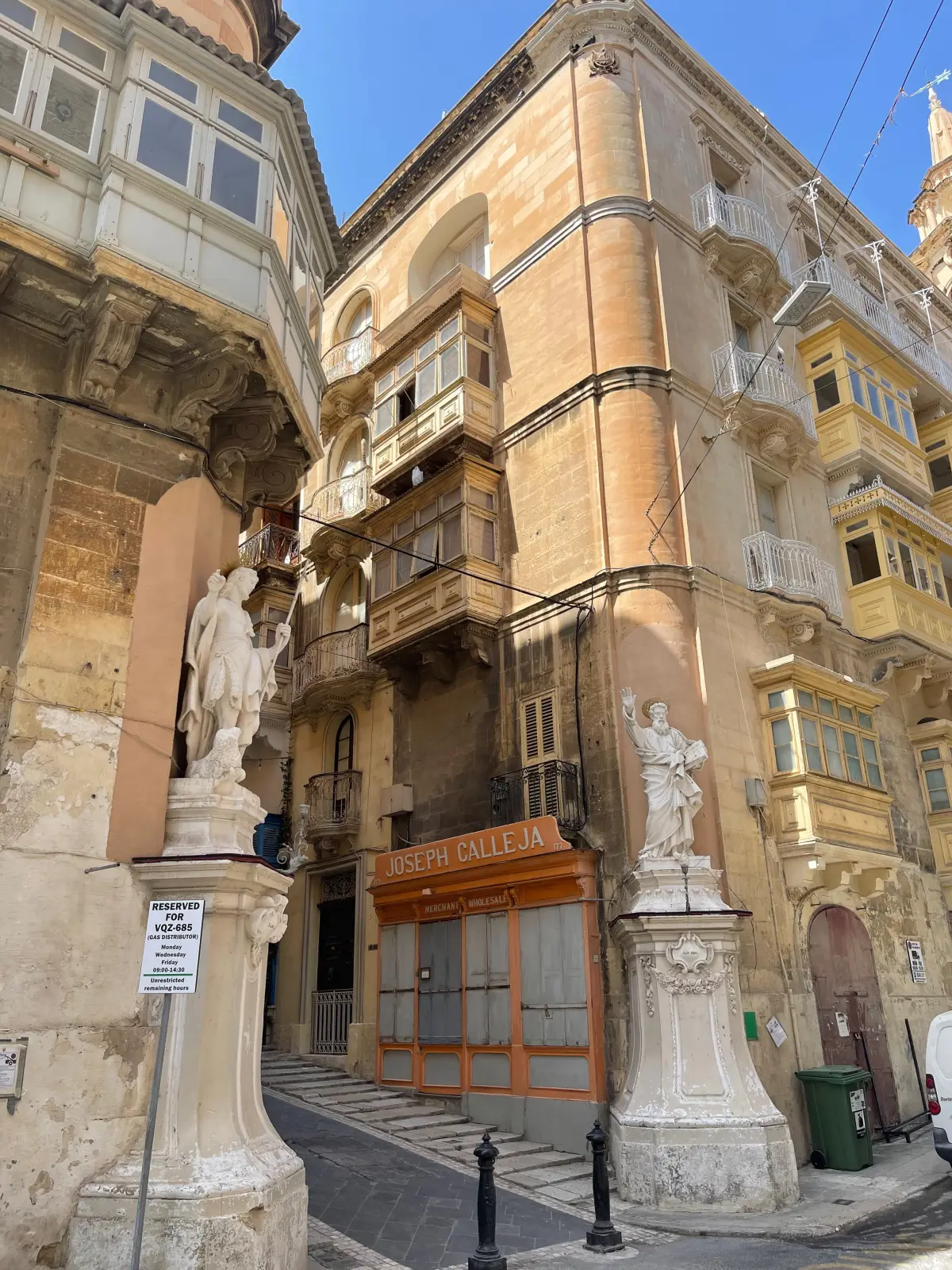
The old streets behind the Sliema seafront are full of the classic Maltese houses with closed wooden balconies, painted in blues, greens and reds.
Days 1–2: Sliema and swimming off the rocks
Malta does not have many sandy beaches near the towns. What it has instead are rock platforms with ladders straight into very clear water. Along the Sliema seafront (the Qui-si-Sana and Tower Road stretch) there are several, including the little bay at Għar id-Dud. Bring water shoes: the rocks are sharp and hot by midday.
July in Malta is hot, easily into the mid-thirties, so the best rhythm is a swim in the morning, shade in the afternoon and the promenade in the evening, when everyone in Sliema comes out to walk.
Day 3: a full day in Valletta
From Sliema you can take the ferry across Marsamxett Harbour to Valletta in about ten minutes. It is the nicest way to arrive: you see the whole fortified skyline from the water.
Valletta is tiny, about one kilometre long, and built on a grid by the Knights of St John in the 16th century, so you can walk it all in a day. This is the route:
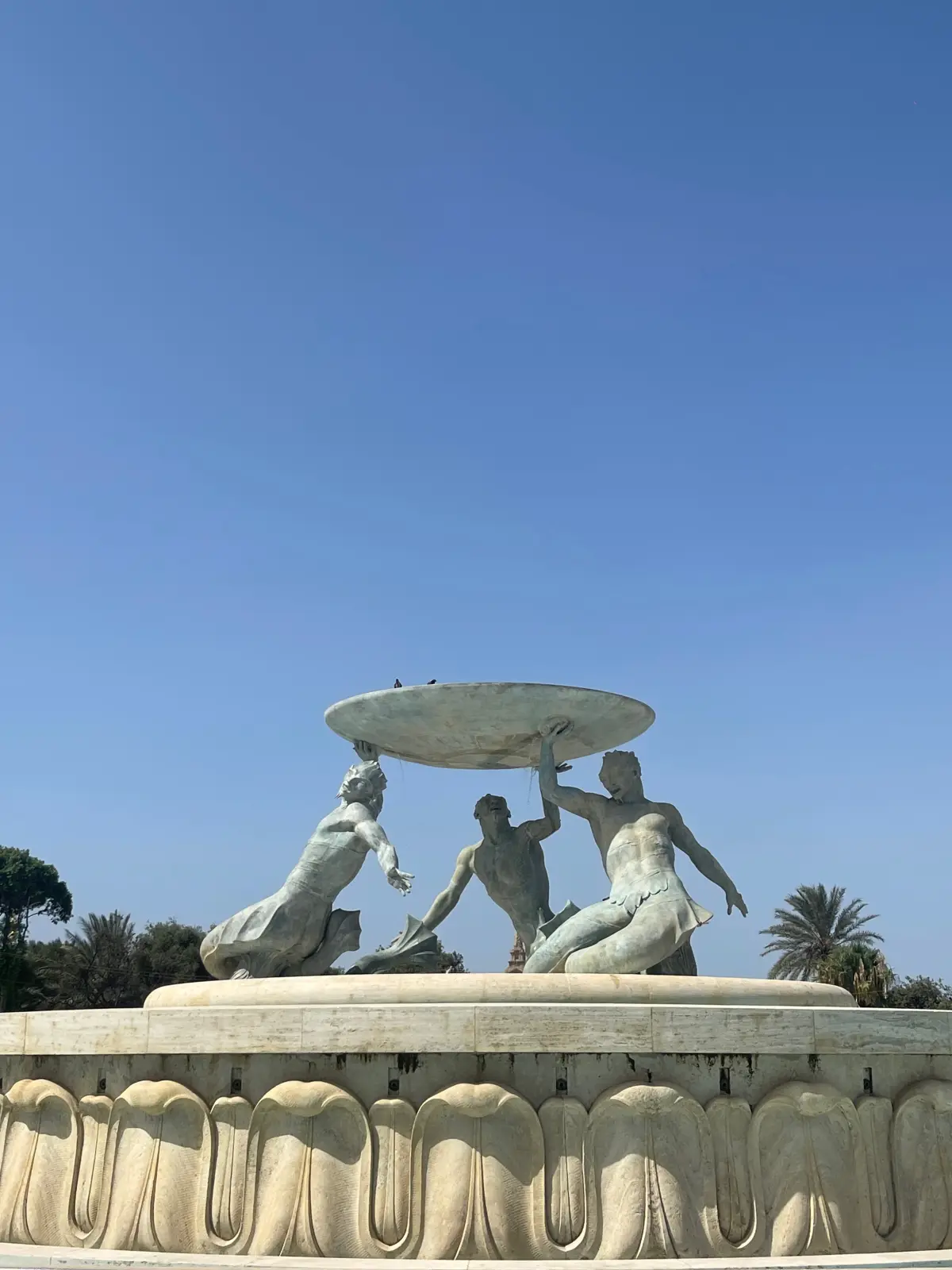
Triton Fountain and City Gate. You enter past the bronze Triton Fountain, the start of the city, and through Renzo Piano’s modern City Gate.
Republic Street. The main street runs the length of the city. Off it you find St John’s Co-Cathedral, plain on the outside and covered in gold and marble inside. Its museum holds Caravaggio’s The Beheading of Saint John the Baptist, the only painting he ever signed.
The Grandmaster’s Palace and St George’s Square. The old seat of the Knights, right in the centre.
Upper Barrakka Gardens. The terrace with the best view in Malta, over the Grand Harbour to the Three Cities. Every day at noon and 4pm the cannons of the Saluting Battery below are fired. Get there a few minutes before.
Lascaris War Rooms. Underneath the gardens, the tunnels from which the defence of Malta was run in the Second World War.
Strait Street and the side streets. Valletta’s best bit is just walking: the steep lanes going down to the sea, the steps, the honey-coloured stone and the balconies.
Days 4–5: what else to see in Malta
With five days you have time for one or two of these:
- Mdina: the walled “silent city” in the middle of the island, with Rabat and its catacombs next door. Easy by bus or taxi.
- The Three Cities: Birgu, Senglea and Cospicua, across the Grand Harbour from Valletta. Take the little ferry or a traditional dgħajsa boat.
- Comino and the Blue Lagoon: the famous turquoise bay. Very crowded in summer; go early or late.
- Gozo: the smaller, greener sister island, 25 minutes by ferry from the north of Malta. Worth a full day.
- Marsaxlokk: the fishing village with the colourful luzzu boats and a Sunday fish market.
Getting around Malta
- Ferries between Sliema and Valletta, and between Valletta and the Three Cities, are the most pleasant way to move around the harbour.
- Buses cover the whole island and are cheap, but can be slow and full in summer.
- Ride-hailing apps (Bolt, Uber) and taxis are affordable for longer trips, like Mdina or the airport.
- Renting a car is useful for Gozo and the beaches in the north, but traffic and parking around Sliema are hard work.
Tips for Malta
- Stay in Sliema and use the ferry to Valletta: cheaper than Valletta, livelier in the evening, and you get the seafront.
- In summer, plan around the heat. Sightseeing early, sea in the late morning, Valletta again in the evening when the stone cools down.
- Pack water shoes for the rock swimming.
- Go back to Valletta for an evening. The city is quiet and beautiful after the day-trippers leave.
- Shoulder season is ideal. May, June, September and October are still warm enough to swim, with fewer people.
FAQ
Is five days enough for Malta? Yes. Five days gives you Valletta, a couple of beach days and one or two trips such as Mdina, the Three Cities or Gozo.
Is it better to stay in Sliema or Valletta? Sliema for value, restaurants and the seafront; Valletta for atmosphere. The ferry between them takes about ten minutes.
Does Malta have good beaches? The best sandy beaches are in the north (Mellieħa, Golden Bay) and on Gozo. Around Sliema you swim from rock platforms with ladders into the sea.
Is English spoken in Malta? Yes. English is an official language alongside Maltese, and everyone speaks it.