Walter Ponce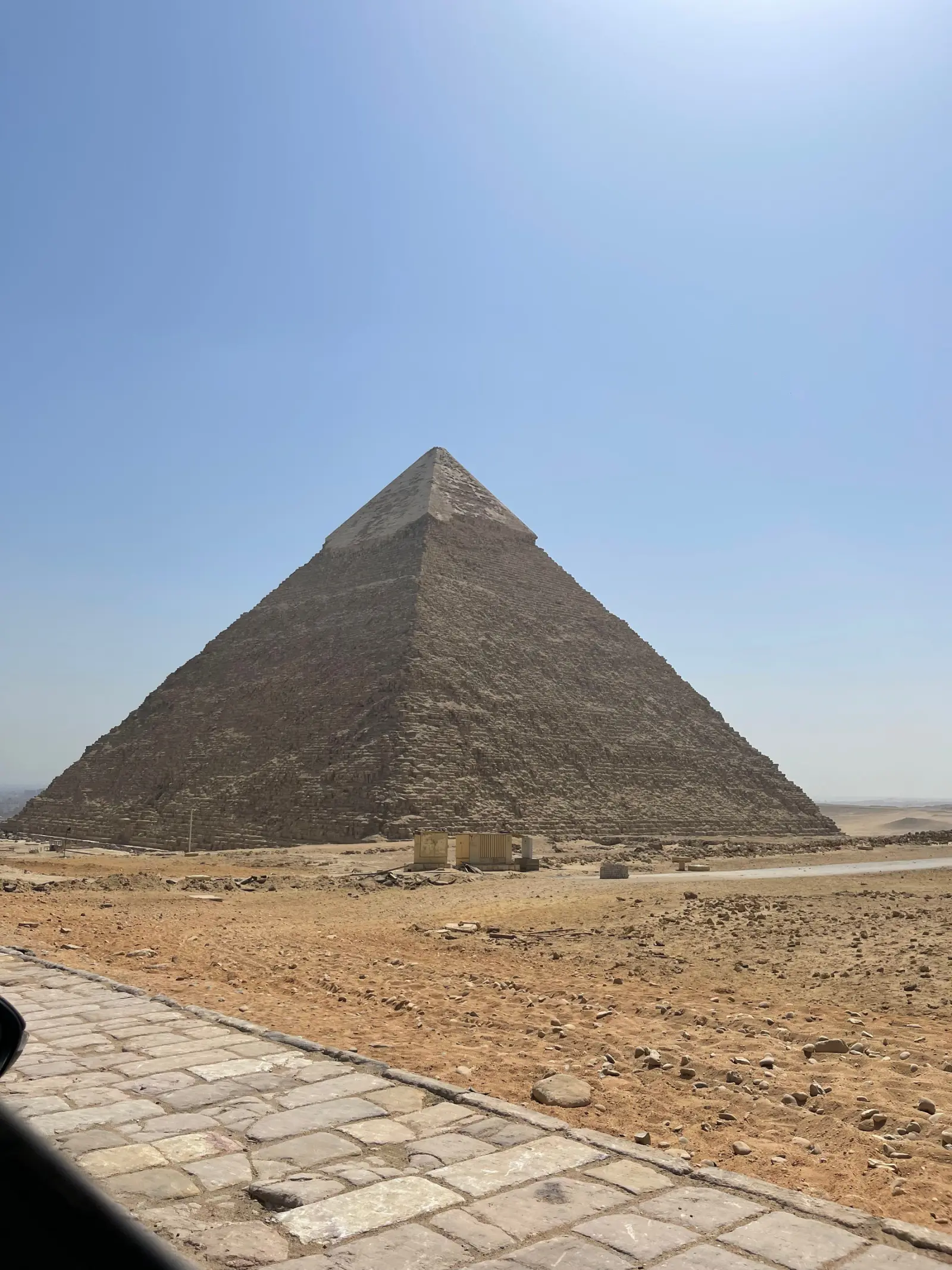
Our journey to Egypt was nothing short of a dream come true. And what better way to start this adventure than with a visit to the iconic Giza Pyramids and the enigmatic Sphinx? These ancient wonders have captured the imagination of travelers and explorers for centuries, and now it was our turn to witness their grandeur.
Choosing the Right Tour Guide
With countless tour guide options available online, we were fortunate to find an exceptional program that promised a memorable experience. We opted for a private half-day tour (Viator), which allowed us to travel back in time and explore the Great Pyramids of Giza and their steadfast guardian, the Sphinx.
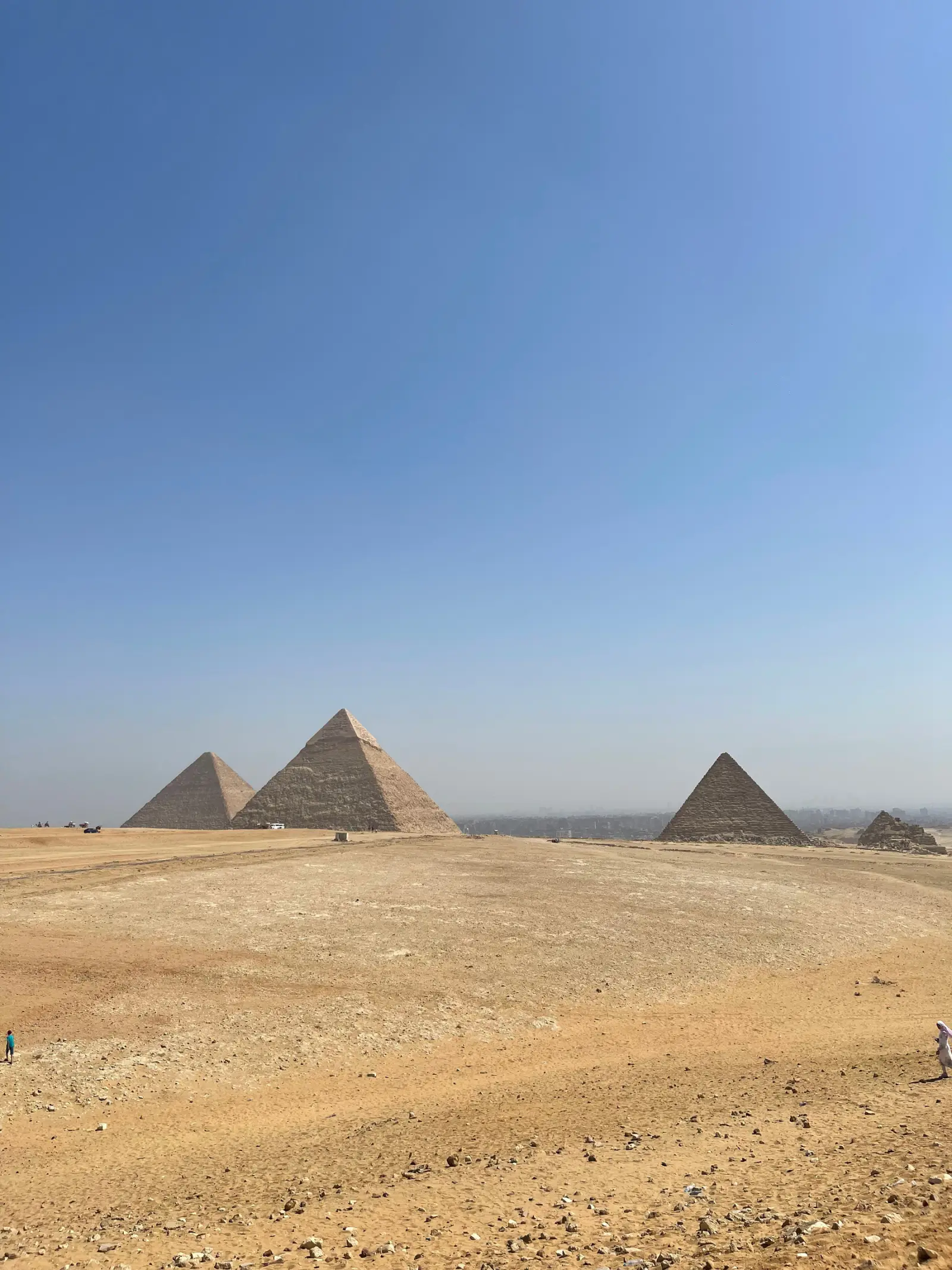
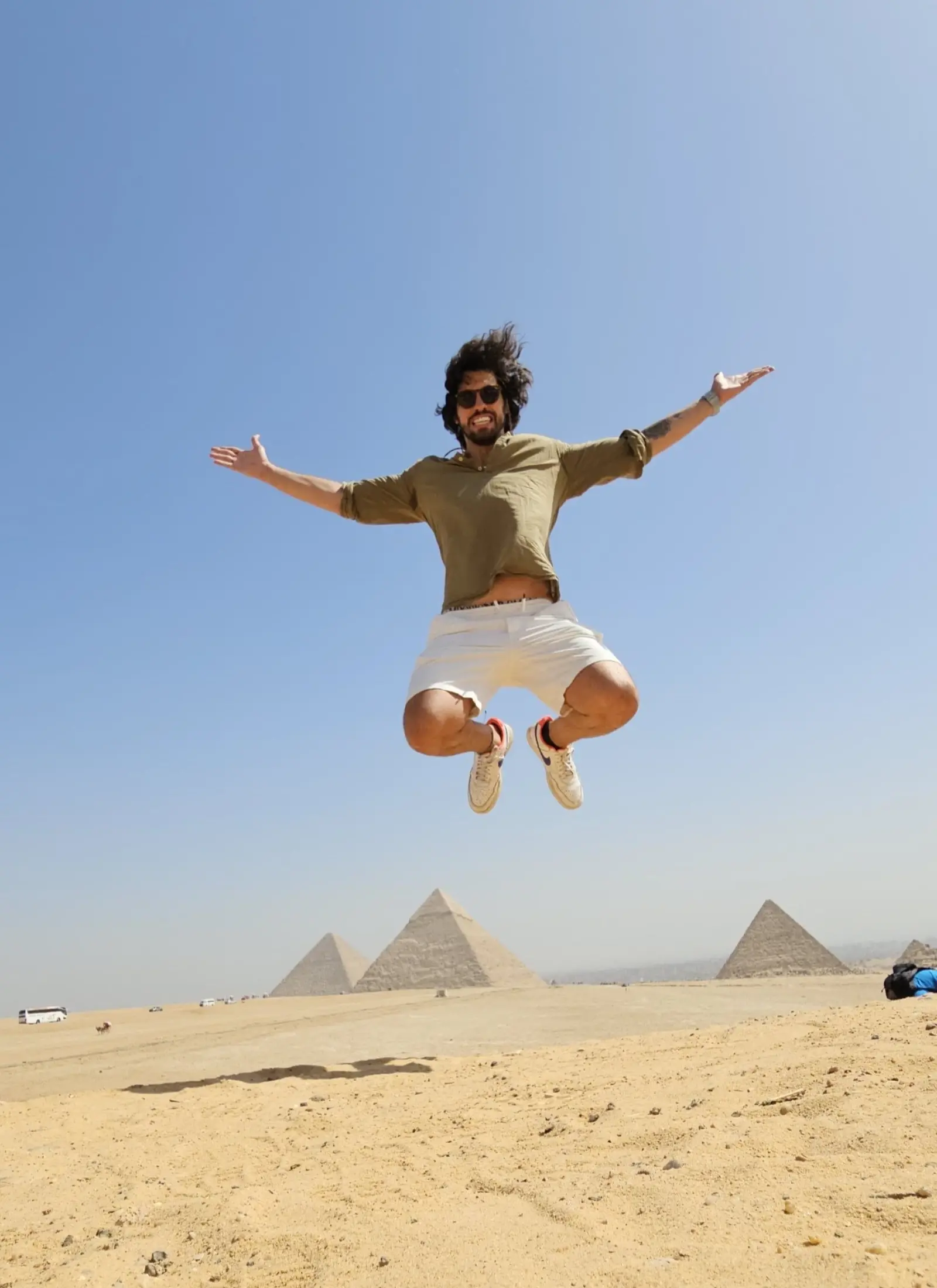
Our expert Egyptologist tour guide was not just knowledgeable but also friendly, making the journey even more enriching.
The tour began with an introduction to the Pyramids of Cheops, Khafre, and Menkaure. These towering structures, dating back to ancient times, stand as a testament to the incredible achievements of the Egyptian civilization. Their colossal presence was awe-inspiring, and our guide’s insights into their construction and historical significance added depth to our exploration.
The Pyramid Experience
The Great Pyramid of Giza, also known as the Pyramid of Khufu, is the most iconic of the three pyramids. Built during the Fourth Dynasty of the Old Kingdom of Egypt, it was an astounding feat of engineering and precision. The pyramid originally stood at a towering height of 146.6 meters (481 feet), making it the tallest man-made structure in the world for nearly 4,000 years. Its construction required immense labor, and the precision with which it was built remains a testament to the ancient Egyptians’ advanced knowledge of mathematics and architecture.
Guardians of the Pharaohs
The Giza Pyramids served as monumental tombs for pharaohs, including Khufu, Khafre, and Menkaure. These rulers believed in an afterlife, and the pyramids were designed to safeguard their mummies and treasures for eternity. The sheer scale and symmetry of these structures are a testament to the meticulous planning and craftsmanship that went into their construction. The Great Sphinx of Giza, a colossal limestone statue with the body of a lion and the head of a pharaoh, stands sentinel at the base of the pyramids, adding to the aura of mystery and majesty that surrounds this **UNESCO World Heritage **site. The Giza Pyramids continue to be a source of fascination, inspiring countless explorers, archaeologists, and travelers to uncover their secrets and appreciate their enduring significance in the annals of human history.
The Great Sphinx
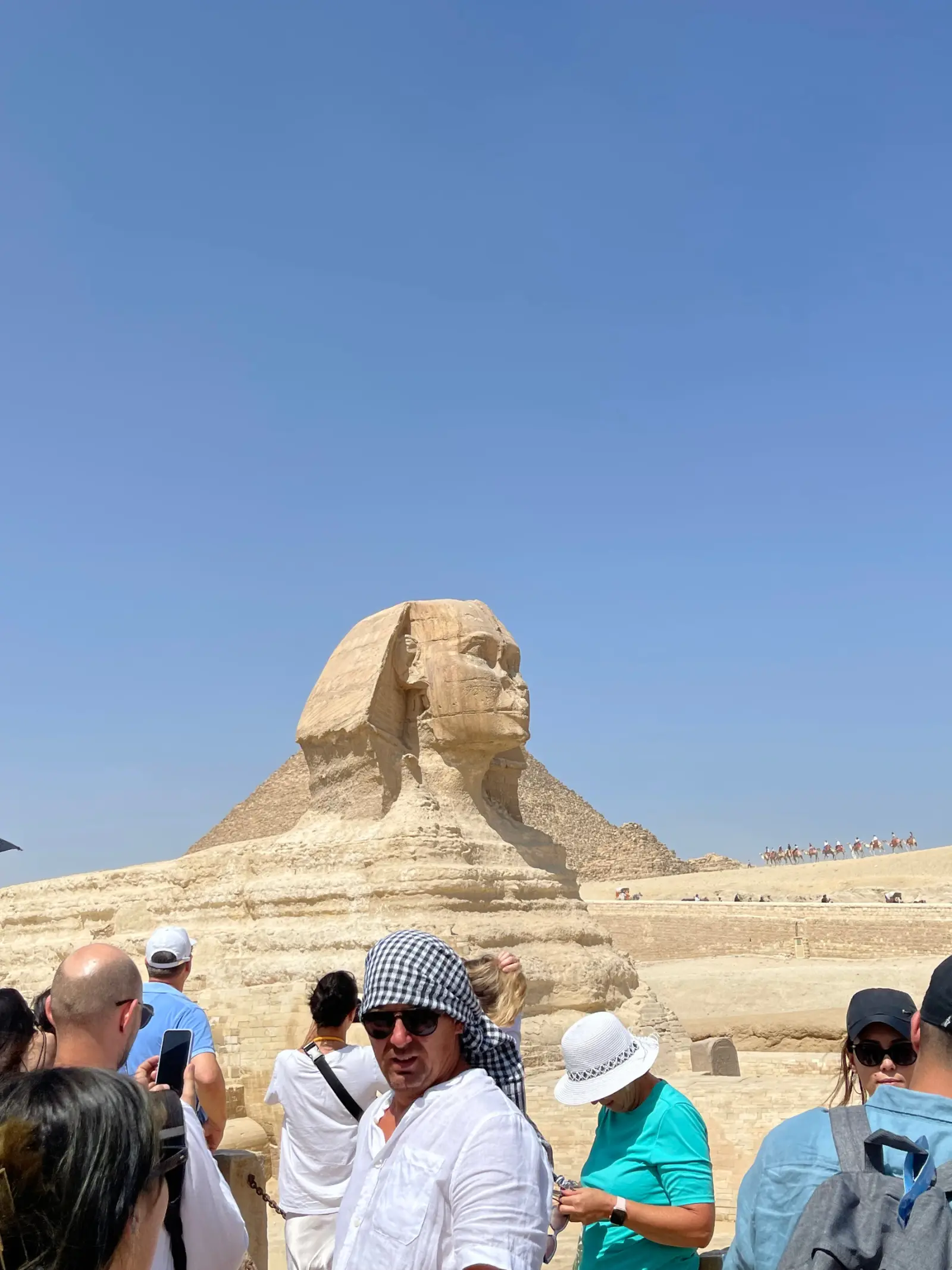
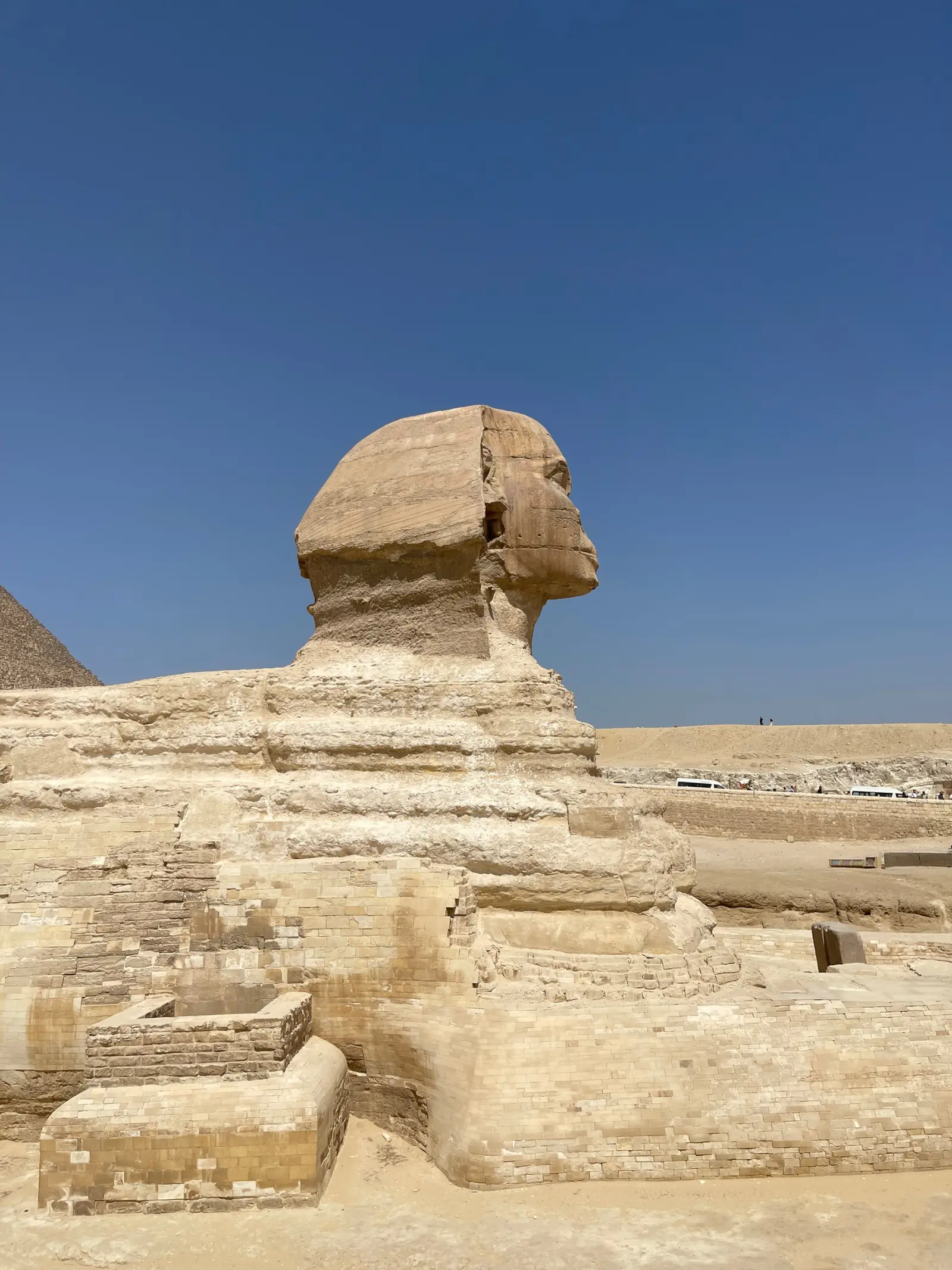
The Great Sphinx is not only remarkable for its imposing size but also for the legends and mysteries that surround it. One of the most enduring riddles of the Sphinx is the question of its missing nose. While some believe it was destroyed by Napoleon’s soldiers, others suggest that it may have been intentionally removed by an Islamic cleric in the 14th century. The purpose and significance of the Sphinx’s construction remain subjects of debate and speculation, making it an intriguing enigma that continues to puzzle historians and archaeologists.
Capturing Memories
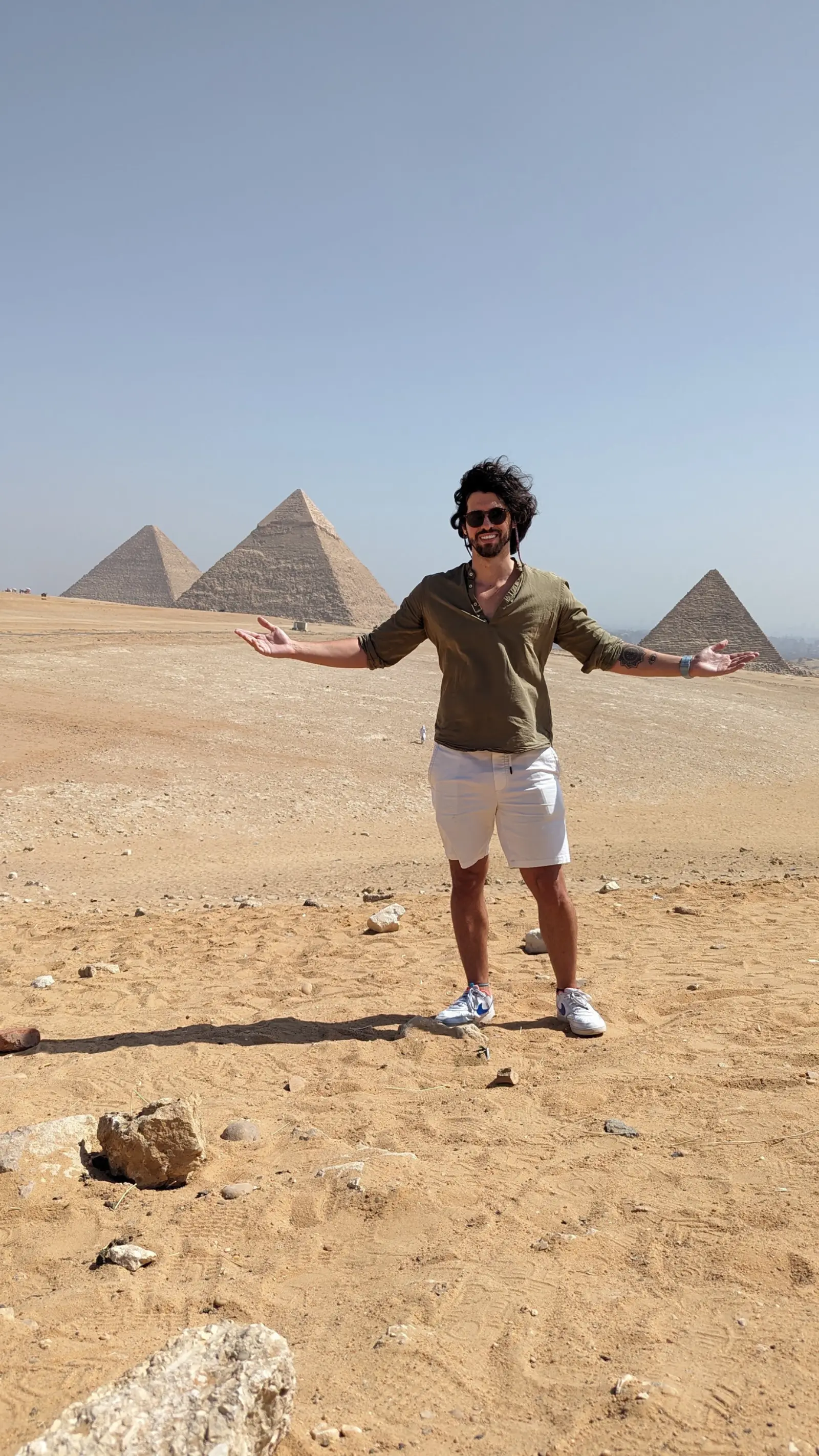
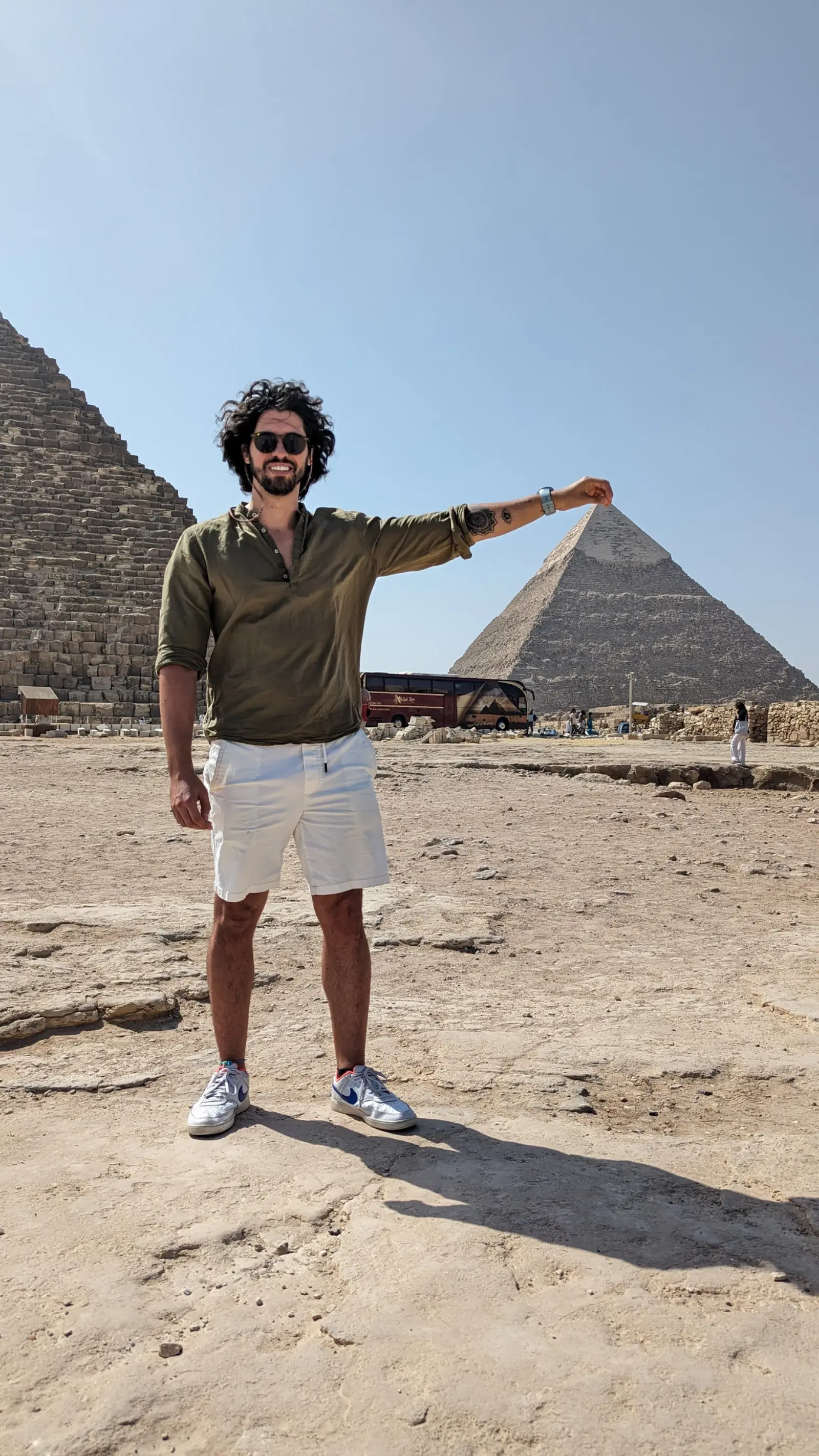
After exploring the Pyramids and the Sphinx up close, we had the chance to step back and capture the grandeur of these structures. Standing on the plateau with the three pyramids as our backdrop, we felt humbled by the scale of these ancient wonders. The photo opportunities were endless, and we took full advantage of this unique vantage point.
A Journey through History
Our visit to these iconic landmarks marked the beginning of our Egyptian adventure, and it set the tone for the incredible experiences that lay ahead. The Giza Pyramids and the Sphinx left us with a sense of wonder and a thirst for more of Egypt’s ancient treasures. It was a day we would always cherish, as we embarked on a journey through time and history in this captivating land.
Practical Guide to Visiting the Giza Plateau
How to Get There
The Giza Plateau sits on the western edge of greater Cairo, about 15-20 km from downtown. The most common ways to get there are:
- Private tour or driver: The easiest option, especially if you also want to visit Saqqara or Dahshur on the same day.
- Ride-hailing apps: Uber and Careem operate in Cairo and are a convenient way to reach the main entrance.
- Taxi: Agree on the price before you get in if the meter is not used.
Traffic in Cairo can be very heavy, so leave plenty of time, especially in the morning and late afternoon.
Tickets
There is a general entrance ticket for the plateau, and separate tickets are needed to go inside the Great Pyramid and some of the other pyramids and tombs. Prices and rules change regularly, so check the official information or ask your guide before you go. Card payments are increasingly common at the ticket offices, but carrying some cash in Egyptian pounds is still useful.
Best Time to Visit
- Season: October to April is the most comfortable period. Summer temperatures in Giza can easily go above 35°C.
- Time of day: Arrive as early as possible, ideally at opening time. The light is softer, it is cooler and there are fewer tour buses.
- Late afternoon: Another good option for photos, with warm light on the stone.
What Else to See Nearby
- The Grand Egyptian Museum (GEM): A huge new museum close to the pyramids, home to a vast collection of ancient Egyptian artefacts, including the treasures of Tutankhamun. Check what is open and book tickets in advance.
- The Panorama Point: A viewpoint on the plateau where you can see all the main pyramids lined up together. It is one of the classic photo spots.
- Saqqara: The site of the Step Pyramid of Djoser, considered the oldest large stone building in Egypt, and many decorated tombs.
- Dahshur: Home to the Bent Pyramid and the Red Pyramid, usually much quieter than Giza.
- Sound and Light Show: An evening show at the foot of the pyramids, with the monuments lit up and the history narrated in several languages.
Tips for Your Visit
- Hire a licensed guide. An Egyptologist brings the site to life and helps you avoid unnecessary hassle.
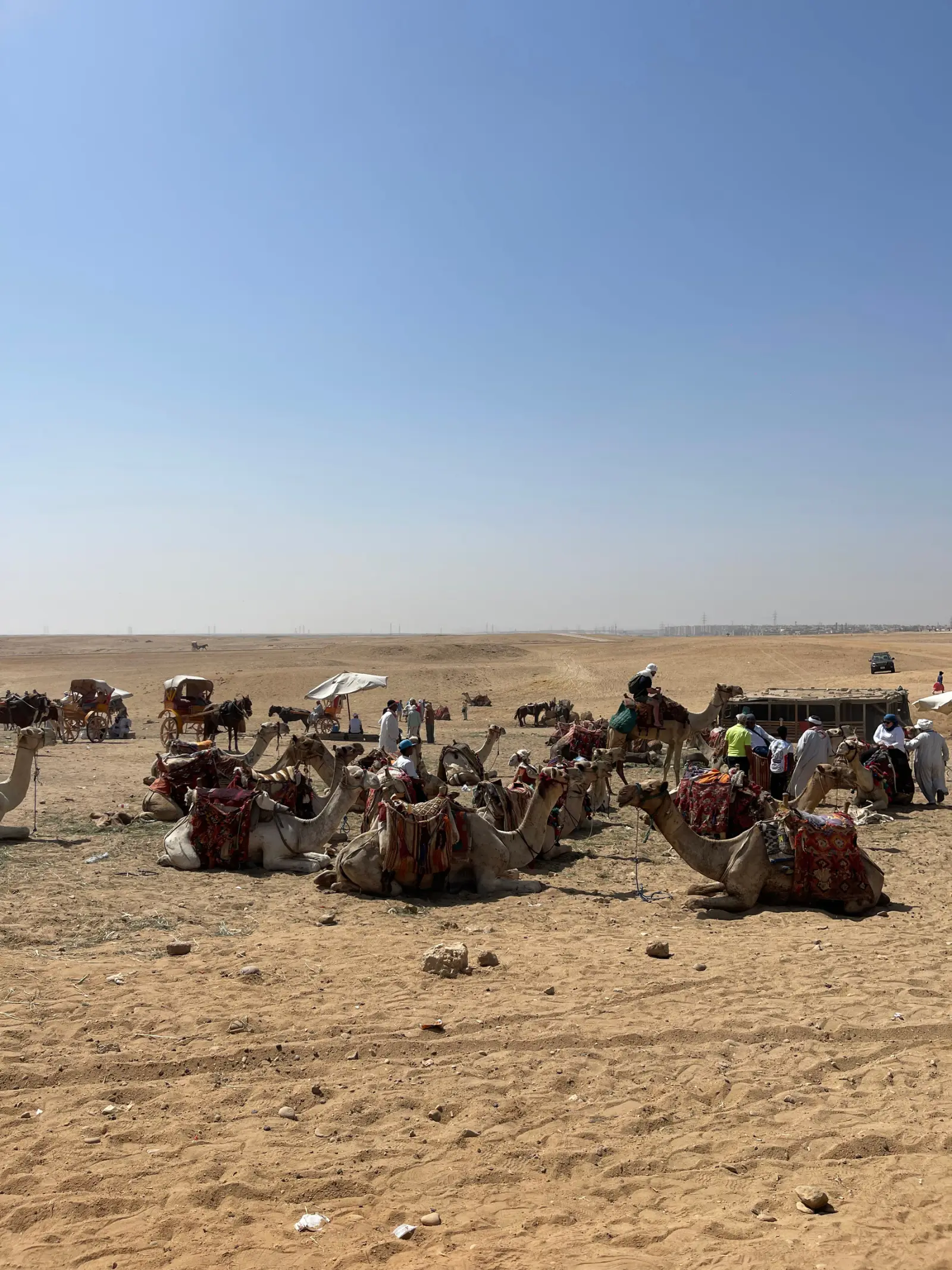
- Be ready for vendors and touts. Camel and horse rides, souvenirs and “free” offers are common. A polite but firm “no, thank you” usually works.
- Agree on prices first for any ride or service, and confirm whether it is per person.
- Choose animal rides carefully and avoid operators whose animals look poorly treated.
- Wear comfortable shoes, as the ground is sandy and uneven.
- Bring water, a hat and sunscreen, even in winter.
- Dress modestly, with shoulders and knees covered, out of respect for local customs.
- Going inside the Great Pyramid means climbing through narrow, steep, hot passages, so it is not ideal if you are claustrophobic.
FAQ
How long do you need at the Giza Pyramids? Half a day is enough to see the pyramids, the Sphinx and the panorama point. Add more time if you visit the Grand Egyptian Museum.
Can you go inside the pyramids? Yes, with an additional ticket. Access to specific pyramids may vary.
What is the best time of year to visit? From October to April, when temperatures are more comfortable.
Is a guide necessary? It is not mandatory, but a good guide adds a lot of historical context and makes the visit smoother.
Can I combine Giza with other sites in one day? Yes. Saqqara and Dahshur are popular add-ons to a day tour from Cairo.