Walter Ponce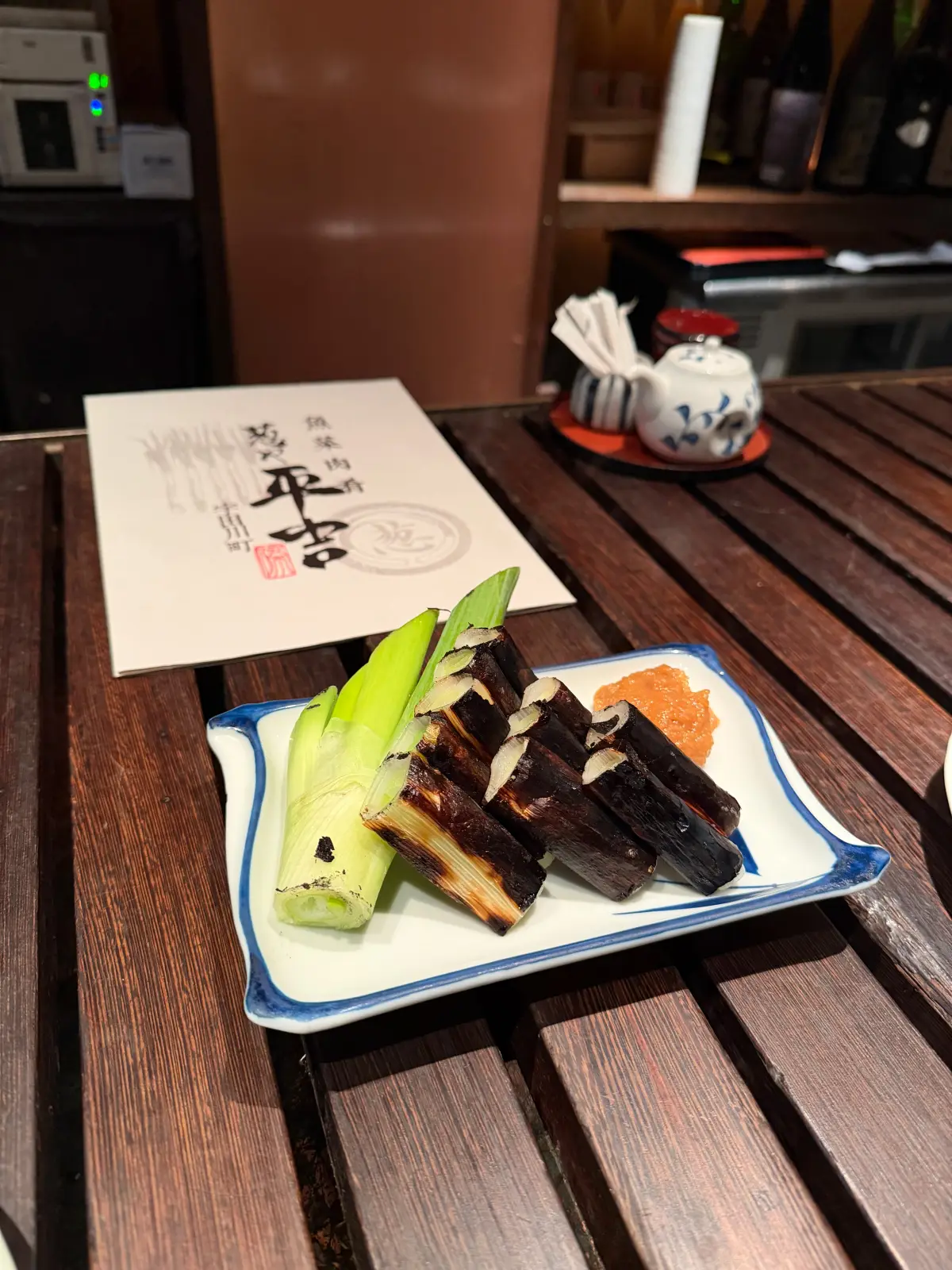
Food was half the reason for our three weeks in Japan. We ate at markets, convenience stores, ramen counters, izakayas and a traditional inn, and some places were good enough to get their own review. This is the full list, city by city, with links to the detailed reviews.
Tokyo
Negiya Heikichi, Shibuya: a retro izakaya in Udagawacho built around the Japanese leek. Order the charcoal-grilled leek with miso and the sashimi platter.
Flipper’s, Shimokitazawa: the original shop of the famous “miracle” soufflé pancakes. Allow 20 minutes for them to be cooked.
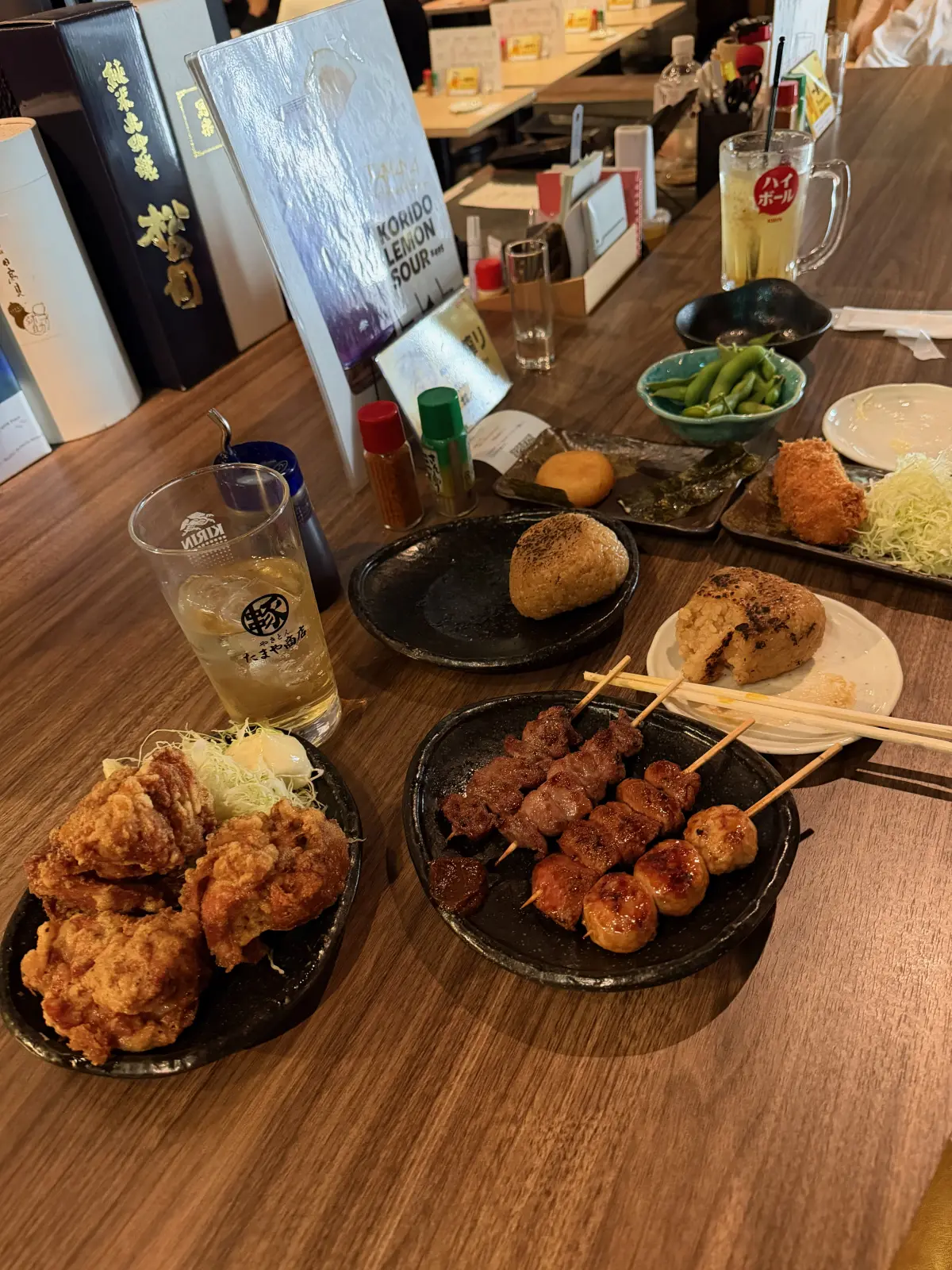
Tamaya Shoten, Ginza Corridor Street: an affordable, lively yakiton izakaya. Grilled pork skewers, yaki onigiri and lemon sours.
Spain Club, Ginza: yes, Spanish food in Tokyo. Spain Club is a Spanish restaurant and wine bar open since 1994, a few minutes from Ginza Station, with tapas, paella, Ibérico ham and classics like gambas al ajillo and callos a la madrileña.
Osaka
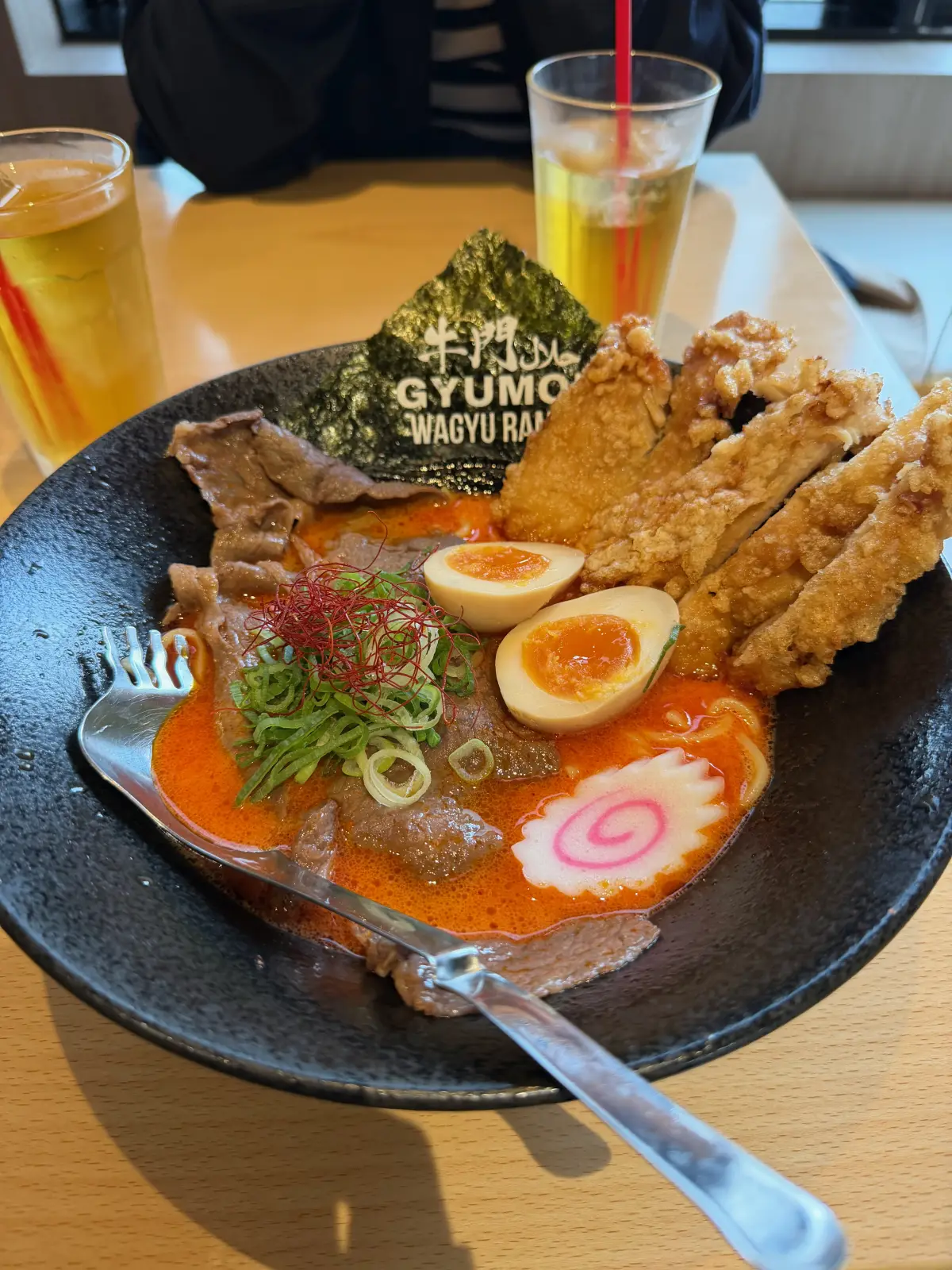
Gyumon Wagyu Ramen, Dotonbori: ramen topped with wagyu beef instead of pork, with halal-friendly and vegan options. The spicy wagyu ramen is the one to order.
Dotonbori street food: the canal is lined with takoyaki stalls, okonomiyaki restaurants and taiyaki shops. Do a street-food crawl on your first evening.
Kuromon Market: Osaka’s covered food market for grilled seafood, wagyu skewers and fruit. Go before lunch.
Kyoto
Komefuku, Shijo-Karasuma: tempura, sashimi and rice set meals at around 1,000 yen at lunch, two minutes from Nishiki Market.
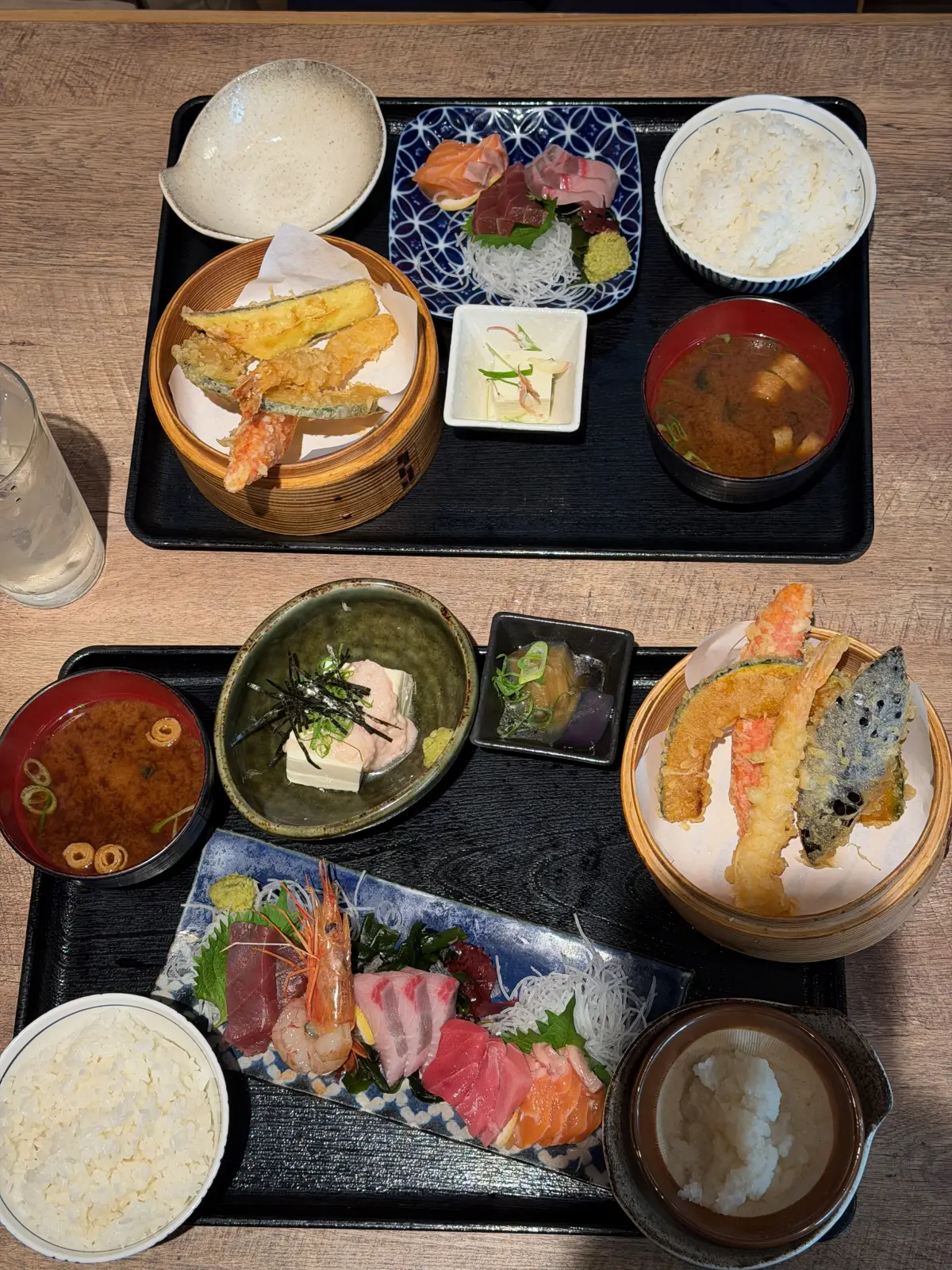
Nishiki Market: “Kyoto’s kitchen”, a long covered street of pickles, sweets, skewers and tea. Eat as you go, standing still.
Matcha everywhere: Kyoto is the place for matcha lattes and matcha sweets. Most cafés around Shijo and Gion serve them.
Nara
Kasuga Hotel: our traditional, ryokan-style stay came with a multi-course Japanese dinner of a dozen small dishes. If you stay at a ryokan once in Japan, have the dinner.
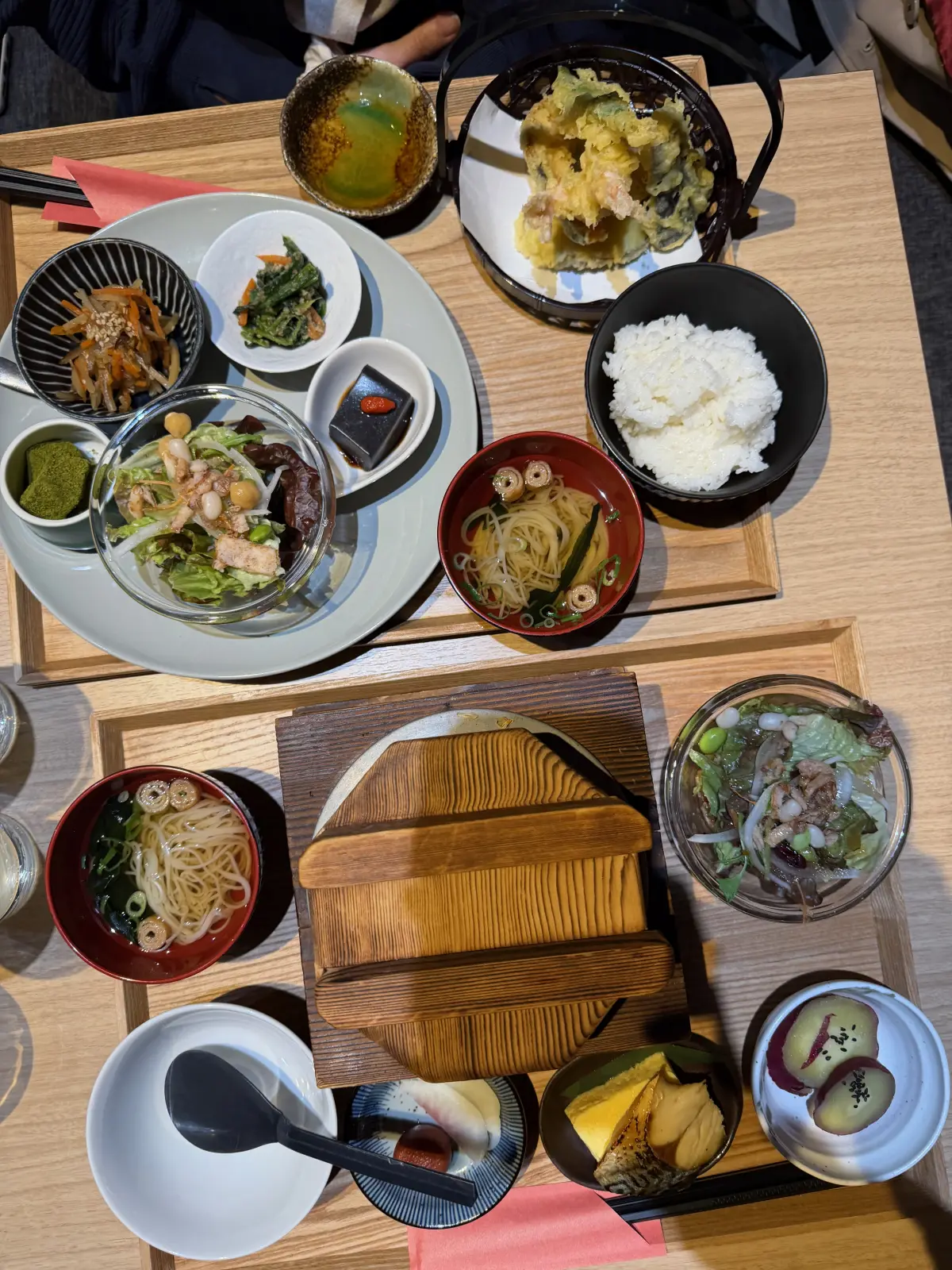
Kanazawa
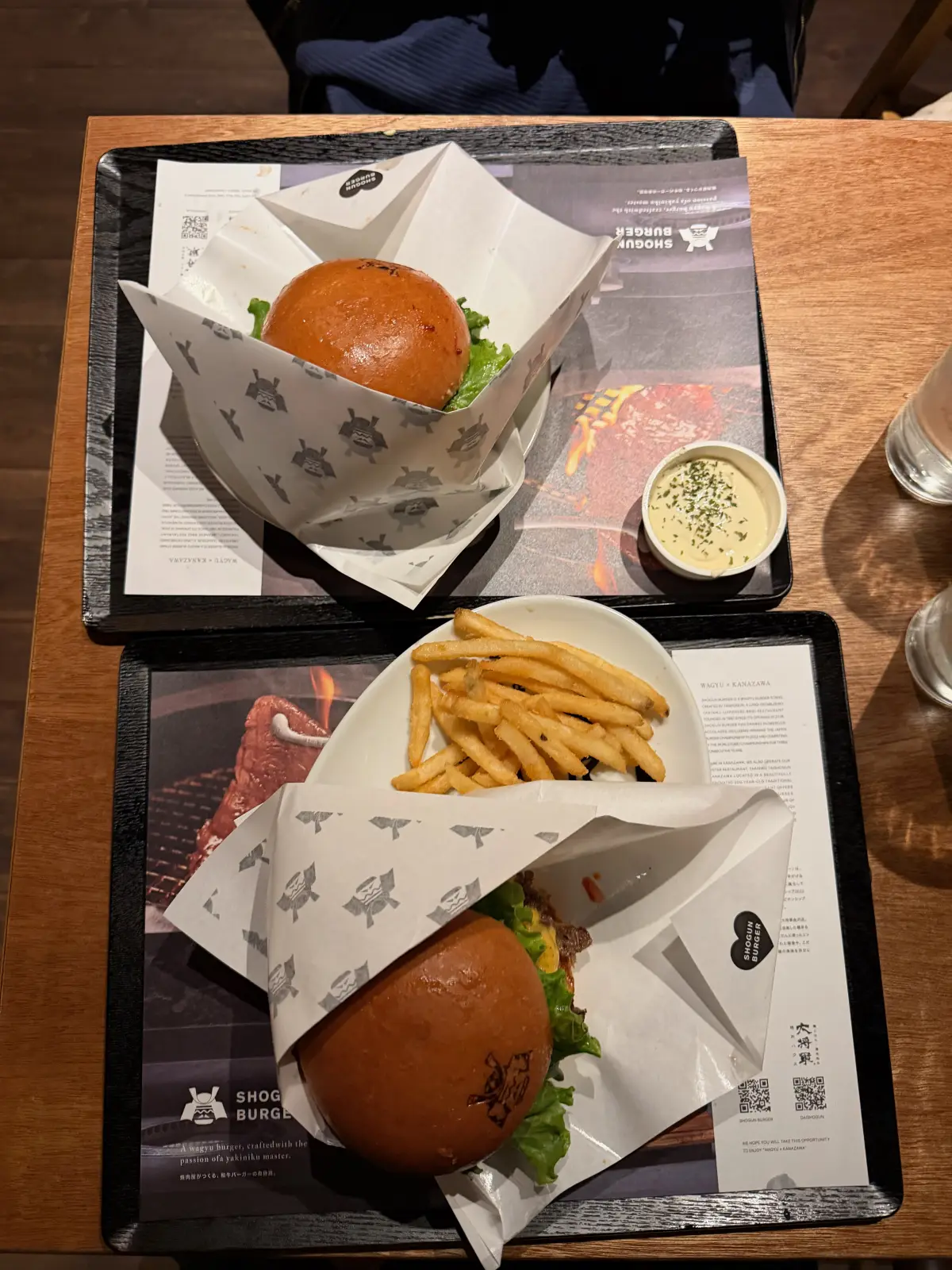
Shogun Burger, Higashi Chaya: wagyu burgers in an old townhouse in the geisha district, rated 4.9 on Google.
Ōmichō Market: Kanazawa’s big seafood market. Fresh crab, sweet shrimp and seafood rice bowls (kaisendon), with the fish of the Sea of Japan.
Eel and izakaya food: Kanazawa’s izakayas serve local Kaga and Noto specialities, from seafood to plum liqueur (umeshu) and eel rice bowls (unadon).
Tips for eating in Japan
- Use a translation app. Google Lens on a Japanese menu is a lifesaver.
- Lunch sets are the best value. Many restaurants serve set meals (teishoku) at lunch for a fraction of the dinner price.
- Book the popular places. Izakayas fill up from 7pm, especially at weekends.
- Convenience stores are good. Onigiri, sandwiches and coffee from 7-Eleven, Lawson and FamilyMart are a perfectly respectable breakfast.
- No tipping. It is not expected anywhere.
How ordering works
Eating out in Japan has a few routines that are easy once you know them:
- Ticket machines. Many ramen and noodle counters have a vending machine by the door. Pay there, take your ticket and hand it to the cook. Some machines only take cash, so carry coins and 1,000-yen notes.
- Oshibori and water. You will usually get a wet towel to clean your hands and a glass of water or tea, both free.
- The izakaya cover charge. Most izakayas serve a small starter called otoshi as soon as you sit down. It is not optional and appears on the bill as a cover charge, typically a few hundred yen per person.
- Calling the staff. Many tables have a button to call the waiter. If not, a polite “sumimasen” (excuse me) is normal.
- Paying. You often take the bill to the till at the front instead of paying at the table. Cards are now widely accepted in cities, but small places can still be cash only.
A quick food glossary
- Izakaya: a Japanese pub with small plates to share, from sashimi and grilled skewers to fried chicken (karaage).
- Yakitori / yakiton: grilled chicken skewers / grilled pork skewers.
- Teishoku: a set meal with a main dish, rice, miso soup and pickles.
- Tempura: seafood and vegetables in a light, crisp batter.
- Okonomiyaki: a savoury pancake of cabbage and batter, grilled on a hot plate. Osaka and Hiroshima each have their own style.
- Takoyaki: balls of batter with octopus inside, Osaka’s street-food icon.
- Kushikatsu: deep-fried skewers, another Osaka classic. Never dip twice in the shared sauce.
- Kaisendon: a bowl of rice topped with raw seafood.
- Unadon: grilled eel glazed with a sweet sauce, on rice.
Etiquette at the table
- Slurping noodles is fine. It is normal and nobody will mind.
- Don’t stand chopsticks upright in rice, and don’t pass food from chopstick to chopstick. Both are linked to funeral rites.
- Queue patiently. Popular places have lines outside, and people wait in order.
- Eat where you buy. At markets and stalls, people usually eat next to the stall rather than while walking down the street.
What eating out costs
Prices vary a lot, but as a rough guide: a convenience-store breakfast costs a few hundred yen, a bowl of ramen or a lunch set is often around 1,000 to 1,500 yen, and an izakaya dinner with drinks usually runs from a few thousand yen per person. Kaiseki dinners, sushi counters and wagyu restaurants can cost far more. For a full trip budget, see our three-week itinerary, and for where to base yourself in the capital, our Tokyo neighbourhood guide.
FAQ
Where should you eat in Tokyo as a first-timer? Mix an izakaya (like Negiya Heikichi in Shibuya), a ramen counter, a market and one famous café like Flipper’s for soufflé pancakes.
Is it easy to eat in Japan without speaking Japanese? Yes. Many places have English or picture menus, and a translation app covers the rest.
What food should you try in Osaka? Takoyaki, okonomiyaki, kushikatsu and the stalls of Kuromon Market and Dotonbori.
Do you need to tip in Japanese restaurants? No. Tipping is not part of the culture, and the price on the menu (plus any cover charge) is what you pay.
Is Japan easy for vegetarians? It takes some planning. Many dishes use dashi, a stock made with fish, even when they look vegetarian. Look for dedicated vegetarian or vegan restaurants, temple cuisine (shojin ryori) in Kyoto, and places that label vegan options.
How do you find good restaurants in Japan? Google Maps reviews work well for visitors, and Tabelog is the rating site most Japanese diners use. A queue of locals outside is also a good sign.